Top Birdwatching Tours for Spotting Rare Birds of Prey Safely
Birdwatching has become an increasingly popular pastime, especially for enthusiasts eager to catch a glimpse of the majestic birds of prey. These raptors, known for their impressive hunting skills and striking appearances, capture the imagination of birdwatchers worldwide. Whether you are a seasoned birder or a novice looking to embark on your first adventure, understanding where and how to spot these incredible creatures safely can significantly enhance your experience. This article will explore the top birdwatching tours specifically designed for spotting rare birds of prey, as well as provide insights into the behaviors and habitats of these fascinating birds.
Understanding the Behavior of Raptors: A Detailed Overview
Raptors, or birds of prey, include species such as eagles, hawks, falcons, and owls. These birds are characterized by their keen eyesight, strong talons, and sharp beaks, which enable them to hunt effectively. Understanding their behavior is crucial for birdwatching enthusiasts aiming to observe them in their natural habitats.
Key Characteristics of Birds of Prey
Birds of prey exhibit distinct physical and behavioral characteristics that differentiate them from other bird species:
- Keen Vision: Raptors possess extraordinary eyesight, allowing them to spot prey from great distances. For example, a bald eagle can see up to three miles away.
- Hunting Techniques: Various species employ different hunting strategies. Some, like the peregrine falcon, dive at high speeds to catch their prey, while others, like the red-tailed hawk, utilize soaring and gliding to locate food.
- Territorial Behavior: Many raptors are territorial, particularly during breeding seasons. They may engage in vocalizations or displays to ward off intruders.
Common Misconceptions About Raptors
While many appreciate the majesty of birds of prey, misconceptions often cloud public understanding:
- All Raptors Are Aggressive: Contrary to popular belief, not all raptors are aggressive. Many species are quite shy and prefer to avoid human interaction.
- Feeding Habits: Some assume that all raptors primarily hunt birds. In reality, their diets can be diverse and may include small mammals, reptiles, and even carrion.
Understanding these aspects will enhance your birdwatching experience, allowing you to appreciate the complexities of raptor behavior.
Top Birdwatching Tours for Spotting Rare Birds of Prey
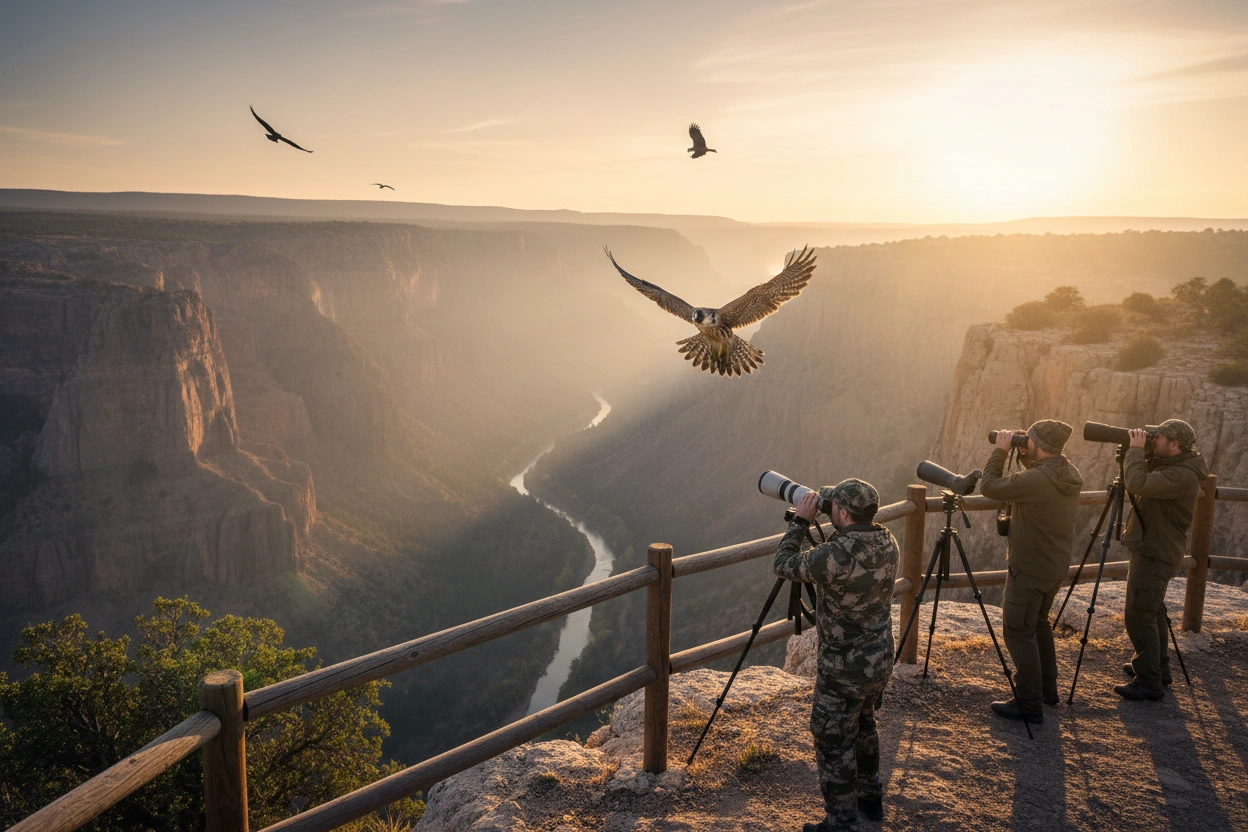
When it comes to birdwatching tours specifically aimed at observing birds of prey, several options stand out. Here are the top choices for birdwatching enthusiasts looking to safely spot these magnificent creatures:
Hawk Mountain Sanctuary, Pennsylvania
- Renowned for its raptor migration, Hawk Mountain Sanctuary offers guided tours during peak seasons. The sanctuary provides excellent vantage points for observing various species, including the endangered peregrine falcon.
Everglades National Park, Florida
- The Everglades is home to a diverse range of wildlife, including the elusive snail kite. Guided tours through this unique ecosystem allow birdwatchers to explore the habitats of various raptors while enjoying the stunning scenery.
Point Reyes National Seashore, California
- This coastal destination provides an opportunity to see species such as the northern harrier and the golden eagle. Tours often include hikes through diverse terrains, increasing the chances of spotting these birds in their natural settings.
Custer State Park, South Dakota
- Known for its expansive landscapes, Custer State Park is an excellent location for spotting bald eagles and red-tailed hawks. Guided tours focus on both birdwatching and the park's rich ecology.
Bosque del Apache National Wildlife Refuge, New Mexico
- This refuge is famous for its wintering populations of sandhill cranes and various raptors. Birdwatching tours are organized to help enthusiasts observe these species as they hunt and interact within their habitat.
Choosing the Right Tour
Selecting the right birdwatching tour can significantly impact your experience. Consider the following factors when making your choice:
- Expertise of Guides: Look for tours led by knowledgeable guides who can provide insights into raptor behavior and ecology.
- Duration and Itinerary: Ensure the tour duration aligns with your schedule, and review the itinerary to confirm that it includes opportunities for spotting birds of prey.
- Group Size: Smaller groups often offer a more personalized experience, allowing for better interaction with guides and more focused birdwatching.
Preparing for Your Birdwatching Adventure
Before embarking on your birdwatching tour, preparation is key to ensuring a rewarding experience. Here are essential steps to take:
- Research the Location: Familiarize yourself with the types of raptors commonly found in the area. Understanding their behaviors and habitats will enhance your spotting success.
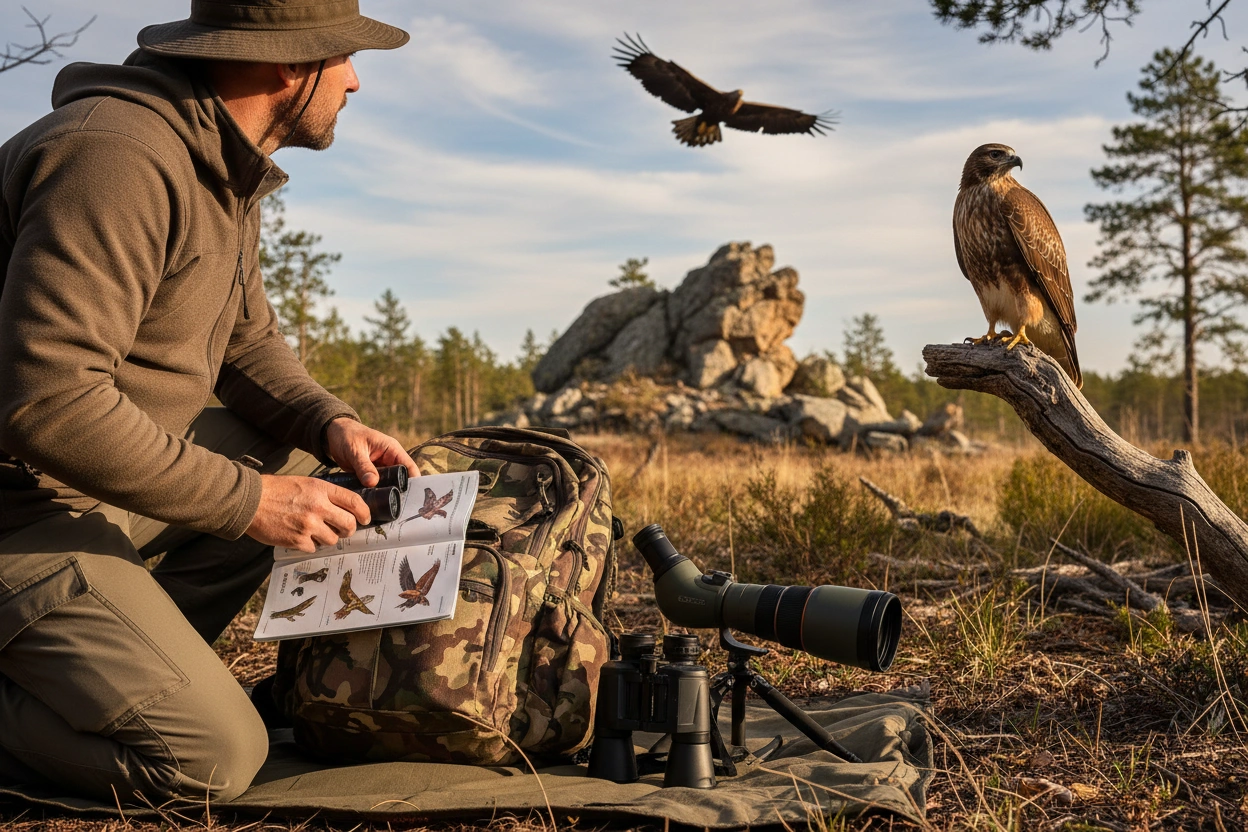
- Gather the Right Equipment: Invest in quality binoculars or a spotting scope, as well as a field guide to raptors. Proper gear will facilitate better viewing and identification.
- Dress Appropriately: Wear comfortable clothing suitable for the weather and terrain. Sturdy footwear is essential, especially for tours that involve hiking.
Essential Gear for Birdwatching
- Binoculars: A good pair of binoculars with at least 8x magnification is crucial for spotting birds from a distance.
- Field Guide: A reliable field guide specific to birds of prey can help you identify species quickly.
- Notebook: Keeping a journal of your sightings can enrich your birdwatching experience and allow for future reflections.
Safety Considerations While Birdwatching
Safety should always be a priority during your birdwatching tours, especially when safely observing birds of prey in the wild. Here are important safety tips to consider:
- Maintain a Respectful Distance: Avoid getting too close to nesting sites or feeding areas to prevent disturbing the birds.
- Be Aware of Your Surroundings: Stay vigilant for other wildlife and potential hazards, such as uneven terrain or inclement weather.
- Use Eco-friendly Practices: Adhere to the principles of Leave No Trace to protect the natural habitats you are exploring.
Engaging with the Birdwatching Community
Participating in birdwatching tours not only enhances your personal experience but also connects you with a community of like-minded individuals. Engaging with fellow birdwatchers can provide valuable insights, shared experiences, and opportunities for future excursions.
Benefits of Joining Birdwatching Groups
- Shared Knowledge: Group members often share tips and experiences that can enrich your understanding of birds of prey and birdwatching techniques.
- Access to Exclusive Tours: Many birdwatching groups organize special events and tours that may not be available to the general public.
- Conservation Efforts: Joining a birdwatching community often provides opportunities to participate in conservation initiatives aimed at protecting raptor habitats.
The Intersection of Birdwatching and Conservation
Birdwatching is not only a recreational activity but also plays a critical role in wildlife conservation. By participating in birdwatching tours and supporting organizations focused on protecting birds of prey, enthusiasts can contribute to the preservation of these majestic creatures and their habitats.
How Birdwatchers Can Contribute to Conservation
- Participate in Citizen Science: Engaging in citizen science projects helps gather valuable data on bird populations and migration patterns.
- Support Local Conservation Efforts: Many birdwatching tours contribute a portion of their proceeds to local conservation initiatives aimed at protecting birds of prey and their habitats.
- Advocate for Environmental Policies: Birdwatchers can leverage their passion to advocate for policies that protect wildlife and natural habitats.
Birdwatching tours offer an invaluable opportunity to connect with nature, learn about birds of prey, and contribute to conservation efforts. By understanding the behaviors of these raptors and participating in organized tours, birdwatchers can enjoy a safe and rewarding experience.
Your Next Birdwatching Adventure Awaits with Banana Slug Club
As you plan your next birdwatching adventure, consider the insights you've gained about spotting rare birds of prey and the importance of conservation. Engaging with organizations like Banana Slug Club can enhance your experience further. Whether you are looking for guided tours, educational resources, or community engagement opportunities, Banana Slug Club provides a wealth of information and support for birdwatching enthusiasts.
Explore the world of birds of prey with confidence, knowing you have the resources and community backing you. For more information and to start your adventure, visit Banana Slug Club today.




.svg)
.svg)