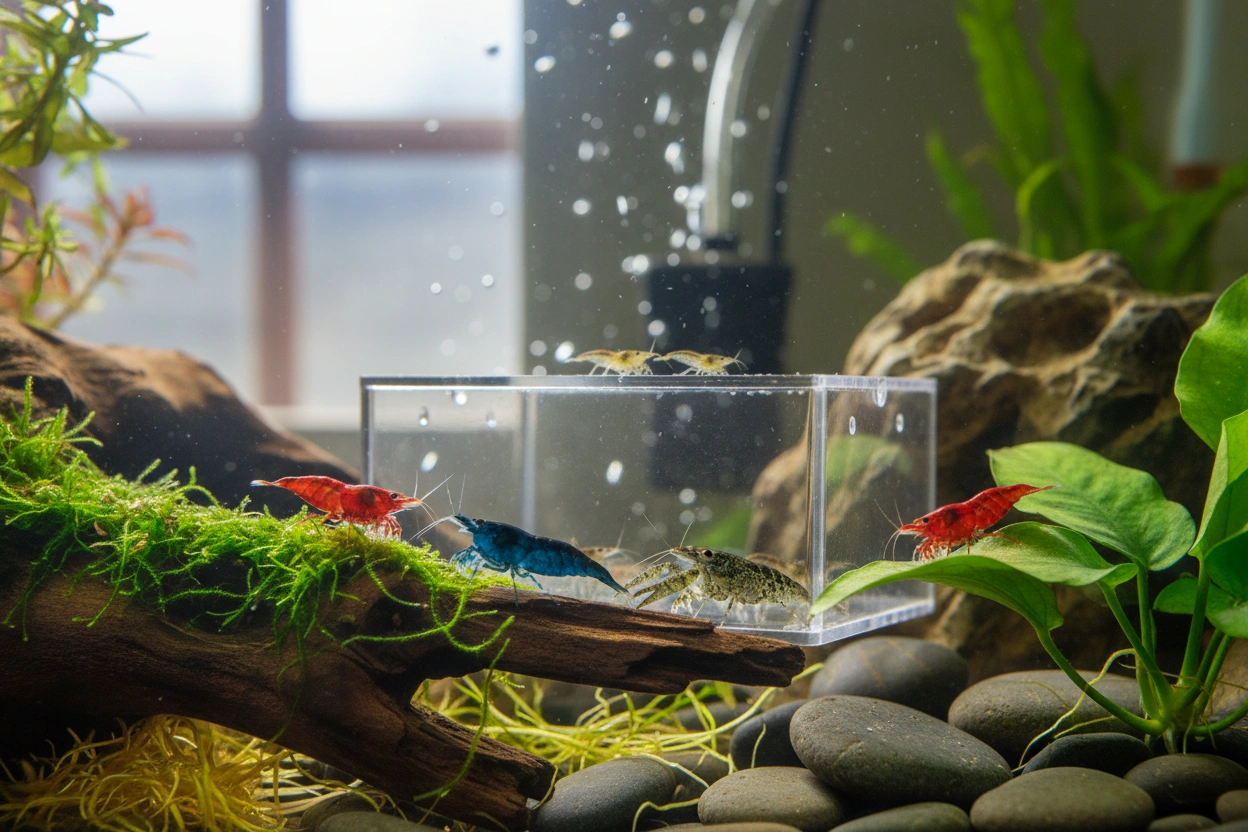
Understanding the intricacies of crustaceans can seem daunting to newcomers. However, with the right guidance and structured approach, anyone can learn to maintain and optimize these fascinating creatures. Crustaceans play a vital role in various ecosystems and aquaculture, making their proper care and management essential not only for enthusiasts but also for those involved in commercial ventures. This article will serve as your roadmap, providing a comprehensive crustaceans guide that covers essential strategies and actionable insights for effective maintenance and optimization.
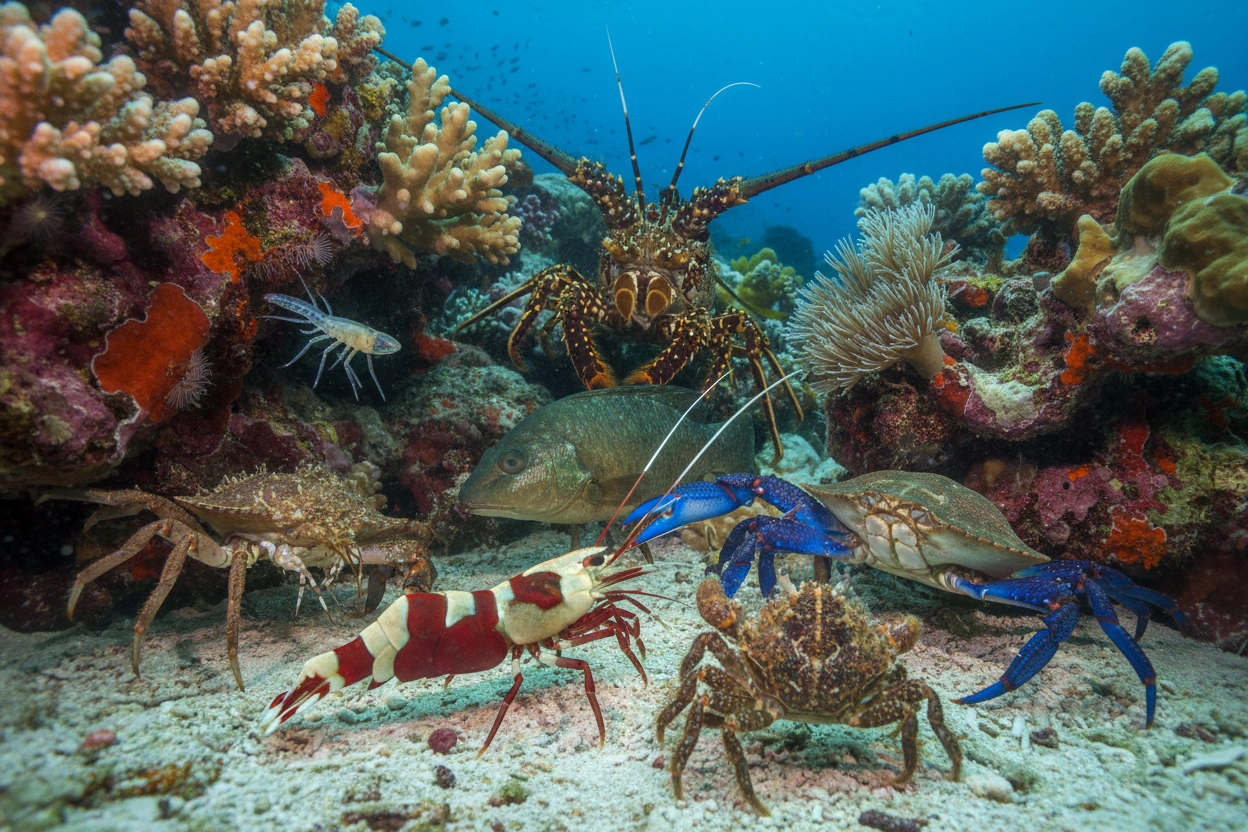
Crustaceans are a diverse group of arthropods that include species such as crabs, lobsters, shrimp, and crayfish. They are not only critical to aquatic ecosystems but also serve as a significant source of food and economic activity worldwide. In 2026, global crustacean production is projected to continue its upward trend, highlighting the importance of sustainable management practices.
Proper crustacean care contributes to biodiversity, helps maintain healthy aquatic environments, and supports livelihoods in fishing communities. Whether you are a hobbyist maintaining a home aquarium or a commercial producer, understanding the needs and behaviors of crustaceans will enhance your ability to provide optimal conditions for their growth and reproduction.
To effectively maintain crustaceans, it is crucial to understand their biology and behavior. Crustaceans exhibit a wide range of adaptations that allow them to thrive in various environments, from freshwater rivers to the deep ocean. Key biological aspects include:
By grasping these fundamental biological concepts, you can create an environment that mimics their natural habitat, promoting health and longevity.
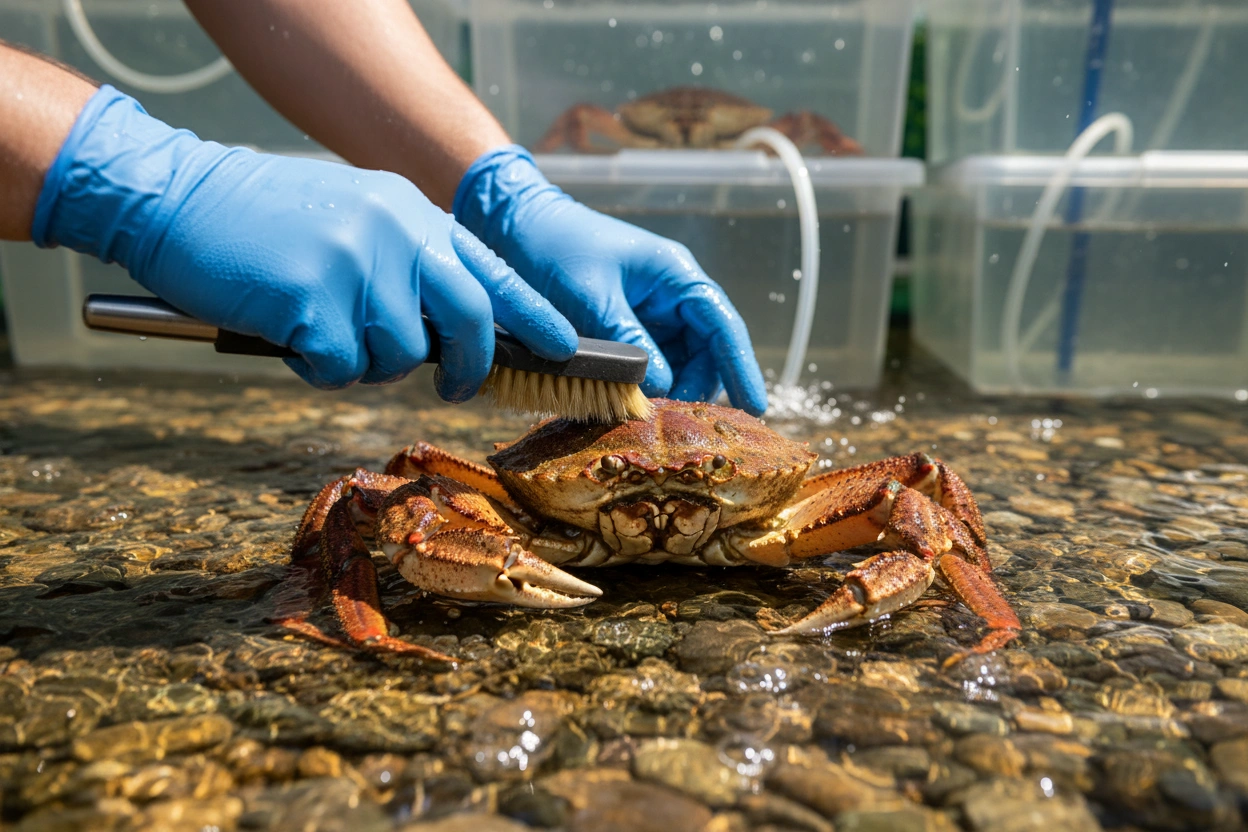
Effective maintenance of crustaceans involves several strategies aimed at optimizing their living conditions. Below are the top strategies that every beginner should consider:
Water Quality Management
Feeding and Nutrition
Temperature and Environment Control
Behavioral Monitoring
Breeding Practices
Implementing these strategies will not only enhance the health and growth of your crustaceans but also contribute to a more rewarding experience for you as a caretaker.
Even seasoned crustacean keepers can make mistakes that negatively impact the health of their aquatic pets. Here are some common pitfalls to avoid:
Ignoring Water Quality: One of the most significant issues in crustacean maintenance is neglecting water quality. Regular testing and monitoring are crucial to prevent toxic buildup.
Overcrowding: Adding too many crustaceans to a confined space can lead to stress and competition for resources. Always research the appropriate stocking levels for your tank size.
Inadequate Diet: Feeding a monotonous diet can lead to nutritional deficiencies. Diversifying food sources will ensure that crustaceans receive all necessary nutrients.
By being aware of these common mistakes, you can take proactive measures to prevent them, ensuring a healthier environment for your crustaceans.

The journey of maintaining and optimizing crustaceans is both rewarding and intricate. As you explore the various aspects of crustacean care outlined in this beginner's roadmap, you will gain the confidence and knowledge needed to create thriving aquatic environments. Understanding the biology, implementing effective maintenance strategies, and avoiding common pitfalls are essential components of successful crustacean management.
At Banana Slug Club, we are dedicated to supporting your journey in crustacean care. Whether you are looking for resources, expert advice, or community engagement, we are here to help you every step of the way. For personalized guidance and to explore more about crustaceans, visit Banana Slug Club. Let us assist you in creating a vibrant and healthy habitat for your crustaceans, ensuring they thrive for years to come.
Get free resources, early access to new features and updates.
No spam. Just fun educational emails!


.svg)
.svg)