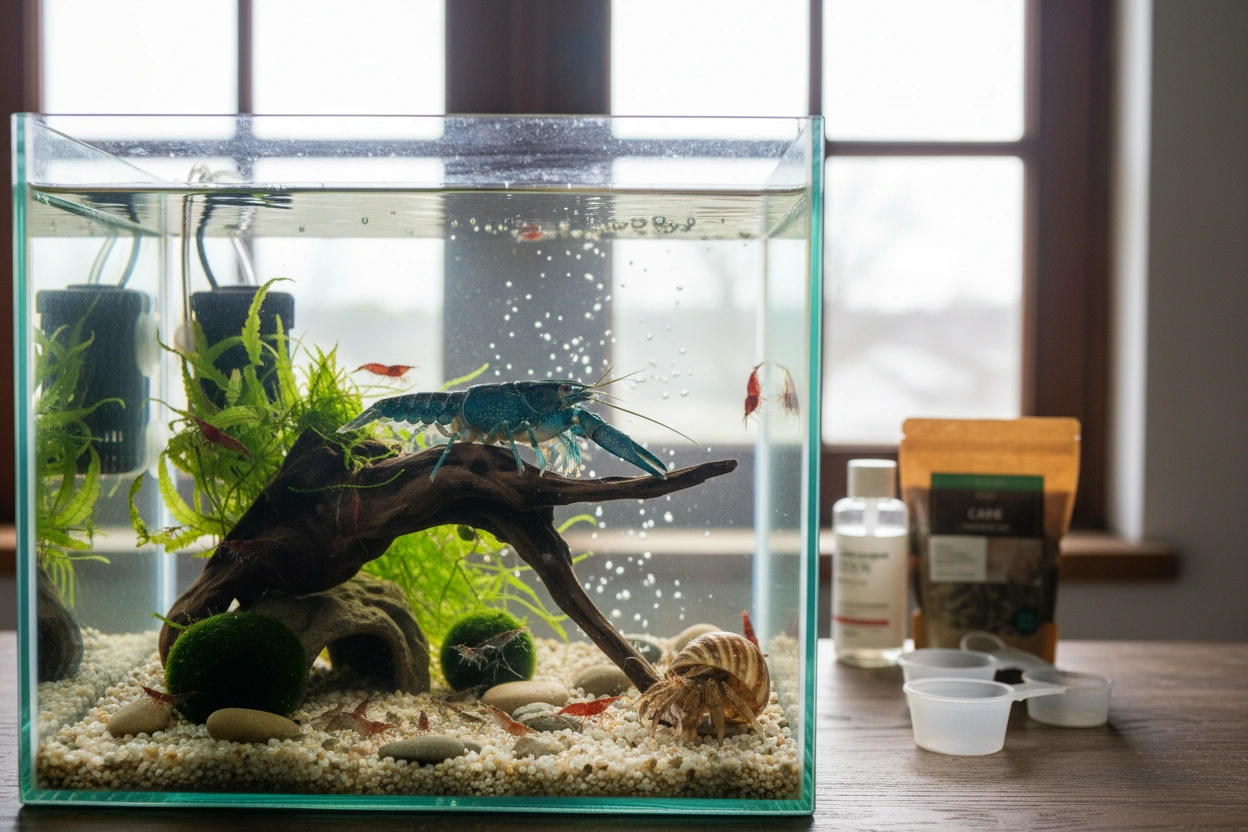
Crustaceans are fascinating creatures that play vital roles in ecosystems and serve as a source of food for many other species, including humans. From shrimp to crabs, these marine and freshwater animals have captivated enthusiasts and researchers alike. For beginners venturing into the world of crustacean care, understanding their biology, habitat requirements, and proper maintenance is essential for successful keeping. This guide will provide you with comprehensive tips and strategies to ensure your crustaceans thrive in a well-maintained environment.
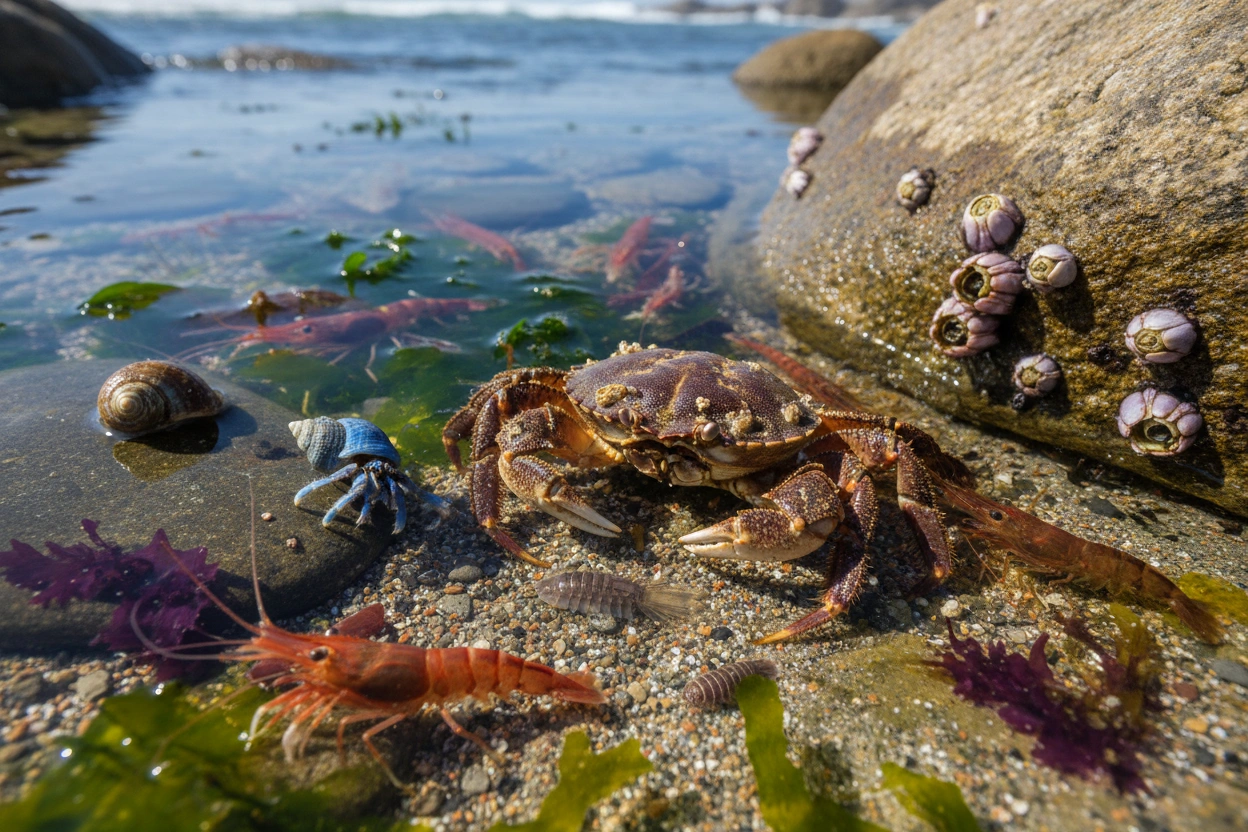
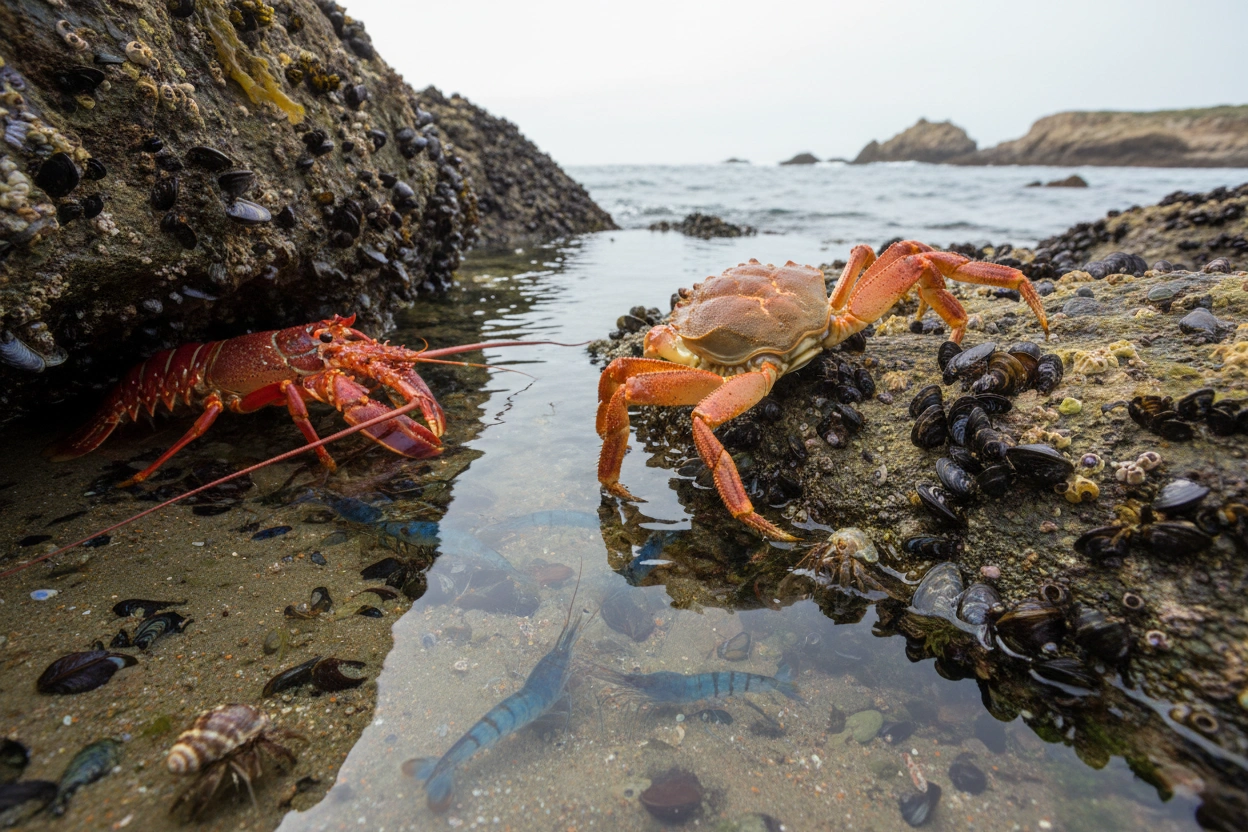
Crustaceans belong to the class Malacostraca and are characterized by their hard exoskeletons, segmented bodies, and jointed limbs. They can be found in various aquatic environments, including oceans, rivers, and lakes. Common types of crustaceans include:
These creatures exhibit a variety of behaviors and adaptations, making them unique in the animal kingdom. For instance, many crustaceans are excellent scavengers, helping to keep aquatic environments clean. Understanding these fundamental characteristics is crucial for their successful care.
Creating an appropriate habitat is paramount for the well-being of crustaceans. Depending on the species, habitat requirements can differ significantly. For example, freshwater crayfish require clean, well-oxygenated water with plenty of hiding spots, such as rocks and plants. In contrast, marine crabs thrive in brackish or saltwater environments with sandy or rocky substrates.
When setting up an aquarium for crustaceans, consider the following factors:
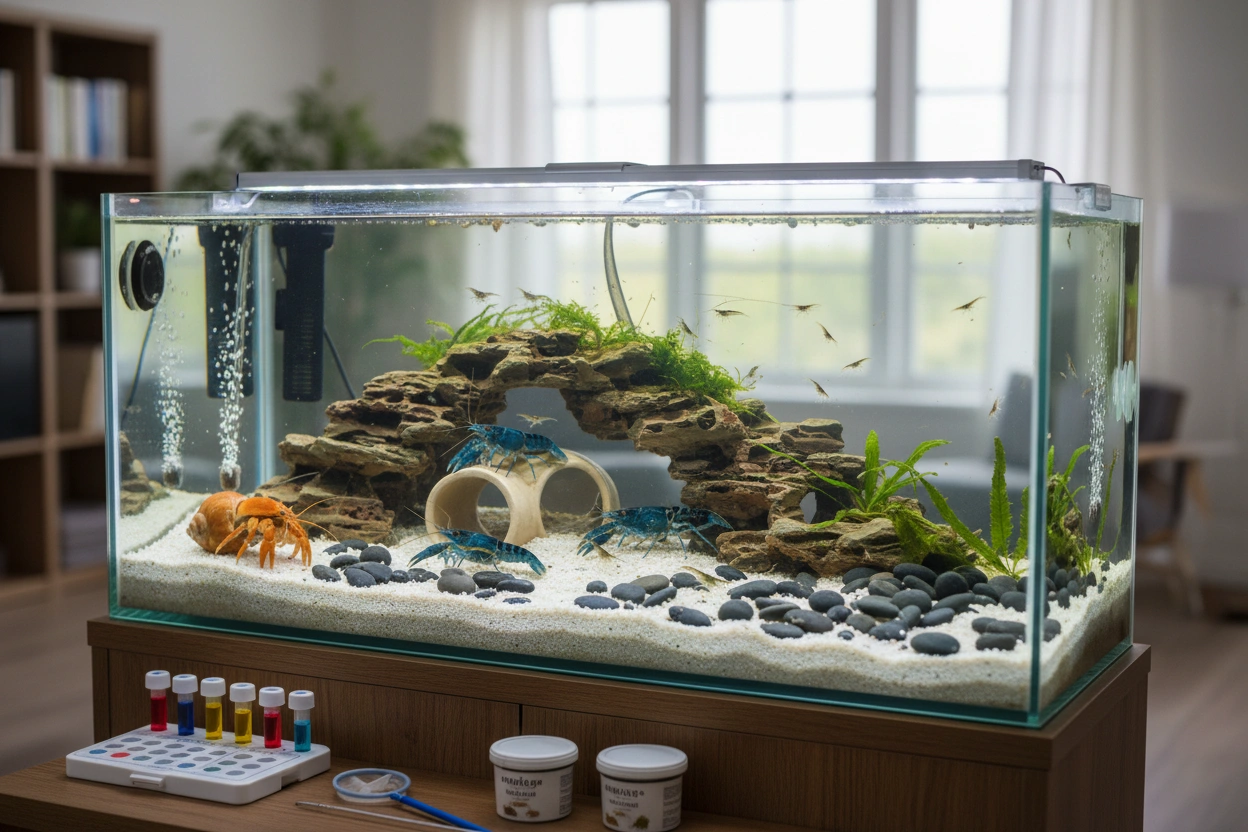
To ensure your crustaceans thrive, consider implementing these key strategies:
Feeding crustaceans requires a balanced diet that mimics their natural food sources. Many crustaceans are omnivorous, meaning they will consume both plant and animal matter. Consider the following feeding tips:
Maintaining a clean and stable environment is crucial for crustacean health. Here are essential maintenance practices:
Molting is a natural process that crustaceans undergo to grow. During this time, they shed their old exoskeleton and form a new one. Understanding the molting process is vital for their care:
Many beginners make mistakes when caring for crustaceans. Here are some common pitfalls to avoid:
The ideal temperature varies by species. Research the specific requirements for your chosen crustacean, but generally, maintaining temperatures between 22-28 degrees Celsius (72-82 degrees Fahrenheit) is a good range.
Feeding frequency depends on the species and age. Generally, juvenile crustaceans should be fed daily, while adults can be fed every other day. Always monitor how much they consume to avoid overfeeding.
Some species of crustaceans can coexist with fish, while others may be territorial or aggressive. Always research compatibility before introducing them into the same environment.
Crustaceans play critical roles in their ecosystems, acting as both prey and predator. They are essential for nutrient cycling, breaking down organic matter, and serving as a food source for various animals. Understanding their ecological importance can enhance your appreciation for these creatures and motivate better care practices.
As you embark on your journey to care for crustaceans, remember that knowledge and preparation are key to success. The intricacies of crustacean care provide a rewarding experience that connects you to the aquatic world. By following the strategies outlined in this guide, you can create a thriving habitat for your crustaceans.
Banana Slug Club is dedicated to supporting enthusiasts like you in your aquatic adventures. We provide resources, expert advice, and community connections that can enhance your experience in crustacean care. Whether you are a beginner or looking to deepen your understanding, we encourage you to explore our offerings.
To learn more about crustaceans and get involved with fellow enthusiasts, visit Banana Slug Club today. Together, we can celebrate the beauty and diversity of crustaceans in our aquatic environments.
Get free resources, early access to new features and updates.
No spam. Just fun educational emails!


.svg)
.svg)