Birdwatching can be a deeply rewarding experience, especially when it involves observing raptors, or Birds of Prey. These magnificent creatures, including eagles, hawks, and owls, captivate enthusiasts with their impressive hunting skills and striking appearances. Whether you are a seasoned birdwatcher or just starting, understanding the behavior and habits of these birds is crucial to enjoying your birdwatching tours. This guide aims to provide an in-depth overview of birdwatching raptors in the wild, highlighting key behaviors, tips for successful observation, and common misconceptions.

Birds of Prey are known for their predatory skills, keen eyesight, and unique adaptations that set them apart from other avian species. Their behavior can vary significantly based on species, habitat, and environmental factors. Observing these behaviors can enhance your birdwatching experience, allowing for a deeper appreciation of their roles in the ecosystem.
Raptors employ various hunting techniques that reflect their adaptations and environments. Understanding these techniques can provide insight into their behavior.
Perch Hunting: Many raptors, such as kestrels and hawks, often hunt from a high perch. They scan the ground for movement, using their exceptional eyesight to detect prey. This method is particularly effective in open fields and woodlands where visibility is maximized.
Soaring and Gliding: Larger raptors, like eagles and vultures, utilize thermal updrafts to soar effortlessly. This energy-efficient method allows them to cover vast distances while searching for food. Observing their soaring behavior can reveal their hunting patterns and preferred habitats.
Ambush Tactics: Some raptors, like the great horned owl, rely on stealth and surprise. They may hide in dense foliage or blend into their surroundings, waiting for unsuspecting prey to come within striking distance. This behavior highlights the importance of camouflage in their hunting strategy.
Raptors exhibit a range of social behaviors that can be fascinating to observe. Many species are solitary hunters, but some, like the Harris's hawk, demonstrate cooperative hunting techniques.
Territoriality: Most raptors are territorial, especially during breeding seasons. They will defend their territories vigorously, using vocalizations and displays to ward off intruders. Understanding territorial boundaries can help birdwatchers locate active nests and observe courtship behaviors.
Vocalizations: Raptors communicate through a variety of calls and whistles. Each species has distinct sounds used to signal alarm, attract mates, or communicate with offspring. Familiarizing yourself with these vocalizations can enhance your ability to locate and identify different raptors in the wild.
Parental Care: Observing raptor parenting can provide insight into their life cycle. Most raptors exhibit strong parental care, with both males and females participating in feeding and protecting their young. Watching for feeding behaviors can be particularly rewarding during the breeding season.

Birdwatching can be a delightful pursuit, but it requires preparation and patience, especially when trying to observe Birds of Prey. Here are some actionable tips to enhance your birdwatching experience.
Choosing the right location is critical for successful birdwatching. Different raptor species prefer various habitats:
Open Fields and Grasslands: Look for hawks and kestrels hunting in these areas, where they can easily spot prey.
Wooded Areas: Forests are ideal for spotting owls and certain hawks. Look for them perched on tree branches or gliding through the canopy.
Wetlands: Eagles and ospreys often frequent wetlands, where they hunt for fish. Observing from a distance can yield excellent sightings.
Timing plays a vital role in birdwatching. Raptors are most active during specific times of the day:
Early Morning: Many raptors hunt at dawn when prey is most active. Arriving early can increase your chances of sightings.
Late Afternoon: Similarly, late afternoon is another peak time for raptors as they prepare for evening hunts.
Seasonal Variations: Certain species migrate seasonally. Researching migration patterns can help you plan your birdwatching tours effectively.
Having the right equipment can significantly enhance your birdwatching experience. Consider the following items:
Binoculars: A good pair of binoculars is essential for observing raptors from a distance. Look for binoculars with at least 8x magnification and a wide field of view.
Field Guide: A comprehensive field guide can help you identify different raptor species and understand their behaviors. Choose one that includes images, calls, and habitat descriptions.
Camera: If you are interested in photography, a camera with a good zoom lens can help capture stunning images of raptors in action.
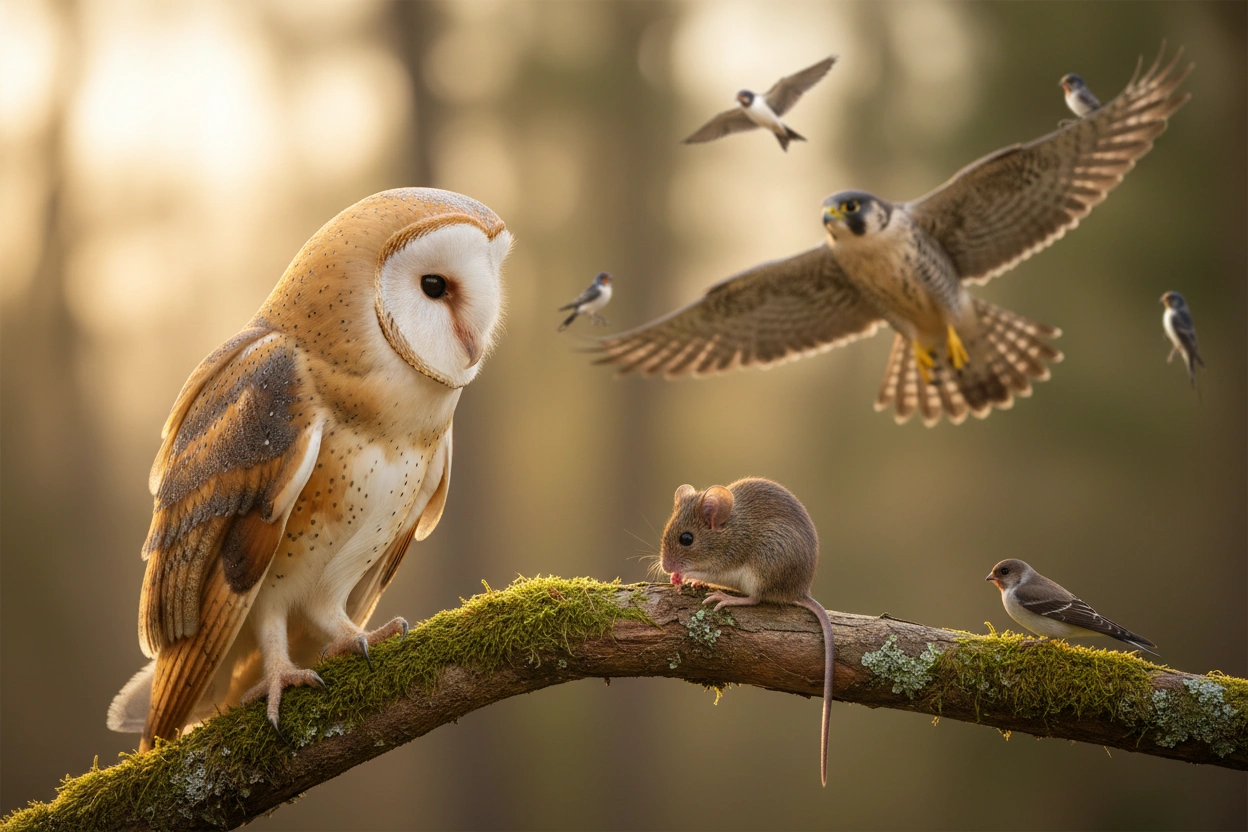
Birdwatchers often have misconceptions about Birds of Prey that can hinder their appreciation and understanding of these magnificent creatures. Addressing these misconceptions is important for fostering a deeper connection with nature.
While raptors are skilled predators, they are not inherently aggressive towards humans. Most will avoid confrontation and flee if they sense human presence. Understanding their behavior can help alleviate fears and promote respectful observation.
Many raptors adapt well to urban environments and can be found in parks, along highways, and even in suburban areas. Learning to recognize their presence in these settings can enhance your birdwatching opportunities.
While many people associate raptors with large birds like eagles and hawks, several smaller species, such as the American kestrel and sharp-shinned hawk, also play vital roles in the ecosystem. Recognizing the diversity among raptors can enrich your birdwatching experience.
Participating in organized birdwatching tours can significantly enhance your experience. These tours often provide expert guidance, access to prime locations, and opportunities to observe raptors in their natural habitats.
Expert Guidance: Knowledgeable guides can help you identify species, understand behaviors, and share insights about the local ecosystem.
Access to Prime Locations: Tours often visit areas that are less accessible to the general public, increasing your chances of spotting rare raptors.
Social Interaction: Joining a birdwatching tour allows you to meet fellow enthusiasts, share experiences, and learn from one another.
When looking for birdwatching tours, consider the following:
Research Local Organizations: Many local wildlife organizations and birding clubs offer guided tours. Look for reputable groups with experienced guides.
Check Reviews: Reading reviews from previous participants can provide insight into the quality of the tours and the expertise of the guides.
Consider the Focus: Some tours may specialize in specific raptor species or habitats. Choose one that aligns with your interests and goals.
Birdwatching is not just a recreational activity; it plays a vital role in conservation efforts. Observing Birds of Prey can increase awareness about the importance of preserving their habitats and ecosystems.
Participate in Citizen Science: Many organizations encourage birdwatchers to report sightings and contribute to research. This data helps scientists track populations and identify conservation needs.
Advocate for Protection: Understanding the challenges faced by raptors, such as habitat loss and pollution, can empower birdwatchers to advocate for policies that protect these species.
Educate Others: Sharing your knowledge and passion for raptors with others can inspire more people to appreciate and protect these incredible birds.
Birdwatching offers a unique opportunity to connect with nature, particularly when it comes to observing the majestic Birds of Prey. By understanding their behaviors, selecting the right locations, and participating in organized tours, you can enhance your birdwatching experience and contribute to conservation efforts.
Banana Slug Club is dedicated to promoting birdwatching and environmental awareness. By joining our community, you can gain access to resources, expert advice, and opportunities to connect with fellow birdwatching enthusiasts.
Ready to dive deeper into the world of Birds of Prey? Visit Banana Slug Club for more information on birdwatching tours, resources, and events that will help you become a more informed and passionate birdwatcher.
Get free resources, early access to new features and updates.
No spam. Just fun educational emails!


.svg)
.svg)