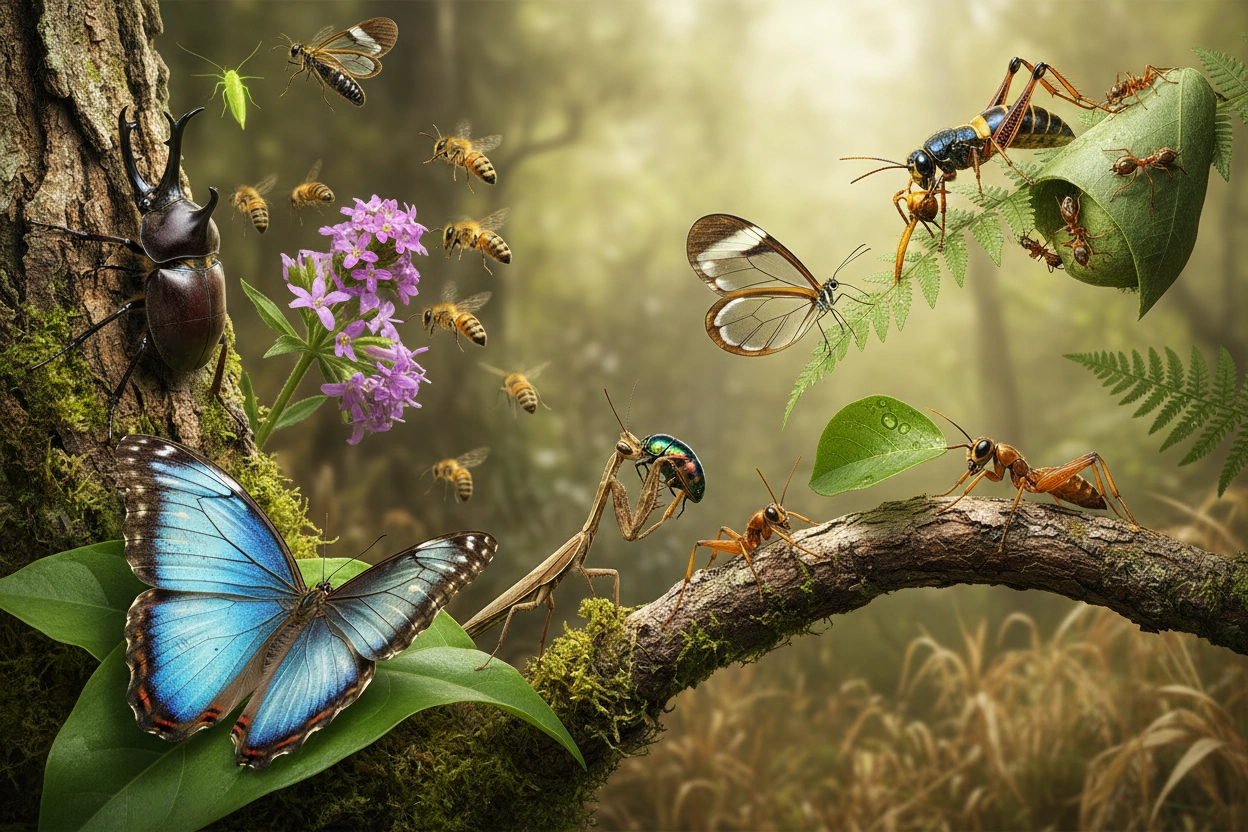
Insects are the most diverse group of animals on the planet, with over a million known species and possibly millions more yet to be discovered. Their adaptability and evolutionary innovations have allowed them to thrive in virtually every environment, from the depths of the ocean to the highest mountains. In this article, we will explore Top 10 Most Fascinating Insect Species and their unique behaviors that not only showcase their complexity but also highlight the importance of insects in our ecosystems. Understanding these remarkable creatures can enhance our appreciation for biodiversity and inspire conservation efforts.
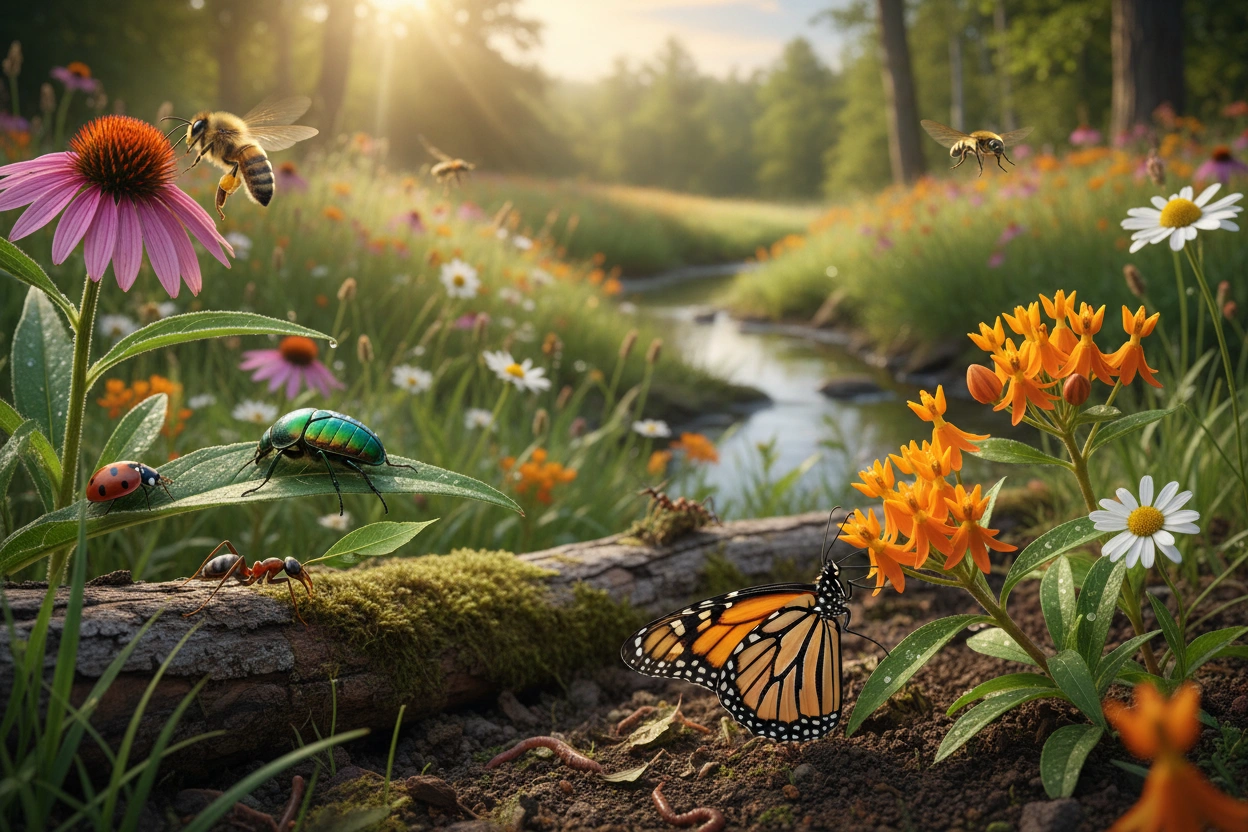
Insects play crucial roles in our ecosystems. They are pollinators, decomposers, and a food source for many other species. Their behaviors can influence plant reproduction, soil health, and even climate regulation. However, misconceptions about insects often lead to fear and misunderstanding. Many people see insects merely as pests, overlooking their ecological significance. By learning about various insect species and their unique behaviors, we can foster a better understanding and appreciation of these essential organisms.
Insect species identification is a vital skill for ecologists, entomologists, and even casual nature enthusiasts. Identifying insects requires a keen eye for detail and an understanding of various characteristics, including morphology, behavior, and habitat. Here are some essential tips for insect identification:

Now, let's delve into the ten most fascinating insect species and their extraordinary behaviors.
The bombardier beetle is a remarkable insect known for its unique defense mechanism. When threatened, it ejects a hot, noxious chemical spray from its abdomen, which can reach temperatures of nearly 100 degrees Celsius. This spray is a mixture of hydrogen peroxide and hydroquinone, combined with enzymes that create a rapid chemical reaction. The beetle can aim this spray with precision, deterring predators effectively.
Leafcutter ants are extraordinary social insects that have developed a complex agricultural system. They cut leaves and bring them back to their nests, where they cultivate a fungus that serves as their primary food source. This mutualistic relationship between the ants and the fungus showcases advanced cooperative behavior and highlights the importance of insect-fungus interactions in ecosystems.
Honeybees are perhaps the most well-known insects due to their crucial role in pollination and honey production. Their complex social structure includes a queen, workers, and drones, each with specific roles. Honeybees communicate through a dance language, allowing them to share information about food sources and navigate efficiently. The decline of honeybee populations raises significant concerns for global food security, making their conservation vital.
The praying mantis is an intriguing predator known for its unique hunting technique and physical appearance. They possess a triangular head and flexible neck, allowing them to turn their heads to scan for prey. Their raptorial forelegs are adapted for grasping and subduing prey, often larger than themselves. Praying mantises exhibit a fascinating behavior known as sexual cannibalism, where the female may consume the male after mating, ensuring the survival of her offspring.
Fireflies, or lightning bugs, are famous for their bioluminescent abilities. They produce light through a chemical reaction in their lower abdomen, which serves as a means of communication during mating. Each species has a unique flash pattern, allowing females to identify and select mates. The enchanting glow of fireflies is a captivating reminder of nature's wonders, yet their populations are declining due to habitat loss and light pollution.
The monarch butterfly is renowned for its incredible migratory journey, traveling thousands of miles from North America to central Mexico each year. This journey is not only a marvel of endurance but also a remarkable example of instinctual behavior. Monarchs are also known for their striking orange and black coloration, which serves as a warning to predators about their toxicity. Their lifecycle, from caterpillar to chrysalis to adult, showcases the transformative power of nature.
The leaf-tailed gecko moth, also known as the giant silk moth, is notable for its impressive size and striking appearance. With a wingspan that can reach up to 12 inches, it is one of the largest moth species in the world. Its wings are adorned with patterns that resemble leaves, providing excellent camouflage against predators. The moth’s lifecycle, which includes a pupal stage where it can remain dormant for extended periods, highlights the fascinating adaptations insects have developed for survival.
Cicadas are known for their distinctive sound, produced by males to attract females. Some species have a life cycle that spans several years, spending most of their lives underground as nymphs. The emergence of cicadas can create a significant ecological event, as they provide a food source for various predators. The periodic cicada, in particular, emerges every 13 or 17 years, showcasing a unique synchronization with its environment.
Ants are a diverse group of insects that exhibit fascinating social behaviors and complex colony structures. They engage in cooperative foraging, nest building, and even farming other insects, such as aphids, for honeydew. Different species have evolved unique adaptations, such as the leafcutter ants' agricultural practices or army ants' aggressive hunting strategies. Their impact on ecosystems is profound, influencing soil health and plant growth.
Dragonflies are remarkable aerial predators, known for their agility and speed. With their large eyes and unique wing structure, they can hover, fly backward, and even make sharp turns mid-air. Dragonflies exhibit complex mating behaviors, including a unique "heart" formation during copulation. Their presence in aquatic environments is an indicator of ecosystem health, as they rely on clean water for their larvae.
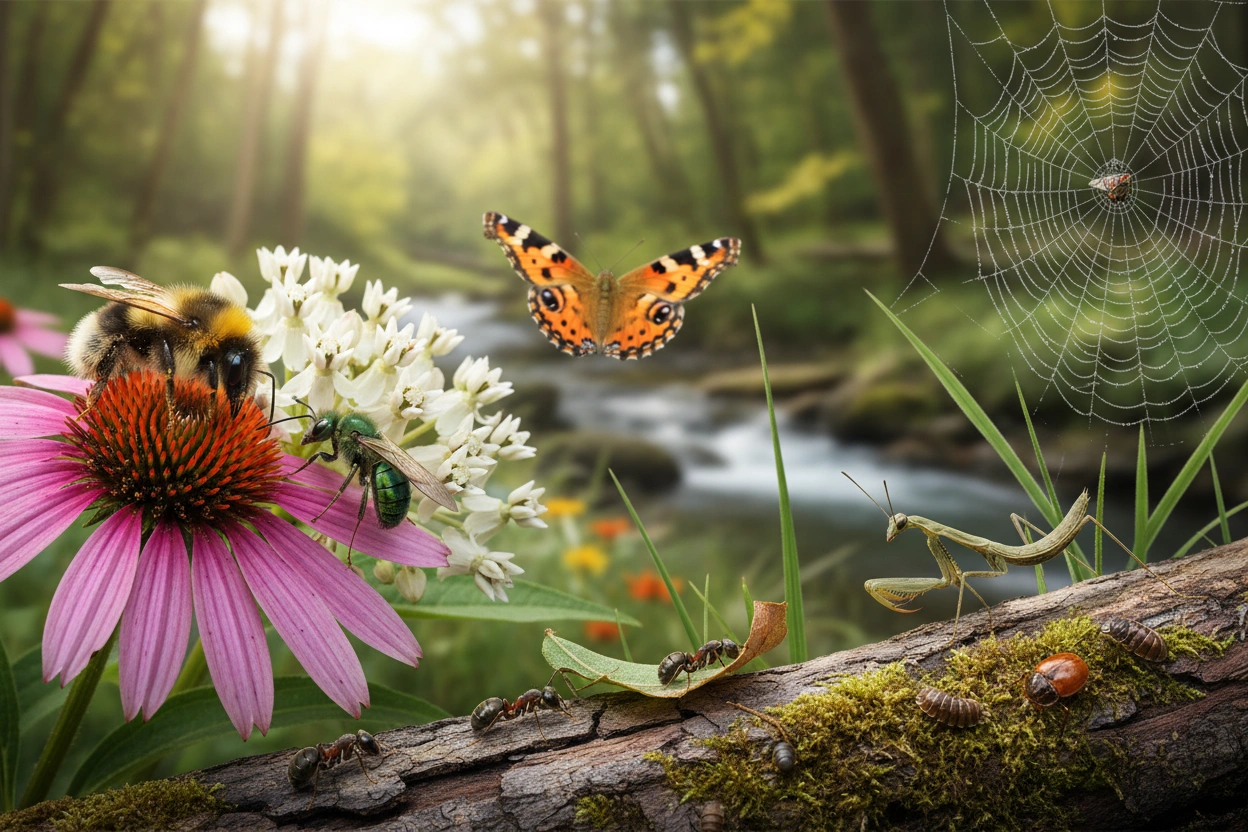
Insects are not only fascinating but also play essential roles in maintaining ecological balance. They contribute to processes such as pollination, decomposition, and nutrient cycling. Here are some key benefits of insects in ecosystems:
As we recognize the importance of insects, it becomes imperative to address the threats they face. Habitat loss, climate change, and pesticide use are significant factors contributing to declining insect populations. Conservation efforts must focus on protecting habitats, promoting sustainable agricultural practices, and fostering awareness about the value of insects.
Despite their significance, many misconceptions about insects persist. Here are some common myths and the realities behind them:
Myth: All insects are harmful pests.
Myth: Insects are dirty and disease-ridden.
Myth: Insects are not intelligent.
Insects are a vital part of our world, contributing to the health of ecosystems and the sustainability of our environment. By learning about various insect species and their unique behaviors, we can appreciate their roles and advocate for their conservation. Engaging with local entomological societies or participating in citizen science projects can also enhance our understanding of insects and their habitats.
Insects are an integral part of our natural world, and their fascinating behaviors and adaptations deserve recognition and protection. The Banana Slug Club is dedicated to promoting awareness and education about the importance of biodiversity, including the vital roles insects play in our ecosystems. By exploring the unique characteristics and behaviors of the ten fascinating insect species discussed in this article, readers can better appreciate the intricate web of life that surrounds us.
If you're interested in learning more about how you can contribute to insect conservation or participate in local biodiversity initiatives, visit Banana Slug Club for resources, events, and community engagement opportunities. Together, we can make a difference in preserving the wonders of the insect world for future generations.
Get free resources, early access to new features and updates.
No spam. Just fun educational emails!


.svg)
.svg)