Insects are the most diverse group of animals on Earth, with over a million identified species and potentially millions more yet to be discovered. They play crucial roles in our ecosystems, from pollination to decomposition, and exhibit a wide array of unique behaviors that can be both fascinating and perplexing. Understanding these insect species not only enhances our appreciation for biodiversity but also highlights the importance of these creatures in maintaining ecological balance. This article delves into the top ten most fascinating insect species, exploring their unique behaviors and the roles they play in their environments.
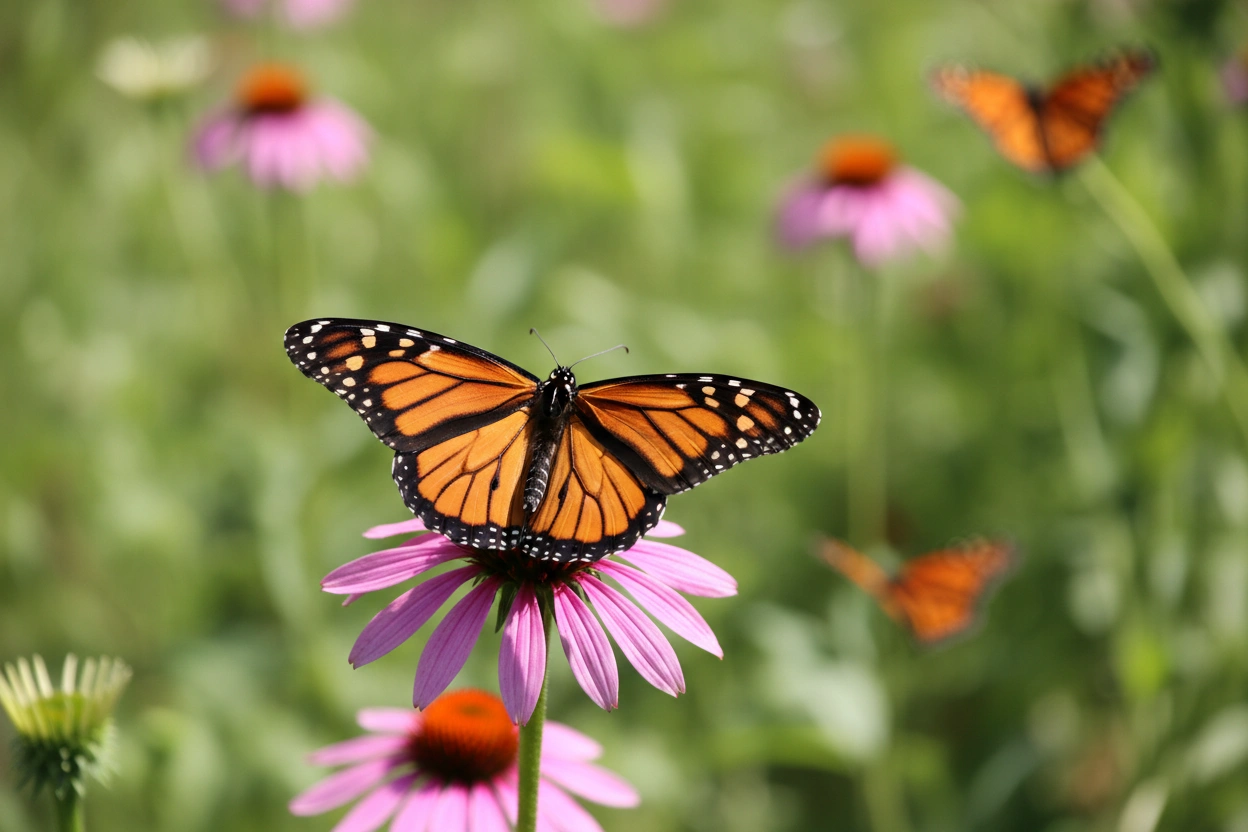
The Monarch Butterfly is perhaps one of the most recognizable insects, known for its stunning orange and black wings and remarkable migratory behavior. Each year, millions of Monarchs embark on a grueling journey from North America to central Mexico, covering thousands of miles. This migration is not merely for food but is essential for reproduction; they breed in Mexico before returning north in the spring.
The Monarch's migration is a complex phenomenon that involves multiple generations. The journey begins in late summer, with adult butterflies flying to Mexico, where they enter a state of diapause, a form of hibernation. During this time, they rely on stored fat reserves, and the temperature in their roosting sites helps them survive the winter. As spring arrives, they mate and begin the return journey, laying eggs along the way. This incredible cycle showcases the Monarch's adaptation to seasonal changes and highlights its role in the ecosystem as a pollinator.

Leafcutter ants are known for their extraordinary ability to cultivate fungi, which they use as a primary food source. These ants cut leaves and transport them back to their colonies, where they chew the plant material into a pulp and inoculate it with fungal spores. The fungus then grows on this substrate, providing nourishment for the ant colony.
This mutualistic relationship between leafcutter ants and fungi is a prime example of cooperation in nature. The ants have evolved specialized mandibles for cutting leaves and possess a unique gut microbiome that helps them digest the fungus. This behavior not only sustains the ant colony but also plays a significant role in nutrient cycling within their habitats, making them vital to forest ecosystems.

The Bombardier Beetle is a remarkable insect known for its unique defense mechanism. When threatened, it can eject a hot, noxious chemical spray from its abdomen, which can deter predators effectively. This spray is a mixture of hydroquinone and hydrogen peroxide, which react in a special chamber within the beetle's body, creating a boiling hot solution that is expelled with a loud popping sound.
The Bombardier Beetle's ability to defend itself through chemical means is a fascinating adaptation. This defense mechanism not only protects the beetle but also serves as a warning to potential predators. The beetle's specialized anatomy allows it to store and mix the chemicals without harming itself, showcasing a remarkable evolutionary adaptation that enhances its survival.
The Praying Mantis is renowned for its distinctive appearance and predatory behavior. With its elongated thorax and folded forearms, it appears to be in a perpetual state of prayer. These insects are ambush predators, using their camouflage to blend into their surroundings and capture unsuspecting prey.
One of the most intriguing behaviors of the praying mantis is sexual cannibalism. In some species, the female will consume the male after or during mating. This behavior is thought to provide nutritional benefits to the female, enhancing reproductive success. The praying mantis's predatory skills and unique reproductive strategies make it a captivating subject of study in the insect world.
Fireflies, or lightning bugs, are famous for their bioluminescent capabilities, which they use for communication and mating. These insects produce light through a chemical reaction involving luciferin, an enzyme called luciferase, and oxygen. The resulting glow varies in color and pattern, depending on the species.
The flash patterns of fireflies serve as a form of species-specific communication. Males typically flash their light to attract females, who respond with their own unique patterns. This intricate signaling system is crucial for mate selection and reproduction. The mesmerizing displays of fireflies not only captivate observers but also highlight the complex social behaviors of insects.
Known for their aggressive nature and exceptional vision, Australian Bull Ants are among the largest ants in the world. They can grow up to 4 centimeters in length and have large, keenly developed eyes that allow them to see in color and detect movement from a significant distance.
Bull Ants exhibit remarkable hunting skills, using their acute vision to track down prey. They are known to hunt other insects and even small vertebrates. Their ability to navigate complex environments and remember the locations of food sources showcases their advanced cognitive abilities, setting them apart from many other insect species.
The Orchid Mantis is a strikingly beautiful insect that mimics the appearance of orchid flowers, allowing it to ambush unsuspecting pollinators. Its unique coloration and shape provide excellent camouflage among the flowers, making it a formidable predator.
Mimicry is a fascinating behavior that enhances the Orchid Mantis's hunting success. By resembling flowers, it attracts insects like bees and butterflies, which come to pollinate. This behavior not only benefits the mantis but also illustrates the intricate relationships between different species in ecosystems. The Orchid Mantis is a prime example of how insects have evolved to exploit their environments for survival.
Cicadas are best known for their distinctive songs, which they produce using a specialized organ called a tymbal. These insects emerge from the ground after spending years in a nymph stage, only to mate and reproduce within a few weeks.
The life cycle of cicadas is fascinating, characterized by long periods of dormancy followed by brief but intense reproductive activity. Some species, like the 17-year cicada, have synchronized emergence, which overwhelms predators and ensures the survival of enough offspring. Their loud mating calls, produced by males, are not only a means of attracting females but also serve as a form of communication within the species.
The Atlas Moth is one of the largest moth species in the world, boasting a wingspan of up to 25 centimeters. Native to the rainforests of Southeast Asia, this moth is notable not just for its size but also for its unique adaptations.
The Atlas Moth's wings feature intricate patterns that mimic the appearance of snake heads, deterring potential predators. This form of mimicry is a critical survival strategy, allowing the moth to evade detection. Additionally, the moth's short lifespan—typically only a few weeks—focuses its energy on reproduction, showcasing the diverse strategies insects employ for survival.
Honeybees are essential pollinators, playing a critical role in agriculture and natural ecosystems. Known for their complex social structures and the production of honey, these insects exhibit a range of fascinating behaviors.
Honeybees communicate through a unique "waggle dance," which conveys information about the location of food sources to other bees in the hive. This sophisticated form of communication is crucial for efficient foraging and highlights the social organization within bee colonies. Their role in pollination not only supports biodiversity but also underpins global food security, making them one of the most important insect species.
Insects are remarkable creatures that exhibit a wide range of unique behaviors, from the Monarch Butterfly's migration to the Bombardier Beetle's chemical defenses. Each of the species discussed in this article plays an essential role in their ecosystems, demonstrating the intricate relationships that exist in nature. By studying these fascinating insect species, we gain insights into the complexities of biodiversity and the importance of conservation efforts.
As we have explored the top ten fascinating insect species and their unique behaviors, it becomes clear that insects are not just simple creatures; they are intricate parts of our ecosystem. Understanding their roles can inspire us to appreciate the natural world more deeply. For those interested in further exploring the wonders of the insect kingdom, the Banana Slug Club offers resources and community engagement opportunities that can enhance your knowledge and appreciation of these remarkable species.
For more information on how to get involved and learn more about insects, visit Banana Slug Club. Engaging with like-minded individuals can help foster a deeper connection with the natural world and promote conservation efforts that are crucial for preserving these vital species.
Get free resources, early access to new features and updates.
No spam. Just fun educational emails!


.svg)
.svg)