.svg)


We're working on this quiz!
Come back soon to test your knowledge about the
Come back soon to test your knowledge about the
Cheetah
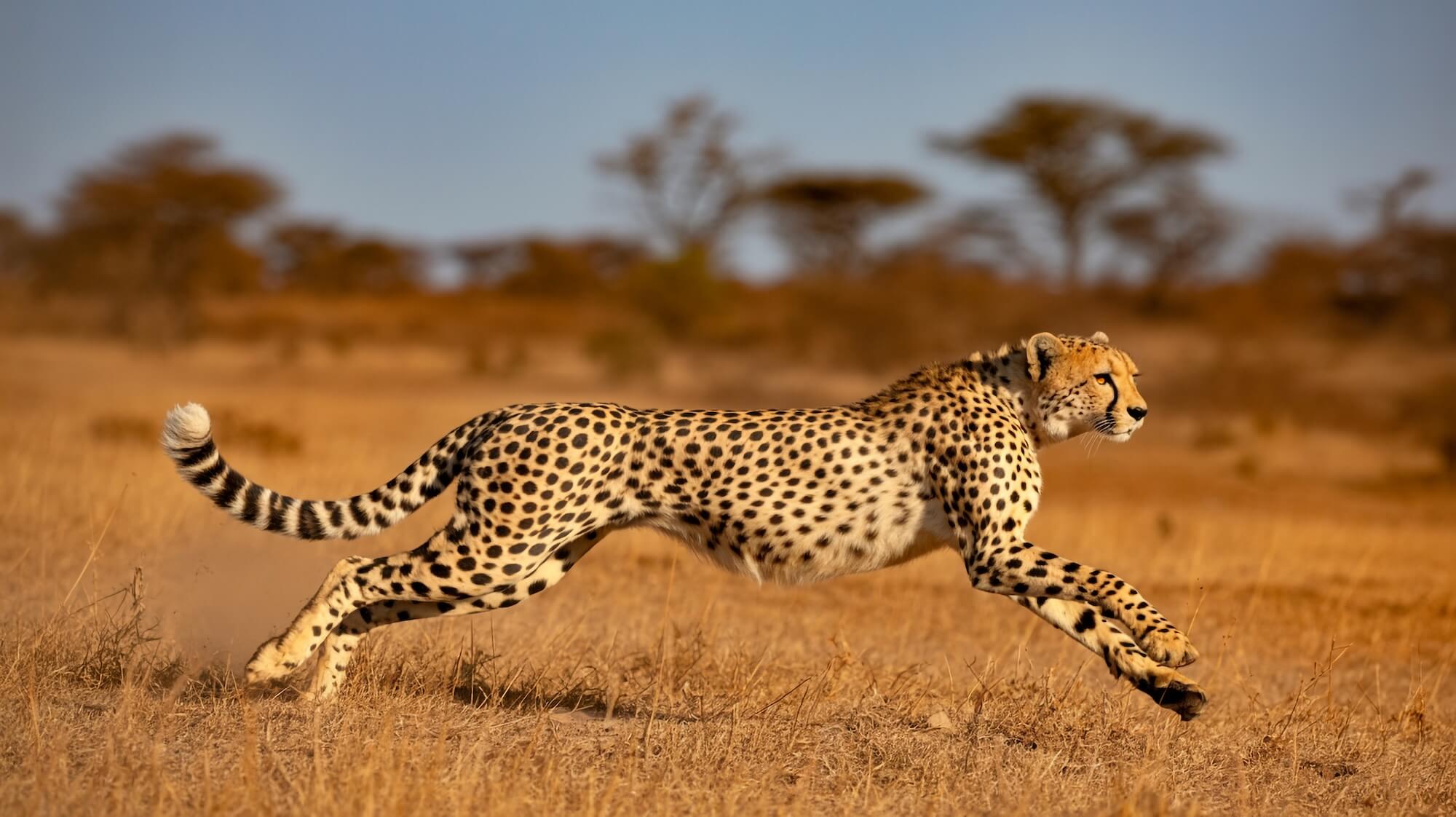

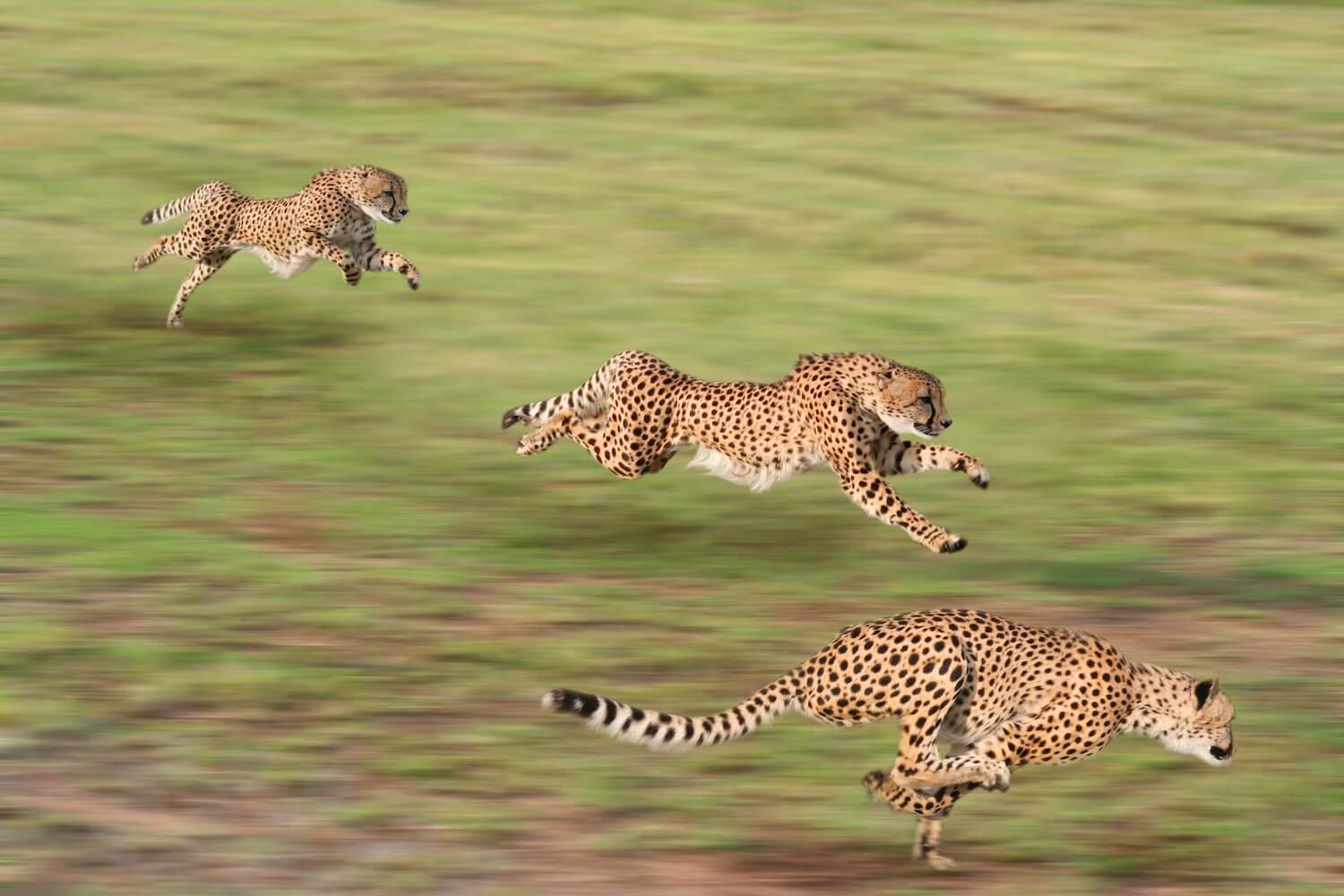
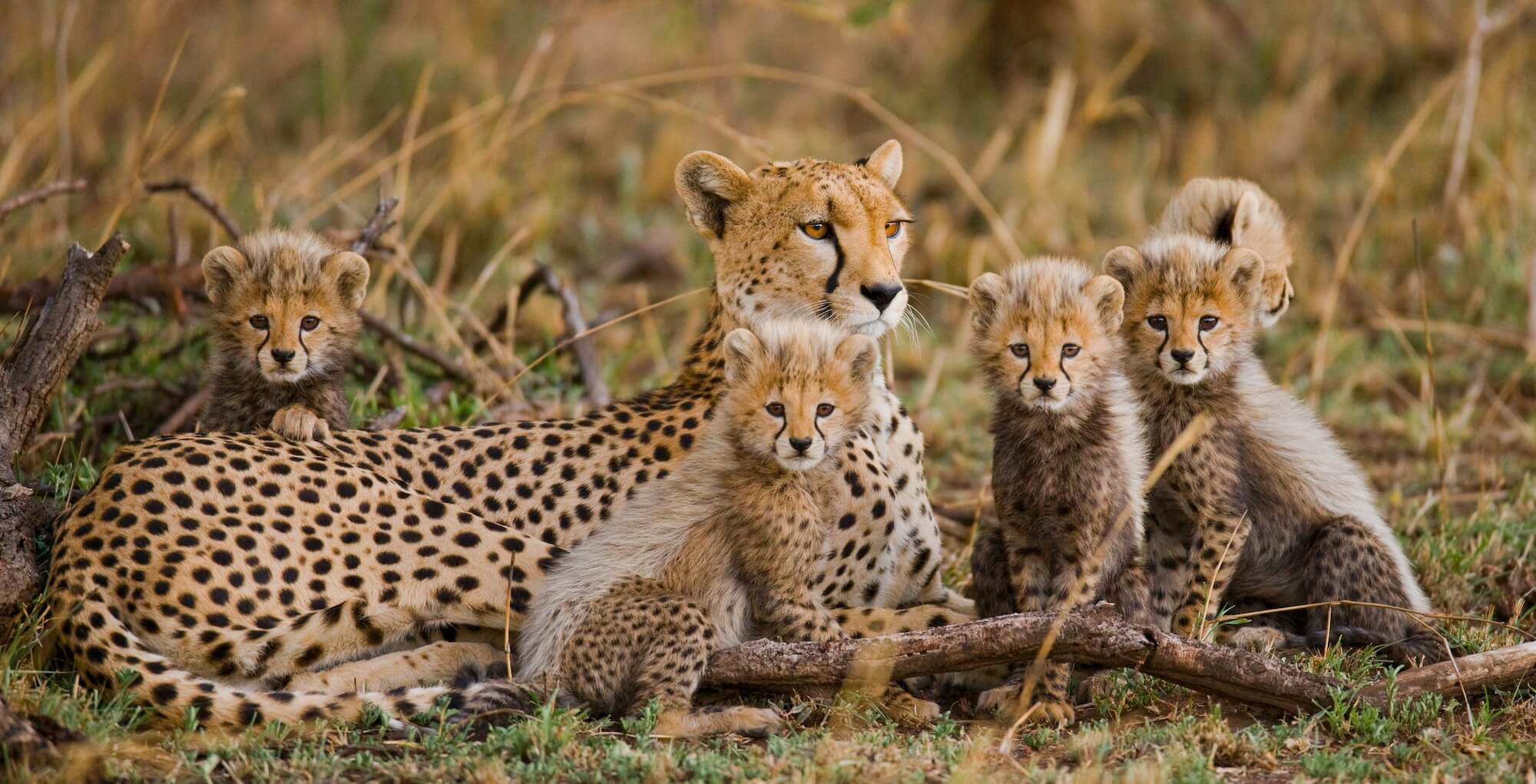
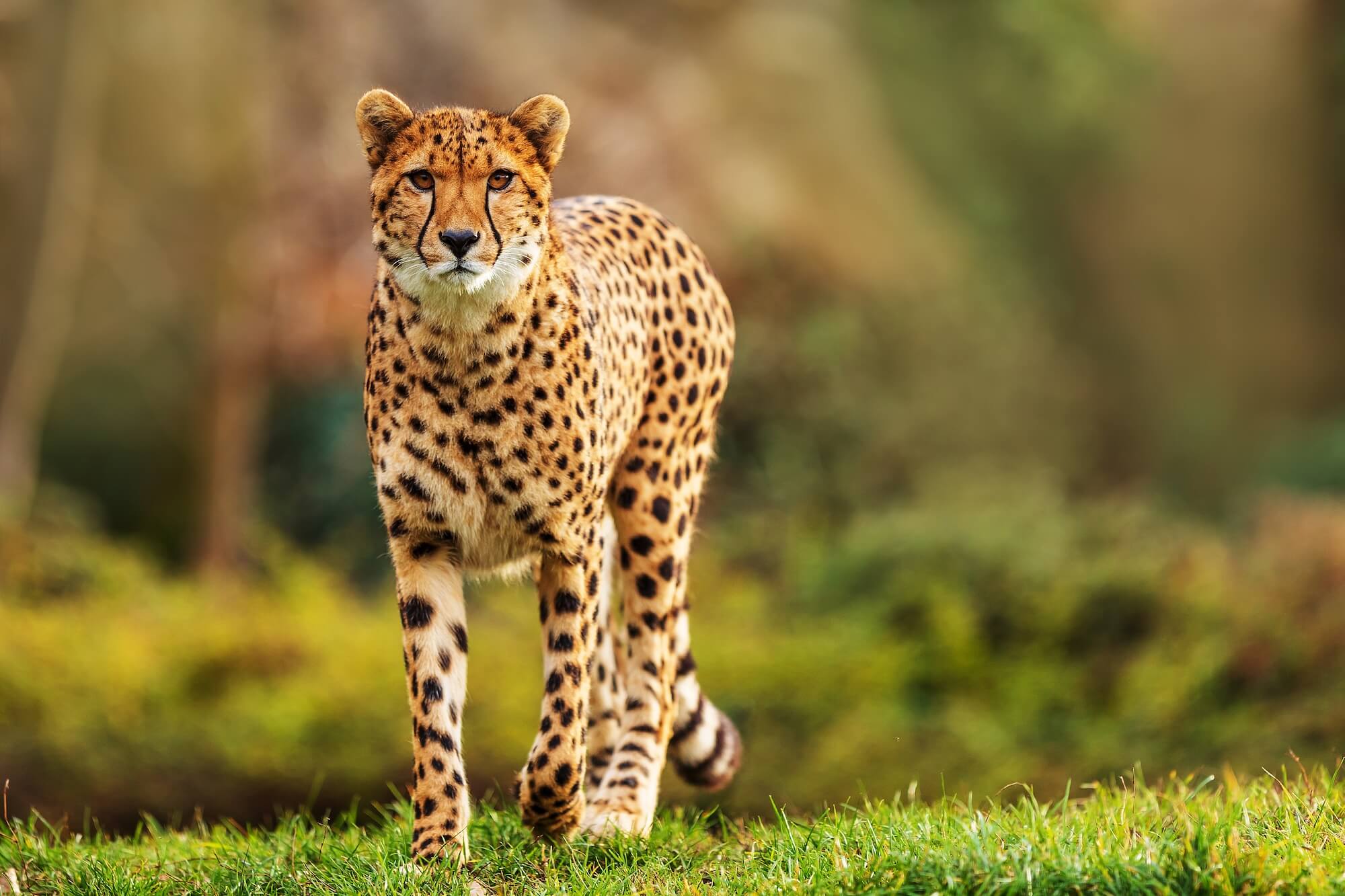
Cheetahs are carnivores that primarily hunt small to medium-sized animals like gazelles, impalas, springboks, and young wildebeests. They also eat rabbits, birds, and warthogs. Unlike other big cats, cheetahs hunt during the day to avoid competing with lions and hyenas. They use their incredible speed to chase down prey in short, explosive bursts, then trip their target with a swipe of their paw before delivering a suffocating bite to the throat.
The cheetah is the world's fastest land animal and one of Africa's most specialized hunters. With a lean, aerodynamic body covered in golden fur with solid black spots, cheetahs are built for one thing: speed. Their lightweight frame, long legs, flexible spine, and large nasal passages all work together to make them incredible runners capable of reaching 70 mph in just three seconds - faster than most sports cars accelerate!
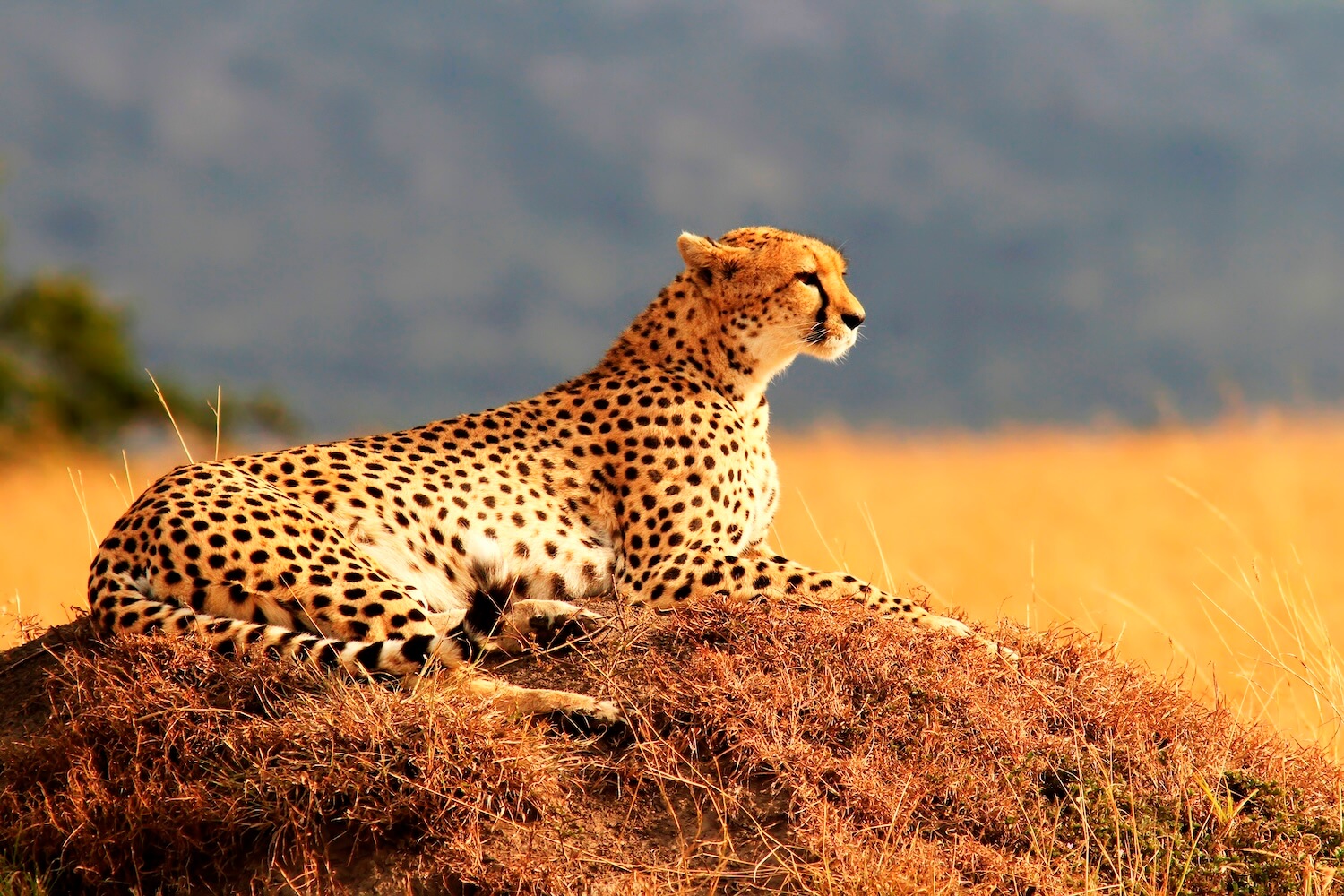
Unlike lions, leopards, and jaguars, cheetahs are relatively small and lightly built, weighing between 75-140 pounds. They have small heads, high-set eyes for scanning the savanna, and those famous black "tear marks" running from their eyes to their mouths. These marks aren't just for looks - they help reduce sun glare while hunting, working like the black strips athletes wear under their eyes.
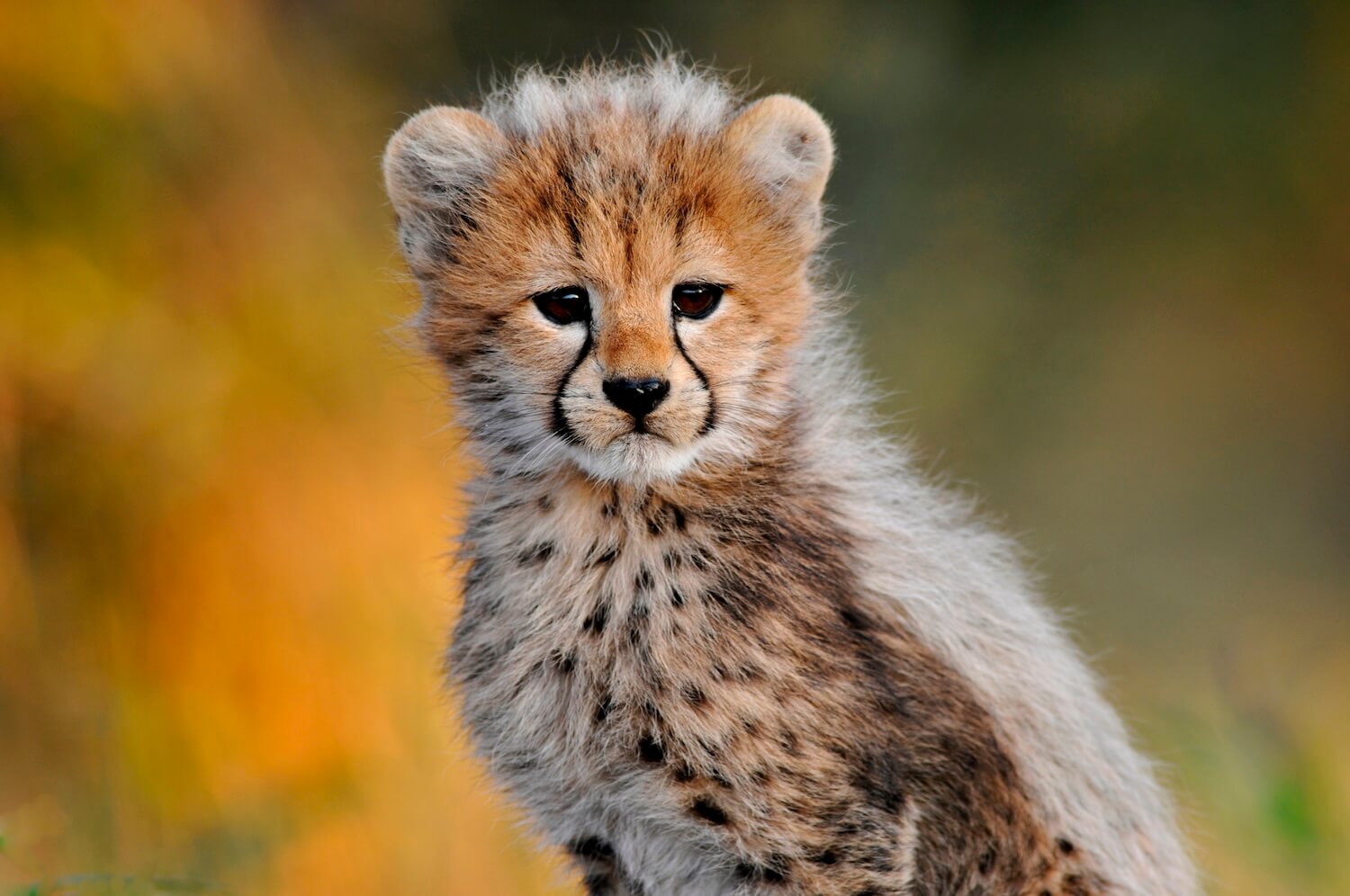
Cheetahs live primarily in the grasslands and savannas of Africa, with a small population in Iran. They're mostly solitary animals, though brothers often stay together in small groups called coalitions. Female cheetahs raise their cubs alone, teaching them hunting skills over 18 months before the young cheetahs venture out on their own. Sadly, cheetahs are vulnerable to extinction, with only about 7,000 left in the wild due to habitat loss and conflict with humans.
.webp)
.jpeg)
.jpeg)
.jpeg)



.jpeg)


.jpeg)
.jpg)
.jpeg)
.jpg)
.jpeg)


.jpg)
.jpg)


.jpg)
.jpg)
.jpg)

.jpeg)
.jpg)
.jpg)
.jpg)
.jpg)

