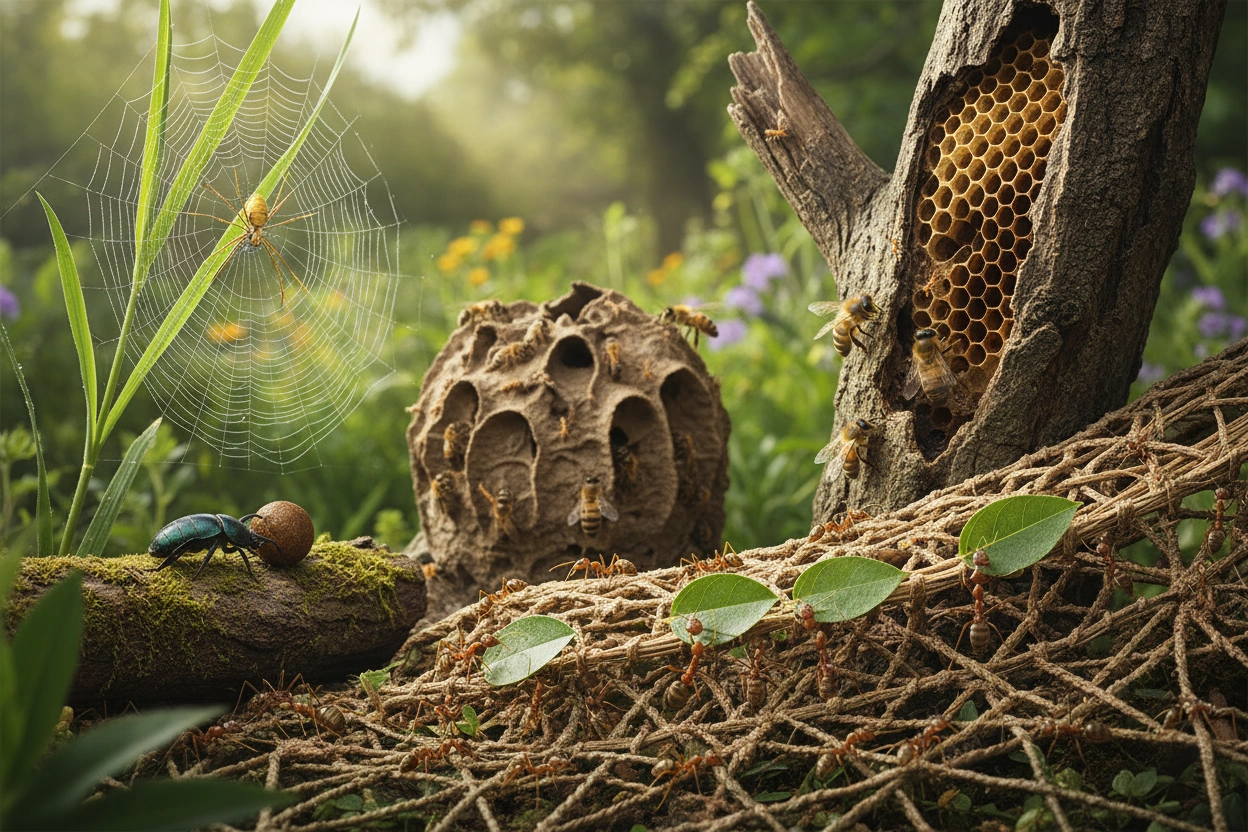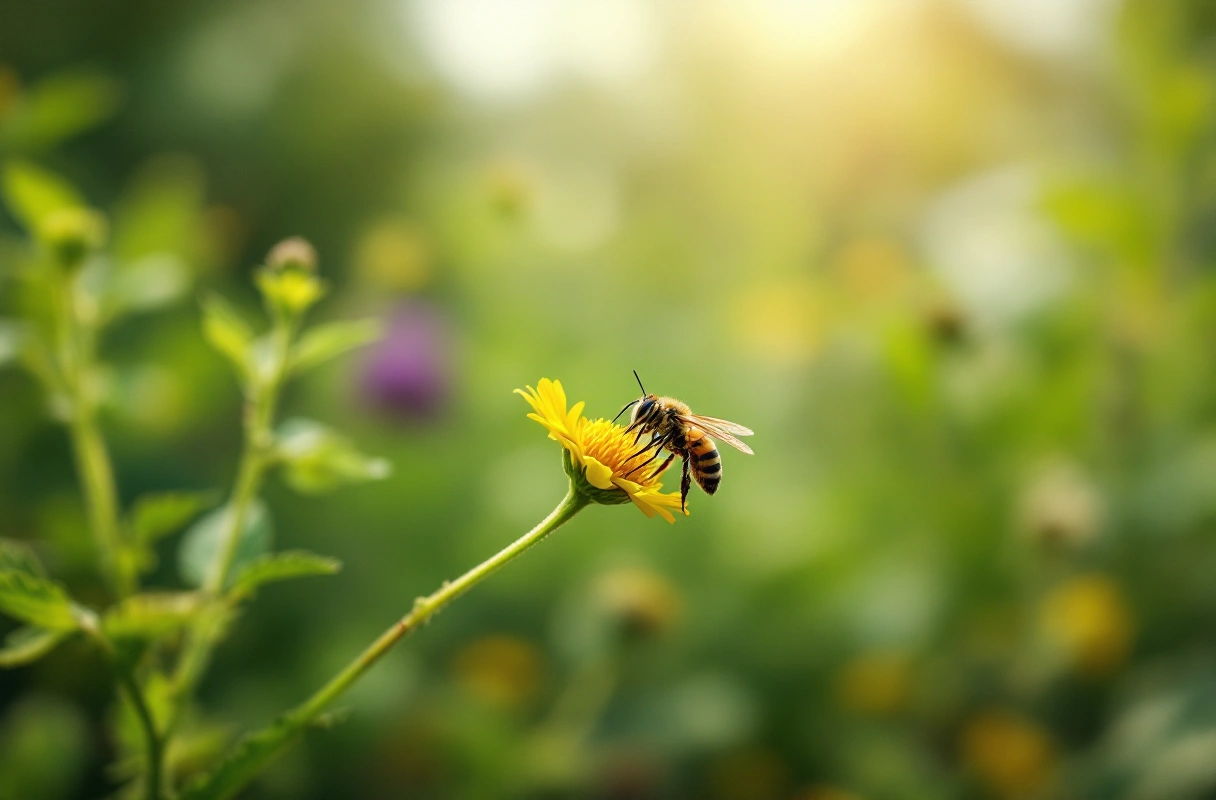
Creating a thriving backyard garden requires a combination of the right plants, soil, and care. However, one of the most crucial yet often overlooked components is the presence of pollinator insects. These small creatures play a pivotal role in the ecosystem, particularly in the gardening world, where they help facilitate plant reproduction. Insects are not merely pests; they are vital allies in the quest for a bountiful garden. This article will delve into the significance of pollinator insects and provide a comprehensive guide on how to attract and sustain them in your garden.
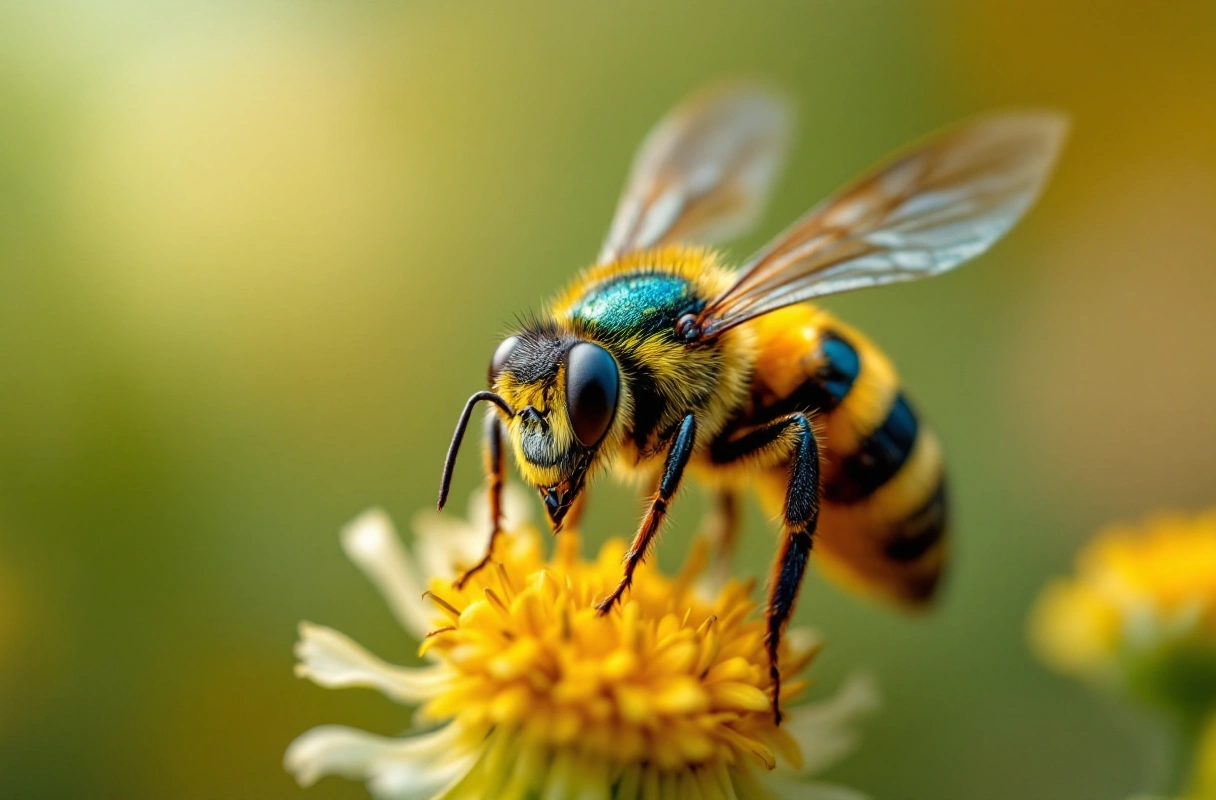
Pollinator insects, such as bees, butterflies, and moths, are essential for the reproduction of many flowering plants. They transfer pollen from the male parts of a flower to the female parts, which leads to fertilization and the production of seeds and fruits. It is estimated that approximately 75% of the world's flowering plants and about 35% of global food crops depend on animal pollinators. This dependence highlights the critical role these insects play in food production and biodiversity.
Pollinator insects not only enhance the yield of fruits and vegetables but also contribute to the overall health of garden ecosystems. They support the growth of plants that provide habitat and food for other wildlife, creating a balanced environment. For gardeners, understanding the role of these insects can lead to better gardening practices and increased crop productivity.
Bees: The most effective pollinators, bees are responsible for pollinating a significant portion of the crops we consume. Honeybees and native bees, such as bumblebees and mason bees, are particularly important.
Butterflies: Known for their beauty, butterflies also play a crucial role in pollination. They are attracted to brightly colored flowers and help in the fertilization of various plants.
Moths: Often overlooked, moths are nighttime pollinators that contribute to the pollination of evening-blooming flowers.
Beetles: These insects are among the oldest pollinators and are particularly important for certain types of flowers.
Flies: While often considered pests, many fly species are also effective pollinators, especially for plants that produce strong odors.
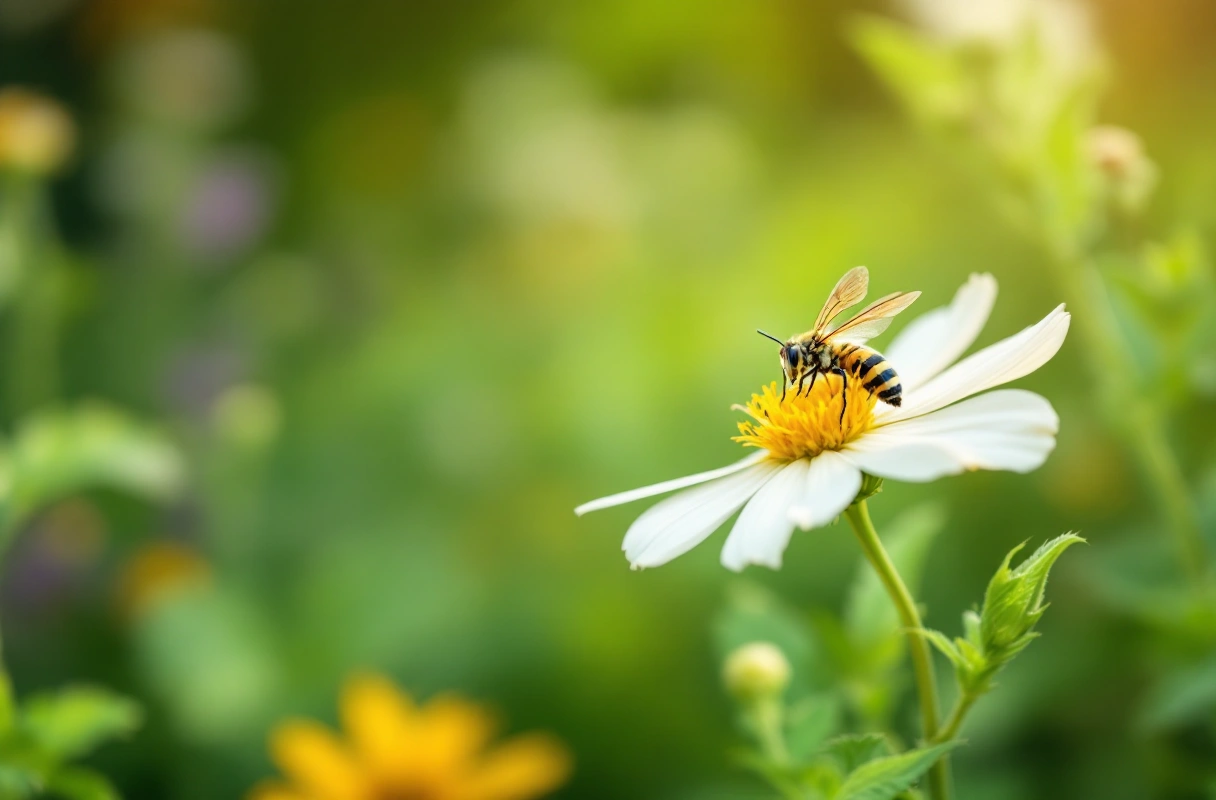
Creating an inviting environment for pollinator insects involves thoughtful planning and execution. Here are several strategies to attract these beneficial creatures to your backyard garden:
Pollinators are attracted to a variety of flowers, so planting a diverse range is key. Aim for:
In addition to food, pollinators need safe places to rest and nest. Consider the following:
Pesticides can be harmful to pollinator insects. To create a safe environment:
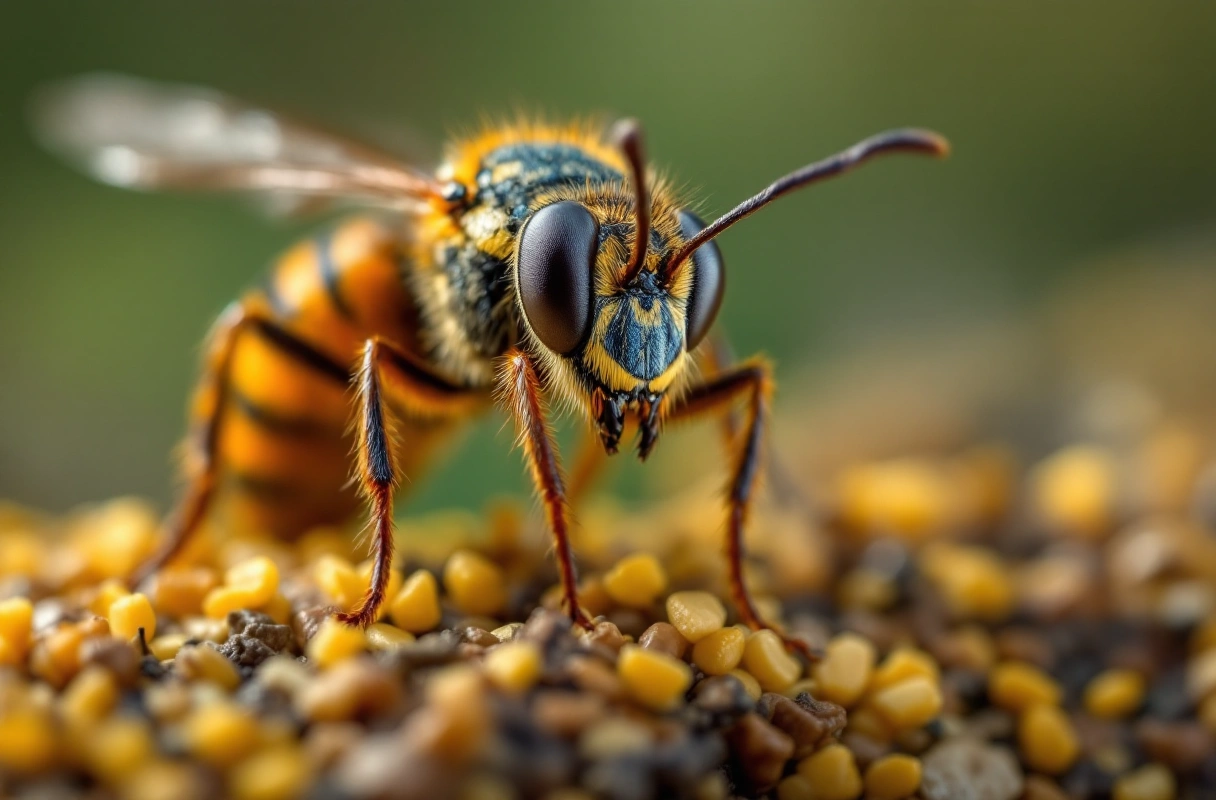
Insects can serve as an excellent food source for various wildlife in your garden, including birds and other beneficial organisms. Understanding the role of insects as food sources can enhance your garden's ecosystem.
Nutrient-Rich: Insects are high in protein and other essential nutrients, making them a valuable food source for birds and other animals.
Biodiversity: A diverse range of insects supports a healthy food web, which is critical for maintaining ecological balance.
Natural Pest Control: Some predatory insects help control pest populations naturally, reducing the need for chemical interventions.
To support the role of insects as food sources, consider implementing these strategies:
When managing insects in your garden, be mindful of these common pitfalls:
Implementing a few key strategies can transform your backyard into a haven for pollinator insects. Here are essential steps to create a pollinator-friendly environment:
Choose the Right Plants: Research local native plants that attract pollinators and incorporate them into your garden design.
Design for Diversity: Create clusters of flowers in groups rather than scattering them throughout the garden. This helps attract pollinators more effectively.
Provide Water Sources: Create shallow water features or provide small dishes filled with stones and water to offer drinking sources for insects.
Educate and Engage: Share your knowledge about pollinators with friends and family. Consider hosting workshops or gardening clubs to promote awareness and engagement.
Monitor and Adapt: Regularly observe the insect activity in your garden and adapt your practices accordingly. Keep track of which plants attract the most pollinators and adjust your planting strategy over time.
Creating a supportive environment for pollinator insects goes beyond individual gardens. Community efforts can significantly enhance the effectiveness of these practices.
Advocacy plays a crucial role in protecting pollinator habitats. Support initiatives aimed at:
Understanding the relationship between pollinator insects and sustainable gardening practices is essential for fostering a healthy ecosystem. By adopting sustainable practices, gardeners can create environments that support not only pollinators but also a diverse range of wildlife.
By recognizing the vital role of pollinator insects, gardeners can take actionable steps to create environments that support these essential creatures. Not only will this lead to healthier gardens, but it will also contribute to broader ecological health.
As you embark on your journey to create a pollinator-friendly garden, consider joining the Banana Slug Club. This organization is dedicated to promoting sustainable gardening practices and educating the community about the importance of insects and biodiversity. By engaging with the Banana Slug Club, you can access valuable resources, participate in community initiatives, and connect with like-minded individuals who share your passion for gardening and conservation.
To learn all about Insects in your garden, visit Banana Slug Club for expert insights and community engagement opportunities. The journey to a flourishing garden begins with understanding the critical role of insects—let's embrace it together.
Get free resources, early access to new features and updates.
No spam. Just fun educational emails!


.svg)
.svg)