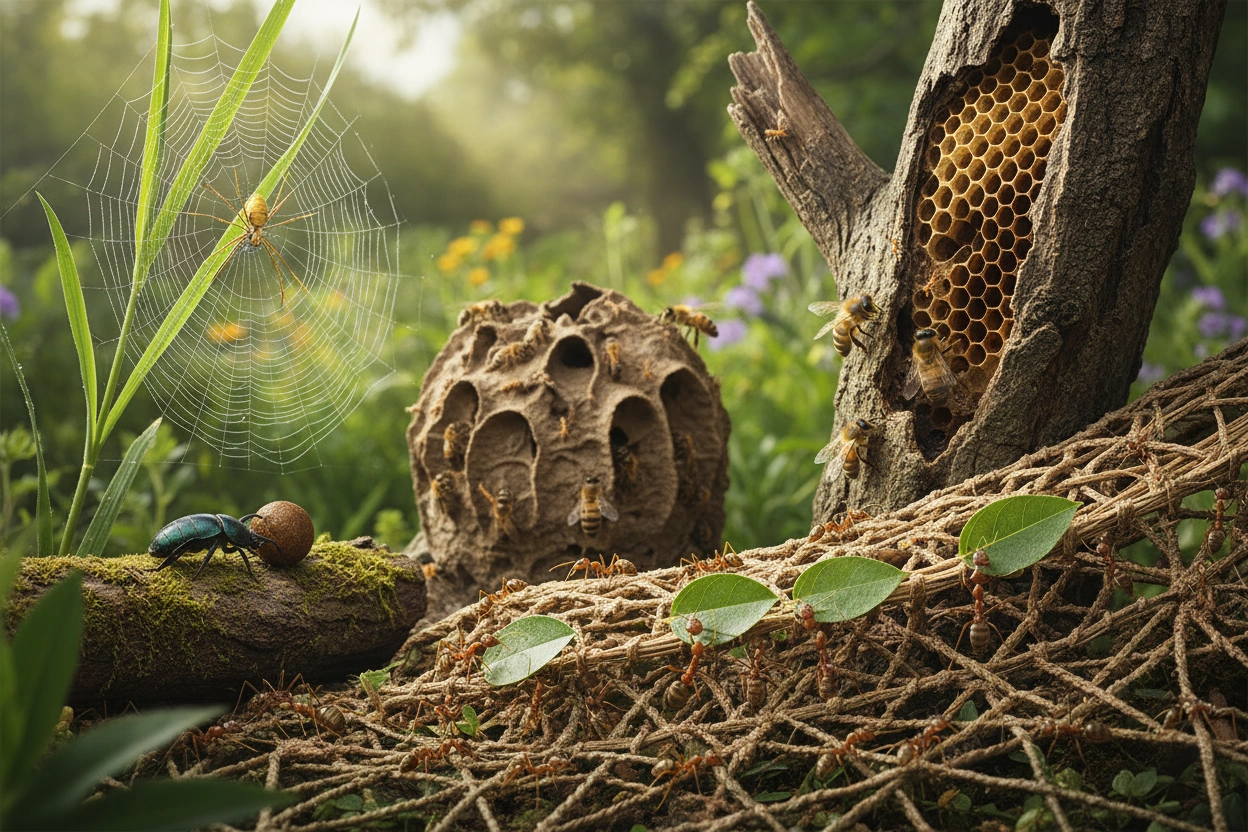
Insects have played an integral role in various cultural traditions around the world, often symbolizing deeper meanings and serving practical purposes. From ancient civilizations to modern societies, the presence of insects in folklore, art, and daily life reveals much about human perspectives on nature. This article explores these fascinating cultural narratives while also delving into the intricate behaviors of insects, shedding light on what makes them tick.
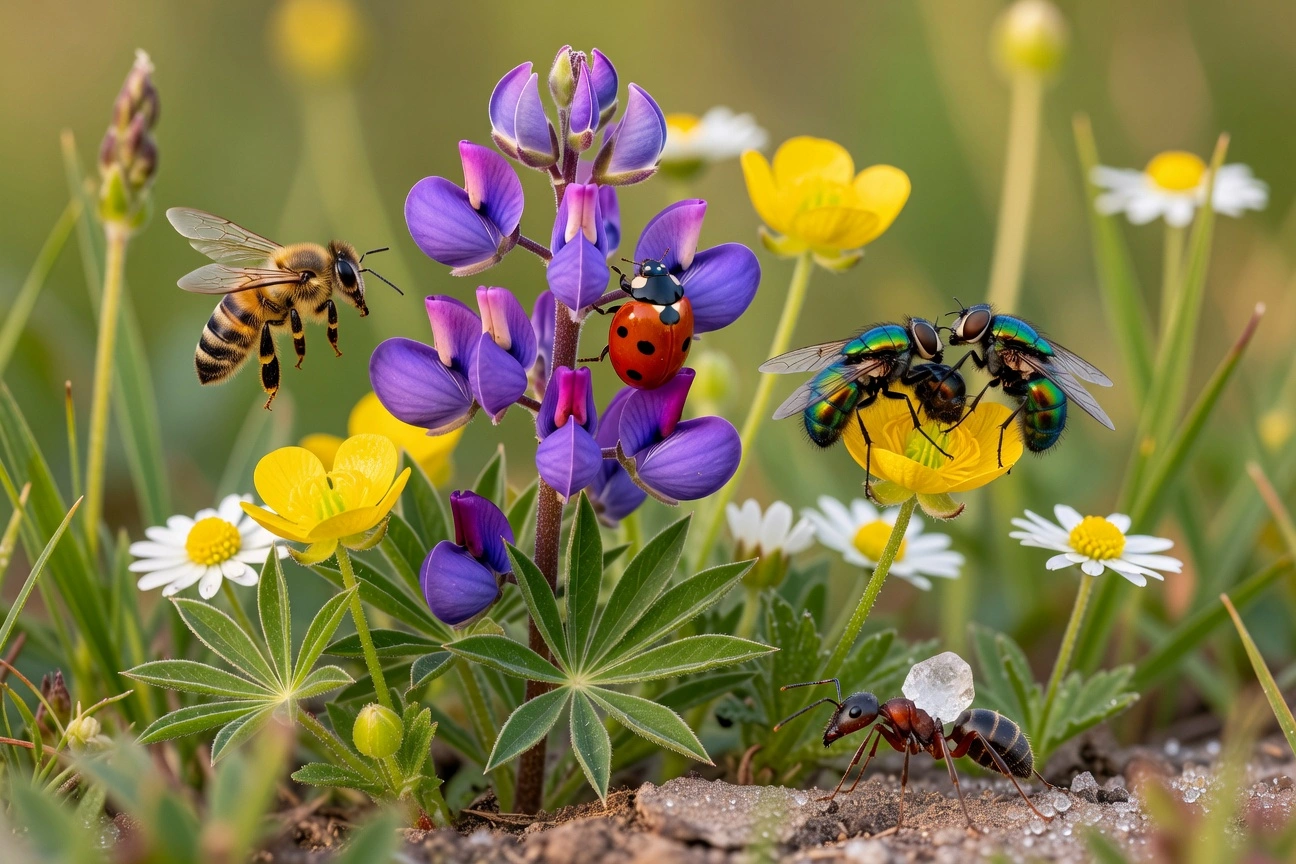
Insects are among the most diverse and adaptable creatures on the planet. Their behavior patterns are not just a matter of survival; they reflect complex social structures, communication methods, and environmental adaptations. By understanding these behaviors, we can appreciate the profound connection between insects and the cultures that honor them.
Many insects, particularly social species like ants, bees, and termites, exhibit highly organized social structures. These creatures operate within colonies that function almost like superorganisms, where individual roles are defined by the needs of the group.
Division of Labor: In ant colonies, for example, there are distinct roles such as workers, soldiers, and queens. Each role is crucial for the colony's survival and success. This division of labor can be likened to human societal structures where specialization leads to efficiency and productivity.
Communication Methods: Insects like honeybees use sophisticated communication methods such as the "waggle dance" to inform fellow bees about the location of food sources. This behavior showcases a form of intelligence that transcends simple instinctual actions, revealing a level of cognitive function that many might underestimate.
Insects have developed remarkable adaptations to thrive in various environments, showcasing their resilience and ingenuity.
Camouflage and Mimicry: Many insects, such as stick insects or the famous stick bug, use camouflage to blend into their surroundings, evading predators. This ability to adapt visually is a testament to evolutionary processes and survival instincts.
Behavioral Adaptations: Certain species, like the Bombardier beetle, exhibit unique defensive behaviors. They can eject a hot chemical spray to deter predators, demonstrating not only physical adaptations but also strategic responses to threats.
Understanding these behaviors offers a deeper appreciation of insects beyond their roles in ecosystems; it allows us to see them as intricate components of cultural narratives and human experiences.
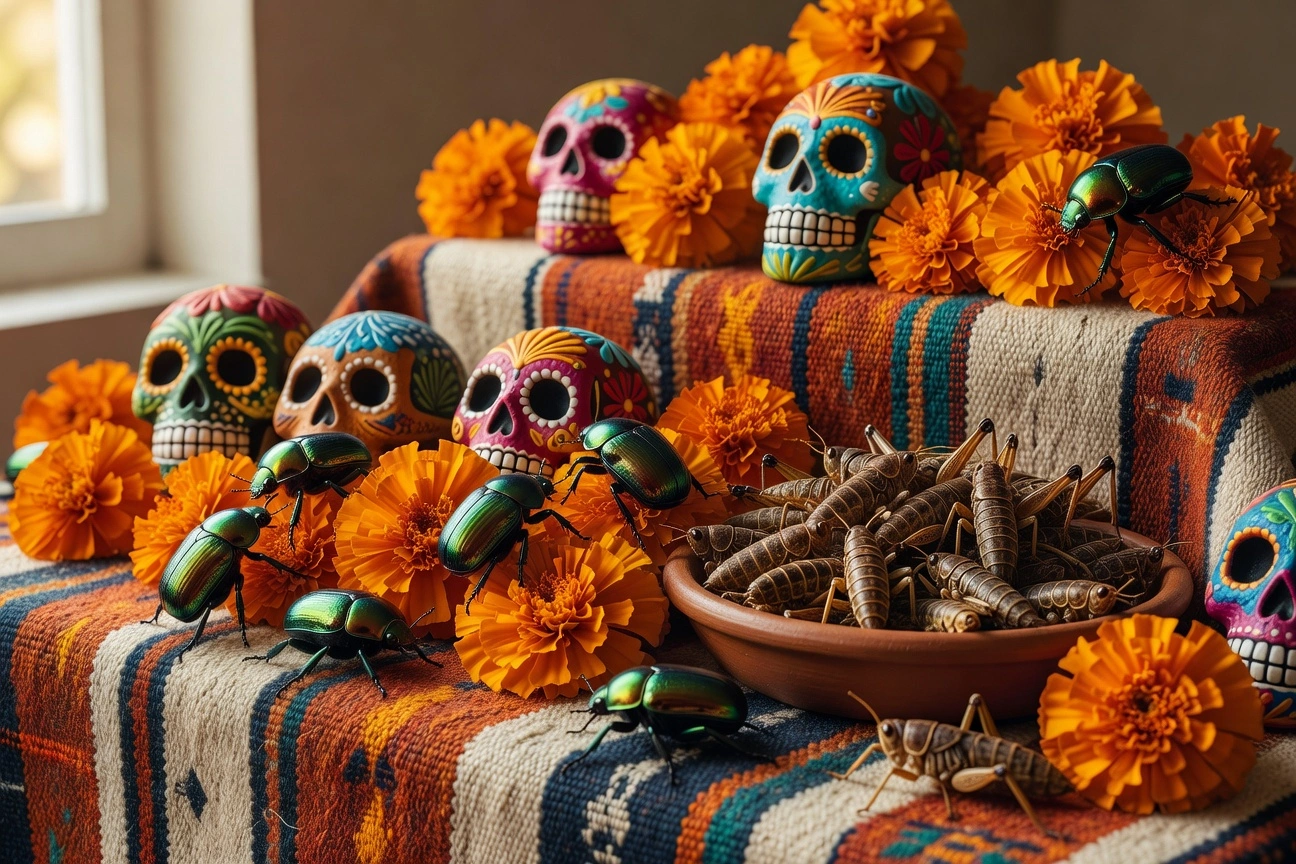
Insects have long been featured in cultural stories, art, and rituals across the globe. Their symbolism often carries profound meanings, reflecting humanity's relationship with nature.
In various cultures, insects symbolize different virtues and lessons.
Butterflies: Often seen as symbols of transformation and rebirth, butterflies hold significant meaning in many cultures. For instance, in Japanese culture, butterflies symbolize the souls of the deceased, representing a bridge between life and the afterlife.
Beetles: In ancient Egypt, scarab beetles were revered and associated with the sun god Ra. The scarab symbolized regeneration and protection, and they were often used in amulets to ward off evil.
Insects have also inspired countless works of art and literature throughout history.
Literary References: In Franz Kafka's "The Metamorphosis," the protagonist transforms into a monstrous vermin, highlighting themes of alienation and identity. This use of an insect as a central figure prompts readers to reflect on societal perceptions of the "other" and the human condition.
Artistic Representations: In various cultures, insects are depicted in traditional artwork, from Japanese prints featuring dragonflies to Mexican folk art showcasing vibrant butterflies. These representations often celebrate the beauty and diversity of insects, embedding them within cultural identity.
Insects have practical roles in many traditional practices, from culinary uses to medicinal applications.
Culinary Traditions: Insects are a source of nutrition in many cultures. For example, in Thailand, fried crickets and mealworms are considered delicacies, providing a sustainable protein source. This practice highlights the potential of insects as a viable food source in addressing global hunger and environmental issues.
Medicinal Uses: In some cultures, insects are used in traditional medicine. For instance, in Chinese medicine, certain beetles are believed to have healing properties and are incorporated into remedies for various ailments.
Despite their prevalence in cultural narratives, there are several misconceptions about insects that can lead to misunderstanding and fear.
One of the most common misconceptions is viewing all insects as pests. While certain species can cause damage to crops or homes, many insects are beneficial for ecosystems.
Pollinators: Bees and butterflies play critical roles in pollination, essential for food production and biodiversity. Without these insects, many plants would struggle to reproduce, highlighting their importance in agricultural systems.
Natural Pest Control: Predatory insects, such as ladybugs, help control pest populations naturally, reducing the need for chemical pesticides. This symbiotic relationship illustrates how insects contribute positively to our environments.
Fear of insects, known as entomophobia, is prevalent in many societies.
Cultural Conditioning: This fear is often rooted in cultural conditioning and media portrayals that emphasize the harmful aspects of insects while neglecting their positive contributions. Educating individuals about the ecological roles of insects can help mitigate these fears.
Encouraging Curiosity: Promoting curiosity about insects can foster appreciation rather than fear. Engaging with insects through educational programs or community gardens can help reshape perceptions and encourage a more balanced view.
Understanding the cultural significance and behaviors of insects can lead to more informed decisions about how we interact with them. Here are some actionable insights to embrace the presence of insects in our lives.
Read Books and Articles: Familiarize yourself with literature that explores the role of insects in culture and ecology. This knowledge can help dispel myths and foster a deeper appreciation.
Attend Workshops: Participate in local workshops or community events focused on entomology or sustainable practices. Engaging with experts can provide valuable insights into the benefits of insects.
Promote Pollinator Gardens: Create a pollinator-friendly garden at home or support community initiatives that encourage biodiversity. This action not only helps insects thrive but also contributes to the overall health of the environment.
Advocate for Sustainable Eating: Explore edible insects as a sustainable protein source. Supporting local businesses that promote insect-based foods can help shift cultural perceptions about these creatures.
Nature Walks: Take time to observe insects in their natural habitats. This can be an educational experience, allowing you to witness their behaviors and interactions firsthand.
Join Entomology Clubs: Consider joining local entomology clubs or societies. Connecting with like-minded individuals can enhance your understanding and appreciation of insects.
Insects are more than mere creatures; they are woven into the fabric of cultural traditions and ecological systems. By exploring their behaviors and understanding their significance, we can cultivate a more respectful relationship with these remarkable organisms.
Banana Slug Club invites you to dive deeper into the world of insects, where their surprising stories and roles in culture come to life. Whether you are looking to educate yourself, participate in sustainable practices, or simply appreciate the beauty of nature, there is a place for you in this journey. Visit Banana Slug Club to learn more about how you can engage with your environment and foster a deeper understanding of the incredible world of insects.
Get free resources, early access to new features and updates.
No spam. Just fun educational emails!


.svg)
.svg)