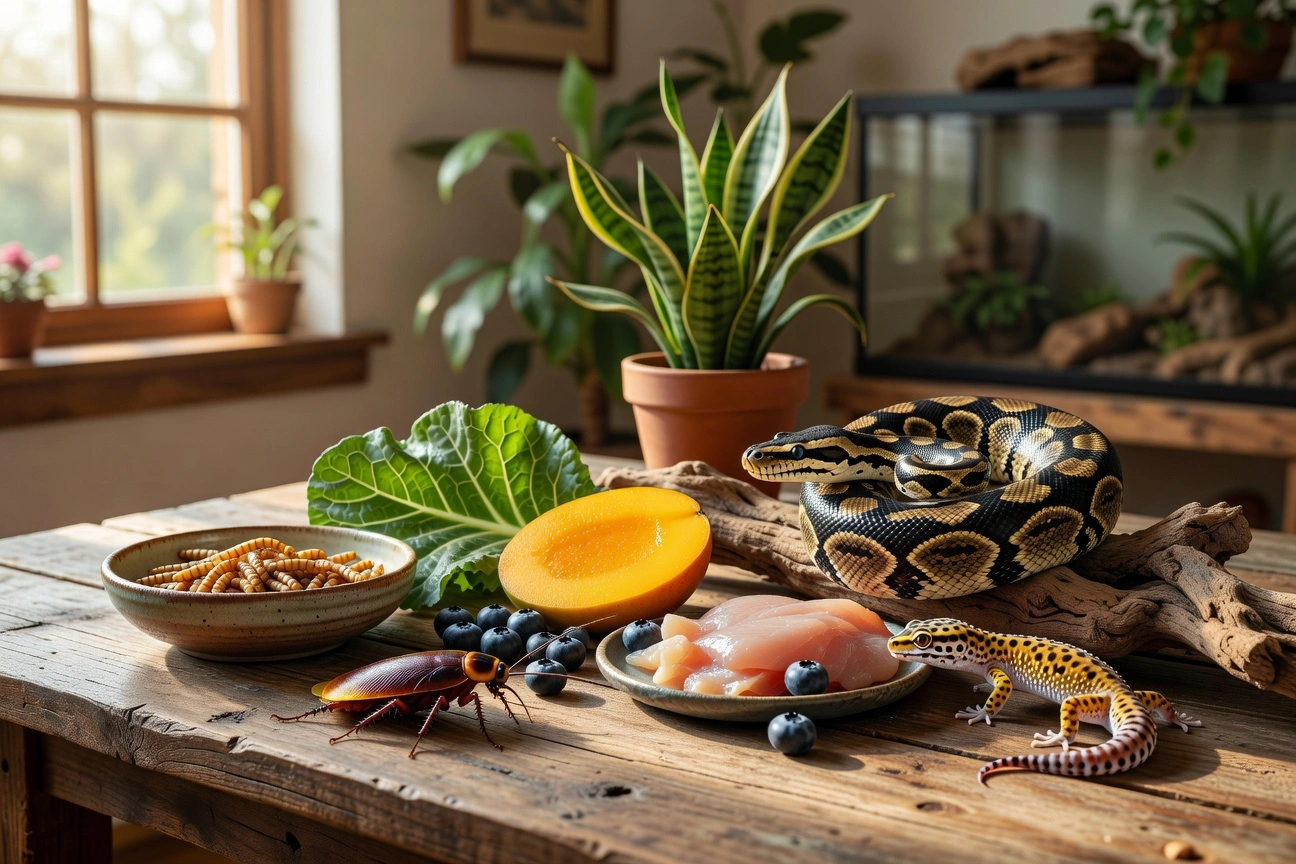
Caring for reptiles goes beyond just providing a suitable habitat; a critical component of their well-being is understanding their dietary needs. Reptiles, being ectothermic creatures, have unique nutritional requirements that vary widely among species. From herbivorous iguanas to carnivorous snakes, each type demands specific dietary considerations to thrive. In this article, we will delve into the essentials of reptile diets, addressing what to feed your reptiles, common misconceptions, and the impact of dietary choices on their health and longevity.

Reptiles are a diverse group of animals that include snakes, lizards, turtles, and tortoises. Their diets can generally be categorized into three primary types: herbivorous, carnivorous, and omnivorous. Understanding these dietary classifications is the first step in providing appropriate nutrition for your reptile companion.
Herbivorous reptiles primarily consume plant-based diets. Common examples include iguanas and tortoises. The nutritional requirements of these reptiles are significantly different from their carnivorous counterparts.
Key Nutritional Needs:
Feeding Tips:
Carnivorous reptiles, such as snakes and some lizards, primarily feed on other animals. Their diets are rich in protein and require careful consideration to ensure they receive the right nutrients.
Key Nutritional Needs:
Feeding Tips:
Omnivorous reptiles, like many species of lizards, consume both plant and animal matter. Their diets are versatile, but it is essential to maintain a balance between the two food sources.
Key Nutritional Needs:
Feeding Tips:
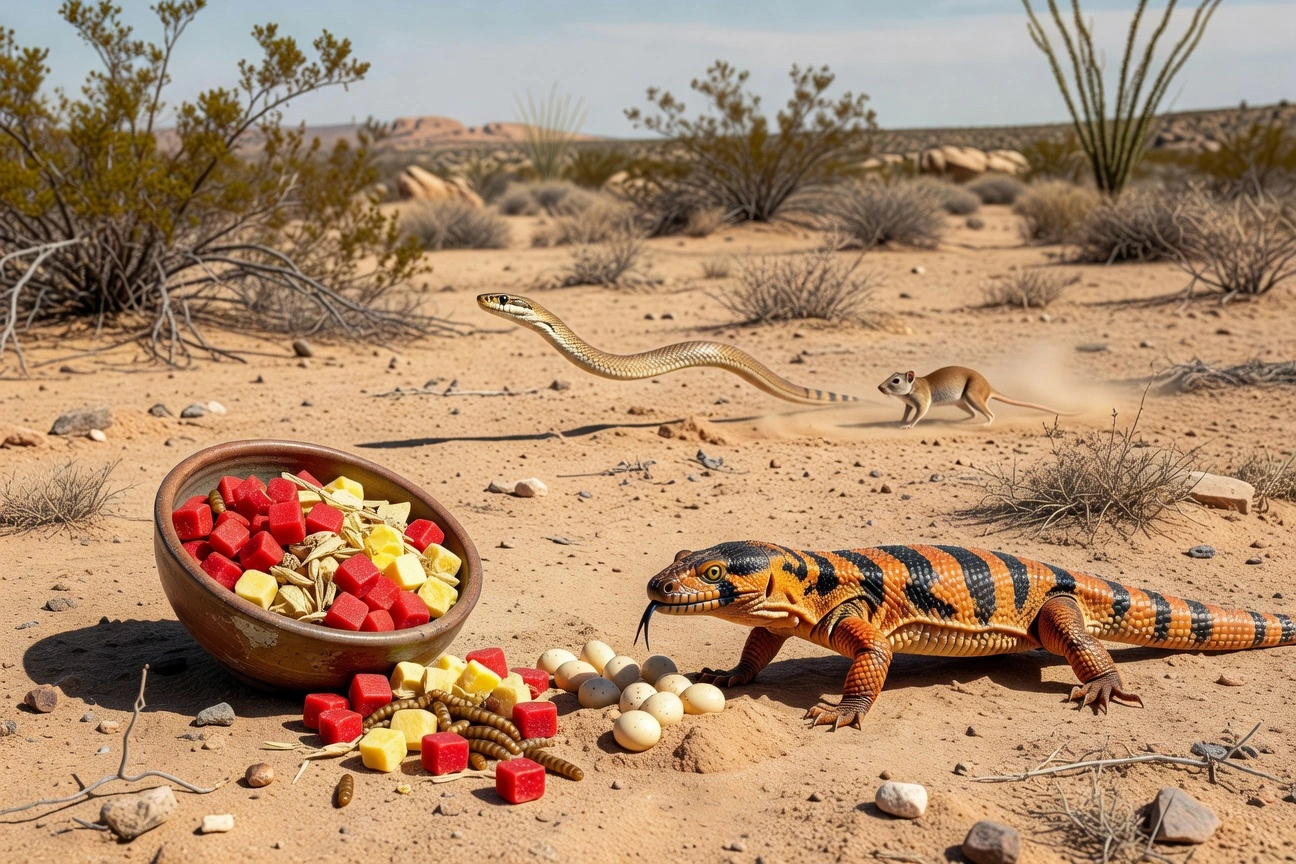
Understanding reptile diets can be complicated, and several misconceptions can lead to poor feeding practices. Clearing up these misunderstandings is essential for any reptile owner.
One of the most prevalent myths is that all reptiles have similar dietary needs. This is far from the truth. Different species have evolved to thrive on specific diets that reflect their natural habitats and behaviors. Color changing reptiles are a prime example of this diversity.
While many reptiles enjoy hunting live prey, it is not the only option available. Prepared diets, frozen prey, and commercially available reptile food can provide balanced nutrition without the risks associated with live feeding.
Many reptile owners underestimate the importance of dietary supplements. Depending on the species, calcium and vitamin D3 supplementation may be essential to prevent health issues. Regularly consulting with a veterinarian can help ensure that your reptile's diet is complete.

Hydration is often overlooked in reptile care, but it is just as crucial as diet. Reptiles can dehydrate quickly, which can lead to severe health issues.
Determining how often to feed your reptile and how much to offer can be challenging. This varies significantly among species, age, and health.
Regularly assess your reptile's health and adjust feeding routines as necessary. Signs of underfeeding include weight loss and lethargy, while overfeeding can lead to obesity and health issues.
Many reptile species face threats from habitat destruction, climate change, and illegal trade. Understanding their dietary needs can play a role in conservation efforts.
Regular veterinary check-ups are essential for monitoring your reptile's health and dietary needs. Veterinarians specializing in reptiles can offer tailored dietary advice and address any health concerns related to nutrition.
The market offers a variety of commercial reptile foods, including pellets and freeze-dried options. While these can be convenient, it is essential to choose high-quality products.
Understanding and implementing proper reptile diets is a crucial part of responsible ownership. Engaging with communities, such as the Banana Slug Club, can provide additional resources and support for reptile enthusiasts.
As you dive deeper into the world of reptiles, remember that their dietary needs are not just about feeding them; it's about understanding their biology and ensuring their health and longevity. The more informed you are, the better you can care for your scaly companions.
For additional insights and to stay connected with fellow reptile enthusiasts, visit the Banana Slug Club. Whether you are a seasoned owner or just starting your journey, the Banana Slug Club provides valuable resources and a supportive community to help you navigate the complexities of reptile care. Contact Banana Slug Club for more information and to become part of a passionate community dedicated to reptile welfare and conservation.
Get free resources, early access to new features and updates.
No spam. Just fun educational emails!


.svg)
.svg)