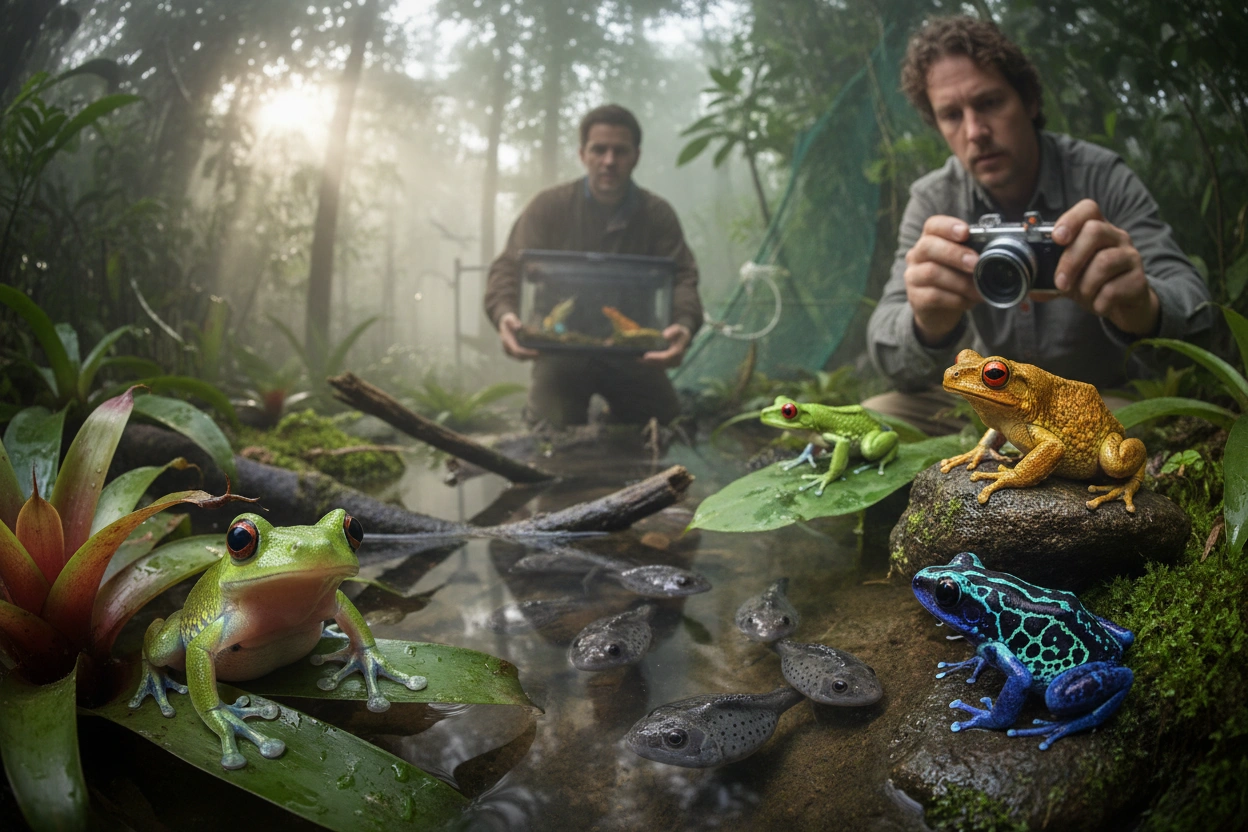
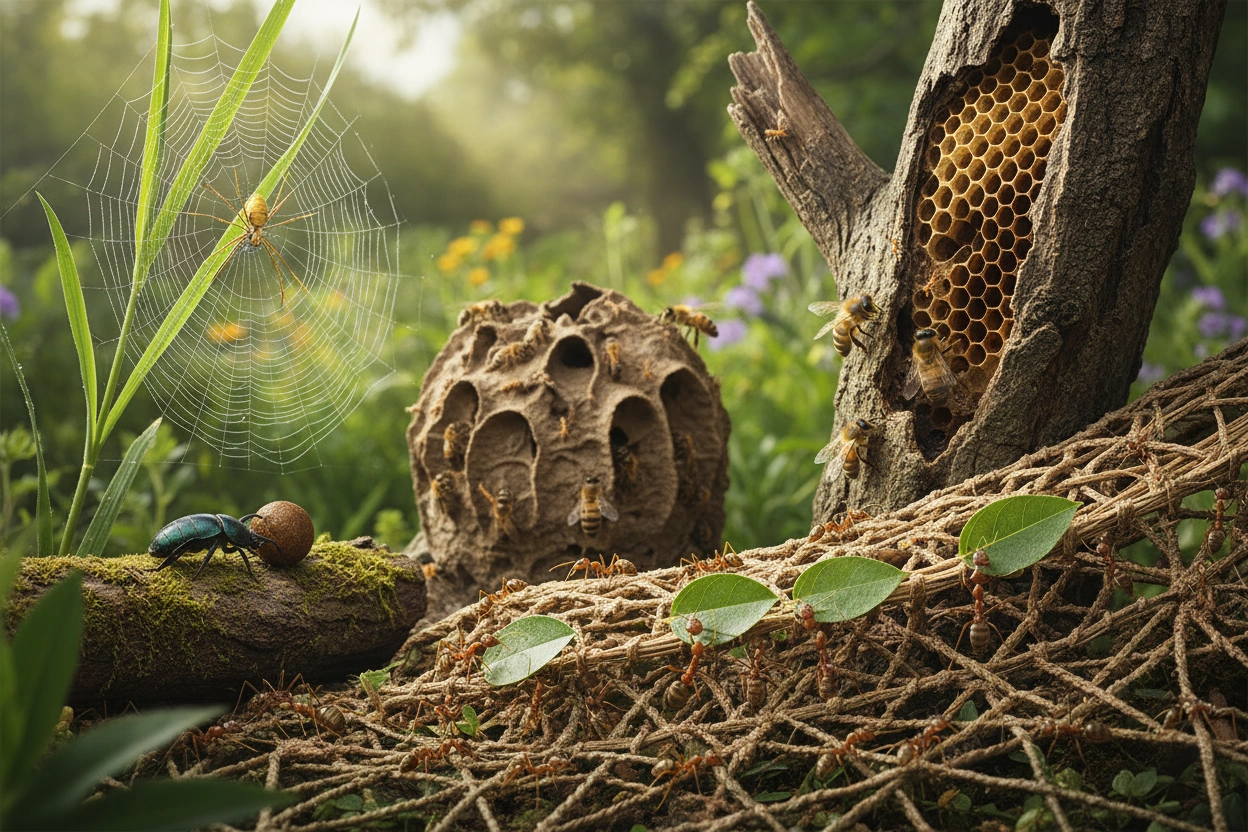
Insects are among the most diverse and abundant creatures on our planet, making up approximately 80% of all described animal species. As of 2026, they play critical roles in various ecosystems, from pollination to decomposition. For nature lovers and enthusiasts, understanding insect biodiversity is not only fascinating but also crucial for the conservation of these vital species. In this comprehensive guide, we will explore the intricacies of insect biodiversity, provide insights into insect species identification, and highlight the top ten most fascinating insect species that exemplify the incredible variety within this class of animals.
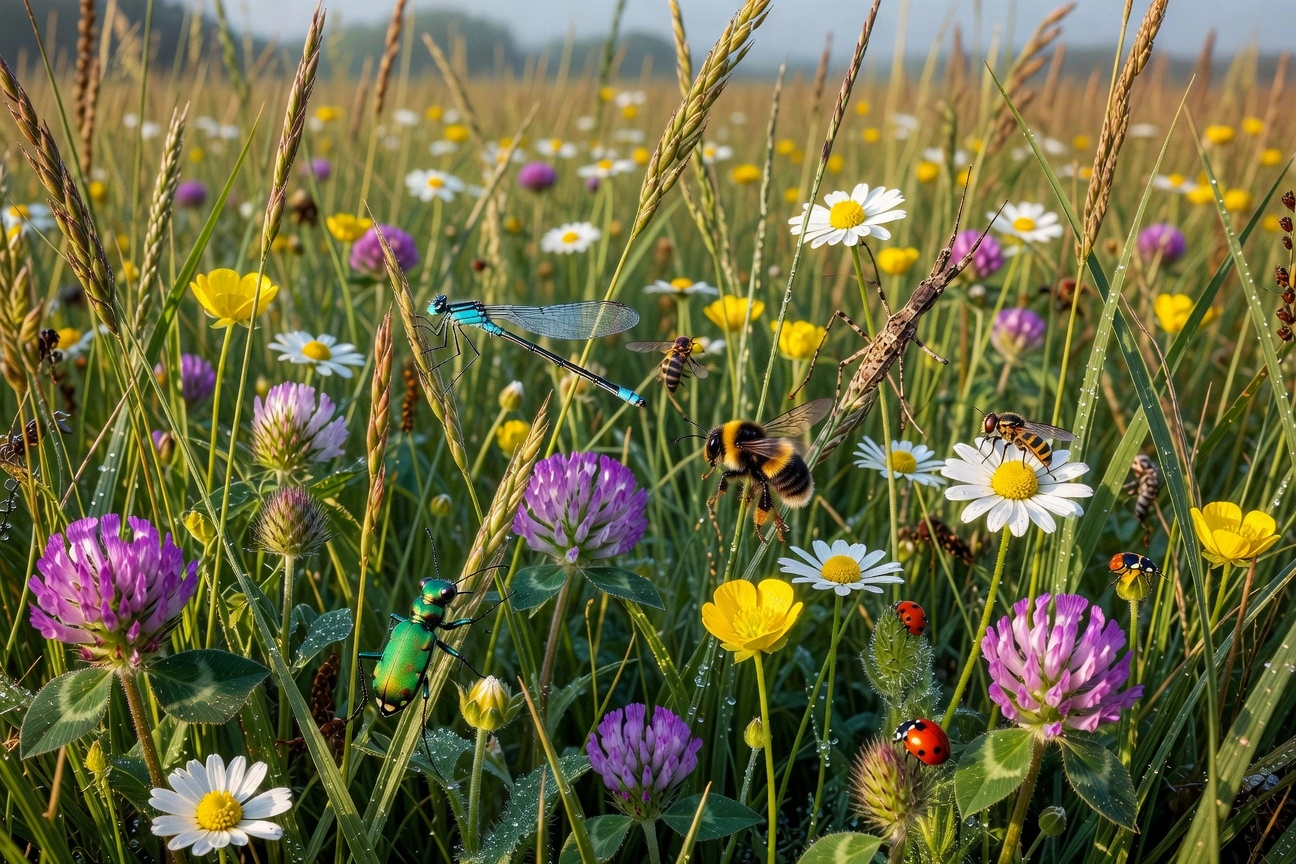
Insect biodiversity refers to the variety of insect species and their ecological roles within different habitats. This diversity is vital for ecosystem stability, resilience, and functionality. Insects have adapted to live in almost every environment on Earth, from the depths of the ocean to the highest mountains. Their adaptability allows them to thrive in various climatic conditions, contributing significantly to ecological processes such as nutrient cycling and food web dynamics.
Insects perform several essential functions in ecosystems, including:
Understanding the roles insects play in ecosystems helps highlight the importance of conserving their habitats and protecting them from threats such as climate change and habitat loss.
Despite their significance, many misconceptions about insects persist. Some common misunderstandings include:
By debunking these myths, we can foster a greater appreciation for insects and their contributions to the environment.
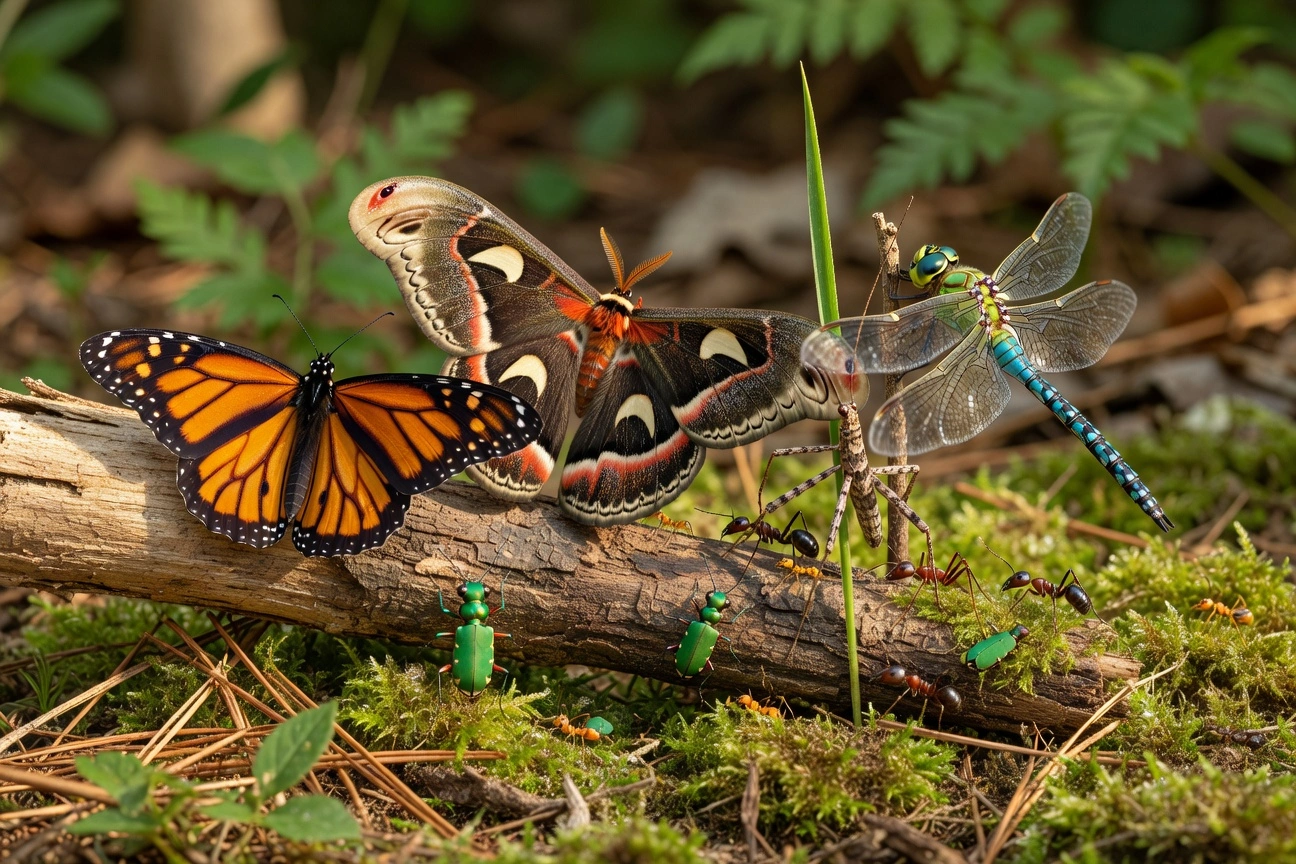
Identifying insect species is a rewarding yet complex task, given the vast diversity of insects. Here are some essential strategies for effective insect identification:
To identify insects accurately, consider the following features:
Utilizing the right tools can enhance your ability to identify insects. Consider using:
Many beginners make common mistakes when identifying insects. To improve accuracy:
By employing these strategies and tools, you can enhance your skills in insect species identification and deepen your understanding of the biodiversity around you.

The world of insects is filled with incredible species that showcase unique adaptations and behaviors. Here are ten of the most fascinating insect species that every nature lover should know about:
The Monarch Butterfly is renowned for its remarkable migration journey. Each year, millions travel from North America to central Mexico, covering thousands of miles. This migration is not only a natural wonder but also a crucial aspect of the species' life cycle.
The Bombardier Beetle is famous for its unique defense mechanism. It can eject a boiling chemical spray from its abdomen, deterring predators. This fascinating adaptation highlights the remarkable evolutionary strategies insects have developed for survival.
Leafcutter ants are known for their impressive ability to cultivate fungus. They cut leaves and transport them back to their nests, where they use them to grow a specific type of fungus that serves as their primary food source. This symbiotic relationship showcases the complexity of insect societies.
One of the largest insects in the world, the Goliath Beetle can weigh up to 3.5 ounces and measure up to 4.3 inches in length. Found in Africa, these beetles exhibit striking coloration and are a popular subject of study for entomologists.
The Orchid Mantis is a master of disguise, resembling an orchid flower. This adaptation allows it to ambush unsuspecting prey, making it an exceptional predator in its environment.
The Hercules Beetle is known for its impressive size and strength. Males can lift objects over 850 times their own weight, making them one of the strongest insects on Earth.
Fireflies are famous for their bioluminescence, which they use for communication and mating. The enchanting glow of fireflies on a summer evening captivates nature lovers and scientists alike.
These insects are masters of camouflage, resembling twigs or branches to evade predators. Their ability to blend into their surroundings is a remarkable evolutionary adaptation.
Dragonflies are exceptional aerial hunters, capable of flying at speeds up to 35 miles per hour. Their unique wing structure allows them to hover, dart, and even fly backward, making them fascinating subjects for observation.
The Silk Moth is known for its role in silk production. The larvae, or caterpillars, spin silk cocoons that are harvested for textile production, demonstrating the intersection of nature and human industry.
These ten species exemplify the incredible diversity and adaptability of insects, inspiring nature lovers to learn more about the ecological roles these creatures play.
As human activities continue to impact ecosystems globally, the conservation of insect biodiversity has become increasingly critical. Here are some key areas where conservation efforts can make a difference:
Preserving natural habitats is essential for maintaining insect populations. Strategies include:
Encouraging sustainable agricultural practices can significantly benefit insect biodiversity. Consider:
Raising awareness about the importance of insects can foster a culture of conservation. Initiatives may include:
By implementing these conservation strategies, we can help protect insect biodiversity for future generations.
As we have explored throughout this guide, insects are not only fascinating creatures but also vital components of our ecosystems. Engaging with communities through initiatives that promote insect biodiversity can foster appreciation and conservation efforts. Organizations like the Banana Slug Club play a crucial role in educating the public and providing resources to connect nature lovers with the wonders of the insect world.
In your journey to learn more about insects, consider getting involved with local conservation efforts or educational programs. By participating in community activities, you can contribute to the preservation of these incredible species while deepening your understanding of their importance. For those eager to dive deeper into the world of insects, we invite you to connect with Banana Slug Club. Visit Banana Slug Club to explore resources, join community events, and learn how you can make a difference in preserving insect biodiversity. Together, we can cultivate a greater appreciation for the remarkable world of insects and ensure their continued existence for generations to come.
Get free resources, early access to new features and updates.
No spam. Just fun educational emails!


.svg)
.svg)