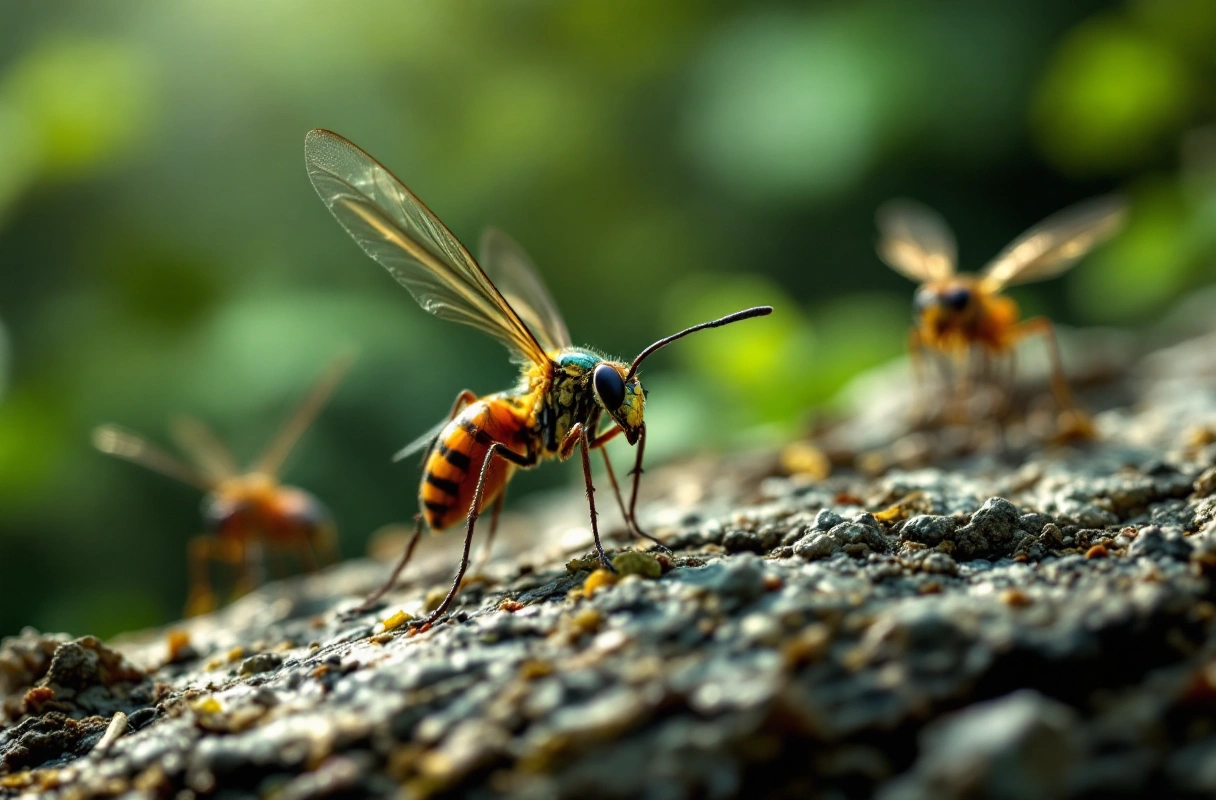
Insects, often overlooked in the grand tapestry of biodiversity, play a crucial role in maintaining ecological balance. As of 2025, the decline of insect populations worldwide has raised alarms among scientists, conservationists, and the general public alike. Understanding the importance of insects is vital not only for the health of our ecosystems but also for human survival. This article will explore the significance of insect conservation efforts, delve into the fascinating world of insect species identification, and highlight the top ten most intriguing insect species that underscore the need for their protection.
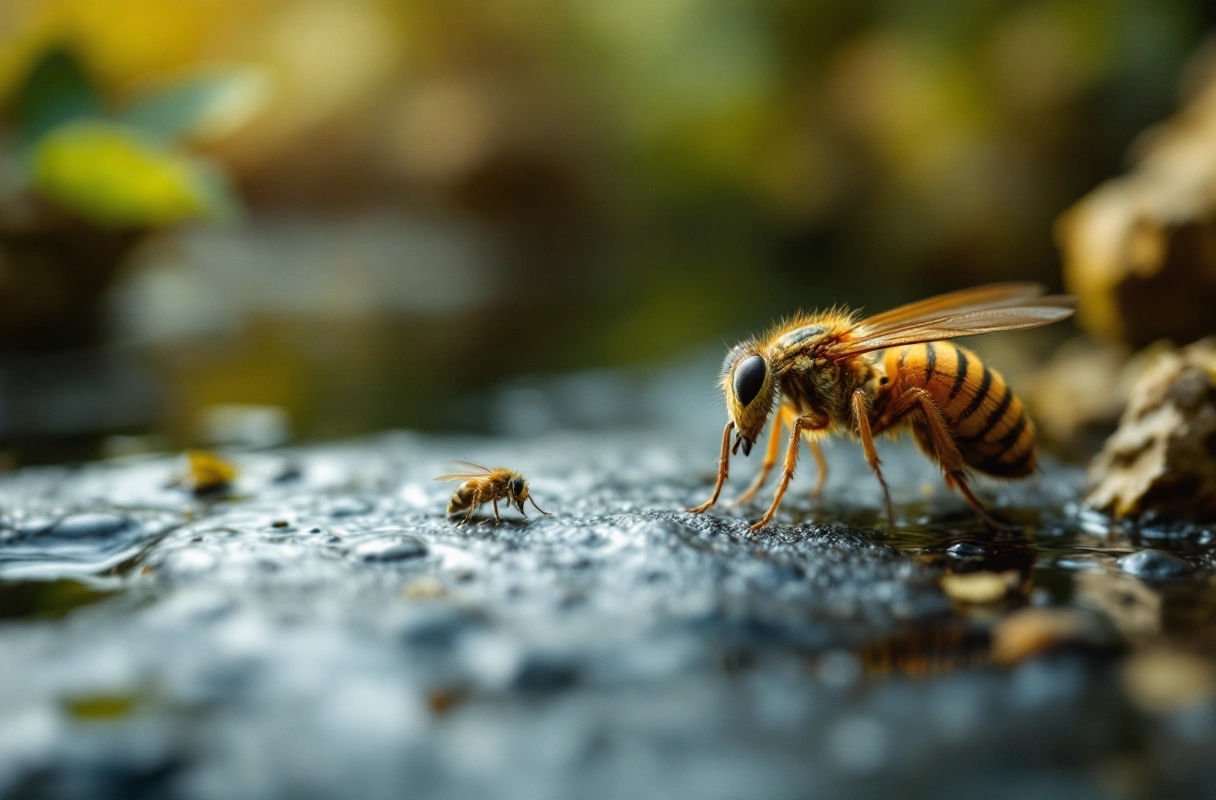
Insects constitute a staggering majority of the earth's biodiversity, with estimates suggesting that they make up about 80% of all animal species. Their functions are diverse and indispensable, influencing everything from pollination to nutrient cycling. As we examine the importance of insect conservation, we must consider the following key aspects:
Insects serve multiple ecological functions that are crucial for the stability of ecosystems. They act as pollinators, decomposers, and prey for a variety of other animals. For instance, bees and butterflies are vital for the pollination of flowering plants, which in turn support food systems and habitat for other wildlife. Furthermore, insects like beetles and ants contribute to the decomposition of organic matter, enriching soil health and promoting plant growth. Their critical environmental roles highlight their importance in maintaining ecological balance.
The economic impact of insects is significant, particularly concerning agriculture. Insects provide essential services such as pollination, which is responsible for approximately one-third of the food we consume. The decline in insect populations can lead to reduced crop yields and increased costs for farmers who may need to resort to artificial pollination methods. According to a report by the Intergovernmental Science-Policy Platform on Biodiversity and Ecosystem Services (IPBES), the global economic value of insect pollination is estimated to be around $235 to $577 billion annually.
Insects are often referred to as bioindicators, meaning their presence or absence can provide insights into the health of an ecosystem. Changes in insect populations can signal broader environmental issues, such as pollution, habitat destruction, and climate change. Monitoring insect diversity can help conservationists gauge the overall health of ecosystems and implement necessary interventions.

Despite their importance, many misconceptions about insects persist. Addressing these misconceptions can foster greater appreciation and support for insect conservation efforts.
A common belief is that all insects are pests that harm human activities. While some insects can cause damage to crops and structures, the majority play beneficial roles. For instance, ladybugs are natural predators of aphids, helping control pest populations without the need for chemical pesticides.
Another misconception is that insects do not contribute to human life. In reality, insects provide numerous ecosystem services, including pollination, soil aeration, and pest control. Without these services, many human activities would be severely impacted.
Many people assume that insect populations are stable and abundant. However, studies indicate a dramatic decline in insect populations globally, with some estimates suggesting that over 40% of insect species are experiencing population decreases. This trend is alarming and highlights the urgent need for conservation efforts.
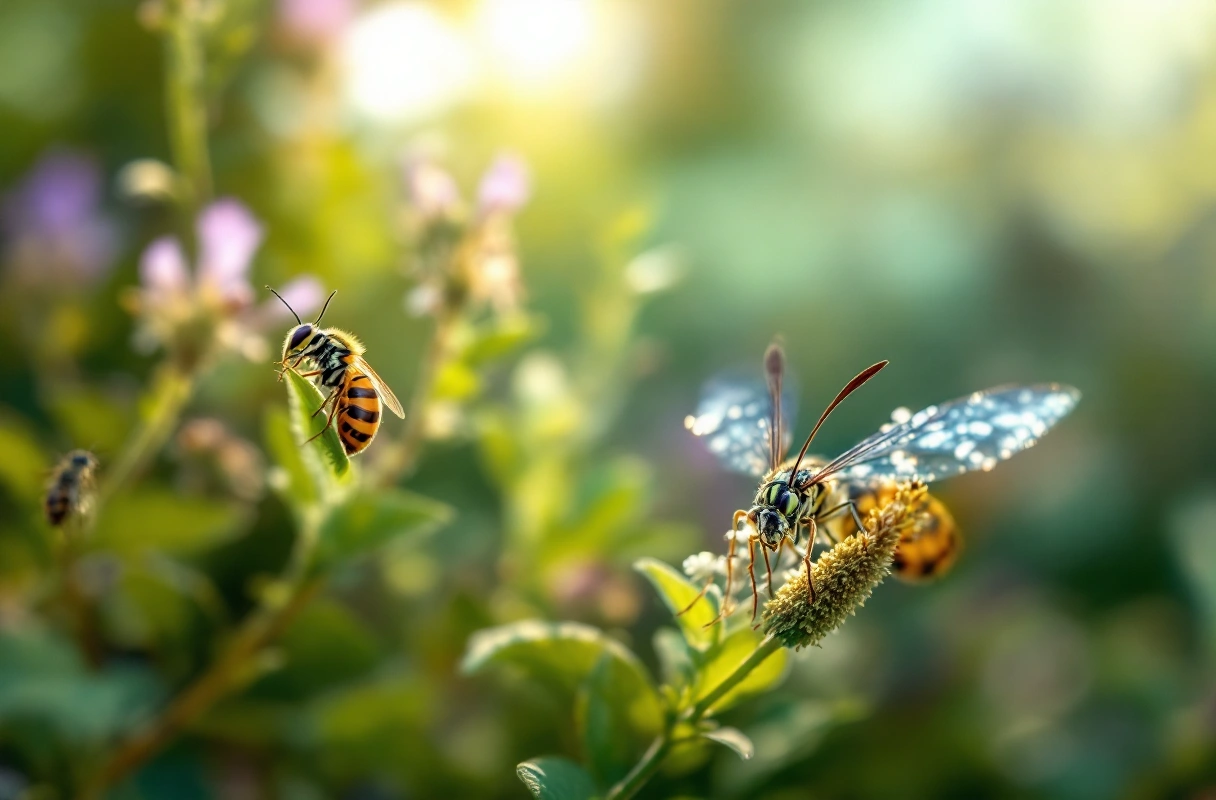
Identifying insect species is a crucial aspect of conservation. Understanding the diversity of insect life allows conservationists to target specific species and habitats for protection. Here are essential steps in insect species identification:
Begin by observing insects in their natural habitats. Note their behavior, feeding habits, and interactions with other species. This initial observation can provide valuable insights into the ecological roles they play.
Utilize field guides and online resources to assist in identifying insect species. Websites like BugGuide.net and iNaturalist offer extensive databases and community support for identification.
In some cases, collecting physical samples may be necessary for precise identification. Ensure that you follow local regulations regarding insect collection and prioritize ethical practices.
Collaborating with entomologists and local conservation groups can enhance your understanding of insect species in your area. These experts can provide insights into identification techniques and conservation strategies.
To further illustrate the diversity and importance of insects, here are ten remarkable insect species that highlight the need for conservation efforts:
The Monarch butterfly is well-known for its incredible migration journey, traveling thousands of miles from North America to Mexico. This species is a crucial pollinator and has become a symbol for conservation efforts due to its declining populations.
The Bombardier beetle is famous for its unique defense mechanism, which allows it to eject a hot chemical spray to deter predators. This fascinating adaptation showcases the complexity of insect survival strategies.
As one of the largest beetles in the world, the Titan beetle can grow up to 7 inches long. Found in the rainforests of South America, its size and striking appearance make it a subject of interest for entomologists and nature enthusiasts alike.
The Orchid mantis is a stunning insect that mimics orchids to attract prey. Its unique hunting strategy highlights the intricate relationships between insects and their environments.
Native to Africa, the Goliath beetle is one of the heaviest insects, weighing up to 4 ounces. Its impressive size and striking coloration make it a favorite among collectors and researchers.
Leafcutter ants are known for their complex social structures and ability to cultivate fungi as a food source. Their fascinating behavior and ecological roles in nutrient cycling make them vital components of their ecosystems.
Fireflies are famous for their bioluminescent abilities, which they use for communication and mating. The decline of firefly populations is a concerning trend that signals broader environmental issues.
These butterflies are known for their vibrant colors and unique patterns. They play a significant role in pollination and are indicators of healthy ecosystems.
The Hercules beetle is renowned for its impressive size and strength, often used in various cultural traditions. Its unique morphology makes it a subject of fascination in entomology.
Dragonflies are exceptional predators, controlling mosquito populations and serving as indicators of wetland health. Their agile flight and stunning colors make them a beloved insect among nature watchers.
Conserving insects requires collective efforts from individuals, communities, and organizations. Here are actionable strategies to support insect conservation:
Plant native flowers and shrubs to attract and support pollinators like bees and butterflies. These gardens can provide essential habitats and food sources for various insect species.
Minimize the use of chemical pesticides in gardens and agricultural practices. Opt for organic alternatives or integrated pest management strategies that protect beneficial insects.
Raise awareness about the importance of insects and their roles in ecosystems. Share information through community events, social media, and educational programs.
Contribute to or volunteer with organizations focused on insect conservation. These groups often lead initiatives that protect habitats and promote research on insect populations.
Engage in citizen science projects that involve monitoring insect populations. Programs like the Great Sunflower Project or Monarch Watch allow individuals to contribute valuable data for research.
As we have explored, the importance of insects in maintaining biodiversity cannot be overstated. The Banana Slug Club is dedicated to promoting awareness and conservation efforts related to insects and their habitats. Through educational programs, community engagement, and conservation initiatives, the Banana Slug Club strives to foster a deeper understanding of the vital roles insects play in our ecosystems.
In conclusion, the preservation of insect species is essential for sustaining biodiversity and supporting human life. By recognizing their ecological significance and taking action to protect them, we can ensure a healthier planet for future generations. For those looking to get involved, the Banana Slug Club offers numerous resources and opportunities to learn more about insect conservation efforts. Visit Banana Slug Club to discover how you can contribute to this critical cause and help protect the fascinating world of insects.
Get free resources, early access to new features and updates.
No spam. Just fun educational emails!


.svg)
.svg)