Aquaculture has emerged as a crucial component of global food production, with world of crustaceans playing a significant role due to their high market value and nutritional benefits. As we delve into the world of crustaceans, we uncover various strategies that can enhance their cultivation and management. This article serves as a comprehensive guide, providing insights into the best practices for optimizing crustaceans in aquaculture, emphasizing the importance of sustainable practices, technological advancements, and understanding the biology of these species.
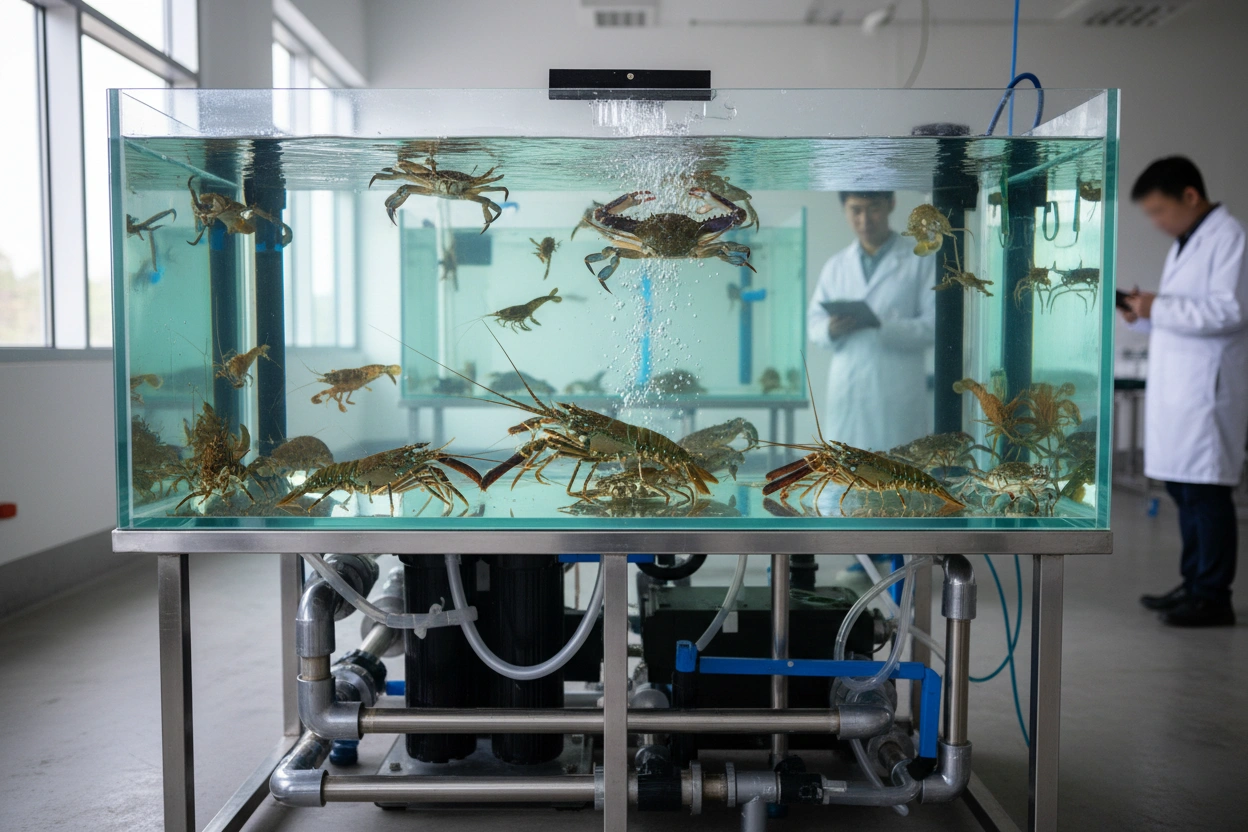
Crustaceans, including species such as shrimp, crabs, and lobsters, are among the fastest-growing segments in aquaculture. The global demand for crustaceans continues to rise due to their culinary versatility and health benefits. However, the successful cultivation of these organisms requires a deep understanding of their biological needs, environmental conditions, and the latest aquaculture techniques.
The global crustacean market has seen significant growth, with shrimp alone accounting for a substantial portion of aquaculture production. According to the Food and Agriculture Organization (FAO), shrimp production reached over 4 million tons in 2024, making it one of the most valuable commodities in the seafood industry. This increasing demand drives aquaculture producers to seek innovative strategies to enhance yield and sustainability.
Despite their profitability, crustacean farming faces several challenges, including disease outbreaks, environmental impacts, and feed sustainability. Farmers must navigate these issues while ensuring optimal growth conditions and maintaining water quality. Understanding these challenges is crucial for developing effective management strategies that promote healthy crustacean populations.
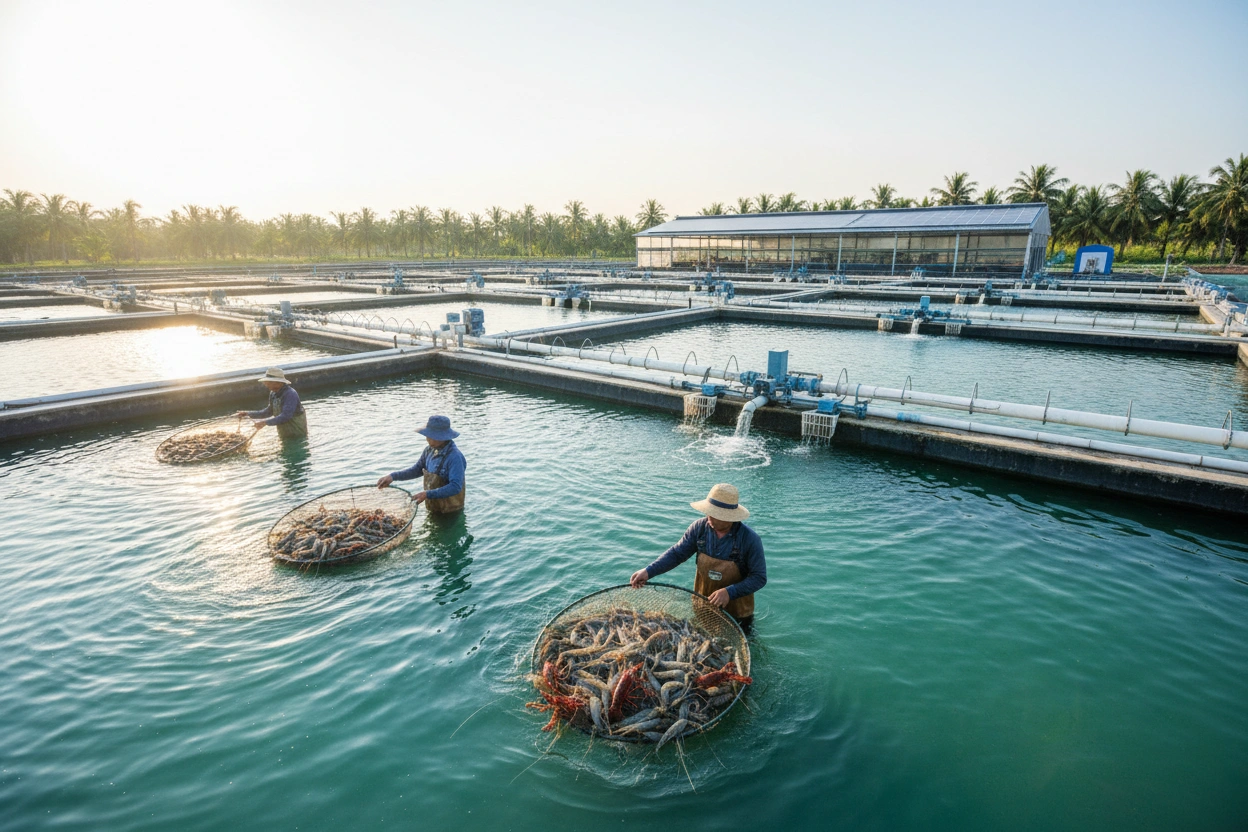
To effectively optimize crustaceans in aquaculture, producers should adopt a multifaceted approach that encompasses various strategies. Here are the top strategies to consider:
Maintaining optimal water quality is fundamental to the health and growth of crustaceans. Several factors contribute to water quality, including temperature, salinity, pH, and dissolved oxygen levels.
By implementing rigorous water quality monitoring protocols, aquaculture producers can ensure a stable and conducive environment for crustaceans.
Feed plays a critical role in crustacean growth and overall health. The formulation of high-quality feed can significantly impact growth rates, feed conversion ratios, and the nutritional value of the harvested product.
By focusing on feed optimization, aquaculture producers can enhance the overall productivity and sustainability of their operations.
Disease outbreaks are a significant threat to crustacean aquaculture, often leading to substantial economic losses. Effective disease management strategies are essential for maintaining healthy stock.
By prioritizing disease control measures, aquaculture producers can safeguard their investments and ensure sustainable production.
The density of crustaceans in aquaculture systems significantly influences their growth, health, and overall productivity. Proper management of stocking density is essential to optimize performance.
By carefully managing stocking density, aquaculture producers can maximize yield while minimizing stress on their crustacean populations.
Sustainability is becoming increasingly important in aquaculture, particularly concerning crustacean farming. Implementing sustainable practices can enhance long-term viability and market acceptance.
By adopting sustainable practices, aquaculture producers can contribute to environmental conservation while meeting consumer demands for responsibly sourced seafood.
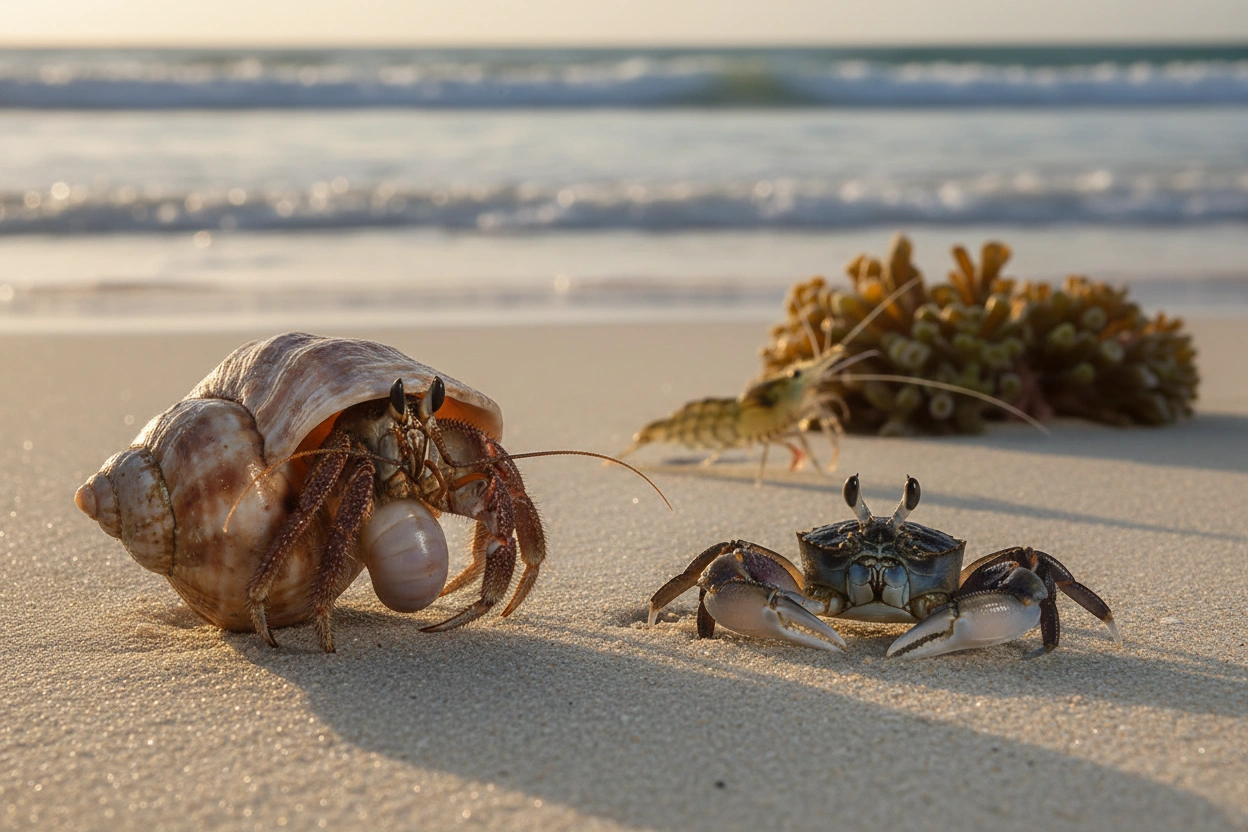
As crustaceans continue to gain popularity in aquaculture, several misconceptions persist that can hinder effective management. Addressing these misconceptions is essential for improving practices and outcomes.
While many crustacean species thrive in saltwater environments, not all require high salinity. For example, certain shrimp species can be successfully cultivated in freshwater systems. Understanding the specific habitat requirements of each species is vital for successful aquaculture.
While it may seem intuitive that more animals equal more production, overcrowding can lead to negative outcomes, including increased competition and disease spread. Careful management of stocking densities is essential to ensure optimal growth and health.
Preventing disease is just as crucial as treating outbreaks. Implementing proactive measures, such as biosecurity and health monitoring, can significantly reduce the risk of disease introduction and spread.
Technological advancements are playing an increasingly vital role in optimizing crustacean aquaculture. From monitoring systems to automated feeding, technology offers numerous solutions to enhance production efficiency.
By embracing technology, aquaculture producers can enhance their operations and stay competitive in a rapidly evolving industry.
As global demand for seafood continues to rise, the future of crustacean aquaculture looks promising. However, it also presents challenges that require innovative solutions. The focus on sustainability, technological integration, and research into best practices will shape the industry's direction.
By staying informed about emerging trends and adapting to changes in the market, aquaculture producers can position themselves for success in the evolving landscape of crustacean farming.
As we explore the strategies for optimizing crustaceans in aquaculture, it becomes clear that sustainable practices are not just beneficial but essential for long-term success. The strategies outlined in this article highlight the importance of understanding crustacean biology, managing environmental conditions, and adopting innovative technologies.
Banana Slug Club is dedicated to supporting aquaculture producers in implementing these best practices. Our expertise in sustainable aquaculture can help you navigate the complexities of crustacean farming, ensuring that you achieve optimal results while contributing to environmental stewardship.
For more information on how Banana Slug Club can assist you in your crustacean aquaculture journey, feel free to contact Banana Slug Club. Let us help you optimize your operations and embrace sustainable practices in your aquaculture endeavors.
Get free resources, early access to new features and updates.
No spam. Just fun educational emails!


.svg)
.svg)