Reptiles have gained popularity as pets over the years, captivating enthusiasts with their unique behaviors, diverse species, and fascinating adaptations. However, caring for these cold-blooded creatures requires specialized knowledge and commitment. In this article, we will explore essential care tips that every pet keeper should know, from habitat setup to dietary needs, while also addressing common misconceptions and mistakes. Additionally, we will delve into the urgent issue of endangered reptile species and their conservation, highlighting the importance of protecting these remarkable animals.
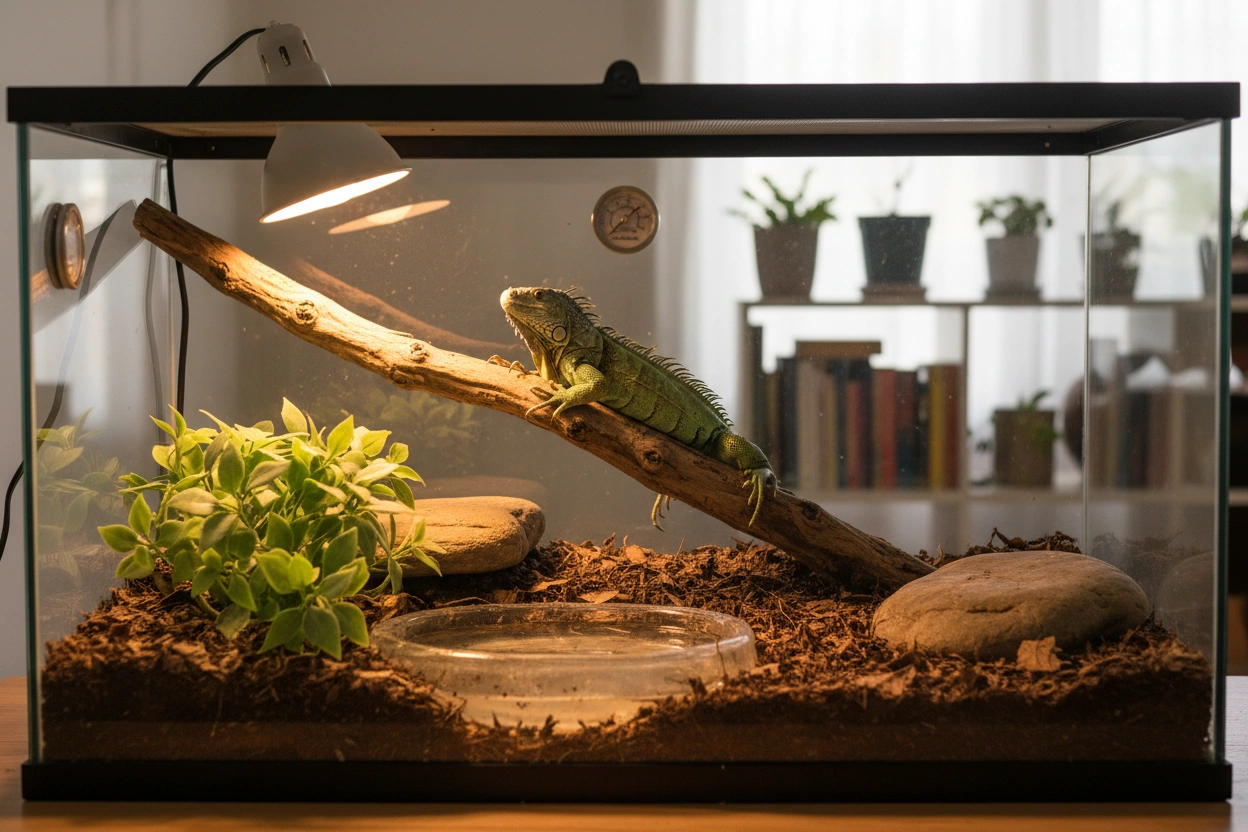
Caring for reptiles differs significantly from caring for traditional pets like dogs or cats. One fundamental aspect of reptile care is understanding their specific habitat requirements, which can vary greatly among different species. Reptiles are ectothermic, meaning they rely on external sources to regulate their body temperature. This characteristic necessitates a well-designed environment that mimics their natural habitat.
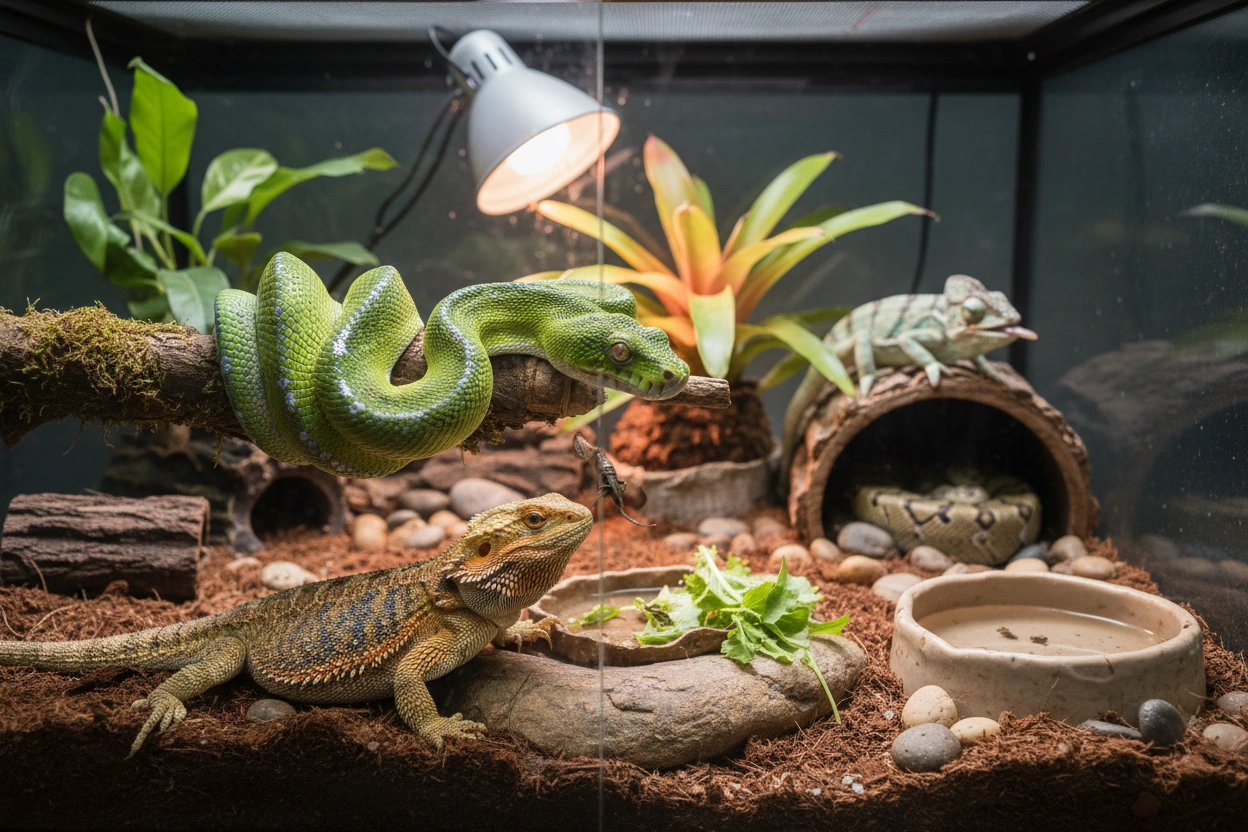
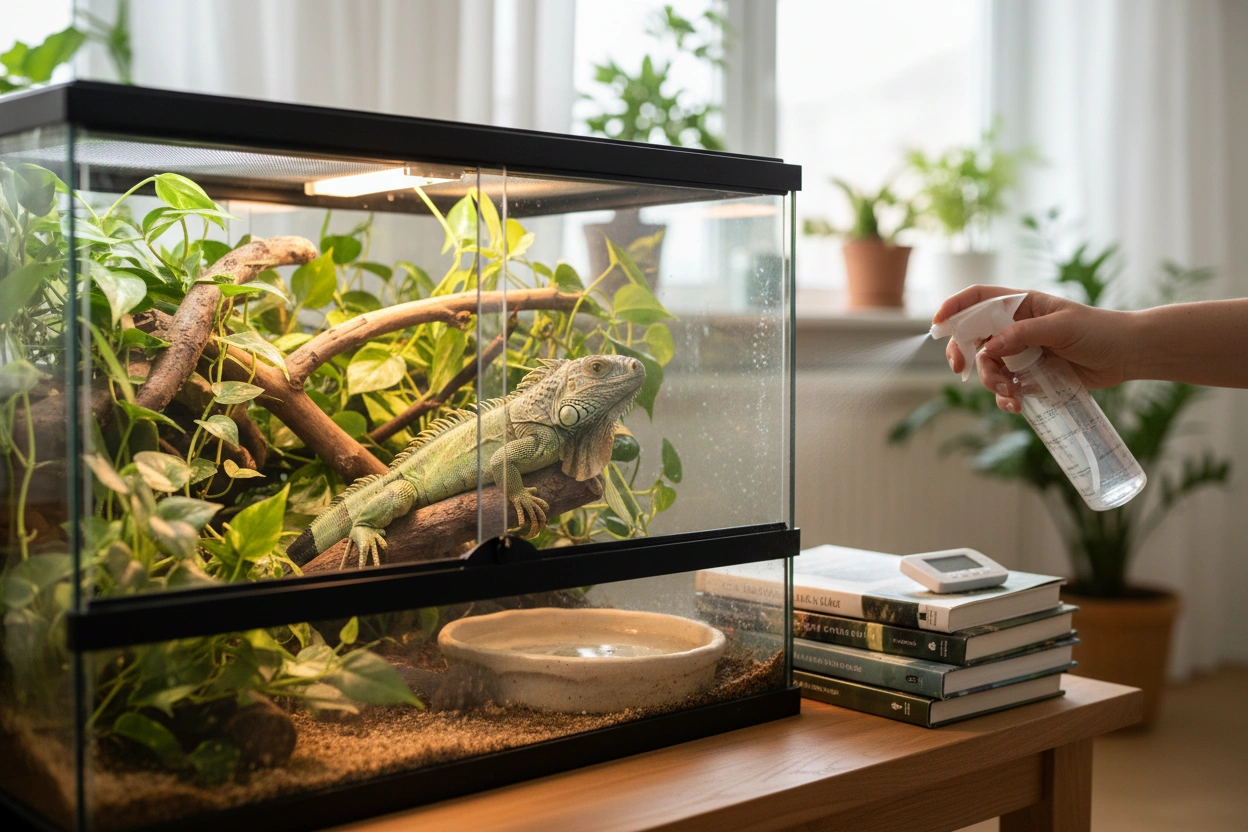
Creating an appropriate habitat is crucial for the well-being of reptiles. Each species has unique needs in terms of space, temperature, humidity, and lighting. For instance, a tropical species like the green iguana requires a warm, humid environment, while desert-dwelling species like the bearded dragon thrive in drier conditions.
To establish a proper habitat, consider the following:
Diet plays a vital role in the health of reptiles. Many common reptiles, such as snakes and lizards, have specific dietary needs that must be met to prevent nutritional deficiencies. Understanding these needs can significantly enhance the life quality of your pet.
When it comes to feeding reptiles, keep these tips in mind:
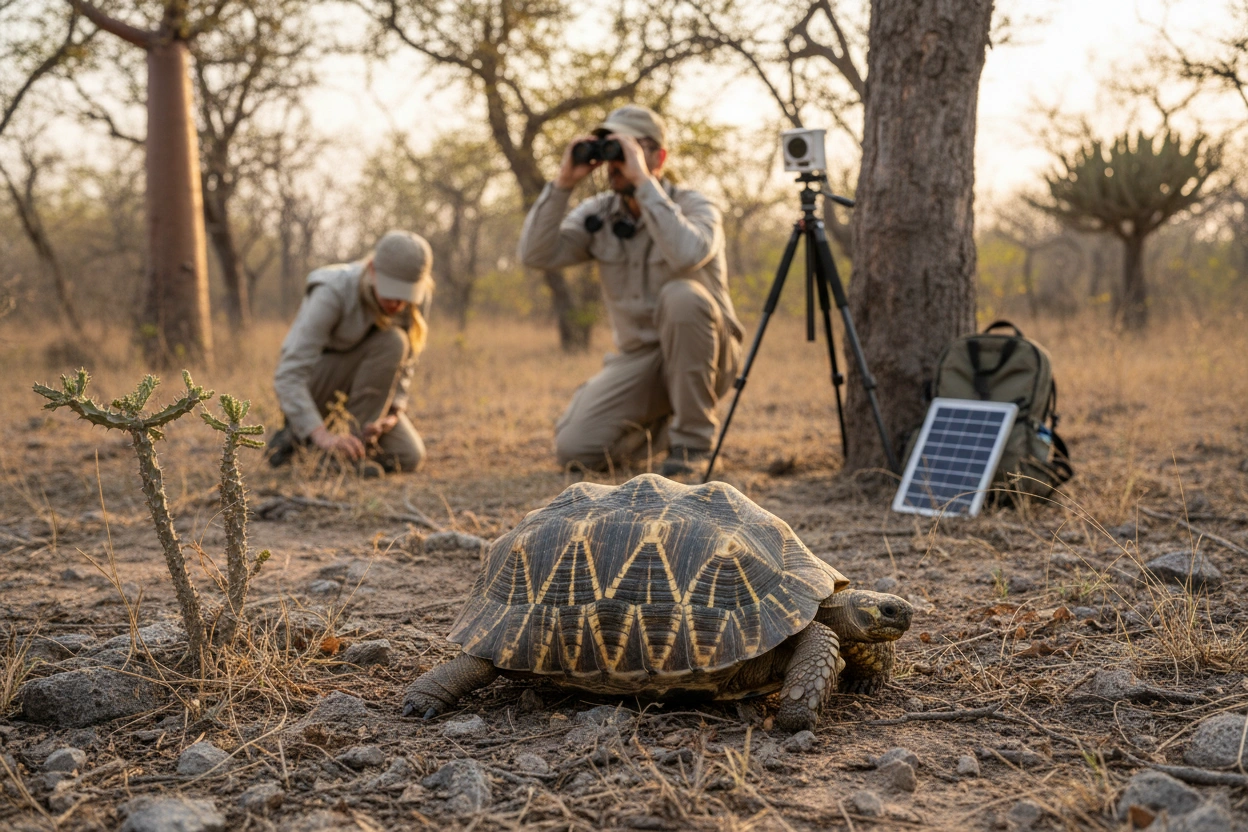
As pet keepers, it is our responsibility to be aware of the conservation status of reptiles worldwide. Many species are facing threats from habitat destruction, climate change, and the illegal pet trade. Here are ten endangered reptile species that highlight the urgent need for conservation efforts.
The Javan gharial is critically endangered, primarily due to habitat loss and pollution. Conservation efforts focus on restoring river ecosystems and protecting nesting sites.
Once on the brink of extinction, the Galápagos tortoise has seen some recovery due to conservation programs. However, threats from invasive species continue to pose risks.
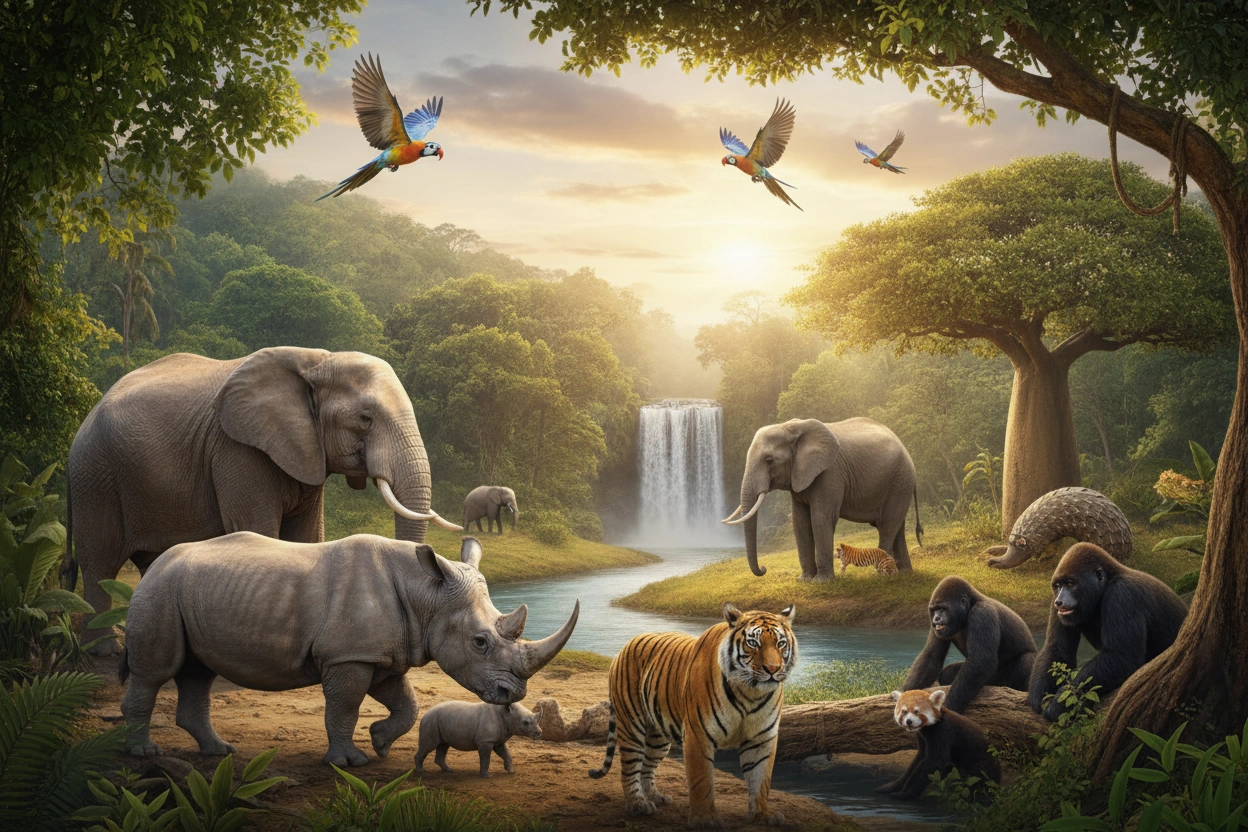
Although not a reptile, the Bornean pygmy elephant's habitat overlap with certain reptile species highlights the interconnectedness of ecosystems. Conservation of their habitats benefits both groups.
The Eastern box turtle faces threats from habitat loss and road mortality. Conservation efforts focus on habitat preservation and public education to reduce roadkill.
The leatherback sea turtle is critically endangered due to poaching and habitat destruction. Conservation measures include protecting nesting sites and reducing bycatch in fisheries.
The Philippine crocodile is critically endangered, with fewer than 250 individuals left in the wild. Conservation programs are working to protect remaining populations and their habitats.
This tortoise is endangered due to illegal poaching and habitat destruction. Conservation efforts include habitat restoration and community engagement to reduce poaching.
Forsten's tortoise is threatened by habitat loss and illegal trade. Conservation efforts are focused on habitat protection and captive breeding programs.
Similar to its Javan counterpart, the gharial is critically endangered due to habitat loss and human interference. Conservation efforts are aimed at habitat restoration and public awareness.
Although primarily known as a mammal, the black rhinoceros' habitat overlaps with various reptile species, emphasizing the need for holistic conservation efforts.
When it comes to caring for reptiles, many misconceptions can lead to poor husbandry practices. Understanding these myths is crucial for providing the best care possible.
While reptiles can be less demanding than some pets, they require specific care and attention. Their habitats must be carefully monitored and maintained, and they need proper diets and health checks.
Reptile diets vary significantly among species. For example, herbivorous reptiles require plant-based diets, while carnivorous reptiles thrive on protein sources. Researching the specific dietary needs of your reptile is essential.
Contrary to popular belief, many reptiles benefit from interaction and stimulation. Providing enrichment, such as climbing structures or hiding spots, can enhance their well-being.
Implementing effective care strategies is essential for keeping your reptiles healthy and thriving. Here are some actionable tips to enhance your reptile care routine:
The Banana Slug Club is dedicated to promoting awareness and education regarding reptiles and their conservation. By fostering a community of reptile enthusiasts and educating pet keepers, the club plays a vital role in improving the care and understanding of these creatures.
Through workshops, online resources, and community outreach programs, the Banana Slug Club aims to empower pet keepers to make informed decisions that benefit both their reptiles and the environment. Joining such a community can provide valuable insights and support for anyone interested in reptile care and conservation.
As a pet keeper, you can contribute to reptile conservation efforts in various ways:
By being an informed and proactive pet keeper, you can help ensure that reptiles continue to thrive for generations to come.
In conclusion, understanding the essential care tips for reptiles is crucial for ensuring their well-being and longevity. By being aware of the needs of these fascinating creatures and the conservation challenges they face, pet keepers can make a positive impact. The Banana Slug Club is here to support you in your journey to become a responsible reptile owner.
For more information on reptile care and conservation and to connect with fellow enthusiasts, visit Banana Slug Club. Together, we can create a better future for reptiles and promote the conservation efforts that are so vital to their survival.
Get free resources, early access to new features and updates.
No spam. Just fun educational emails!


.svg)
.svg)