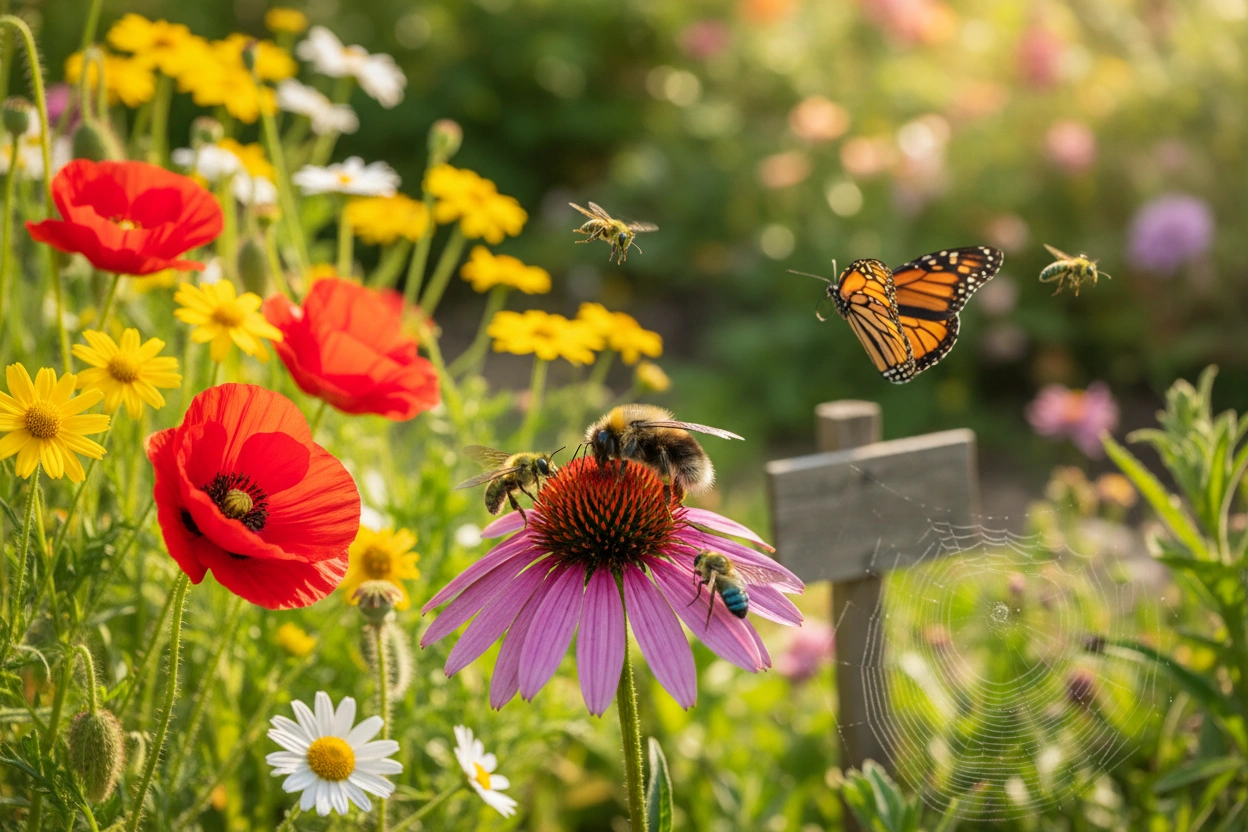
Pollinator insects play a crucial role in maintaining the health and productivity of our gardens. With a diverse range of insect species, these tiny creatures contribute significantly to the ecosystem by facilitating the reproduction of flowering plants. In 2026, as we continue to witness the impacts of climate change and habitat loss, understanding and supporting these vital insects has never been more critical. This article delves into the fascinating world of pollinator insects, offering insights on how to boost your garden naturally while highlighting the importance of critical environmental roles.
Pollinators are not only essential for food production but also enhance biodiversity. They assist in the growth of fruits, vegetables, and nuts, which are vital components of our diet. However, the decline in pollinator populations due to pesticides, habitat destruction, and climate change poses a significant threat to both agriculture and natural ecosystems. By learning about different insect species and how to support them, gardeners can create a thriving environment that encourages these beneficial insects to flourish.
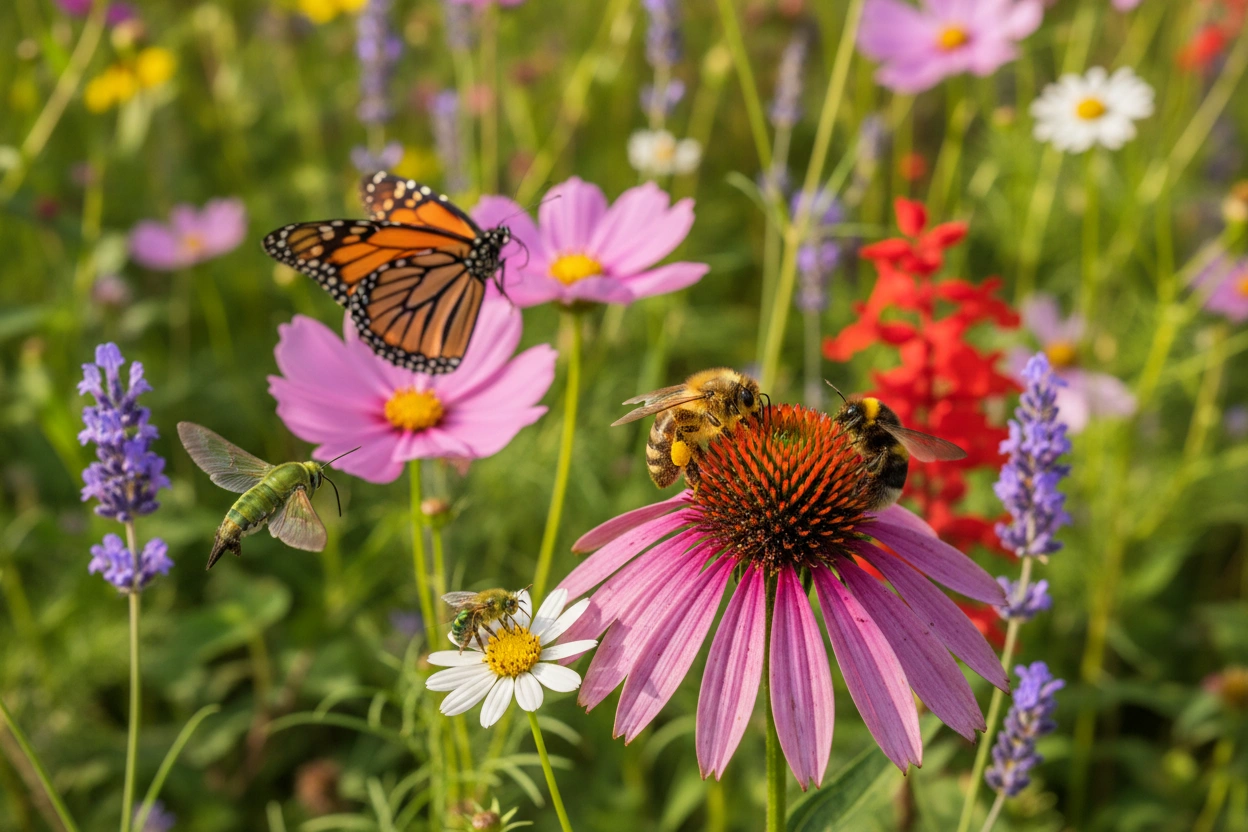
Pollinator insects, including bees, butterflies, moths, and beetles, are responsible for the fertilization of about 75% of the world's flowering plants. This section explores the significance of these insects in our gardens and beyond.
Pollinators are pivotal in sustaining ecosystems and maintaining biodiversity. They help in:
The economic value of pollination services provided by insects is staggering. According to the Food and Agriculture Organization (FAO), the global economic value of pollination is estimated at over $200 billion annually. This underlines the importance of protecting pollinator habitats and ensuring their survival, as their decline could have dire consequences for food security and agricultural economies.
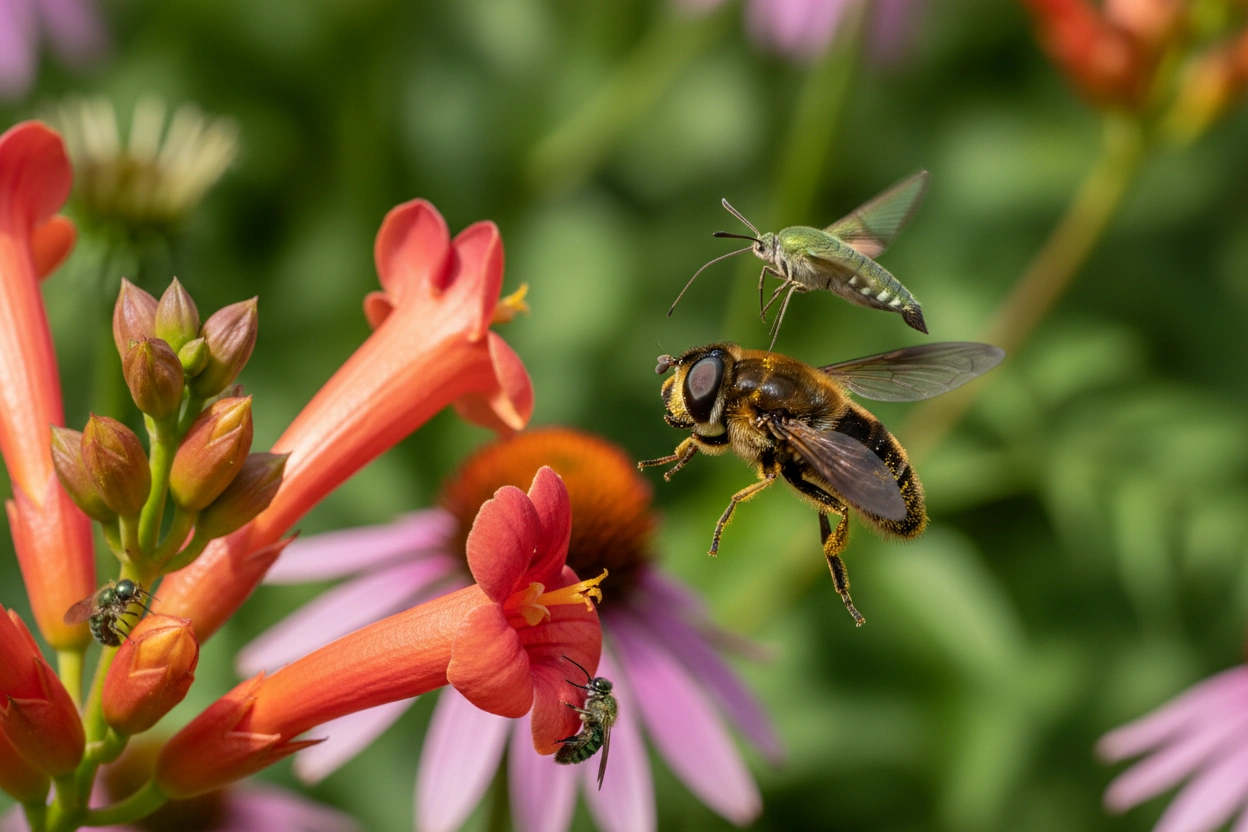
Despite their importance, there are many misconceptions about pollinator insects that can hinder conservation efforts. Addressing these misunderstandings can empower gardeners to make more informed decisions.
Many people view insects primarily as pests. While some insects can be harmful, the majority are beneficial and play a role in ecosystem health. For example, ladybugs and lacewings are predatory insects that help control aphid populations, while pollinators like bees and butterflies are essential for plant reproduction.
Another common belief is that pesticides are essential for maintaining garden health. In reality, over-reliance on chemical treatments can harm pollinators and disrupt the ecological balance. Instead, using integrated pest management (IPM) strategies, which include encouraging beneficial insects and using organic treatments, can create a healthier environment for both plants and pollinators.
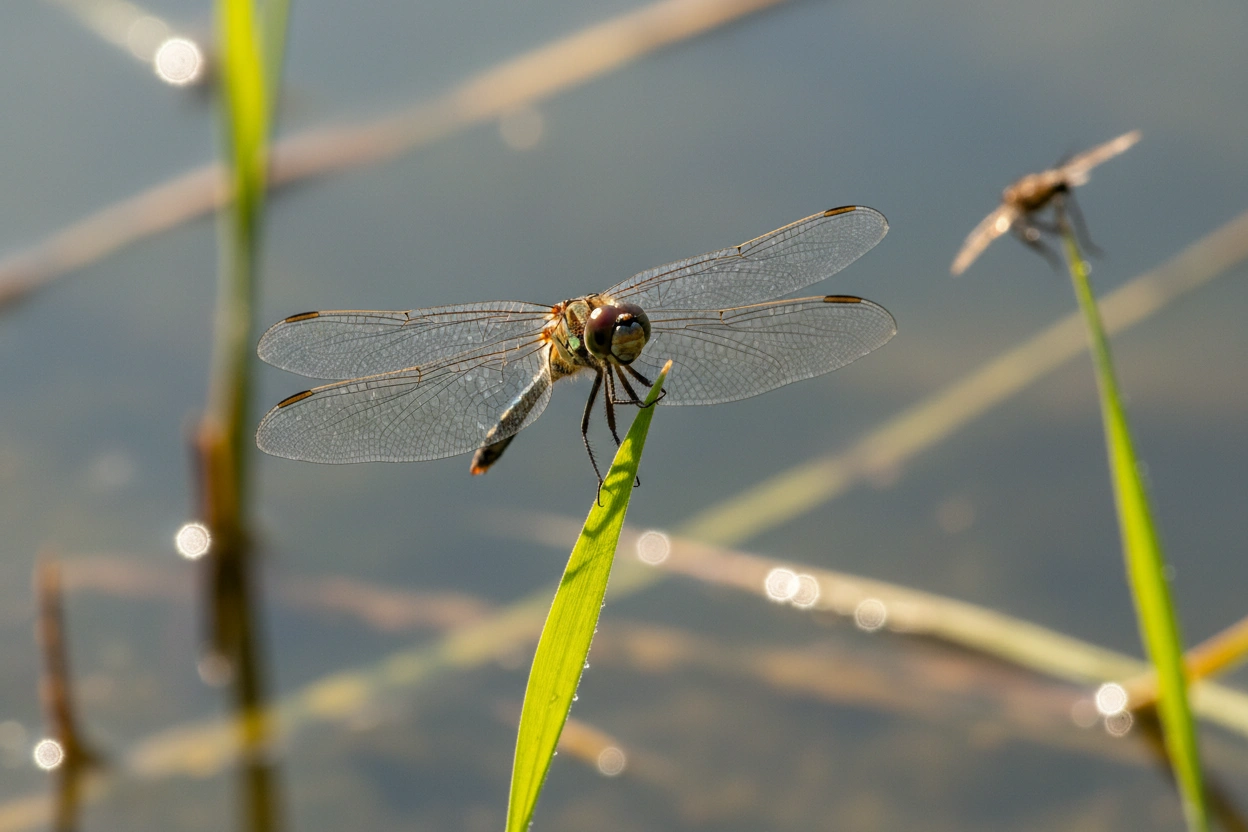
Understanding the diverse insect species that contribute to pollination can enhance your gardening efforts. Here are ten intriguing insect species that play essential roles as pollinators.
The honeybee is perhaps the most well-known pollinator. These social insects live in colonies and are responsible for pollinating a wide variety of crops, including fruits and vegetables. Honeybees are also crucial for producing honey, a valuable food resource.
Famous for its incredible migration, the monarch butterfly is a vital pollinator for many wildflowers. They are particularly drawn to milkweed plants, which are essential for their life cycle.
Bumblebees are larger than honeybees and are known for their ability to pollinate in cooler temperatures. Their robust bodies allow them to vibrate flowers, which helps release pollen effectively.
Hawk moths are nocturnal pollinators that are attracted to night-blooming flowers. Their long proboscis allows them to reach deep into flowers to access nectar, making them key players in the pollination of specific plant species.
Hoverflies resemble bees but are harmless. They are excellent pollinators and also serve as natural pest control agents, feeding on aphids and other garden pests.
Leafcutter bees are solitary bees known for their unique nesting habits. They cut leaves to create nests and are efficient pollinators for many flowering plants.
Carpenter bees are large, robust bees that bore holes into wood to create nests. They are effective pollinators, especially for plants that require buzz pollination.
This species is crucial for alfalfa seed production, making it vital for the agriculture industry. They are solitary and efficient, often pollinating more effectively than honeybees.
Bumblebees are essential for pollinating crops like tomatoes and blueberries. Their ability to fly in cooler temperatures makes them reliable pollinators in various climates.
Sweat bees are small, often metallic-colored bees that are attracted to perspiration. They are effective pollinators for many flowers, including wildflowers and garden plants.
To support pollinator insects, it's essential to create a garden that meets their needs. Here are key strategies to enhance your garden's appeal to these vital creatures.
Choosing the right plants is crucial for attracting pollinators. Consider these tips when selecting plants for your garden:
In addition to providing food, creating suitable habitats is essential for pollinator survival. Consider these strategies:
While creating a pollinator-friendly garden, it's crucial to avoid common pitfalls that could undermine your efforts.
While non-native plants may look appealing, they often do not provide the necessary resources for local pollinators. Focus on native plants that are well-adapted to your region's climate and soil conditions.
Neglecting pest management can lead to overpopulation of harmful insects, which can deter pollinators. Implement integrated pest management techniques that promote beneficial insects while controlling pests effectively.
Planting large areas with a single species can limit the diversity of pollinators attracted to your garden. Aim for a mix of flowers, shrubs, and trees to create a vibrant and varied habitat.
Supporting pollinator insects in your garden offers numerous benefits, not only for the environment but also for gardeners themselves.
Pollinator insects directly contribute to the productivity of your garden. By improving the pollination of flowers, fruits, and vegetables, gardeners can enjoy increased yields and healthier plants.
Creating a pollinator-friendly garden encourages a diverse ecosystem. This diversity can lead to better pest control, improved soil health, and enhanced resilience against diseases.
By promoting awareness of pollinator insects and their importance, gardeners can engage with their communities. Hosting workshops or educational events can help spread the message and inspire others to create pollinator habitats.
Understanding the role of pollinator insects is not just about gardening; it's about fostering a community that values and protects these essential creatures. As we learn more about the significance of insects in our ecosystems, organizations like the Banana Slug Club play a crucial role in educating and empowering individuals to make a difference.
Incorporating insect species identification into community gardening efforts can help everyone recognize the various pollinators at work. This awareness can lead to more sustainable gardening practices and a greater appreciation for biodiversity.
By actively supporting pollinator insects and sharing knowledge within your community, you can contribute to a healthier environment and a more sustainable future. The Banana Slug Club is dedicated to providing resources and support for individuals looking to make a positive impact on local ecosystems.
If you're interested in enhancing your garden's appeal to pollinator insects and learning more about sustainable gardening practices, reach out to us. Visit Banana Slug Club for more information and resources on how to create a thriving environment for these vital creatures. Together, we can make a difference for our gardens and the ecosystems that depend on them.
Get free resources, early access to new features and updates.
No spam. Just fun educational emails!


.svg)
.svg)