Insects are often underestimated in their ecological importance. As we navigate the complexities of climate change, understanding the role of insects becomes increasingly vital. Not only do these tiny creatures contribute to ecosystems as pollinators, decomposers, and food sources for other animals, but they also play a critical role in nutrient cycling and soil health. In 2026, the implications of climate change on insect populations and behaviors are more evident than ever, highlighting the urgent need for insect species identification and conservation efforts.
The relationship between insects and climate change is intricate and multifaceted. Rising temperatures, altered precipitation patterns, and shifting habitats all affect insect life cycles, distribution, and interactions with other species. This article delves into the science behind these changes, provides insights into the fascinating world of insects, and offers a glimpse into ten of the most captivating insect species that illustrate the diversity and resilience of this class of animals.

Climate change significantly alters the geographical distribution of insect species. Warmer temperatures can lead to the migration of insects to higher altitudes or latitudes where conditions are more favorable. For example, studies have shown that many butterfly species in North America are moving northward as their traditional habitats become too warm. This shift can disrupt local ecosystems, as these insects often have specific relationships with plants and other species that may not migrate at the same rate.
Moreover, changes in precipitation patterns can affect the availability of resources. Insects such as mosquitoes thrive in wet conditions, and increased rainfall can lead to population booms, which can have implications for public health. Conversely, drought conditions can lead to declines in insect populations that depend on moisture-rich environments. Understanding these dynamics is critical for predicting future changes in biodiversity and ecosystem services.
Insects are ectothermic, meaning their body temperature and metabolic rates are influenced by external temperatures. As climate change leads to warmer climates, many insect species are experiencing accelerated development rates. This can result in earlier emergence from pupation and increased frequency of reproduction. For instance, the life cycle of the common fruit fly has been observed to shorten as temperatures rise, allowing for multiple generations in a single season.
However, accelerated life cycles can have negative consequences. The synchronization between insects and their food sources, such as flowering plants, can be disrupted, leading to mismatches that threaten both insect and plant populations. Additionally, increased temperatures can impact the physiological health of insects, making them more susceptible to disease and predation.

Insects are an incredibly diverse group, with millions of species inhabiting various ecosystems. Here, we highlight ten of the most fascinating insect species, each showcasing unique adaptations and ecological roles.
The Monarch butterfly is renowned for its incredible migration journey, traveling thousands of miles from North America to central Mexico. This species serves as a vital pollinator and is an indicator of environmental health. Unfortunately, climate change is threatening their migratory patterns and habitats.
Known for its unique defense mechanism, the Bombardier beetle can eject a hot chemical spray to deter predators. This fascinating adaptation highlights the intricate evolutionary strategies insects have developed for survival.
The Orchid mantis is a master of camouflage, resembling orchid flowers to attract prey. This species showcases the complex relationships insects have with their environments and the adaptations that enhance their predatory success.
One of the largest insects in the world, the Goliath beetle can weigh over 3 ounces and measure up to 4.3 inches in length. Its impressive size and striking coloration make it a subject of fascination in both scientific research and popular culture.
Leafcutter ants are remarkable for their ability to cut and process leaves into a fungus that serves as their primary food source. This mutualistic relationship with fungi exemplifies the complex interactions within ecosystems.
Fireflies are famous for their bioluminescence, which they use for mating signals. Their light-producing capabilities highlight the wonders of insect adaptations and their roles in ecosystems.
The Hercules beetle is known for its impressive horns, which males use in combat during mating season. This species demonstrates the role of sexual selection in shaping physical traits among insects.
Dragonflies are skilled predators, known for their agility and speed in flight. They play a critical role in controlling mosquito populations, making them beneficial for human health.
Honeybees are essential pollinators, contributing significantly to global food production. Their social structures and communication methods, including the waggle dance, are subjects of extensive research.
The praying mantis is famous for its predatory behavior, often depicted as a fierce hunter. Their unique body structure and camouflage abilities make them fascinating subjects of study in entomology.
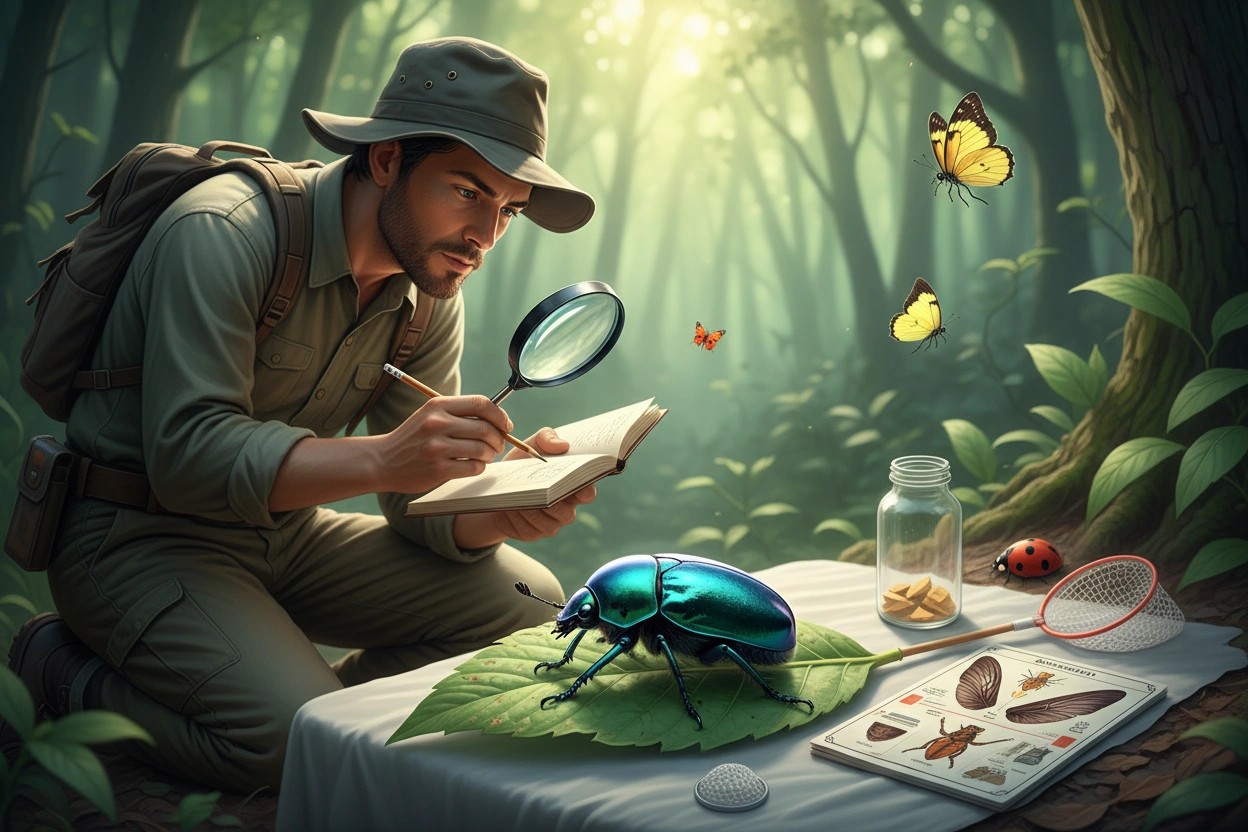
Understanding and identifying insect species is crucial for several reasons. First, it aids in biodiversity conservation efforts by helping researchers monitor population changes and ecosystem health. Second, accurate identification can enhance agricultural practices by identifying pest species and beneficial insects that can aid in crop production. Finally, understanding the ecological roles of insects can lead to better environmental management strategies.
Identifying insect species can be challenging due to their vast diversity. Here are several effective techniques for accurate insect identification:
Field Guides and Resources: Utilizing field guides specific to your region can provide valuable information on identifying local species. Many guides include illustrations and descriptions that can assist in recognition.
Online Databases and Apps: Digital resources such as iNaturalist and BugGuide allow users to upload images and receive identification help from experts and enthusiasts. These platforms can enhance community engagement in citizen science.
Morphological Characteristics: Understanding the physical traits of insects, such as body shape, color patterns, and wing structure, is essential for identification. Learning about key features can facilitate accurate species classification.
Genetic Analysis: Molecular techniques, such as DNA barcoding, are increasingly used for precise identification of insect species. This method can help clarify relationships among species and improve taxonomic classifications.
Misidentifying insects can lead to significant consequences, especially in agriculture and conservation. Here are some common mistakes to avoid:
Ignoring Size and Color Variability: Many insects exhibit color and size variations based on environmental factors or life stages. Relying solely on these characteristics can lead to incorrect identification.
Overlooking Key Features: Some insects may appear similar but can be distinguished by subtle morphological differences. Pay attention to details like wing venation or antenna shape.
Neglecting Local Knowledge: Engaging with local entomologists or naturalists can provide insights that enhance identification accuracy. Community knowledge can often fill gaps in formal resources.
Insects play a pivotal role in pollination, with approximately 75% of flowering plants relying on animal pollinators. This includes many crops vital for human consumption. The decline in insect populations due to climate change poses a significant threat to food security and biodiversity.
Furthermore, insects form the foundation of many food webs. They serve as prey for birds, mammals, and other wildlife, contributing to the overall health of ecosystems. The loss of insect species can lead to cascading effects throughout the food web, disrupting ecological balance.
Insects are essential decomposers, breaking down organic matter and recycling nutrients back into the soil. Beetles, ants, and termites are examples of insects that contribute to this critical process. Without insects, decomposition would slow significantly, leading to the accumulation of organic waste and nutrient depletion in soils.
As we confront the challenges posed by climate change, the conservation of insect species must become a priority. Strategies for mitigating the impacts of climate change on insects include habitat preservation, sustainable agricultural practices, and public education on the importance of insects in ecosystems.
Engaging communities in conservation efforts can foster a greater appreciation for insects and their roles in ecosystems. Initiatives that promote biodiversity, such as planting native flora and reducing pesticide use, can create more resilient ecosystems.
In conclusion, understanding the complex relationships between insects and climate change is crucial for both ecological and human health. The insights gained from studying these fascinating creatures can inform conservation efforts and lead to sustainable practices that benefit the planet.
In learning about insects and their critical roles in our ecosystems, we uncover the intricate connections that sustain life on Earth. The impacts of climate change on these vital organisms remind us of the need for proactive conservation efforts. The Banana Slug Club is dedicated to fostering awareness and understanding of the natural world, including the vital role insects play in maintaining ecological balance.
By engaging with the Banana Slug Club, you can deepen your understanding of insects and participate in conservation initiatives that support their populations. Explore resources, join community events, and contribute to efforts that protect our planet's biodiversity.
To learn more about how you can get involved, visit Banana Slug Club today.
Get free resources, early access to new features and updates.
No spam. Just fun educational emails!


.svg)
.svg)