Insects play a crucial role in maintaining ecological balance and supporting human life. They are not merely nuisances; they are essential contributors to biodiversity, pollination, and the overall health of our ecosystems. Unfortunately, many insect species are facing significant threats due to habitat loss, climate change, and pesticide use. Understanding insect conservation is vital for protecting these creatures and ensuring the continuation of the services they provide. This article delves into the importance of insects, highlights fascinating insect species, and offers insights into conservation efforts.
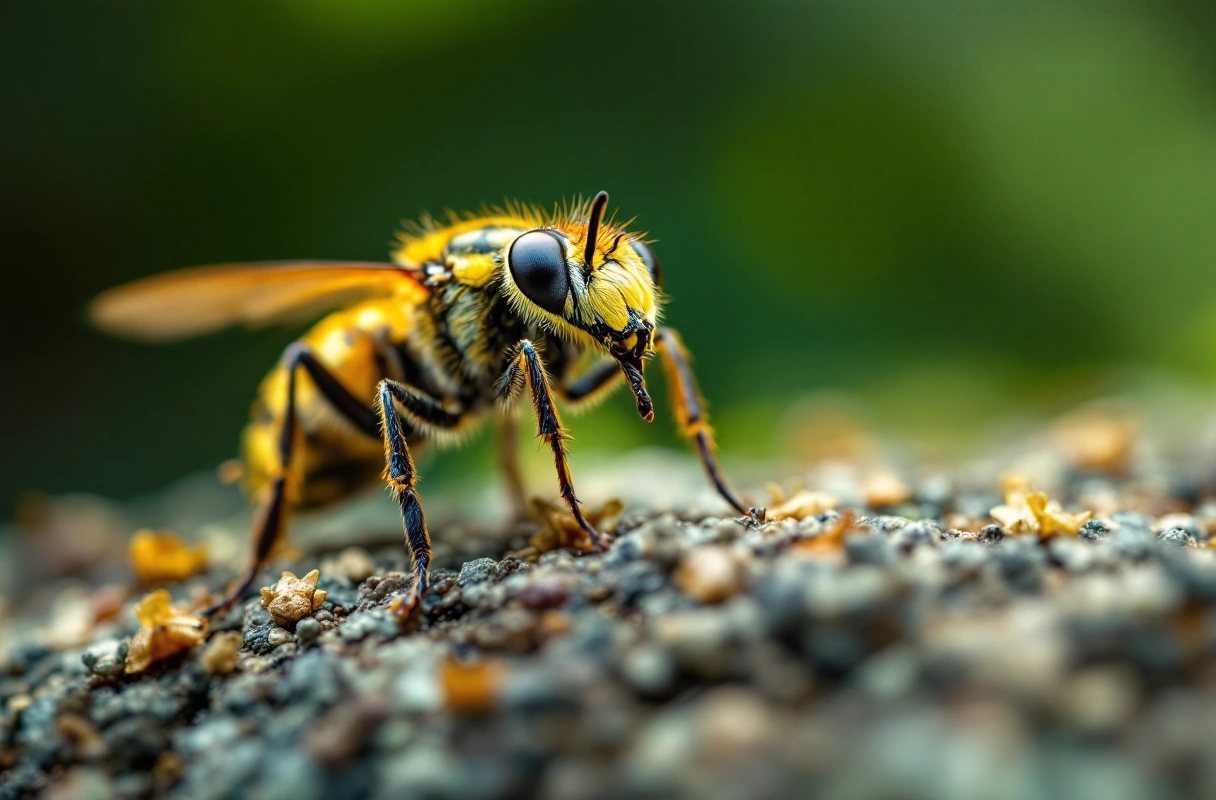
Insects are often referred to as the backbone of the ecosystem. They contribute to various ecological processes that sustain life on Earth. Here are some key roles that insects play:
One of the most critical roles of insects is pollination. Approximately 75% of flowering plants rely on animal pollinators, predominantly insects, for reproduction. This includes many crops that humans depend on for food. For example, bees, butterflies, and beetles transfer pollen from one flower to another, facilitating the production of fruits and seeds. Without these pollinators, many plant species would struggle to reproduce, leading to a decline in biodiversity.
Insects are also vital in the decomposition process. They break down organic matter, such as dead plants and animals, returning essential nutrients to the soil. This process enhances soil fertility and promotes plant growth. For instance, dung beetles play a significant role in recycling nutrients from animal waste, which can improve pasture health and reduce parasite loads in grazing animals.
Insects serve as a primary food source for many animals, including birds, mammals, and reptiles. A decline in insect populations can lead to food shortages for these species, disrupting food webs and leading to further ecological imbalance. This interconnectedness highlights the need for insect conservation as a means to protect broader biodiversity. roles that insects play.
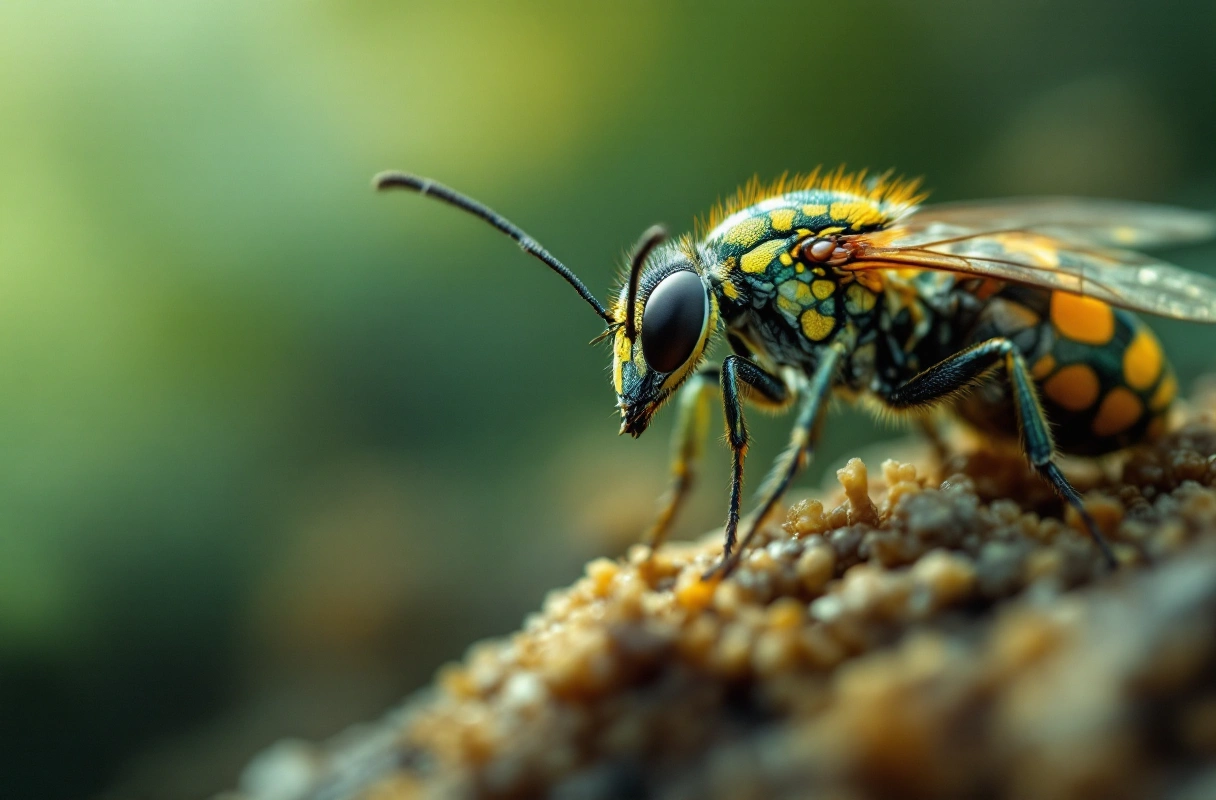
Despite their importance, insects are often misunderstood. Here are some common misconceptions:
While some insects can indeed be pests, the vast majority are harmless and beneficial. For instance, ladybugs are known for controlling aphid populations, while earthworms improve soil health. Educating the public about the positive roles of insects can help change perceptions and foster a more supportive environment for conservation efforts.
Many people fear insects due to the potential for bites or stings. However, the reality is that most insects are not aggressive and pose little threat to humans. In fact, many insects, such as bees and butterflies, are crucial for pollination and contribute to the beauty of our environment.
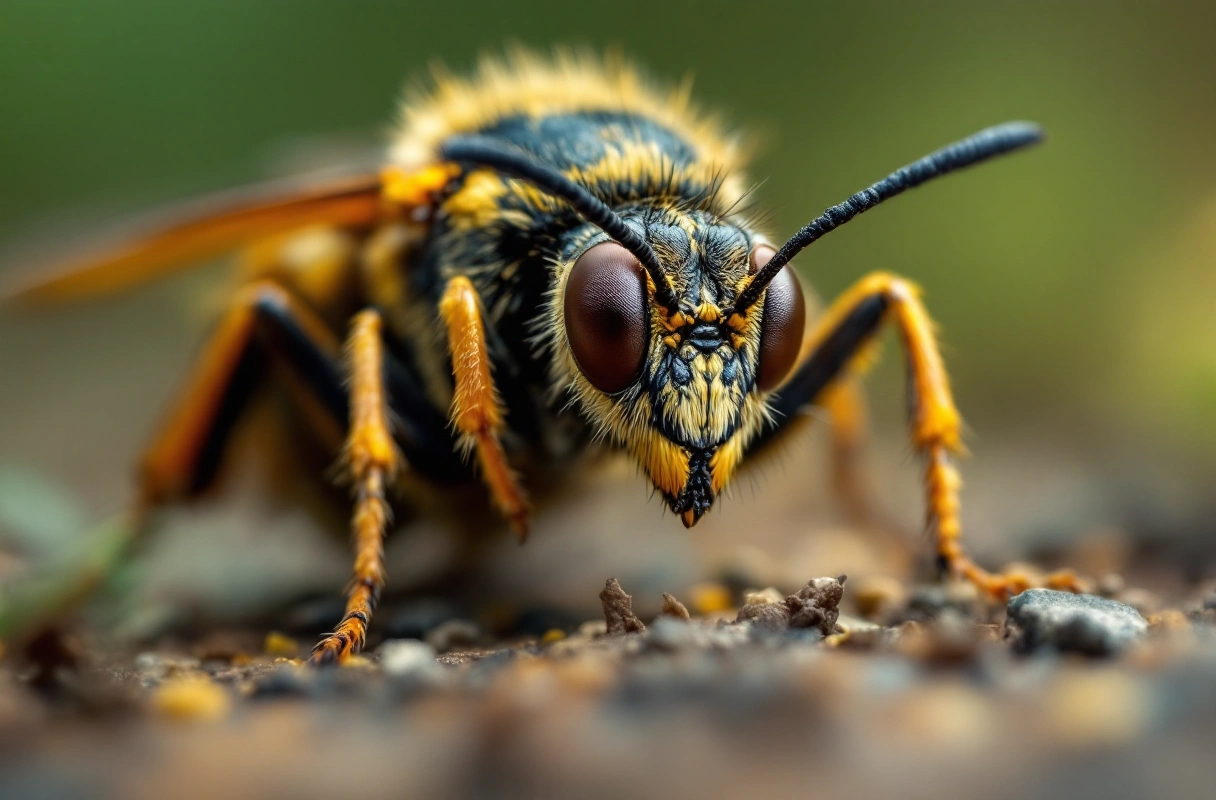
Insects exhibit incredible diversity, with over a million known species and potentially millions yet to be discovered. Here are ten of the most fascinating insect species that highlight the unique adaptations and roles insects play in our ecosystems.
The Monarch butterfly is renowned for its incredible migration journey of thousands of miles from North America to central Mexico. This species is not only a vital pollinator but also an iconic symbol of conservation efforts.
The Bombardier beetle has a remarkable defense mechanism. It can eject a hot chemical spray from its abdomen, deterring predators. This unique adaptation showcases the incredible evolutionary strategies insects have developed.
Leafcutter ants are fascinating for their complex social structure and farming behavior. They cut leaves and bring them back to their nests to cultivate fungus, which serves as their primary food source. This mutualistic relationship highlights the intricate interactions within ecosystems.
As one of the largest insects in the world, the Goliath beetle can weigh up to 3.5 ounces. Found in Africa, these beetles are not only impressive in size but also play a role in nutrient cycling within their habitats.
Fireflies are celebrated for their bioluminescence, a trait that attracts mates and communicates with other fireflies. Their presence is often associated with healthy ecosystems, as they thrive in areas with abundant vegetation.
Honeybees are among the most important pollinators globally, contributing to the pollination of a vast array of crops. Their decline has raised alarms about food security, making their conservation critical.
Dragonflies are skilled predators, feeding on mosquitoes and other small insects. They are also indicators of healthy aquatic ecosystems, as their presence often reflects clean water conditions.
This impressive beetle can lift objects up to 850 times its body weight. Found in Central and South America, its strength and size make it a fascinating subject of study in entomology.
Stick insects are masters of camouflage, often resembling twigs or branches to evade predators. Their adaptations exemplify the various survival strategies insects employ.
The Atlas moth is one of the largest moths in the world, with a wingspan that can reach over a foot. Found in Southeast Asia, its striking appearance and role in pollination highlight the diversity of moth species.
Given the critical roles insects play in our ecosystems, it is vital to implement effective conservation strategies. Here are some actionable insights for individuals and communities:
Creating habitats for insects can be as simple as planting native flowers and plants in your garden. Native plants provide food and shelter for local insect species, supporting pollinators and other beneficial insects. Here are some steps to consider:
Supporting local farmers who practice sustainable agriculture can positively impact insect populations. Sustainable practices often include reduced pesticide use, crop rotation, and maintaining habitats for beneficial insects. To help:
Engaging in citizen science projects can contribute valuable data to insect conservation efforts. Many organizations seek volunteers to help with insect monitoring and identification. Here are some ways to get involved:
Raising awareness about the importance of insects is crucial for conservation efforts. Education can change perceptions and encourage community involvement. Here are some strategies to consider:
Various organizations play a vital role in promoting insect conservation. These groups often focus on research, education, and advocacy to protect insect populations. Some notable organizations include:
These organizations provide resources, educational materials, and opportunities for individuals to get involved in conservation efforts. Supporting their initiatives can amplify the impact of insect conservation on a broader scale.
Insect conservation is not solely the responsibility of researchers and organizations; it requires community involvement and engagement. By fostering a culture of appreciation for insects, communities can create a supportive environment for conservation efforts.
Banana Slug Club recognizes the importance of insects in our ecosystems and is dedicated to promoting awareness and education about these vital creatures. Through community events, workshops, and educational resources, Banana Slug Club encourages individuals to explore the fascinating world of insects and understand their significance in nature.
As we learn more about the critical roles that insects play, it becomes evident that protecting these creatures is essential for our planet's health. Engaging in local conservation efforts, supporting sustainable practices, and advocating for insect-friendly policies are all steps we can take to ensure that future generations will benefit from the invaluable services insects provide.
If you're interested in learning more about how you can contribute to insect conservation and engage with your community, visit Banana Slug Club for resources and information. Together, we can protect nature's pollinators and promote a healthier ecosystem for all.
Get free resources, early access to new features and updates.
No spam. Just fun educational emails!


.svg)
.svg)