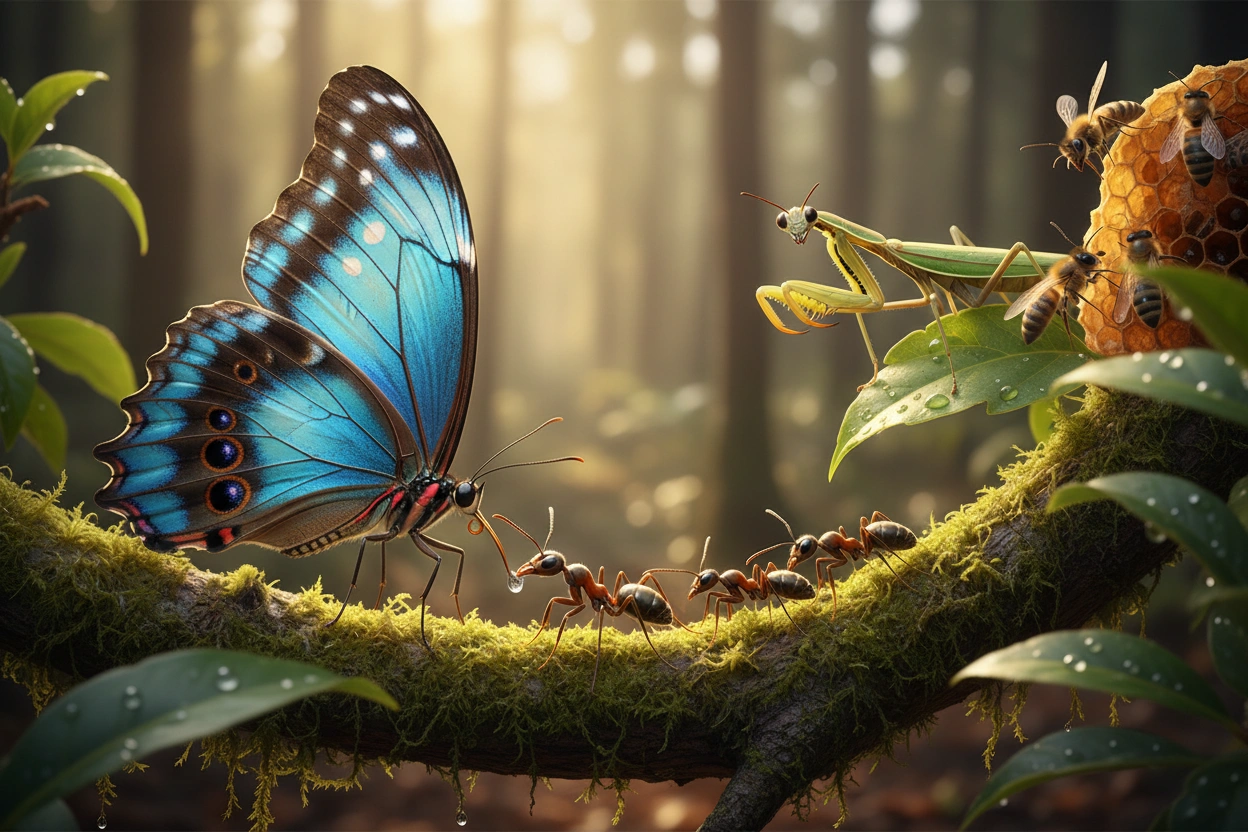
Insects are among the most diverse and adaptable creatures on the planet, with over a million described species. Their ability to communicate and exhibit complex social behaviors has fascinated scientists and nature enthusiasts alike. In this article, we will delve into the intricate world of insect communication, exploring the various signals they use to convey information, the social structures they form, and how understanding these behaviors can enhance our knowledge of these remarkable creatures. Additionally, we will highlight the top ten most fascinating insect species that showcase unique communication methods and social interactions.
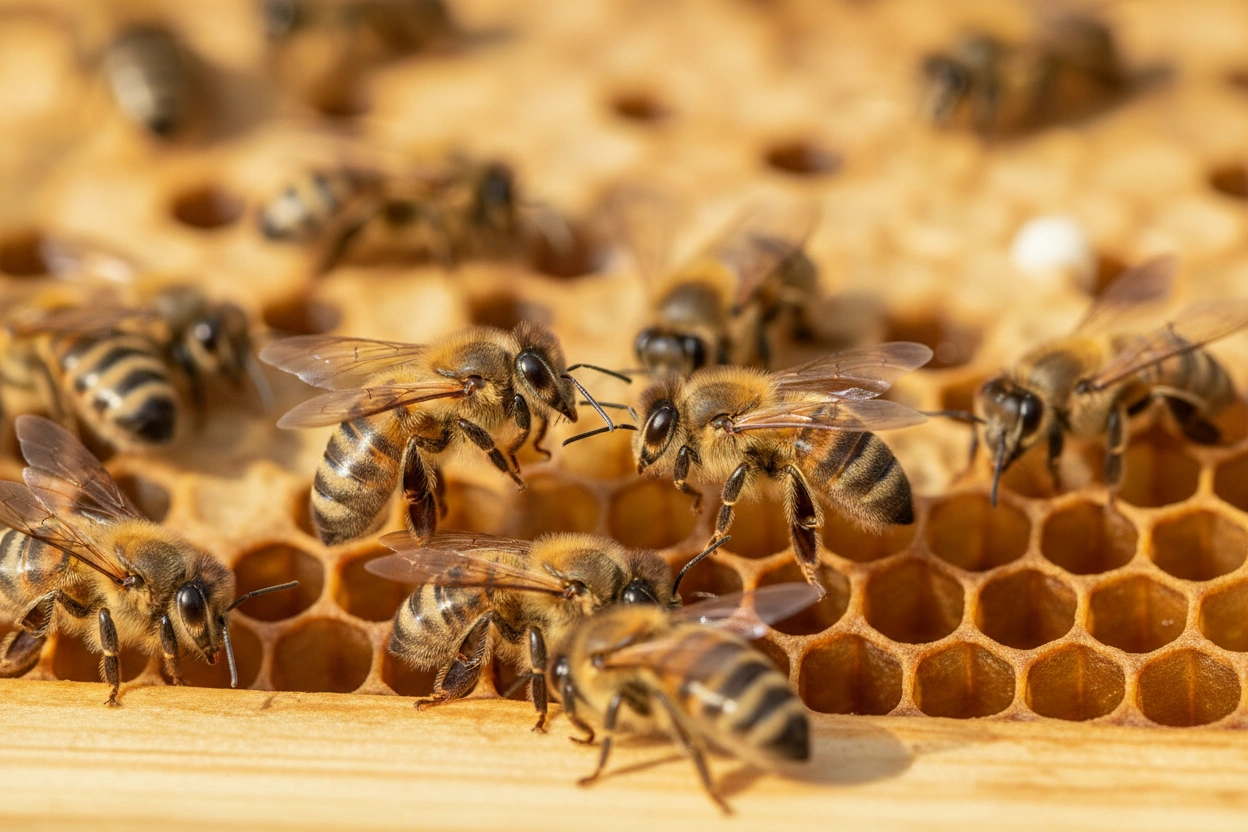
Insect communication is a vital aspect of their survival, helping them to find food, attract mates, and defend against predators. Unlike mammals, insects rely heavily on non-verbal signals, utilizing a combination of chemical, auditory, and visual cues. This communication system is essential for their social interactions and plays a critical role in their ecological success.
One of the most common forms of communication among insects is through pheromones, which are chemical signals that trigger specific responses in other individuals of the same species. Pheromones can convey a variety of messages, including alarm signals, mating calls, and food location. For example:
These chemical signals are often species-specific, allowing insects to communicate effectively without confusion with other species. The study of pheromones has significant implications for pest control and the development of environmentally friendly repellents.
Insects also utilize sound as a means of communication. This can be achieved through various methods, including stridulation (rubbing body parts together), wing flapping, or tapping on surfaces. For example:
Sound communication is particularly vital for nocturnal insects, where visual signals may be less effective due to low light conditions.
Visual signals are another essential aspect of insect communication. Many insects display vibrant colors, patterns, or specific postures to convey messages. For instance:
These visual cues are crucial for mating rituals and establishing dominance within social hierarchies.
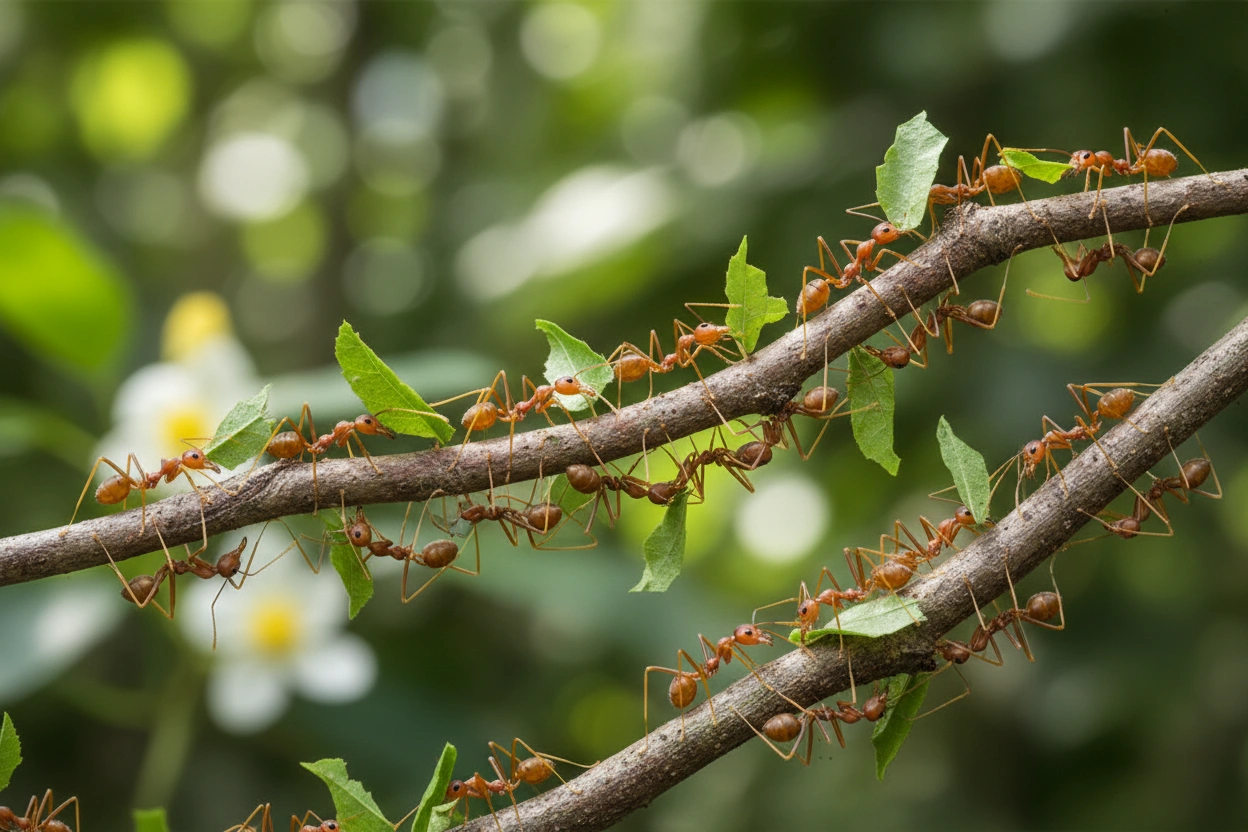
Insects exhibit a range of social behaviors, from solitary lifestyles to highly organized colonies. Understanding these social structures provides insight into their communication methods and survival strategies.
Insects can generally be categorized into solitary and social species. Solitary insects, such as many beetles and moths, tend to live and act independently, relying on their communication methods primarily for mating and territory establishment. In contrast, social insects, such as ants, bees, and termites, live in colonies and exhibit complex social structures that involve cooperation, division of labor, and intricate communication systems.
Eusociality is the highest level of social organization, characterized by cooperative brood care, overlapping generations, and a division of labor. This phenomenon is most commonly observed in:
The evolution of eusociality has allowed these insects to thrive in various environments, showcasing the importance of communication in their social structures.

Insects display an incredible range of behaviors and adaptations. Here are ten of the most fascinating insect species, each showcasing unique communication methods and social behaviors.
Honeybee (Apis mellifera)
Leafcutter Ant (Atta cephalotes)
Firefly (Lampyridae)
Cicada (Cicadidae)
Silkworm Moth (Bombyx mori)
Termite (Isoptera)
Ant-Mimicking Spider (Myrmarachne)
Bombardier Beetle (Brachinus spp.)
Stag Beetle (Lucanus cervus)
Goliath Beetle (Goliathus spp.)
Despite the wealth of knowledge surrounding insect communication, several misconceptions persist. Addressing these misconceptions can enhance our understanding of these remarkable creatures.
Many people believe that insects do not communicate vocally. In reality, numerous insect species use sound as a primary form of communication. From the chirping of crickets to the buzzing of bees, auditory signals play a crucial role in their interactions.
While pheromones are a significant aspect of insect communication, they are not the only method. Insects utilize a combination of visual, auditory, and tactile signals, each serving different purposes in their social interactions.
While many insects are solitary, a vast number of species exhibit complex social behaviors. Understanding the diversity of social structures among insects reveals the intricacies of their communication and survival strategies.
Understanding insect communication and social behavior not only enriches our appreciation for these creatures but can also have practical applications. Here are some actionable insights for further exploration:
Engage in Citizen Science
Explore Natural Habitats
Educate Others
Utilize Identification Guides
As you delve deeper into the fascinating world of insects, the Banana Slug Club is here to support your journey. We provide educational resources and opportunities for individuals interested in learning more about insect communication and behavior. By exploring our materials, you can enhance your understanding and appreciation for these remarkable creatures.
Whether you are a budding entomologist, a curious nature enthusiast, or simply someone looking to learn more about the intricate lives of insects, the Banana Slug Club offers a wealth of information and community engagement.
To further your exploration into the world of insects and to stay updated on the latest findings in insect communication and behavior, visit Banana Slug Club for more resources and information. Engaging with our community can deepen your understanding and foster a love for these incredible creatures.
Insect communication is a captivating field of study that reveals the complexities of life in our ecosystems. By understanding these signals and behaviors, we can better appreciate the vital roles insects play in our world. Contact Banana Slug Club today to learn more and get involved in our educational initiatives.
Get free resources, early access to new features and updates.
No spam. Just fun educational emails!


.svg)
.svg)