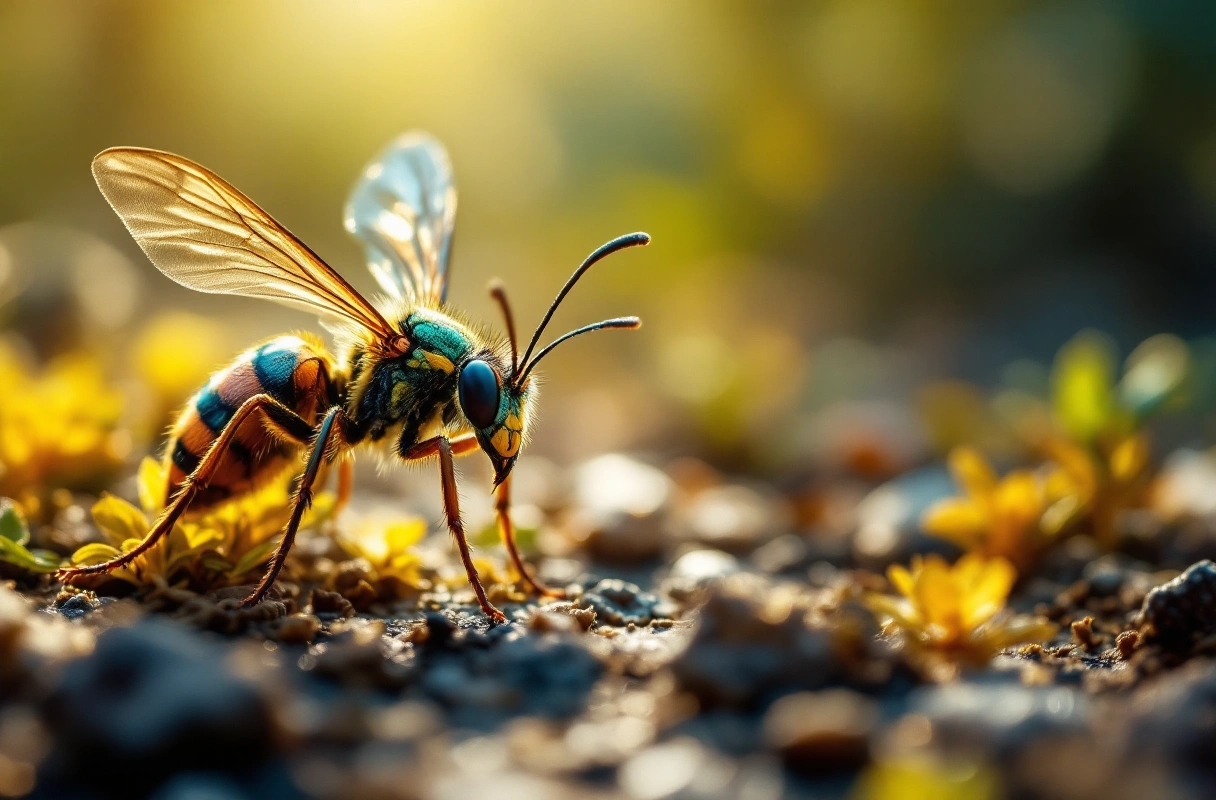
Insects are the most diverse group of organisms on the planet, playing crucial roles in ecosystems and human life. With over a million identified species and millions more yet to be discovered, understanding insect biodiversity is essential for effective conservation efforts. This article delves into the significance of insects, the importance of insect species identification, and highlights ten of the most fascinating insect species that underscore the complexity and beauty of these creatures.
By enhancing our knowledge of insects and their ecosystems, we can better appreciate their roles in biodiversity and the urgent need for their conservation.
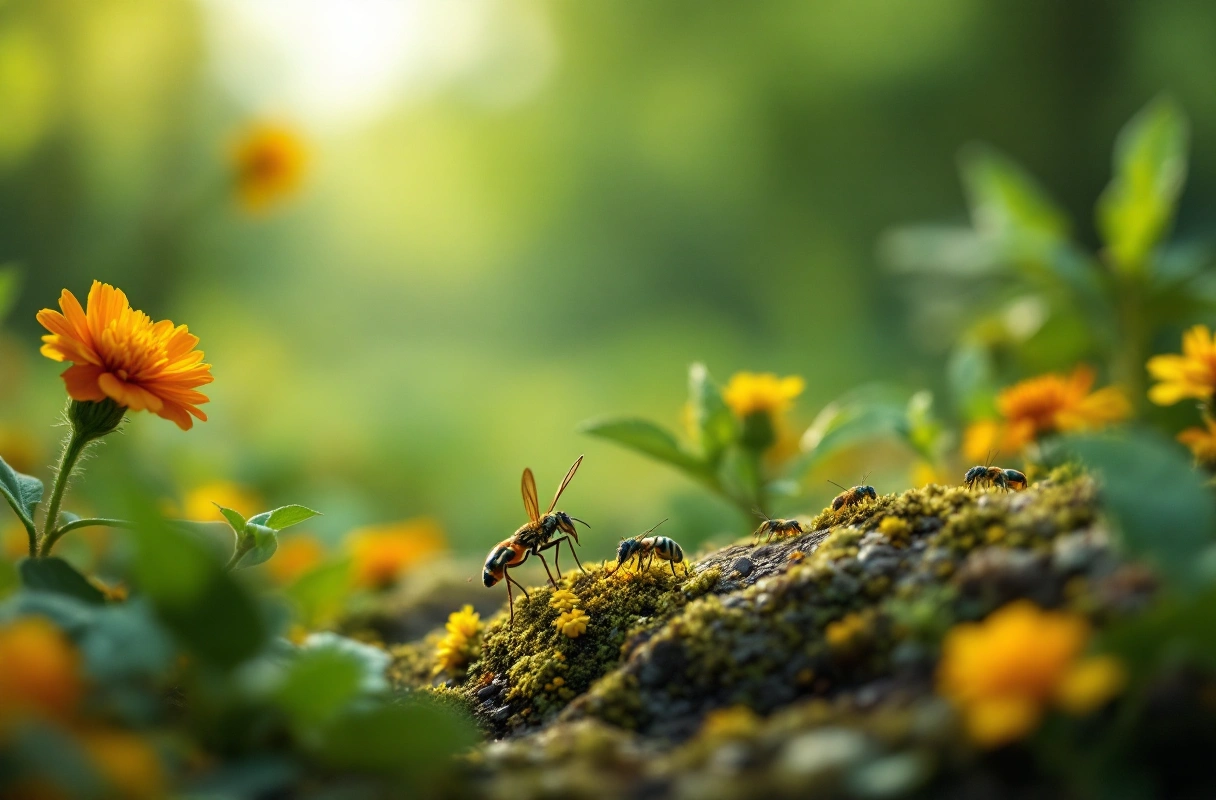
Insects contribute to various ecological processes that are vital for the health of our planet. They serve as pollinators, decomposers, and a food source for countless other species. For instance, bees and butterflies are critical for pollinating plants, which in turn produce the fruits and vegetables that sustain human populations. The loss of insect biodiversity can lead to dire consequences, including reduced crop yields and disrupted ecosystems.
Insects also play a significant role in nutrient cycling. Decomposing insects break down organic matter, returning essential nutrients to the soil and promoting plant growth. This interaction underlines the interconnectedness of life forms within ecosystems. The decline of insect populations due to habitat loss, climate change, and pesticide use poses a significant threat to these ecological functions, highlighting the urgent need for concerted conservation efforts.
Accurate insect species identification is crucial for several reasons. Firstly, it enables researchers and conservationists to monitor insect populations and assess their health. Identifying species helps in understanding their ecological roles and the specific threats they face. For example, knowing which insect species are pollinators can guide conservation strategies aimed at protecting them.
Secondly, insect identification is essential for biodiversity assessments. By cataloging insect species, scientists can gauge the health of ecosystems and identify areas that require protection or restoration. This data is invaluable for policymakers and conservation organizations working to implement effective strategies for biodiversity conservation.
Lastly, public engagement in insect identification can foster a greater appreciation for biodiversity. Citizen science initiatives, where individuals contribute to data collection and species identification, can raise awareness and encourage conservation actions at the community level.
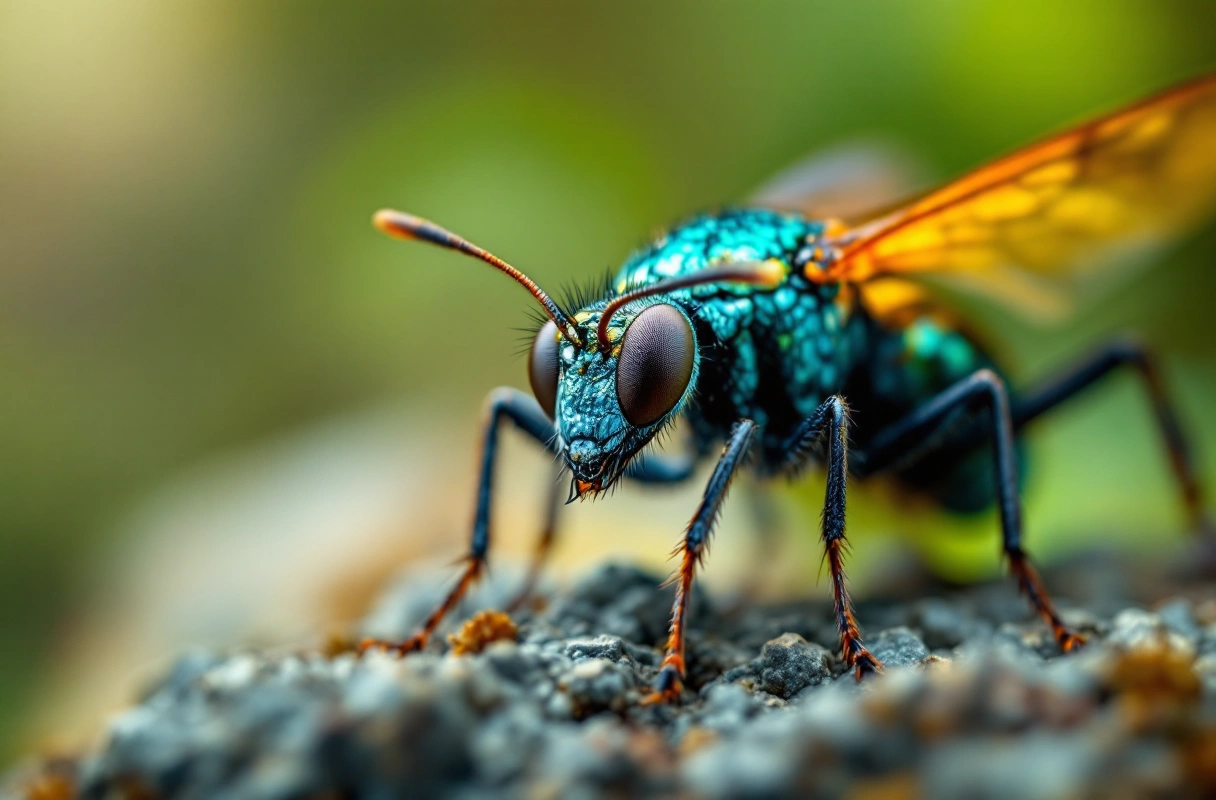
Insects exhibit incredible diversity in form, function, and behavior. Here, we highlight ten of the most fascinating insect species that not only capture the imagination but also play critical roles in their ecosystems.
The Goliath beetle is one of the largest insects in the world, weighing up to 3.5 ounces and measuring over 4 inches long. Native to Africa, these beetles are not just impressive in size; they also play a crucial role in their ecosystems as decomposers. Their larvae feed on decaying plant matter, contributing to nutrient cycling.
Famous for its incredible migration, the Monarch butterfly travels thousands of miles from North America to central Mexico each year. This species is a vital pollinator and serves as an important indicator of environmental health. Conservation efforts are critical to protecting their habitats along migratory routes.
The Bombardier beetle possesses a remarkable defense mechanism. When threatened, it ejects a hot chemical spray from its abdomen, deterring predators. This fascinating adaptation showcases the complexity of insect behavior and evolutionary strategies.
With its striking resemblance to orchid flowers, the orchid mantis is a master of camouflage. This predatory insect uses its appearance to attract prey, highlighting the intricate relationships between insects and their environments. Its hunting strategies demonstrate the adaptations insects have developed for survival.
The Spotted Lanternfly, native to Asia, has become an invasive species in North America. It feeds on the sap of trees, weakening them and potentially leading to their death. Understanding the ecological impacts of invasive insects is vital for developing effective management strategies.
Leafcutter ants are known for their unique behavior of cutting leaves and using them to cultivate fungus for food. This complex social structure and mutualistic relationship with fungi exemplify the intricate behaviors and interactions within insect communities.
Fireflies, or lightning bugs, are not only enchanting with their bioluminescence but also serve as indicators of environmental health. Their declining populations are a concern, as they are sensitive to habitat changes and pollution. Conservation efforts focus on preserving their habitats to ensure their survival.
The Blue Morpho butterfly is renowned for its vibrant blue wings, which are not only visually stunning but also play a role in mating and camouflage. These butterflies inhabit rainforests and are important pollinators, making their conservation essential for maintaining biodiversity in their habitats.
Known for its extraordinary strength, the Hercules beetle can lift objects over 850 times its weight. This beetle is a fascinating example of the evolutionary adaptations insects have developed. Additionally, they contribute to their ecosystems as decomposers.
Cicadas are known for their unique life cycles, often spending years underground before emerging to mate. Their loud calls are a distinctive feature of summer landscapes. The periodic cicada, which emerges every 13 or 17 years, is particularly fascinating and offers insights into evolutionary strategies for survival.
Despite their importance, insects are often misunderstood. Here are some common misconceptions and the truths behind them.
Many people view insects solely as pests, forgetting that they play essential roles in ecosystems. While some species can cause harm to crops and human health, the majority are beneficial. Pollinators, decomposers, and natural pest controllers are just a few examples of the positive contributions insects make.
Not all insects are harmful to humans or the environment. In fact, many insects are crucial for human survival. For instance, bees are responsible for pollinating a significant portion of the crops we consume. Understanding the ecological roles of different insect species can help shift perceptions and promote conservation.
Insects are integral to global biodiversity. They contribute to the health of ecosystems by supporting food webs, pollinating plants, and aiding in decomposition. The loss of insect species can have cascading effects on other organisms, emphasizing their importance in maintaining ecological balance.
Conserving insect biodiversity requires a multifaceted approach. Here are actionable steps individuals and communities can take to support insect conservation:
Create Pollinator Gardens: Plant native flowers that attract pollinators, providing food and habitat for bees, butterflies, and other beneficial insects.
Reduce Pesticide Use: Minimize the use of chemical pesticides in gardens and agriculture. Consider organic alternatives that are less harmful to beneficial insects.
Participate in Citizen Science: Engage in citizen science projects that focus on insect monitoring and identification. Contributing to data collection helps scientists track insect populations and health.
Educate Others: Share knowledge about the importance of insects and promote awareness of their roles in ecosystems. Education can foster a greater appreciation for biodiversity.
Support Conservation Organizations: Contribute to or volunteer with organizations dedicated to insect conservation. These groups often work on habitat restoration, education, and research initiatives.
Understanding insect biodiversity is essential for effective conservation efforts. By appreciating the roles in biodiversity insects play in ecosystems, we can better protect these vital organisms. The fascinating species discussed illustrate the diversity and complexity of insects, serving as a reminder of what is at stake.
Banana Slug Club is committed to promoting awareness and action for insect conservation. By providing resources and engaging the community, we can work together to support insect biodiversity and their habitats.
If you want to learn more about how to support insect biodiversity and conservation efforts, visit Banana Slug Club for valuable resources and information. Together, we can make a difference in preserving these vital creatures for future generations.
Get free resources, early access to new features and updates.
No spam. Just fun educational emails!


.svg)
.svg)