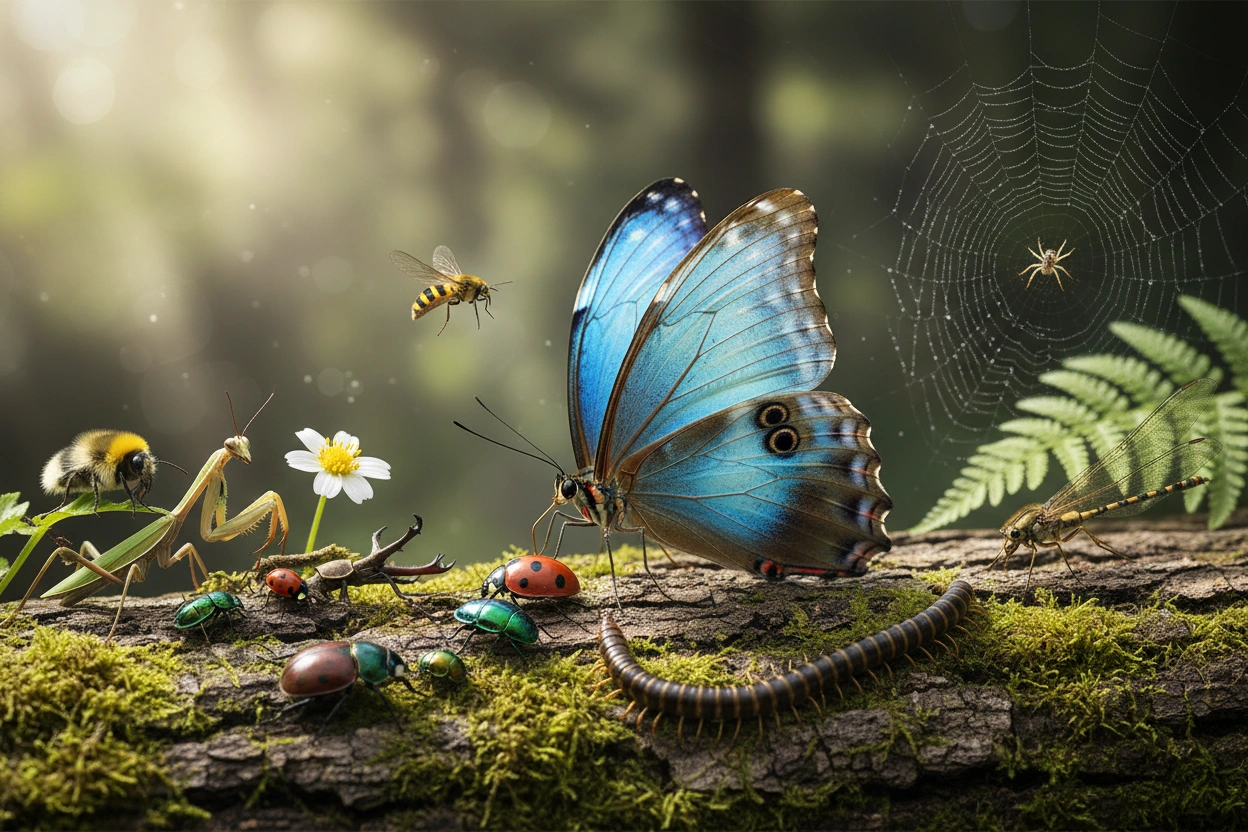
Insects are among the most diverse and fascinating creatures on the planet, representing a significant portion of Earth's biodiversity. With over a million identified species and potentially millions more yet to be discovered, they play crucial roles in ecosystems, agriculture, and even human health. For nature enthusiasts, understanding insects goes beyond mere identification; it involves appreciating their ecological importance, behavioral intricacies, and the conservation challenges they face. This guide aims to provide a comprehensive overview of insect biodiversity, focusing on species identification and highlighting some of the most captivating insect species.

Insects are critical to the health of our ecosystems. They serve numerous functions that support life on Earth, including pollination, decomposition, and serving as food for other wildlife. The loss of insect biodiversity can have cascading effects on food webs and ecosystem stability. For instance, many agricultural crops depend on insect pollinators, and their decline can lead to reduced yields and increased reliance on chemical inputs.
Moreover, insects contribute to soil health by breaking down organic matter and facilitating nutrient cycling. A diverse insect population enhances soil structure and fertility, which in turn supports plant growth. Therefore, understanding insect biodiversity is not just an academic pursuit; it is essential for environmental conservation and sustainable agriculture.
Insects occupy various niches within ecosystems, making them integral to ecological balance. Some key roles include:
Pollination: Many flowering plants rely on insects for pollination. Bees, butterflies, and beetles are among the most effective pollinators, and their activities are vital for the reproduction of many crops and wild plants.
Decomposition: Insects like dung beetles and ants play crucial roles in breaking down organic matter. This process not only recycles nutrients back into the soil but also helps control waste and disease.
Food Source: Insects are a primary food source for numerous animals, including birds, mammals, reptiles, and amphibians. The decline of insect populations can lead to food shortages for these predators, impacting their survival.
Despite their importance, many people hold misconceptions about insects. Some common myths include:
All insects are pests: While some insects can cause damage to crops and structures, the majority are beneficial or harmless.
Insects are dirty and dangerous: While certain insects can transmit diseases, most do not pose a threat to humans and can even help control harmful pests.
Insects are insignificant: Insects contribute to ecosystem services valued in the billions of dollars annually, underscoring their significance in both natural and agricultural systems.
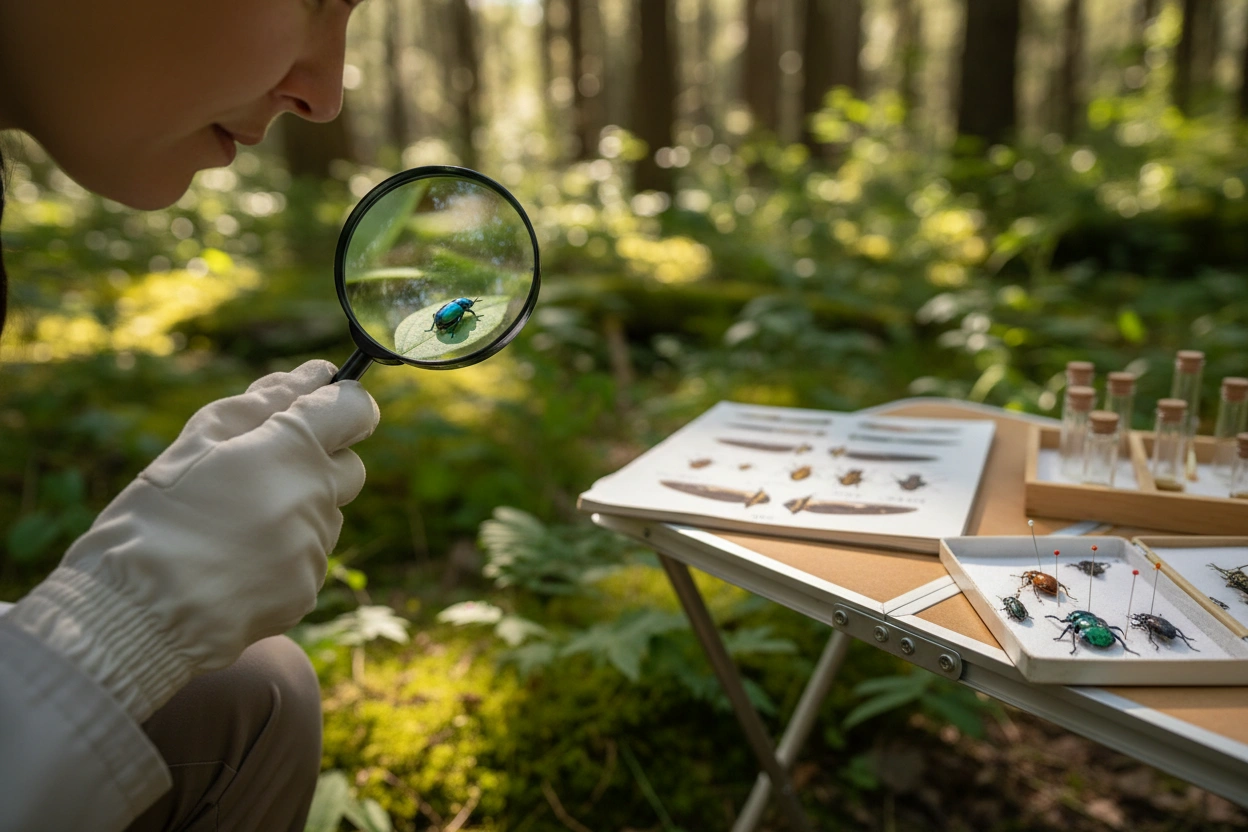
Identifying insect species can be a rewarding endeavor for nature enthusiasts. It enhances one’s understanding of biodiversity and the specific roles different species play in their environments. However, insect identification can be complex due to their vast diversity and the subtle differences between species.
When attempting to identify insect species, consider the following factors:
Morphology: Examine physical characteristics such as size, shape, color, and markings. Pay attention to wing structure, antennae, and mouthparts, as these can provide critical clues.
Behavior: Observing an insect’s behavior can also aid in identification. For example, certain species exhibit unique mating rituals or feeding habits.
Habitat: The environment where an insect is found can help narrow down potential species. Different insects thrive in distinct habitats, such as wetlands, forests, or urban areas.
To facilitate insect identification, several tools and resources can be utilized:
Field Guides: Invest in comprehensive field guides that cover local insect fauna. These guides often include photographs and descriptions that aid in identification.
Mobile Apps: There are numerous mobile applications designed to assist with species identification. These apps often allow users to upload photos and receive identification suggestions.
Online Databases: Utilize online resources and databases, such as BugGuide or iNaturalist, where enthusiasts can share observations and access a wealth of information.
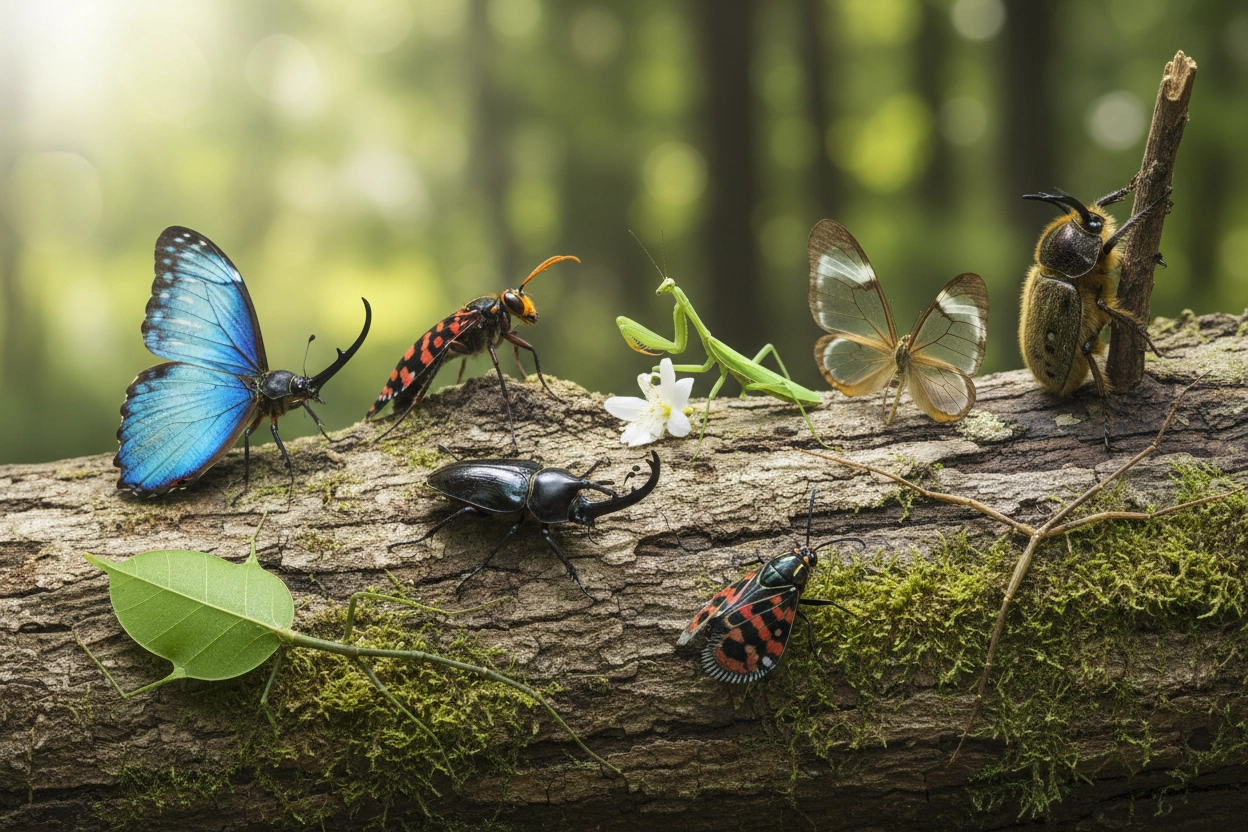
Exploring the diversity of insects reveals some truly remarkable species. Here are ten fascinating insect species that illustrate the incredible variety of life within this group:
The Monarch Butterfly is renowned for its incredible migration journey, traveling thousands of miles from North America to central Mexico. This species is not only a visual marvel with its striking orange and black wings but also plays a crucial role in pollination.
Known for its remarkable defense mechanism, the Bombardier Beetle can eject a hot, noxious chemical spray from its abdomen to deter predators. This fascinating adaptation showcases the ingenuity of evolutionary biology.
One of the largest insects on Earth, the Goliath Beetle can weigh up to 3.5 ounces and measure up to 4.3 inches in length. Found in Africa, these beetles are not only impressive in size but also exhibit stunning coloration.
With a wingspan that can reach up to 12 inches, the Atlas Moth is one of the largest moths in the world. Native to the tropical and subtropical forests of Southeast Asia, its striking patterns and colors make it a favorite among entomologists.
Leafcutter Ants are remarkable for their unique behavior of cutting and collecting leaves to cultivate fungus, which serves as their primary food source. This symbiotic relationship is a prime example of cooperation in nature.
The Praying Mantis is known for its distinctive posture and predatory skills. As a voracious predator, it feeds on various insects, including other mantises, demonstrating the complexity of food webs.
Fireflies, or lightning bugs, are famous for their bioluminescent abilities. Their flashing lights are a form of communication, primarily used in mating rituals. This enchanting display captivates observers during warm summer nights.
The Hercules Beetle is another giant of the insect world, known for its impressive size and strength. Males can lift objects over 850 times their weight, making them one of the strongest animals relative to body size.
These butterflies are celebrated for their vivid colors and distinctive tail-like extensions on their hindwings. Their striking appearance is complemented by their role as essential pollinators in their native habitats.
The Orchid Mantis is a master of camouflage, resembling the flowers it preys upon. This unique adaptation allows it to ambush unsuspecting pollinators, showcasing the intricate relationships within ecosystems.
The future of insect biodiversity is under significant threat from habitat destruction, climate change, and pesticide use. As nature enthusiasts, it is crucial to advocate for conservation efforts and educate others about the importance of insects in our ecosystems.
To protect insect biodiversity, consider the following strategies:
Habitat Preservation: Support initiatives that focus on preserving natural habitats, such as wetlands, forests, and grasslands. These areas are vital for sustaining diverse insect populations.
Sustainable Practices: Encourage sustainable agricultural practices that minimize pesticide use and promote biodiversity. Techniques like integrated pest management can help reduce harm to beneficial insects.
Public Education: Raise awareness about the importance of insects through community outreach and education programs. Engaging the public can foster a greater appreciation for these essential creatures.
Understanding insect biodiversity is not just about knowledge; it is about fostering a community of nature enthusiasts who can advocate for conservation. Organizations like the Banana Slug Club play a pivotal role in this endeavor by promoting education and outreach efforts aimed at protecting insect habitats and biodiversity.
As you explore the world of insects, consider joining or supporting local initiatives that focus on conservation and education. Engaging with like-minded individuals can amplify your impact and contribute to preserving our planet's rich biodiversity. To learn more about how you can get involved and make a difference in the realm of insect biodiversity, visit Banana Slug Club. Together, we can protect these fascinating creatures and ensure they thrive for generations to come.
Get free resources, early access to new features and updates.
No spam. Just fun educational emails!


.svg)
.svg)