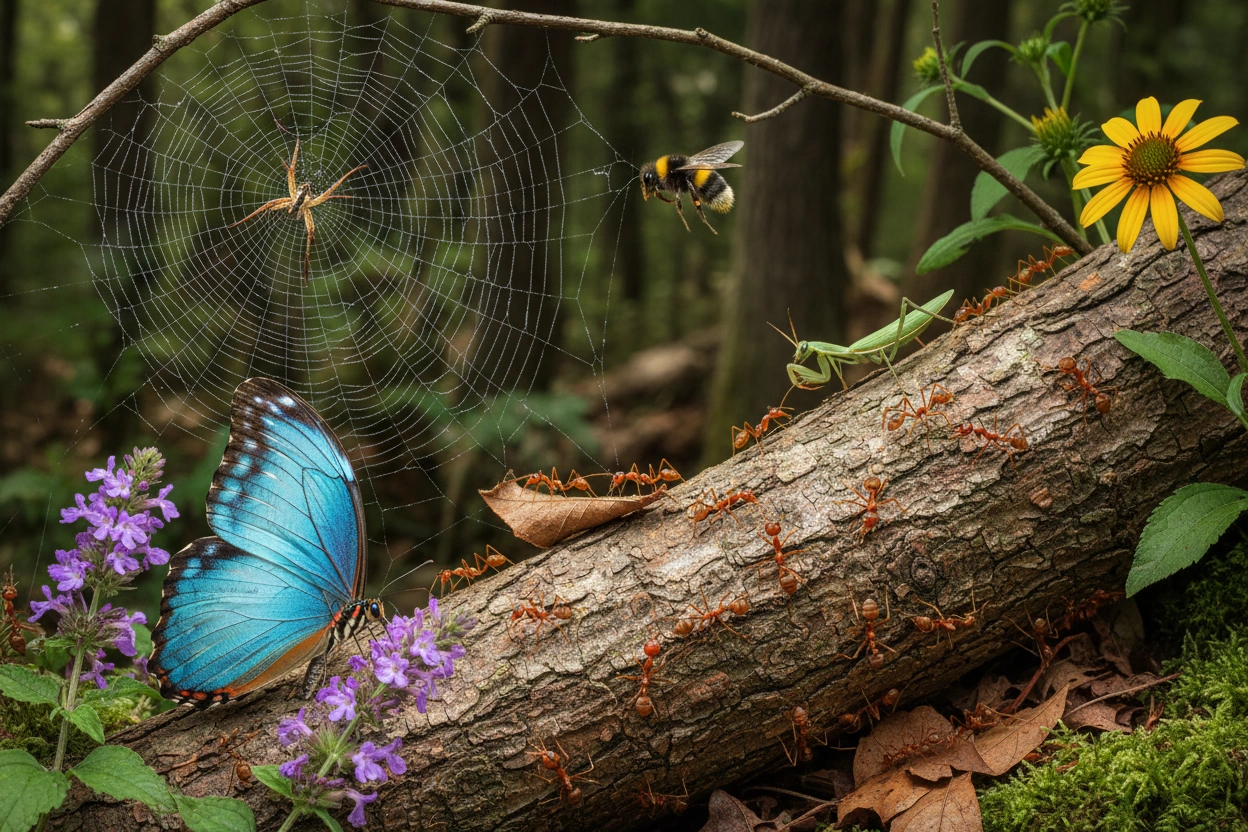
Insects are among the most fascinating and diverse creatures on our planet. With over a million identified species and millions more yet to be discovered, they play crucial roles as pollinators, decomposers, and even human health. Understanding insect behavior patterns is essential for various fields, including agriculture, conservation, and pest management. This article delves into what drives these tiny creatures, exploring their behavioral patterns, the factors influencing them, and a closer look at the top ten most fascinating insect species.

Insects are not just mere pests; they are integral to the functioning of ecosystems. By understanding their behavior, we can better appreciate their vital roles in maintaining ecological balance. Studying insect behavior can lead to practical applications in pest control and biodiversity conservation.
Insects communicate through various methods, including pheromones, visual signals, and sound. For example, ants use pheromones to mark trails to food sources, enabling others to follow. Similarly, fireflies employ bioluminescence to attract mates. This intricate communication network is vital for their survival and reproduction.
Insect behavior is influenced by a multitude of factors, including environmental conditions, food availability, and predation pressures. Temperature, humidity, and light can significantly impact their activity patterns. For instance, many insects are diurnal, active during the day, while others, like moths, are nocturnal. Understanding these influences can help in effective insect species identification and management strategies.

Insects exhibit a remarkable variety of forms and behaviors. Here are ten of the most captivating insect species that showcase the incredible diversity within this class:
Bombardier Beetle
Leafcutter Ant
Praying Mantis
Dragonfly
Emperor Butterfly
Firefly
Termite
Tarantula Hawk Wasp
Mantis Shrimp
Monarch Butterfly
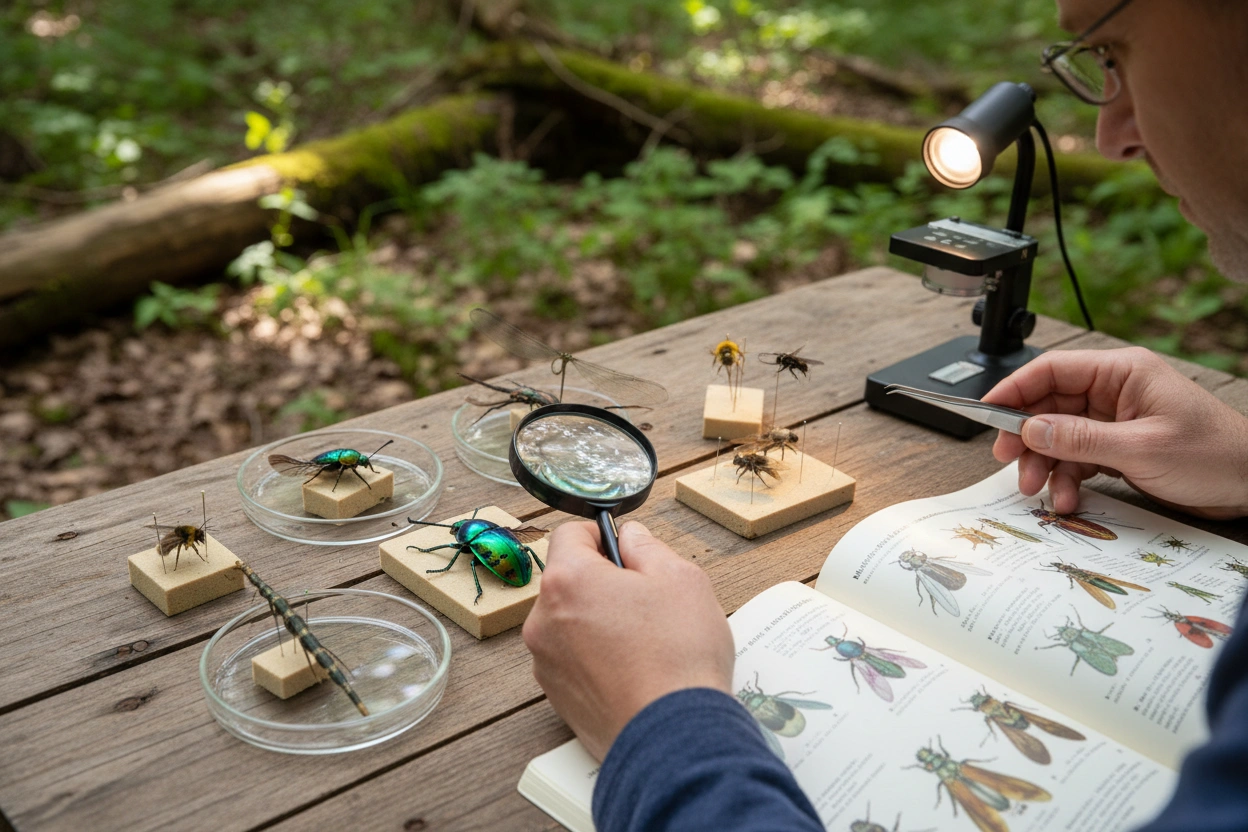
Identifying insect species is crucial for various applications, from pest management to ecological studies. Accurate identification can inform conservation strategies and pest control methods. Here are some essential steps and tips for effective insect species identification.
Observe Physical Characteristics
Examine Behavior
Use Identification Guides
Ignoring Seasonal Variations
Overlooking Local Species
Neglecting Behavior Observations
Insects play vital roles in maintaining ecological balance. They are essential for pollination, nutrient recycling, and serving as a food source for other animals. Understanding these roles can enhance conservation efforts and promote biodiversity.
Many flowering plants rely on insects for pollination. Bees, butterflies, and beetles are among the primary pollinators. The decline in insect populations poses a significant threat to food production and ecosystem health. Protecting pollinator habitats and minimizing pesticide use are crucial steps in supporting these essential insects.
Insects contribute to nutrient cycling by breaking down organic matter. Decomposers, such as dung beetles and certain types of ants, play a critical role in returning nutrients to the soil, promoting plant growth. This process is essential for maintaining healthy ecosystems.
Human activities have profound effects on insect populations and behavior. Urbanization, pesticide use, and climate change are among the factors that influence insect dynamics. Understanding these impacts is crucial for developing sustainable practices.
Urbanization disrupts natural habitats, leading to declines in insect populations. Green spaces, such as parks and gardens, can mitigate these effects by providing habitats for various species. Implementing insect-friendly landscaping practices can enhance biodiversity in urban areas.
The widespread use of pesticides has detrimental effects on insect populations, particularly pollinators. Integrated pest management (IPM) strategies that focus on reducing chemical use while promoting biological control methods can help mitigate these impacts.
Climate change alters habitat conditions, affecting insect behavior and distribution. Changes in temperature and precipitation patterns can disrupt life cycles, mating behaviors, and food availability. Monitoring and adapting to these changes are vital for conservation efforts.
Insects are essential components of our ecosystems, and understanding their behavior patterns can inform sustainable practices. By recognizing the importance of insects, we can better appreciate their roles and work towards preserving their populations.
Insects are not only fascinating but also vital to the health of our planet. By studying their behavior patterns and understanding their ecological roles, we can contribute to their preservation and the overall well-being of our ecosystems.
Insects are complex creatures that exhibit a wide range of behaviors and adaptations. Understanding these patterns is crucial for both ecological and practical reasons. The Banana Slug Club is dedicated to promoting awareness and education about these remarkable organisms. By engaging with our community, you can learn more about the role of insects in our world and how to support their populations.
Visit Banana Slug Club to discover more about insect behavior, participate in educational programs, and contribute to conservation efforts. Together, we can foster a deeper appreciation for these tiny yet impactful creatures.
Get free resources, early access to new features and updates.
No spam. Just fun educational emails!


.svg)
.svg)