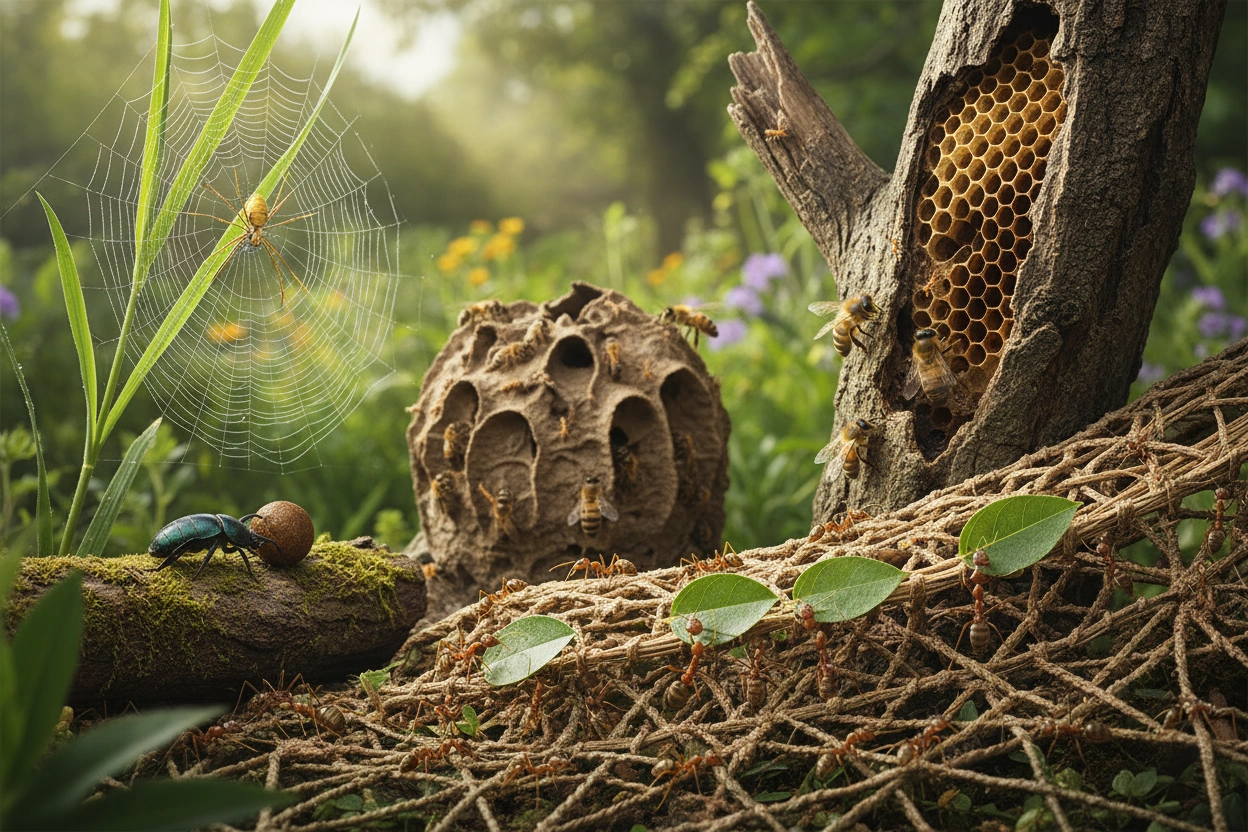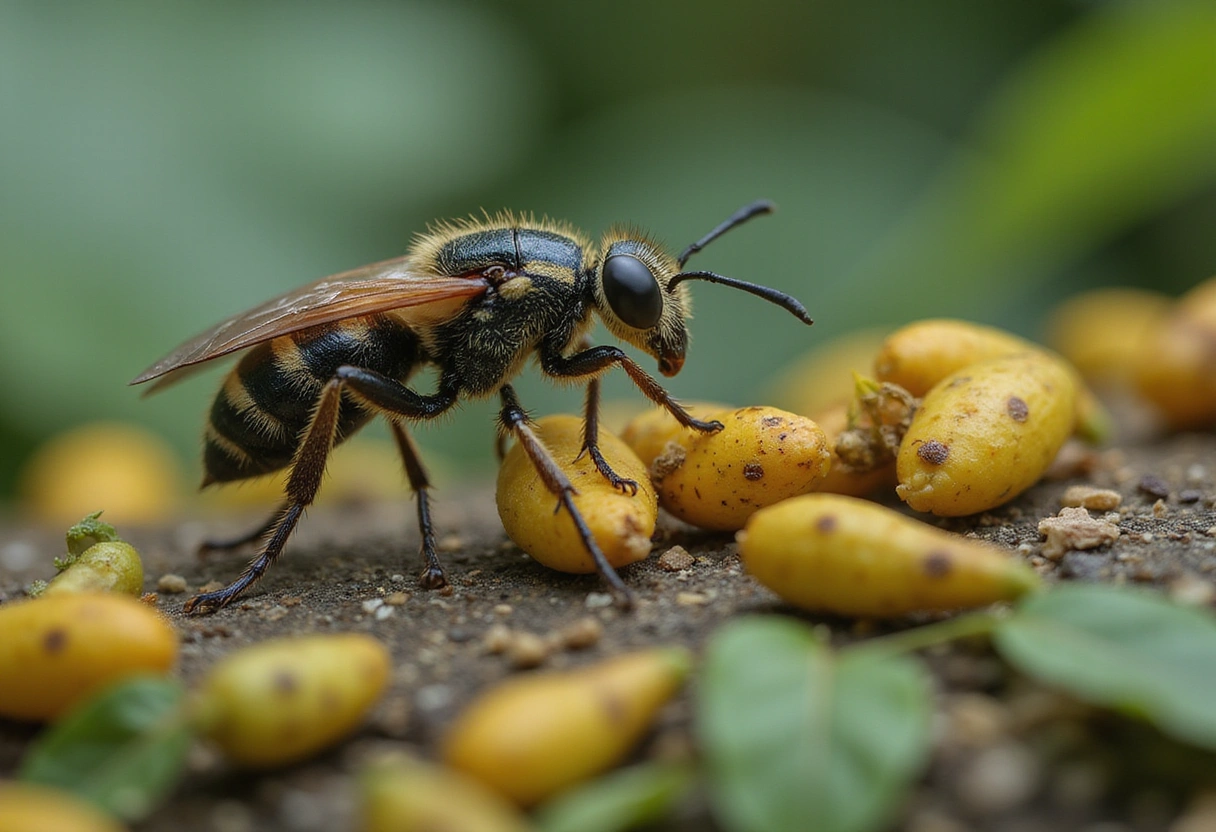
Insects are among the most diverse and abundant organisms on our planet, playing critical roles in ecosystems and human life. With over a million described species and estimates suggesting that up to ten million exist, the study of insects, or entomology, opens up a world of fascinating insights. Understanding insect behavior patterns is not only crucial for ecological balance but also for various applications, including agriculture, pest control, and even food sources. This article delves into what drives insect behavior, exploring their motivations, interactions, and the implications of their actions on biodiversity and food systems.
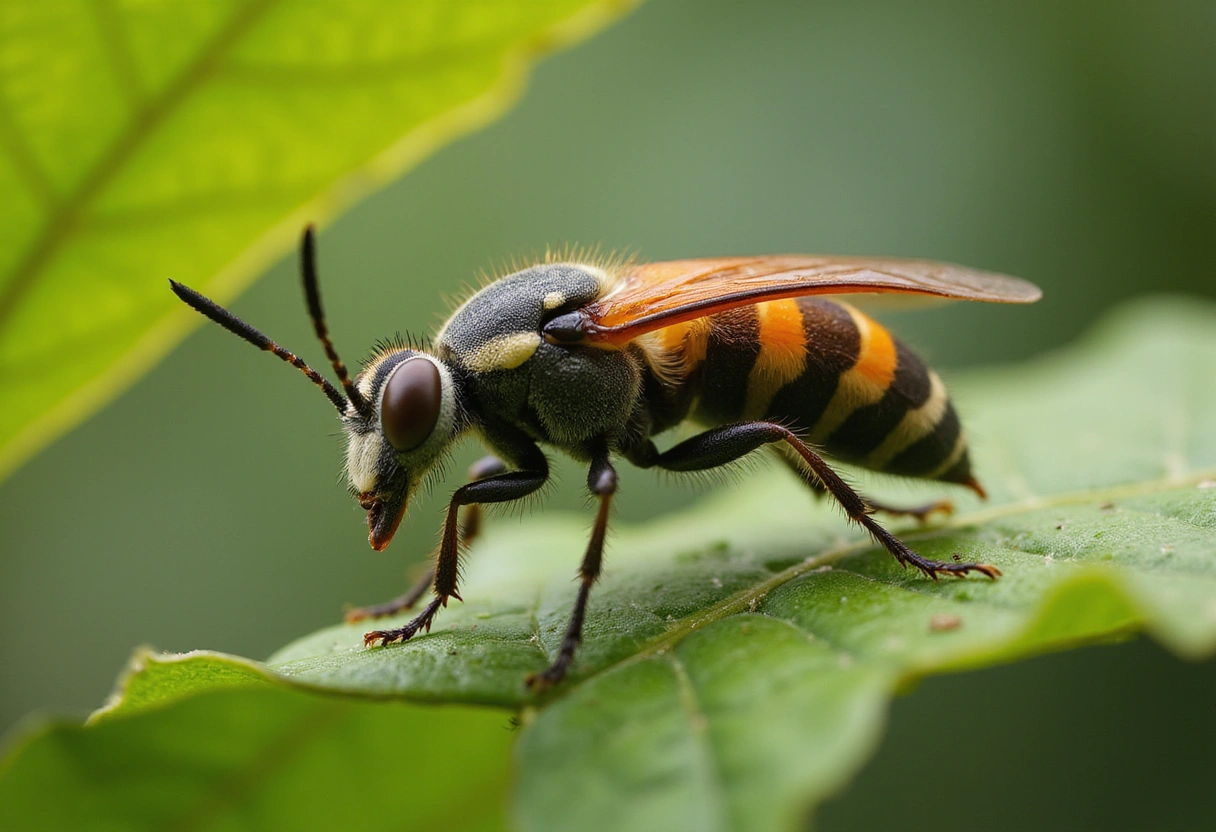
Insects exhibit a variety of behaviors that are influenced by both internal and external factors. These behaviors can range from foraging and mating to social interactions and navigation. Understanding the motivations behind these actions provides insights into their ecological roles and the potential impacts on human activities.
Insect behavior is largely driven by genetic factors and environmental conditions. Genetic predispositions can dictate specific traits that influence behavior, such as aggression, sociality, or reproductive strategies. For example, certain ant species exhibit altruistic behaviors, where workers sacrifice their lives for the colony's benefit. This is largely a genetic trait that has evolved over time.
Environmental factors also play a significant role in shaping behavior. Temperature, humidity, and the availability of food sources can all impact how insects interact with their surroundings. For instance, the behavior of honeybees is influenced by the presence of flowers, which provide nectar and pollen. In contrast, in times of scarcity, bees may exhibit more aggressive foraging behaviors to compete for limited resources.
Insects have developed complex communication methods to interact with each other, which are vital for their survival. Many species use pheromones—chemical signals—to convey information about food sources, mating opportunities, or threats. For example, when a worker ant discovers food, it releases pheromones to guide others to the resource. This behavior is essential for efficient foraging and colony survival.
Social structures among insects also influence behavior. Species such as bees, ants, and termites exhibit eusocial behavior, characterized by a division of labor, cooperative care of young, and overlapping generations. These social systems enable insects to work together, enhancing their survival rates and efficiency in resource acquisition. Understanding these social dynamics can provide insights into the resilience of insect populations and their role in ecosystems.
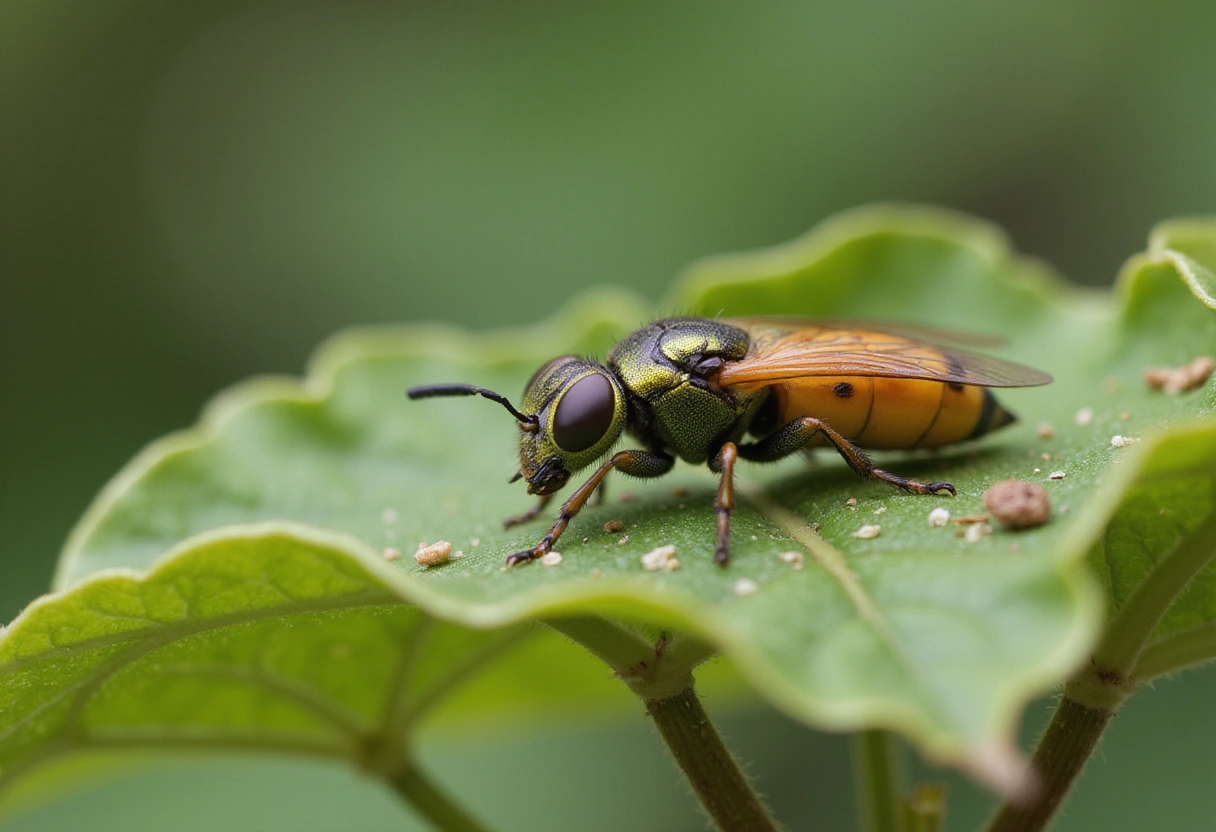
Insects are the most diverse group of organisms on Earth, and their biodiversity is crucial for maintaining ecosystem health. They contribute to pollination, decomposition, and nutrient cycling, which are essential processes for sustaining life. The loss of insect biodiversity poses significant risks to food security and ecological stability.
Pollination is one of the most critical services provided by insects. Approximately 75% of flowering plants rely on animals, particularly insects, for pollination. Bees, butterflies, and beetles are among the most effective pollinators, facilitating the reproduction of numerous crops and wild plants. The decline of these pollinator populations due to habitat loss, pesticide use, and climate change threatens food production and biodiversity.
To support pollinator populations, it is essential to create habitats that provide food and nesting resources. Planting native flowers and reducing pesticide usage are effective strategies to encourage insect biodiversity.
Insects also play a vital role in decomposition, breaking down organic matter and recycling nutrients back into the soil. Species such as dung beetles and ants contribute to this process by feeding on decomposing plant and animal material. This activity enhances soil fertility and structure, promoting healthy plant growth.
Understanding the role of insects in decomposition highlights the importance of preserving their habitats. Practices such as sustainable farming and organic waste management can help protect these essential organisms and the services they provide.
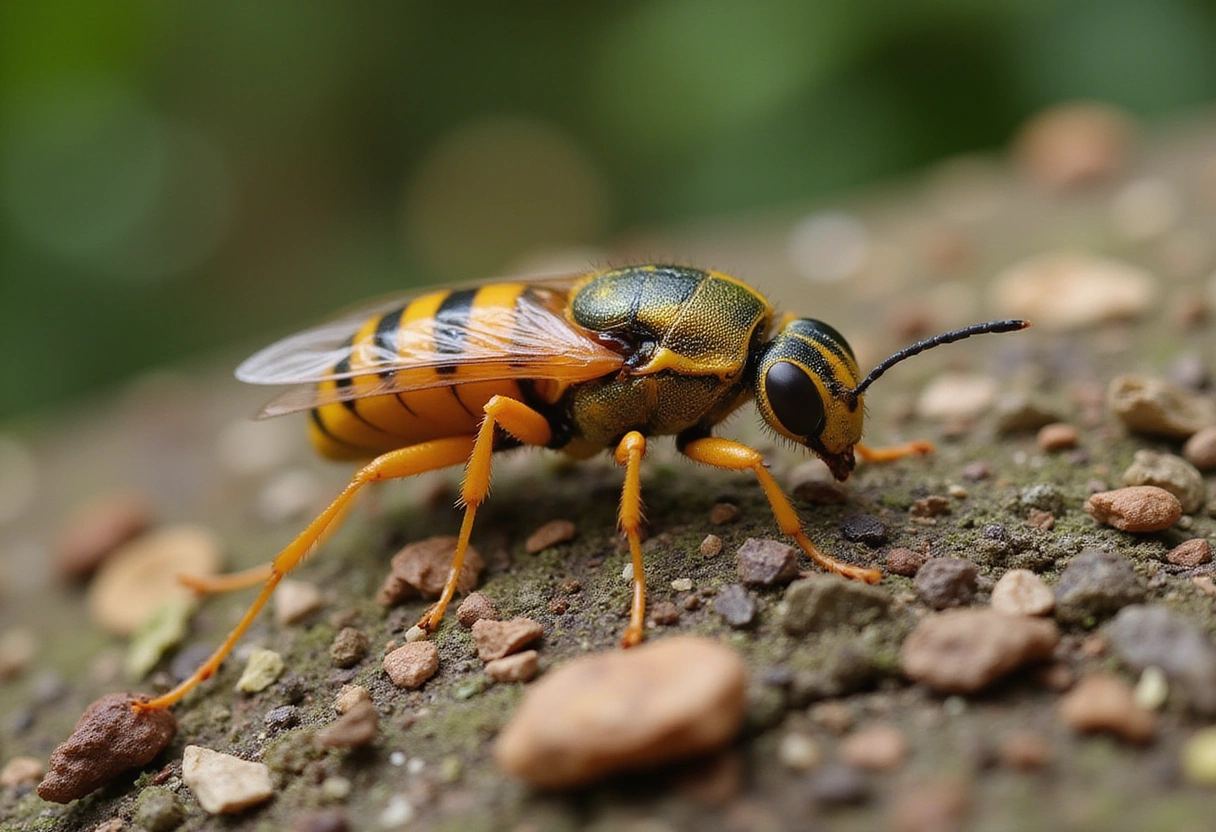
As the global population continues to grow, alternative food sources are becoming increasingly important. Insects, often referred to as "entomophagy," are gaining recognition as a sustainable and nutritious food option. They are rich in protein, vitamins, and minerals, making them an attractive alternative to traditional livestock.
Insects offer numerous nutritional benefits, which contribute to their appeal as a food source. Here are some key points:
As more people become aware of the benefits of entomophagy, the demand for insect-based products is likely to increase.
Despite the benefits, there are challenges and misconceptions surrounding the consumption of insects. Common concerns include food safety, cultural acceptance, and potential allergens. Here are some insights to consider:
By addressing these challenges, the insect farming industry can expand and provide sustainable food solutions.
Understanding insect behavior is complex, and several misconceptions can lead to misunderstandings about these creatures. Here are some common mistakes and how to avoid them:
Many people assume that all insects behave uniformly, which is far from the truth. Different species exhibit unique behaviors based on their ecological niches, life cycles, and social structures.
Another common mistake is underestimating how environmental changes affect insect behavior. Climate change, habitat destruction, and pollution can significantly alter insect populations and their interactions with ecosystems.
Insects are often overlooked in conservation efforts, yet they are essential for ecosystem health. Neglecting their conservation can lead to significant ecological consequences.
Understanding insect behavior patterns is critical for anyone interested in ecology, sustainability, and the future of food systems. As we face global challenges such as climate change and food security, embracing insects as a resource can lead to innovative solutions.
Education plays a vital role in promoting awareness about insects and their significance. Programs that engage students and nature enthusiasts can foster a deeper understanding of these creatures and encourage conservation efforts.
Individuals can contribute to insect conservation efforts in various ways:
In summary, understanding insect behavior patterns unveils the intricate dynamics of these tiny creatures and their roles within our ecosystems. By fostering awareness and appreciation for insects, we can promote biodiversity and sustainability.
At Banana Slug Club, we are dedicated to nurturing curiosity about the natural world. Whether you are a student eager to learn more or a nature enthusiast looking to deepen your knowledge, we provide resources and opportunities to explore the fascinating realm of insects. Together, we can create a more sustainable future by understanding and appreciating the vital roles insects play in our ecosystems.
Get free resources, early access to new features and updates.
No spam. Just fun educational emails!


.svg)
.svg)