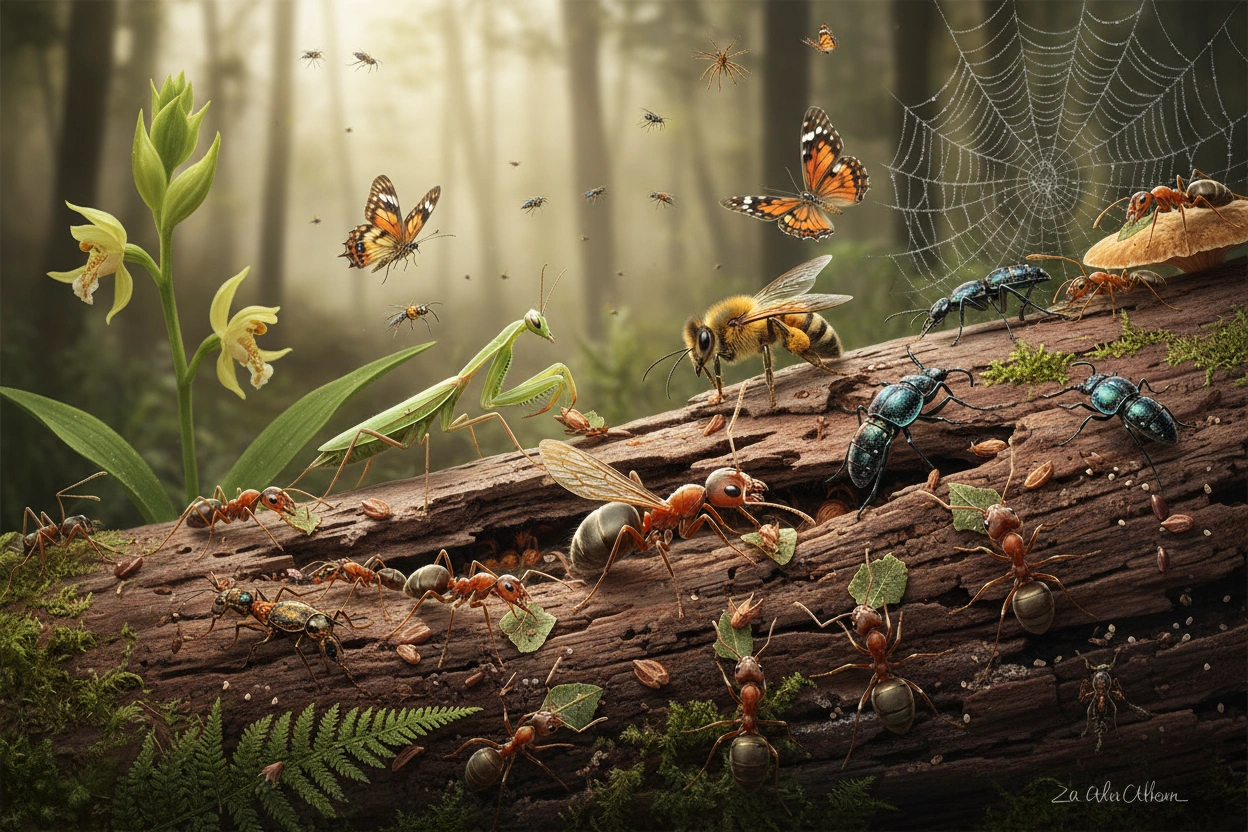
Insects are one of the most diverse and fascinating groups of organisms on Earth. With over a million known species and potentially millions more yet to be classified, insects exhibit a wide range of behaviors that can be both intriguing and perplexing. Understanding these behavior patterns is essential for a variety of fields, including ecology, agriculture, and pest management. This article delves into the driving forces behind insect actions, explores the intricacies of their behavior, and highlights the top ten most fascinating insect species that showcase the complexity of their lives.

Insect behavior is influenced by a combination of genetic, environmental, and social factors. These elements work together to dictate how insects interact with each other, their environment, and their food sources.
Genetics plays a crucial role in shaping the behavior of insects. Certain behaviors are inherited and can be observed across specific species. For instance, the migratory patterns of monarch butterflies are genetically programmed, guiding them from North America to Mexico annually.
Moreover, genetic variations can lead to different behavioral traits within a species. For example, in honeybees, some individuals are predisposed to foraging, while others may focus on hive maintenance. This genetic diversity allows insect populations to adapt to changing environments and survive various ecological pressures.
The environment in which an insect lives significantly impacts its behavior. Factors such as temperature, humidity, and the availability of food resources can drive changes in activity levels and social interactions.
Temperature: Many insects are ectothermic, meaning their body temperature is regulated by the surrounding environment. For instance, ants become more active during warmer months, while cold temperatures can slow their movement and reduce foraging behavior.
Humidity: Insects like mosquitoes thrive in humid conditions, which not only support their breeding but also influence their feeding patterns.
Food Availability: The presence or absence of food sources directly affects insect behavior. For example, locusts exhibit swarming behavior when food is scarce, moving in large groups to find new feeding grounds.
Insects are known for their complex social structures, particularly in species like bees, ants, and termites. These social influences can dictate behavior in several ways.
Communication: Many insects communicate through pheromones, sound, or visual signals, which can trigger specific actions within a group. For example, when a foraging ant finds food, it releases a pheromone trail that directs other ants to the food source.
Division of Labor: In social insects, roles are often divided based on caste. In honeybee colonies, workers, drones, and queens each have distinct responsibilities that contribute to the colony's success.
Understanding these behavioral patterns provides insights into the ecological roles of insects and highlights the importance of preserving their habitats.

The insect world is filled with remarkable species, each exhibiting unique behaviors that reflect their adaptations to the environment. Here are ten of the most fascinating insect species that showcase extraordinary behaviors:
Bombardier Beetle (Brachinus spp.)
Leafcutter Ant (Atta spp.)
Firefly (Lampyridae family)
Praying Mantis (Mantodea order)
Honeybee (Apis mellifera)
Monarch Butterfly (Danaus plexippus)
Cicada (Cicadidae family)
Mantis Shrimp (Stomatopoda order)
Termite (Isoptera order)
Dragonfly (Anisoptera suborder)
These insect species not only highlight the diversity of behaviors found in the insect world but also emphasize the importance of preserving their habitats.
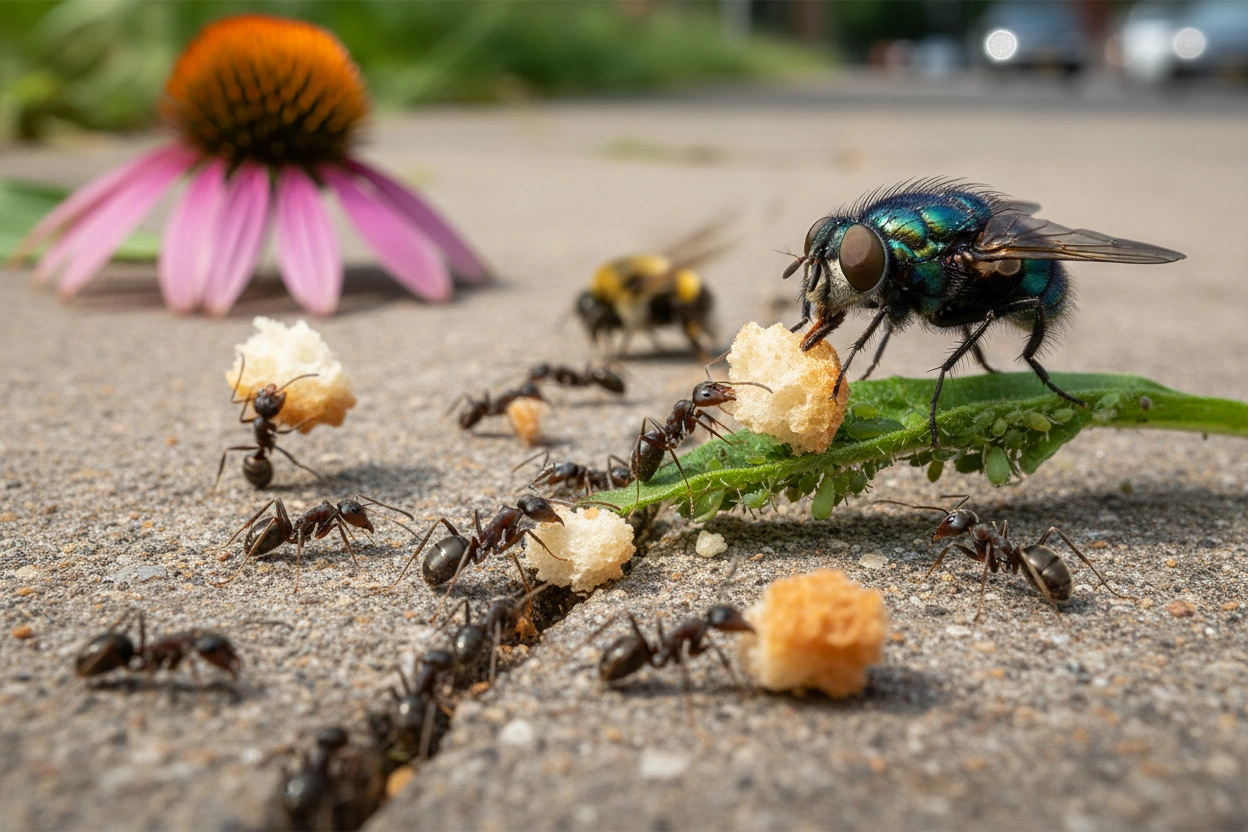
Despite the wealth of knowledge surrounding insect behavior, several misconceptions persist. Addressing these can enhance understanding and appreciation for these remarkable creatures.
One of the most common misconceptions is that all insects are pests. While some insects, such as cockroaches and mosquitoes, can pose health risks or damage crops, many insects are beneficial. Pollinators like bees and butterflies play a crucial role in food production, while decomposers like beetles and ants help recycle nutrients in ecosystems.
Another prevalent belief is that insects operate purely on instinct without any cognitive abilities. In reality, many insects exhibit complex problem-solving skills and social behaviors. For instance, honeybees can recognize human faces and remember floral patterns, demonstrating a level of intelligence that contradicts the notion of mindlessness.
While certain insects can be dangerous, such as those that carry diseases or cause allergic reactions, the majority pose little threat to humans. Insects like ladybugs and lacewings are beneficial for gardens and can help control pest populations. Understanding which insects are harmful and which are helpful can lead to better management strategies in agriculture and pest control.
The study of insect behavior patterns reveals a complex and intricate world governed by genetic, environmental, and social factors. By understanding what drives their actions, we can appreciate the vital roles insects play in our ecosystems and food systems.
At Banana Slug Club, we are dedicated to fostering a deeper understanding of the natural world, including the remarkable behaviors of insects. Whether you're a gardener looking to attract beneficial pollinators or an enthusiast eager to learn more about insect species identification, we provide resources and guidance tailored to your needs.
Explore the fascinating world of insects with us and discover how you can contribute to their conservation and appreciation. For more information, visit Banana Slug Club today.
Get free resources, early access to new features and updates.
No spam. Just fun educational emails!


.svg)
.svg)