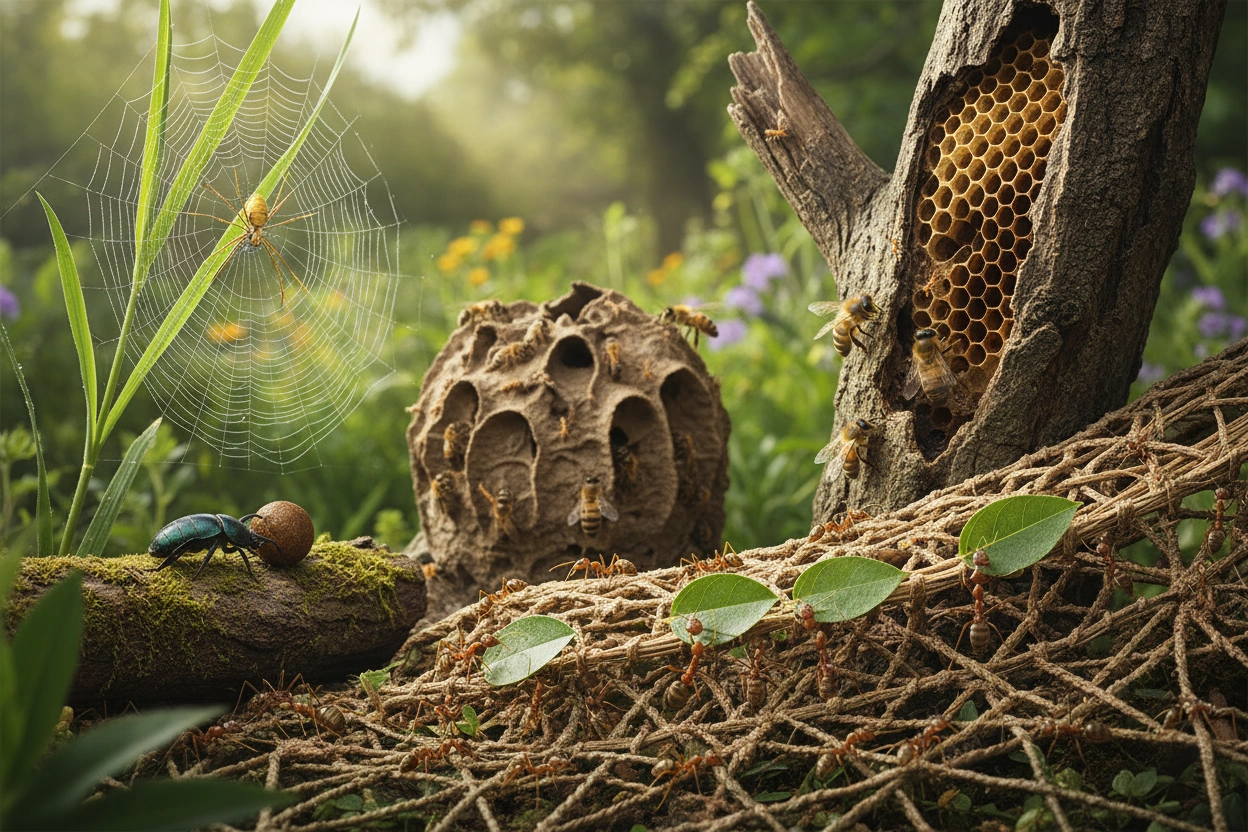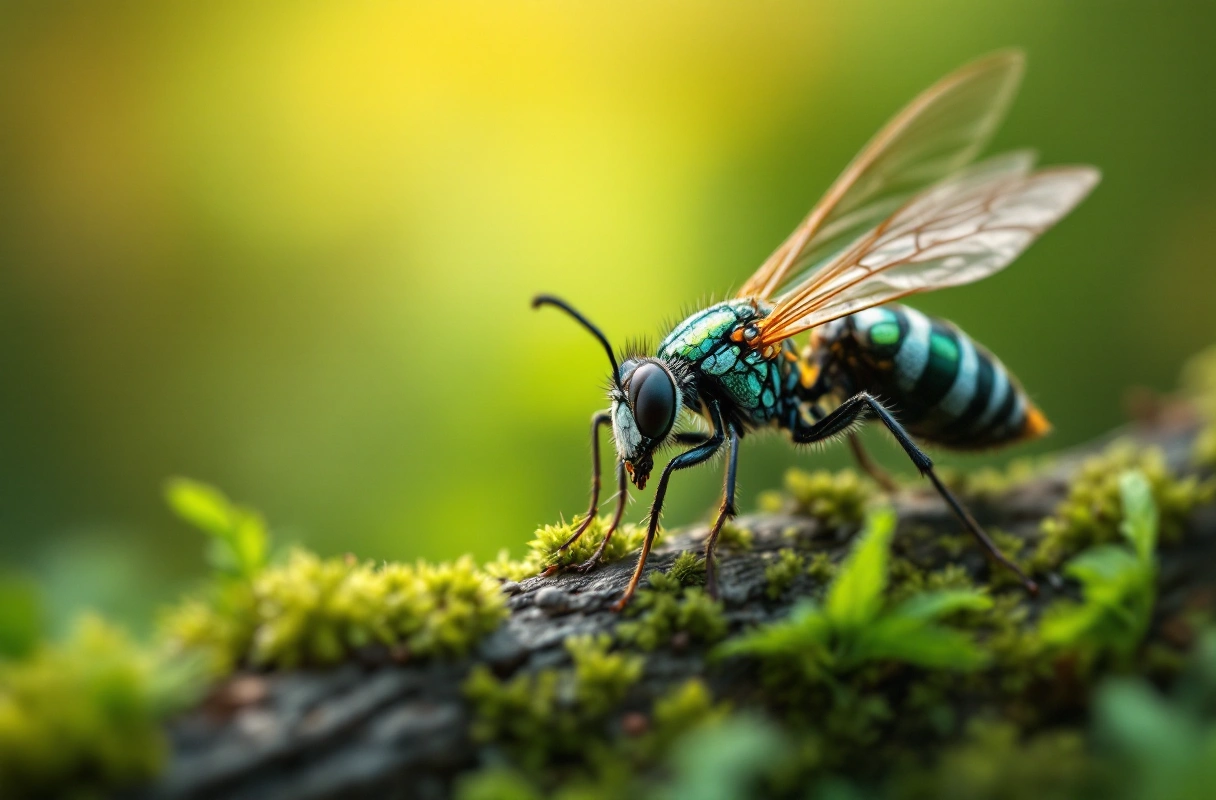
Insects are among the most diverse and abundant organisms on our planet, playing crucial roles in ecosystems worldwide. From pollinators to decomposers, understanding insect behavior patterns provides invaluable insights not only for nature enthusiasts but also for researchers and conservationists. This guide will delve into the fascinating world of insects, exploring their behavior patterns, social structures, and ecological significance.
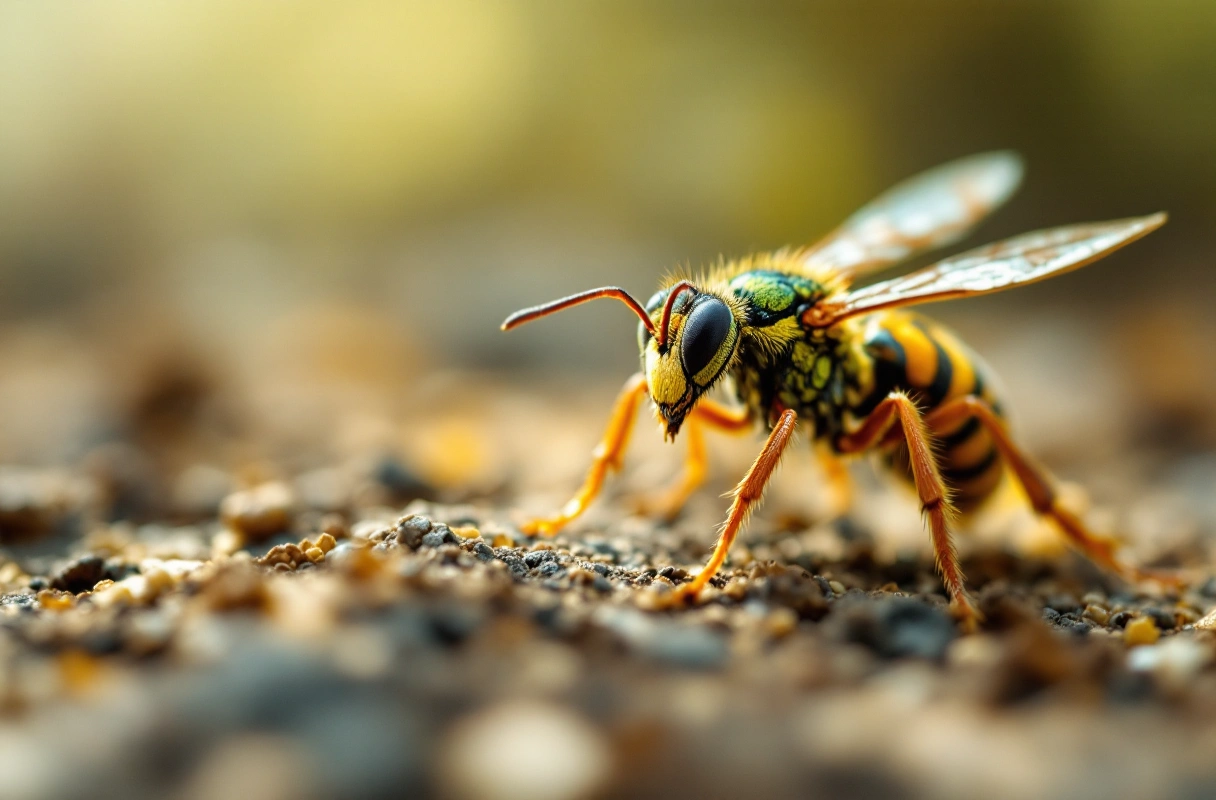
Insects exhibit a vast array of behaviors that are often complex and highly adaptive. These behaviors can be categorized into several types, including foraging, mating, communication, and defense mechanisms. The study of these behaviors not only reveals how insects interact with their environment but also sheds light on evolutionary processes that have shaped their development over millions of years.
Insects have evolved various strategies to survive and thrive in diverse habitats. For instance, social insects such as ants and bees display intricate social structures that facilitate cooperation and division of labor. On the other hand, solitary insects like moths and beetles exhibit individual behaviors that enhance their survival chances. Understanding these dynamics is essential for nature lovers who wish to appreciate the ecological roles insects play.
Insect behavior is influenced by both instinctual responses and learned behaviors. Instincts are innate behaviors that occur without prior experience, such as a moth’s attraction to light. These behaviors are vital for survival, guiding insects in finding food and mates.
Learning, on the other hand, allows insects to adapt to changing environments. For example, honeybees can learn to associate specific floral scents with food sources, enhancing their foraging efficiency. This adaptability is a key factor in the success of many insect species, enabling them to thrive in various conditions.
Many people hold misconceptions about insect behavior, often viewing them as mindless creatures driven solely by instinct. In reality, insects exhibit a range of behaviors that demonstrate intelligence and adaptability. For example, research shows that some species of ants can solve complex problems, such as navigating mazes or finding the shortest paths to food sources.
Another common misconception is that all insects are pests. While certain species can cause harm to crops or spread diseases, many insects are beneficial and essential for ecosystem health. Pollinators like bees and butterflies, for example, are essential for the reproduction of many flowering plants.
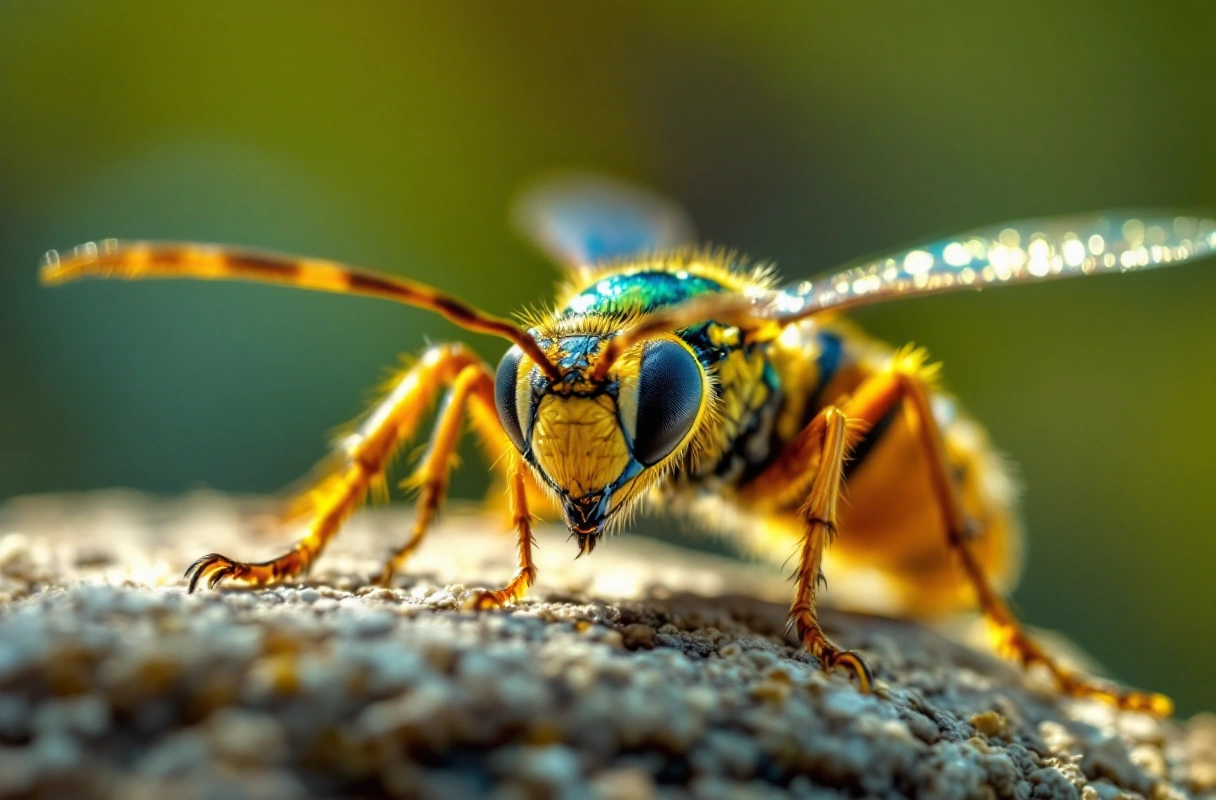
Understanding the different behavior patterns of insects can enhance your appreciation for these remarkable creatures. Here are some of the primary behavior patterns exhibited by insects:
Foraging Behavior
Mating Rituals
Communication
Defense Mechanisms
Social Structures
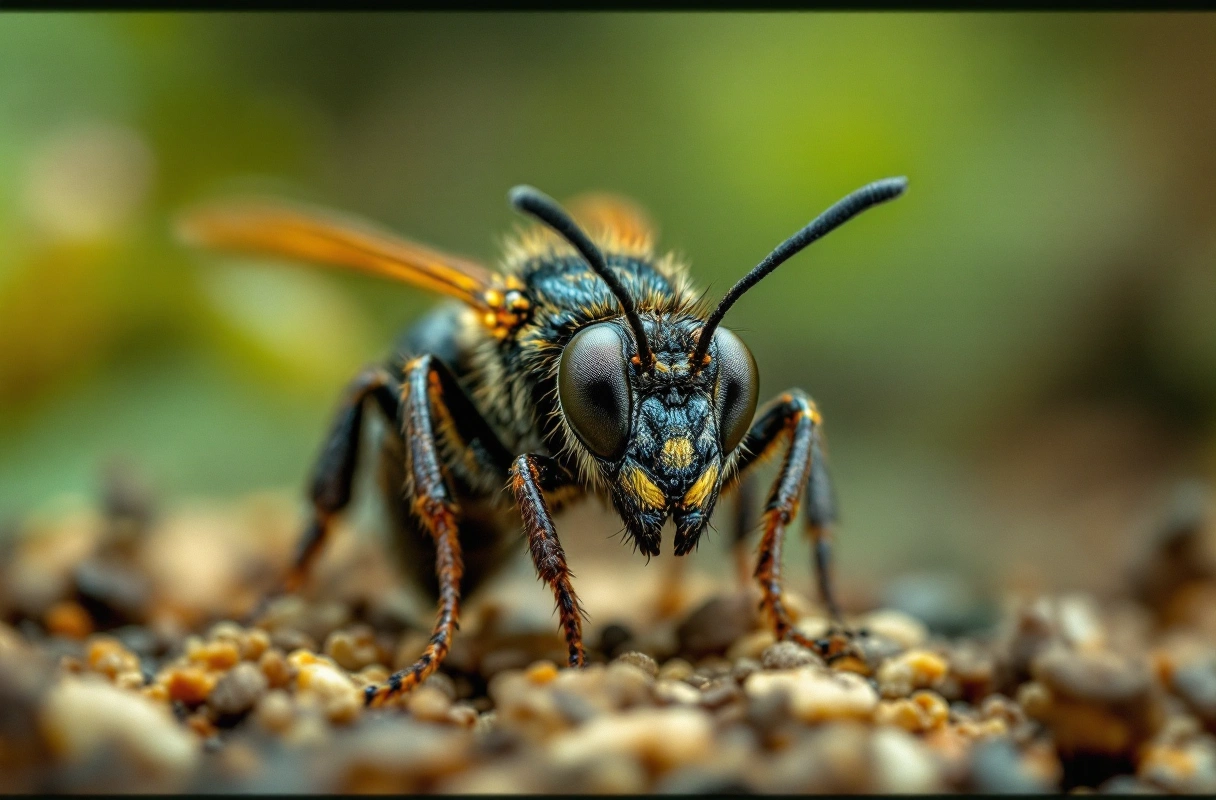
Insect social structures are among the most fascinating aspects of their behavior. Social insects, particularly those in the Hymenoptera order (which includes bees and ants), exhibit highly organized communities that thrive on cooperation and communication.
Ant colonies are a prime example of social structure in insects. Within a colony, individuals take on specific roles based on their age, size, and capabilities. For instance, worker ants are responsible for foraging, caring for the queen’s offspring, and maintaining the nest. The queen, on the other hand, focuses solely on reproduction.
This division of labor allows ant colonies to operate efficiently, with each member contributing to the colony's overall success. Additionally, some species of ants engage in mutualistic relationships with other insects, such as aphids, providing protection in exchange for honeydew, a sugary substance produced by aphids.
Honeybees are another excellent example of social insects, demonstrating complex behaviors that ensure the survival of their colonies. The hive operates as a superorganism, with individual bees performing specific tasks that support the whole. The queen bee is central to reproduction, while worker bees manage foraging, brood care, and hive maintenance.
Communication within a bee colony is sophisticated, primarily through pheromones and dances. The "waggle dance" is particularly noteworthy, as it conveys information about the distance and direction of food sources, showcasing the remarkable cognitive abilities of bees.
Insects play crucial roles in ecosystems, acting as pollinators, decomposers, and food sources for various animals. Their behaviors are essential for maintaining ecological balance, and understanding these roles can inform conservation efforts.
Many insects, particularly bees and butterflies, are vital for pollinating flowering plants. This process is crucial for the reproduction of many crops and wild plants. In fact, it is estimated that one-third of the food we consume relies on pollination by insects. Understanding the behavior patterns of these pollinators can help us protect their habitats and ensure the continuation of these essential services.
Insects also play a significant role in decomposition, breaking down organic matter and recycling nutrients back into the ecosystem. Beetles, for example, are key players in this process, as they feed on decaying plant and animal matter. By understanding insect behavior related to decomposition, we can appreciate their contribution to soil health and ecosystem functioning.
The presence and diversity of insect species can serve as indicators of environmental health. Changes in insect populations often reflect shifts in ecosystem conditions, such as habitat destruction or climate change. By monitoring insect behavior and populations, researchers can gain insights into broader ecological changes.
As nature lovers delve into the world of insects, there are several common mistakes to avoid to enhance their understanding and appreciation of these creatures.
One of the most prevalent mistakes is overgeneralizing insect behavior based on limited observations. While certain insects may exhibit specific behaviors, their actions can vary significantly based on environmental conditions, species, and social structures. It's essential to approach each species with an open mind and a willingness to learn about their unique behaviors.
Another common oversight is neglecting the importance of habitat in influencing insect behavior. Different environments can shape how insects forage, mate, and communicate. Understanding the relationship between habitat and behavior can lead to a deeper appreciation for the adaptations insects have developed.
Many people overlook the impact humans have on insect populations and behaviors. Habitat destruction, pesticide use, and climate change can significantly affect insect communities. Being aware of these influences can motivate nature lovers to advocate for conservation efforts and support sustainable practices that benefit both insects and the environment.
For nature enthusiasts eager to engage with insect behavior patterns, there are numerous ways to deepen your understanding and appreciation of these remarkable creatures.
One of the most effective ways to learn about insect behavior is through observation. Spend time in natural settings, observing insects in their habitats. Keep a journal to document your observations, noting behaviors, interactions, and environmental factors. This practice enhances your connection with nature and fosters a deeper understanding of insect life.
Citizen science projects provide excellent opportunities to engage with insect research. Many organizations invite volunteers to participate in data collection, which can help scientists monitor insect populations and behaviors. Engaging in these projects not only contributes to valuable research but also enhances your knowledge of local insect species.
Joining local nature groups or participating in workshops can further enrich your understanding of insect behavior. These groups often organize field trips, lectures, and hands-on activities that allow participants to learn from experts and share their experiences with fellow enthusiasts.
The Banana Slug Club is dedicated to promoting awareness and understanding of the natural world, including the fascinating behavior patterns of insects. By providing resources, workshops, and community engagement opportunities, the club empowers nature lovers to explore and appreciate the diversity of life around them.
Through the Banana Slug Club, individuals can connect with like-minded nature enthusiasts, attend educational workshops, and participate in citizen science projects focused on insects. These opportunities not only enhance knowledge but also foster a sense of community among individuals passionate about nature.
In addition to education, the Banana Slug Club advocates for the conservation of habitats that support diverse insect populations. By engaging with the club, individuals can learn about sustainable practices and how to contribute to the protection of these vital ecosystems.
Insects are an integral part of our ecosystems, showcasing remarkable behaviors and adaptations that are essential for ecological balance. By understanding insect behavior patterns, nature lovers can develop a deeper appreciation for these creatures and their roles in the environment.
Whether through observation, participation in citizen science, or engaging with community organizations like the Banana Slug Club, there are numerous ways to explore the captivating world of insects. By fostering a connection with these small yet mighty creatures, we can contribute to their conservation and promote a healthier planet.
If you're interested in learn about insects and how you can make a difference, contact Banana Slug Club today. Together, we can explore the wonders of the insect world and work towards a sustainable future.
Get free resources, early access to new features and updates.
No spam. Just fun educational emails!


.svg)
.svg)