Understanding Birds of Prey Migration Patterns and Seasonal Movements
Birds of prey, also known as raptors, are some of the most fascinating and skilled hunters in the avian world. Their migration patterns and seasonal movements are not only critical to their survival but also provide valuable insights into the health of ecosystems. As of 2026, understanding these patterns has become increasingly important for birdwatching enthusiasts, conservationists, and researchers alike. This article delves into the intricacies of raptor behavior, their migratory habits, and how birdwatching tours can enhance your appreciation of these magnificent creatures.
The Basics of Birds of Prey
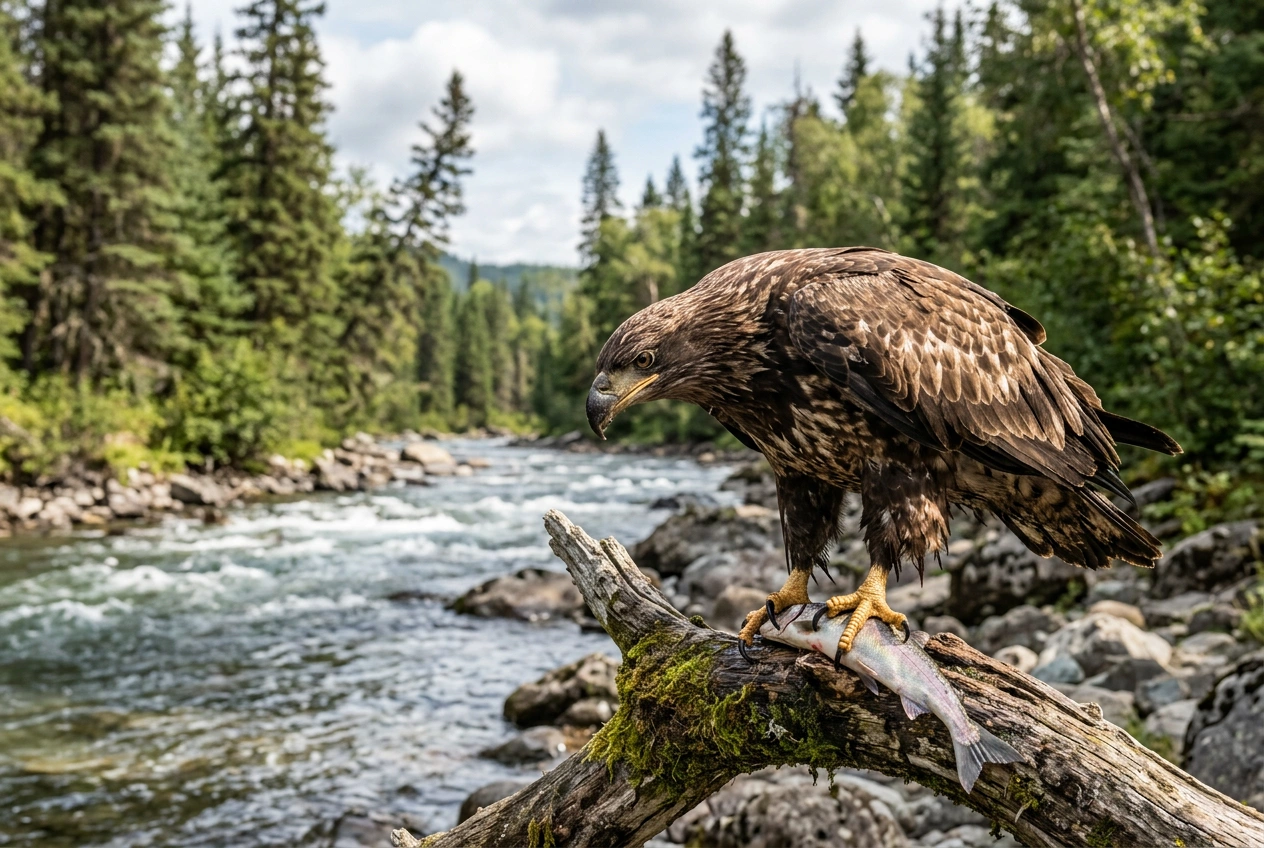
Birds of prey encompass a variety of species, including hawks, eagles, owls, and falcons. These birds are characterized by their keen eyesight, strong talons, and hooked beaks, which make them adept at hunting and feeding on other animals. Raptors play a crucial role in maintaining the balance of their ecosystems, acting as both predators and scavengers.
Key Characteristics of Raptors
Understanding the unique traits that define birds of prey is essential for anyone interested in birdwatching or wildlife conservation. Some key characteristics include:
- Keen Vision: Raptors possess exceptional eyesight, allowing them to spot prey from great distances. For example, a bald eagle can see up to three times farther than a human.
- Strong Talons: Their talons are designed for capturing and killing prey, making them effective hunters. The size and shape of the talons can vary significantly among species, reflecting their preferred hunting methods.
- Adaptable Diets: While many raptors are specialized hunters, others have more flexible diets. For instance, red-tailed hawks can consume small mammals, birds, and even reptiles, depending on availability.
Common Misconceptions About Raptors
Despite their prominence in nature, several misconceptions about birds of prey persist:
- Not All Raptors Are Large: While many people associate raptors with large birds like eagles, species like the American kestrel are small yet effective hunters.
- Raptors Are Not Just Birds of Prey: The term "raptor" is often used interchangeably with "birds of prey," but it specifically refers to birds that hunt and feed primarily on other animals.
Understanding the Behavior of Raptors
To fully appreciate birds of prey, one must explore their behavior, particularly regarding migration and seasonal movements. Raptors exhibit a range of behaviors that are intricately linked to their environment and life cycle.
Migration Patterns
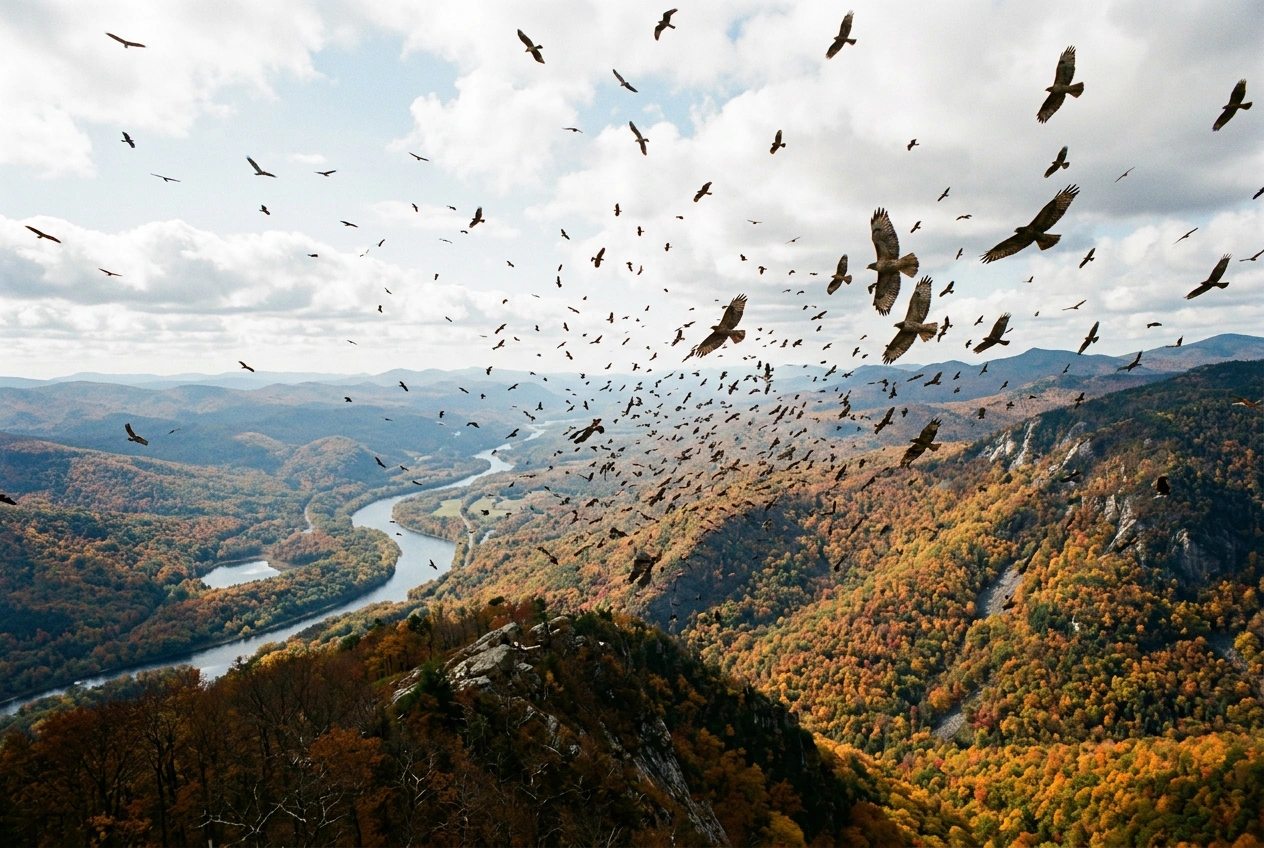
Migration is a critical aspect of raptor behavior, often driven by the availability of food and breeding conditions. Here are the primary types of migration patterns observed among raptors:
- Seasonal Migration: Many raptor species migrate seasonally between breeding and wintering grounds. For instance, the Swainson's hawk travels from North America to Argentina for the winter, covering thousands of miles.
- Altitudinal Migration: Some raptors, such as the golden eagle, may not migrate long distances but instead move to lower elevations in search of food during winter months.
- Nomadic Behavior: Certain species, like the rough-legged hawk, exhibit nomadic behavior, moving in response to food availability rather than following a strict migratory route.
Factors Influencing Migration
Several factors influence the migratory behavior of birds of prey, including:
- Weather Conditions: Adverse weather can impact the timing and route of migration. Raptors often take advantage of thermal currents to conserve energy during long flights.
- Food Availability: The presence or absence of prey species can dictate migration routes and timing. Raptors are highly attuned to changes in their environment.
- Breeding Requirements: The need to find suitable nesting sites and raise young can also drive migration patterns.
Seasonal Movements and Behavior
In addition to migration, seasonal movements are vital for understanding raptor behavior. Many species exhibit specific behaviors tied to the changing seasons.
Breeding and Nesting Behavior
During the breeding season, which typically occurs in spring, raptors engage in a variety of behaviors:
- Territorial Displays: Males often perform aerial displays to establish territory and attract mates. This can include soaring, diving, and vocalizations.
- Nesting: Raptors typically return to the same nesting sites each year. They often choose locations that provide safety from predators and easy access to food.
- Parental Care: After eggs hatch, both parents usually participate in caring for the young, bringing food and protecting the nest.
Wintering Habits
In winter, raptors exhibit behaviors that reflect their need for survival:
- Hunting Strategies: Many raptors adjust their hunting techniques based on prey availability. For example, in winter, they may focus more on smaller mammals or birds that are easier to catch.
- Social Behavior: Some species, like the peregrine falcon, may form small groups during winter months, allowing them to hunt more effectively and share information about food sources.
Birdwatching Tours and Raptors
Birdwatching tours provide an excellent opportunity to observe and learn about birds of prey in their natural habitats. These tours can enhance your understanding of raptor behavior and contribute to conservation efforts.
Benefits of Birdwatching Tours
Participating in birdwatching tours offers numerous benefits, including:
- Expert Guidance: Experienced guides can provide valuable insights into raptor identification and behavior, making your experience more enriching.
- Access to Prime Locations: Tours often take participants to prime raptor viewing locations, increasing the likelihood of observing different species in action.
- Educational Opportunities: Many tours include educational components that discuss raptor ecology, migration patterns, and conservation efforts.
Choosing the Right Tour
When selecting a birdwatching tour, consider the following factors:
- Reputation of the Tour Operator: Research the operator's credentials, reviews, and experience in leading birdwatching tours.
- Focus on Raptors: Ensure the tour specifically emphasizes birds of prey, as not all birdwatching tours will prioritize these species.
- Seasonal Timing: Choose a tour during peak migration or breeding seasons to maximize your chances of observing raptors.
The Importance of Conservation
Understanding the migration patterns and seasonal movements of birds of prey underscores the need for conservation efforts. Raptors are often indicators of environmental health, and their populations can reflect broader ecological changes.
Threats to Raptors
Several threats impact birds of prey, including:
- Habitat Loss: Urbanization, agriculture, and deforestation can destroy nesting and hunting grounds.
- Climate Change: Changes in climate can alter food availability and migratory patterns, affecting raptor populations.
- Pesticides and Chemicals: The use of pesticides can harm raptors directly or indirectly through the poisoning of their prey.
Conservation Strategies
Efforts to protect birds of prey often focus on:
- Habitat Protection: Preserving critical habitats through conservation easements and protected areas is essential for raptor survival.
- Public Awareness: Educating the public about the importance of raptors and their role in ecosystems can foster support for conservation initiatives.
- Research and Monitoring: Ongoing research helps track raptor populations and migratory patterns, informing conservation strategies.
The Intersection of Raptors and Community Engagement
Engaging communities in the conservation of birds of prey is vital for their long-term survival. Organizations like the Banana Slug Club play a crucial role in fostering awareness and support for raptor conservation.
Community Involvement in Conservation
Community engagement can take many forms, including:
- Citizen Science Projects: Encouraging local communities to participate in bird counts and monitoring can provide valuable data for researchers.
- Educational Programs: Hosting workshops and seminars on raptor behavior and conservation can raise awareness and inspire action.
- Partnerships with Local Organizations: Collaborating with schools, nature centers, and conservation groups can amplify conservation efforts.
How Banana Slug Club Can Help
The Banana Slug Club is dedicated to promoting awareness and conservation of wildlife, including birds of prey. By participating in their programs, you can contribute to the preservation of these magnificent creatures and enhance your understanding of their ecological significance. support your endeavors.
Embrace the Journey of Birdwatching
Birds of prey are not just remarkable hunters; they are vital components of our ecosystems. Understanding their migration patterns and seasonal behaviors provides a deeper appreciation for their role in nature. By participating in birdwatching tours and supporting conservation efforts, you can help ensure that these incredible raptors continue to thrive for generations to come.
As you embark on your journey of exploration, consider how the Banana Slug Club can support your endeavors. Whether you are looking to deepen your knowledge of birds of prey or actively participate in conservation initiatives, the Banana Slug Club offers resources and opportunities that can enhance your experience.
Take Action Today
If you are passionate about birds of prey and want to learn more about how you can contribute to their conservation, contact Banana Slug Club today. Together, we can make a difference in preserving these majestic raptors for future generations.