Birdwatching is a captivating activity that invites enthusiasts to connect with nature while observing the incredible behaviors of various avian species. Among the most fascinating subjects of study are birds of prey, known for their impressive hunting skills and striking physical attributes. As of June 2026, responsible birdwatching practices have become crucial, especially for raptors, whose habitats face increasing threats from human activities. This article delves into understanding the behavior of raptors, offering insights into safe birdwatching tours and responsible practices that ensure the protection of these magnificent creatures.
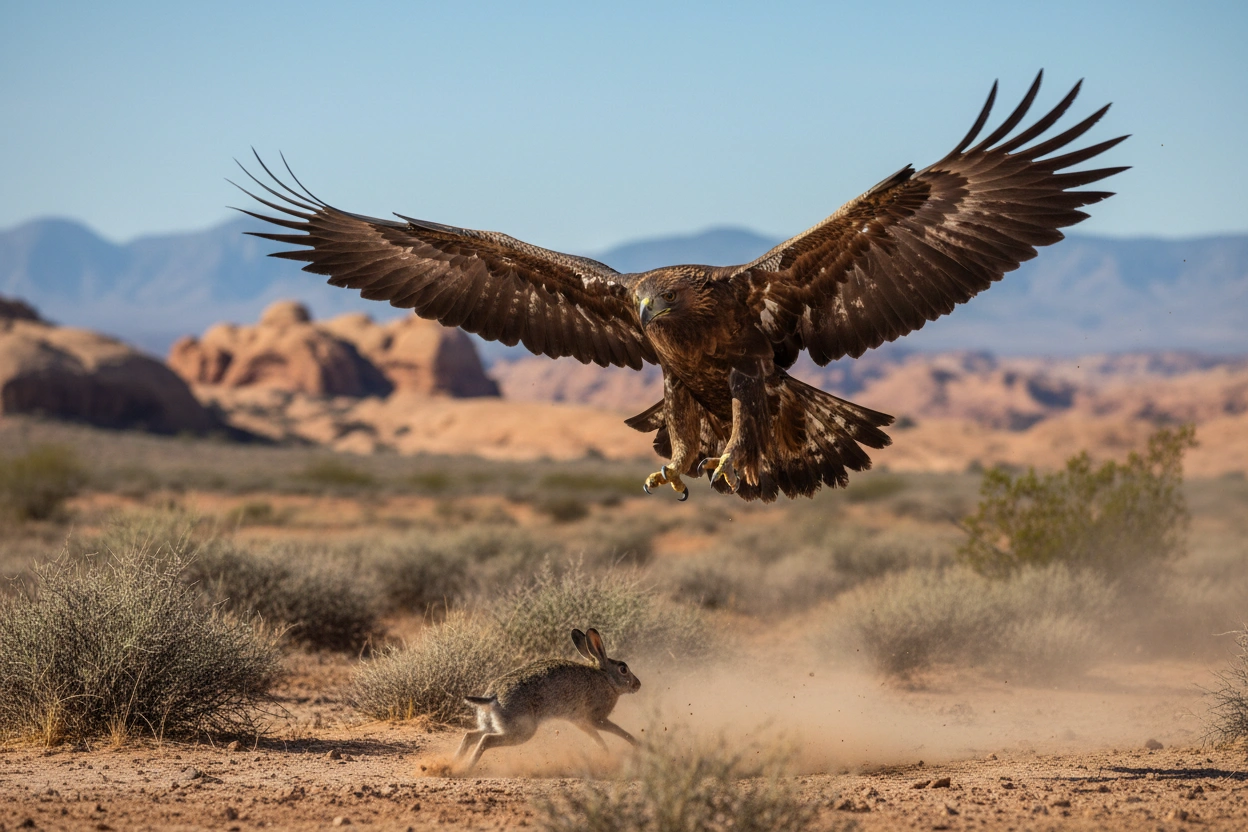
Raptors, or birds of prey, include species such as eagles, hawks, falcons, and owls. These birds are characterized by their keen eyesight, strong talons, and hooked beaks, which enable them to hunt effectively. Understanding their behavior is essential for birdwatchers who wish to observe these birds in their natural habitats without causing them harm.
Raptors employ various hunting techniques depending on their species and the environments they inhabit. For instance, the red-tailed hawk typically hunts from a perch, scanning the ground for small mammals before swooping down to capture its prey. In contrast, peregrine falcons are known for their remarkable speed, often diving from great heights to snatch unsuspecting birds mid-flight.
Understanding these behaviors helps birdwatchers appreciate the skills that raptors have developed over time, enhancing the experience of observing them in the wild.
Raptors often exhibit complex social structures, especially during mating seasons. Many species engage in elaborate courtship displays, where males perform aerial acrobatics to attract females. This behavior is not only fascinating to observe but also plays a critical role in the species' reproductive success.
By understanding these social dynamics, birdwatchers can better interpret the interactions they observe, leading to a more enriching experience.

As birdwatching enthusiasts seek to enjoy observing birds of prey, it is imperative to undertake responsible practices that respect wildlife and their habitats. Here are several key considerations when planning birdwatching tours focused on raptors.
Selecting an appropriate location is vital for a successful birdwatching experience. Look for areas known for raptor sightings, such as national parks, wildlife refuges, or designated birding hotspots. Research local regulations and guidelines to ensure that you are visiting areas that prioritize conservation.
By choosing the right locations, birdwatchers can minimize their impact on the environment while maximizing their chances of observing birds of prey.
Timing is crucial when planning birdwatching tours. Many raptors are more active during specific times of the day, typically early in the morning and late in the afternoon. Additionally, understanding seasonal migrations can significantly enhance your chances of observing different species.
By aligning your visits with optimal times, you increase the likelihood of witnessing exciting raptor behaviors.
Responsible birdwatching goes beyond simply observing wildlife; it involves ensuring that your presence does not disrupt the natural behaviors of raptors. Here are essential practices to adopt:
By adhering to these practices, birdwatchers can enjoy their passion while contributing to the conservation of birds of prey and their habitats.

Despite their popularity among birdwatchers, several misconceptions about birds of prey persist. Addressing these misunderstandings is crucial for fostering a deeper appreciation for these incredible creatures.
Many people assume that all birds of prey are aggressive and dangerous. While raptors are skilled hunters, most species are not a threat to humans. Their primary focus is on hunting smaller animals for food. Understanding this distinction can help alleviate fears and encourage more people to engage in birdwatching.
Another common misconception is that raptors are pests that threaten livestock or pets. While they may occasionally prey on small animals, they play a vital role in controlling rodent populations and maintaining ecological balance. Educating the public about the benefits of raptors can help improve their perception and foster coexistence.
While some raptor species face significant threats and are listed as endangered, many populations are stable or even thriving. Conservation efforts have led to successful breeding programs and habitat restoration projects that support raptor populations. Understanding the conservation status of specific species is essential for responsible birdwatching.
To make the most of your birdwatching tours focused on birds of prey, consider incorporating the following strategies into your outings.
Having the right equipment can significantly enhance your birdwatching experience. Binoculars, spotting scopes, and field guides are essential tools for observing and identifying raptors in the wild.
Investing in quality equipment ensures that you have the best chance of observing and appreciating the beauty of birds of prey.
Connecting with local birdwatching clubs or organizations can greatly enrich your experience. These groups often host guided tours, workshops, and events that provide insights into birdwatching techniques and conservation efforts.
By participating in these communities, birdwatchers can enhance their knowledge and contribute to the preservation of birds of prey.
Keeping a birdwatching journal can be an excellent way to track your experiences and observations. Documenting the species you encounter, their behaviors, and the locations visited can deepen your understanding and appreciation of birds of prey.
Maintaining a journal not only enriches your birdwatching experience but also contributes to citizen science efforts by providing valuable data to researchers.
Responsible birdwatching, particularly when it comes to observing birds of prey, is essential for preserving the delicate balance of ecosystems and ensuring that future generations can enjoy these magnificent creatures. By understanding raptor behavior, planning thoughtful birdwatching tours, and embracing ethical practices, enthusiasts can make a positive impact on wildlife conservation.
Banana Slug Club is dedicated to promoting responsible wildlife observation and conservation efforts. Through educational programs and community engagement, the club fosters a deeper understanding of birds of prey and their habitats. By participating in Banana Slug Club activities, birdwatchers can enhance their skills and contribute to the protection of these incredible raptors.
If you're passionate about birds of prey and want to deepen your knowledge while engaging in responsible birdwatching, consider joining the Banana Slug Club. This community offers resources, workshops, and opportunities to connect with fellow enthusiasts who share your love for wildlife.
To learn more about how you can get involved and make a difference, visit Banana Slug Club today.
Get free resources, early access to new features and updates.
No spam. Just fun educational emails!


.svg)
.svg)