Top Tips for Identifying Birds of Prey on Your Next Birdwatching Tour
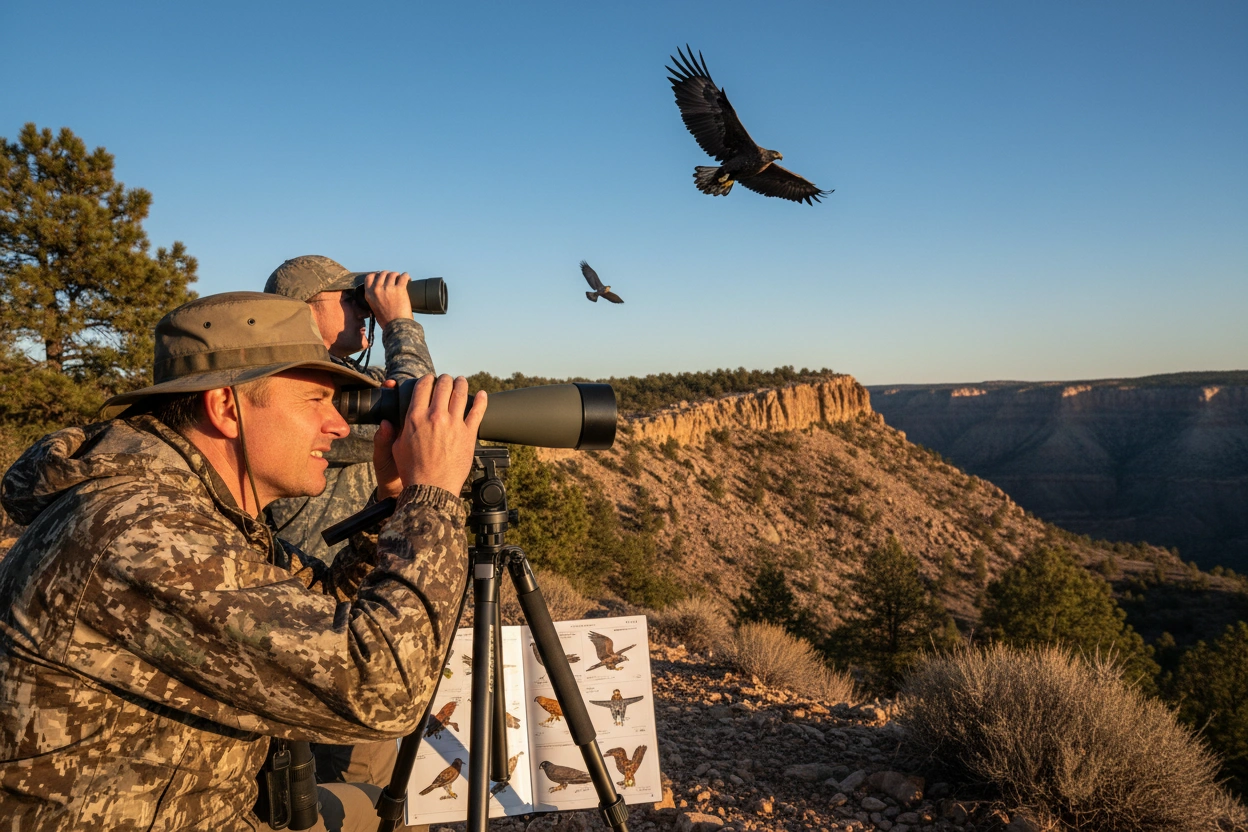
Birdwatching tours offer an exciting opportunity to connect with nature and witness the majestic beauty of wildlife. Among the most fascinating avian species are birds of prey, known for their keen eyesight, impressive wingspans, and hunting prowess. Whether you are an experienced birdwatcher or a novice, understanding how to identify these raptors can enhance your experience and deepen your appreciation for avian life. This guide will provide you with essential tips for identifying birds of prey, alongside insights into their behavior and habits.
Understanding Birds of Prey
Birds of prey, or raptors, encompass a diverse group of birds that primarily hunt and feed on other animals. This group includes species such as eagles, hawks, falcons, and owls. Raptors are characterized by their sharp talons, hooked beaks, and excellent vision, which are essential for hunting. They play a crucial role in maintaining the balance of ecosystems by controlling prey populations.
Key Characteristics of Raptors
When identifying birds of prey, it is important to recognize several key physical and behavioral characteristics:
- Beak Shape: Raptors have hooked beaks designed for tearing flesh. This feature is a clear indicator of a bird's predatory nature.
- Talons: Sharp, powerful talons are used to grasp and kill prey. The size and shape of the talons can vary between species.
- Size and Wingspan: Raptors come in various sizes. For instance, eagles are typically larger than hawks, and their wingspans can range from a few feet to over seven feet in some species.
Understanding these characteristics can help birdwatchers quickly identify the species they encounter.
Behavioral Traits of Raptors
In addition to physical attributes, observing the behavior of birds of prey can provide valuable identification clues:
- Hunting Techniques: Different raptors employ various hunting strategies. For example, kestrels hover in the air to spot prey, while eagles often dive from great heights.
- Vocalizations: Each raptor species has unique calls and vocalizations. Familiarizing yourself with these sounds can aid in identification even when the bird is not visible.
- Soaring Patterns: Many raptors are known for their soaring flight. Observing how a bird flies, whether it flaps its wings frequently or glides on thermals, can indicate its species.
Tips for Identifying Birds of Prey
Identifying birds of prey during your birdwatching tours can be both rewarding and challenging. Here are some practical tips to enhance your skills:
1. Invest in Quality Binoculars
Having a good pair of binoculars is essential for birdwatching. Look for binoculars that offer:
- Magnification: A magnification of 8x to 10x is ideal for observing distant raptors without compromising image stability.
- Field of View: A wider field of view allows for easier tracking of birds in flight.
- Durability: Waterproof and fog-proof binoculars are essential for outdoor use.
2. Learn the Common Species
Familiarize yourself with the most common birds of prey in your area. Some species to look out for include:
- Red-tailed Hawk: Known for its distinctive red tail and soaring flight.
- Bald Eagle: Recognizable by its white head and tail, typically found near large bodies of water.
- Great Horned Owl: Identified by its tufted ears and deep hoots, active during dusk and dawn.
3. Observe Habitats
Different raptors prefer specific habitats. Pay attention to the following:
- Open Fields: Look for hawks hunting over grasslands or fields.
- Forested Areas: Eagles and owls often nest in large trees, making these areas prime spots for sightings.
- Wetlands: Areas near water bodies attract species like ospreys and eagles.
Understanding these habitat preferences can significantly improve your chances of spotting various raptors during your tours.
4. Use Field Guides and Apps
Utilizing field guides and mobile applications can greatly assist in identifying birds of prey. Look for resources that provide:
- Photographs: Clear images of various species help with visual identification.
- Range Maps: Understanding where specific raptors are found can guide your birdwatching efforts.
- Sound Clips: Listening to raptor calls can improve your auditory recognition skills.
5. Join Birdwatching Groups
Connecting with local birdwatching groups can provide invaluable insights and experiences. Benefits include:
- Shared Knowledge: Learn from experienced birdwatchers about identifying raptors in your area.
- Organized Tours: Participate in birdwatching tours that focus on raptors, increasing your chances of sightings.
- Networking: Build a community of fellow bird enthusiasts who can share tips and locations.
Understanding the Behavior of Raptors: A Detailed Overview
Understanding the behavior of birds of prey is crucial for identification and appreciation. Raptors exhibit diverse hunting strategies, nesting behaviors, and social dynamics that vary among species.
Hunting Strategies
Raptors employ different techniques to catch their prey, and these strategies can be categorized as follows:
- Perch Hunting: Many raptors, such as the kestrel and red-tailed hawk, hunt from a high perch, scanning the ground for movement. They often swoop down to capture unsuspecting prey.
- Aerial Pursuit: Species like the peregrine falcon are known for their incredible speed, diving at high velocities to catch other birds in flight.
- Surprise Attacks: Some owls use stealth to approach their prey silently, relying on their excellent night vision to hunt in low-light conditions.
Understanding these hunting behaviors can help birdwatchers predict where and when to observe specific raptors.
Nesting and Breeding
Raptors are typically monogamous and establish strong pair bonds. Their nesting behaviors vary widely:
- Nesting Sites: Many raptors prefer to build their nests in tall trees, cliffs, or even on man-made structures. Observing nesting sites can help locate breeding pairs.
- Egg Laying: The number of eggs laid can differ among species, with larger raptors often laying fewer eggs. For instance, an eagle may lay one to three eggs, while smaller hawks may lay four to six.
- Parental Care: Both parents often share responsibilities in feeding and protecting the young, which can be a fascinating aspect to observe during breeding seasons.
Social Dynamics
Raptors are generally solitary, but some species exhibit interesting social behaviors:
- Territoriality: Many raptors are territorial, especially during nesting season. Observing interactions between raptors can provide clues about their species and social structure.
- Flocking: While most raptors prefer solitude, some species, like the American kestrel, may be seen in small groups during migration.
- Interactions with Other Birds: Raptors often engage in aerial displays or aggressive behaviors with other birds, particularly during hunting or nesting.
By understanding these behavioral traits, birdwatchers can enhance their identification skills and gain deeper insights into the lives of these magnificent creatures.
Common Mistakes to Avoid in Birdwatching
While birdwatching can be a fulfilling activity, there are common pitfalls that can hinder your experience. Here are some mistakes to avoid:
1. Not Preparing Adequately
Many birdwatchers fail to prepare adequately before heading out. Ensure you:
- Research the best times and locations for raptor sightings.
- Dress appropriately for the weather and terrain.
- Bring necessary gear, including binoculars, field guides, and a notebook.
2. Ignoring the Importance of Patience
Birdwatching requires patience. Rushing through a tour or moving too quickly can lead to missed opportunities. Take your time, observe quietly, and be prepared to wait for raptors to appear.
3. Focusing Solely on Identification
While identifying birds of prey is important, it's equally vital to appreciate their behaviors and interactions. Take the time to observe their hunting techniques, nesting habits, and social dynamics for a richer experience.
The Role of Community in Birdwatching
Engaging with the birdwatching community can greatly enhance your experience. Here are some ways to get involved:
- Local Birdwatching Clubs: Join clubs that organize regular outings, workshops, and lectures focused on birds of prey.
- Online Forums: Participate in online discussions and forums where birdwatchers share sightings, tips, and resources.
- Conservation Efforts: Get involved in local conservation initiatives to protect raptor habitats and promote awareness about their importance in ecosystems.
The Intersection of Birdwatching and Community Engagement
As you embark on your birdwatching tours, remember that the journey is as rewarding as the destination. The skills and knowledge you acquire about birds of prey not only enhance your experience but also contribute to the broader understanding of these majestic creatures. Engaging with organizations like the Banana Slug Club can provide you with additional resources and opportunities to deepen your appreciation for avian life.
By connecting with fellow enthusiasts and participating in conservation efforts, you can play a vital role in protecting the habitats of birds of prey. This collaboration not only enriches your birdwatching experience but also supports the ongoing efforts to ensure that future generations can enjoy these magnificent birds.
To learn more about how you can enhance your birdwatching experience and engage with the community, visit Banana Slug Club. Together, we can make a difference in preserving the beauty of our natural world and the incredible species that inhabit it.





.svg)
.svg)