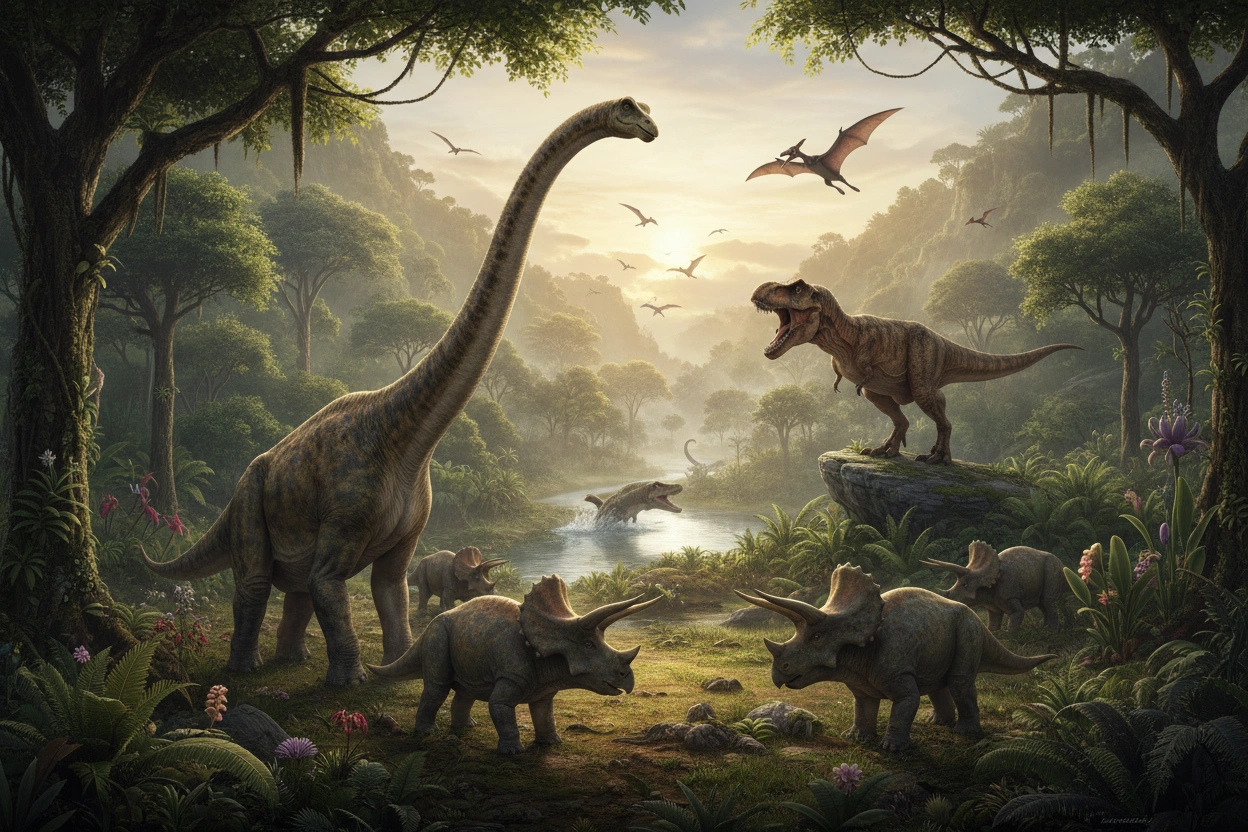
The history of life on Earth is a fascinating tapestry woven with countless threads of evolutionary changes and adaptations. Among the most intriguing components of this tapestry are prehistoric animals, the ancient wildlife that roamed the planet long before humans arrived. These creatures played pivotal roles in shaping the ecosystems of their time, influencing the flora and fauna that followed. Understanding these prehistoric animals not only provides insights into the past but also helps us appreciate the intricate balance of our current ecosystems.
In this article, we will explore the top ten prehistoric animals that significantly influenced ancient ecosystems. Each entry highlights the unique characteristics of these animals and their ecological roles, offering a glimpse into a world that existed millions of years ago. The insights gained from studying these creatures can inform our understanding of biodiversity and conservation today. evolution of modern mammals
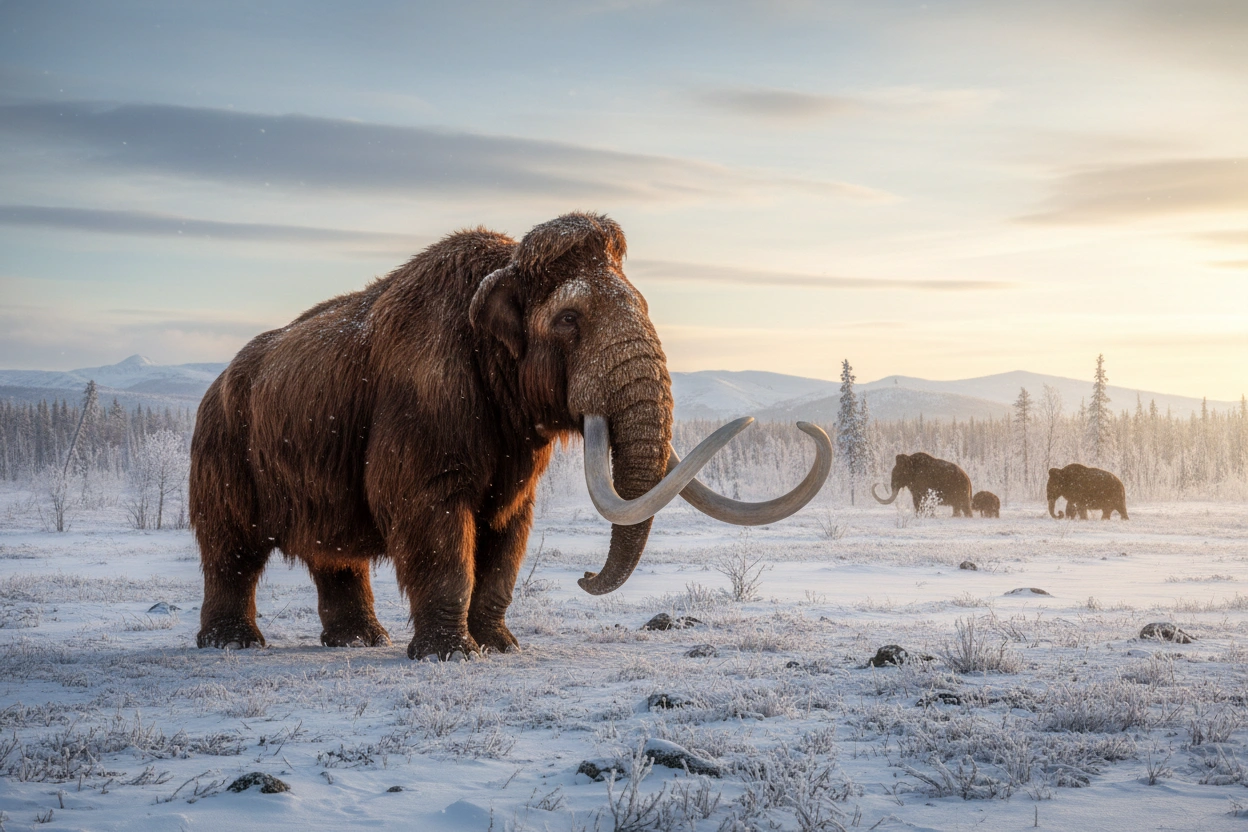
The woolly mammoth, an iconic symbol of the Ice Age, roamed across the northern parts of North America, Europe, and Asia. These massive herbivores, closely related to modern elephants, could grow up to 13 feet tall and weighed up to 6 tons. Adapted to cold environments, they had long, shaggy fur and a thick layer of fat that insulated them against harsh conditions.
Woolly mammoths played a crucial role in their ecosystems by grazing on grasses, shrubs, and other vegetation. Their foraging helped maintain the balance of plant life, preventing overgrowth and promoting biodiversity. As they moved through the landscape, they also contributed to soil aeration and nutrient cycling. The extinction of woolly mammoths around 4,000 years ago marked a significant shift in their habitats, leading to changes in vegetation and the decline of certain species that relied on them.
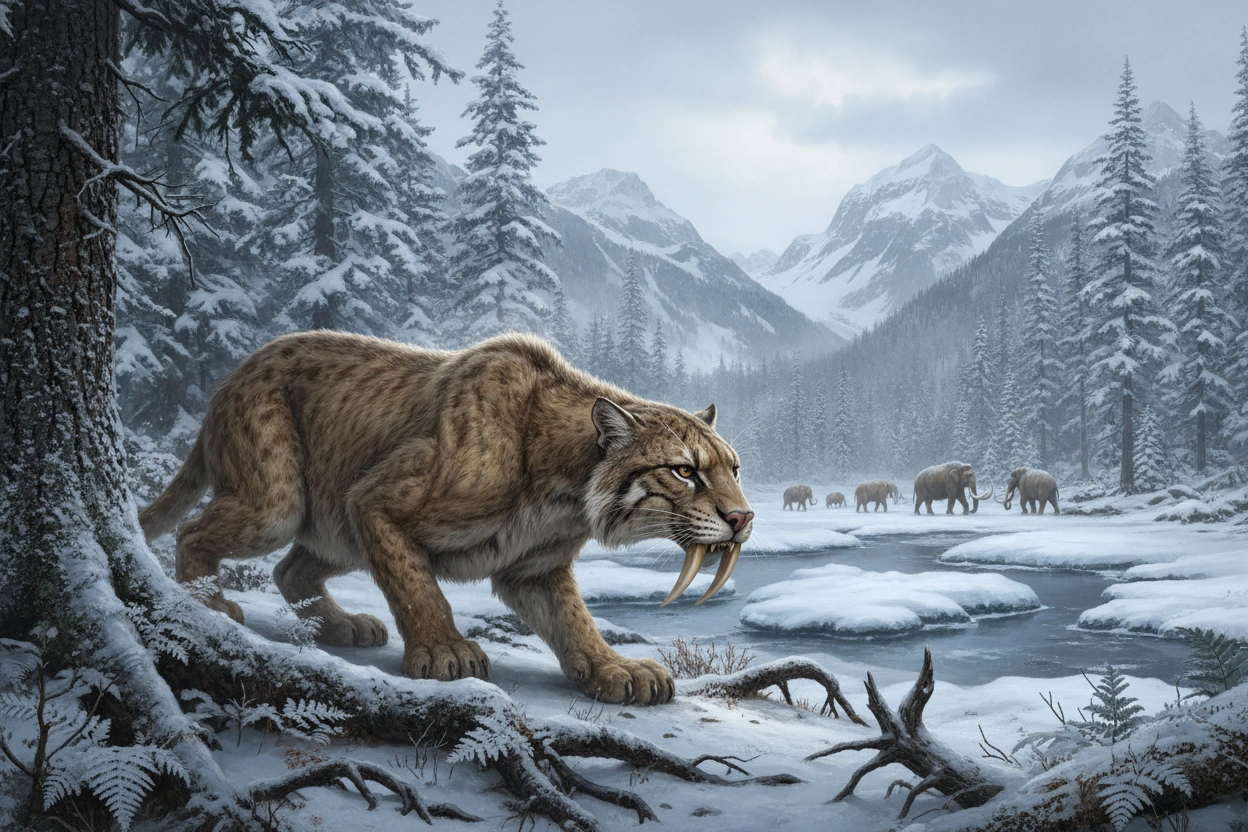
The saber-toothed cat, often referred to as Smilodon, is perhaps one of the most famous prehistoric predators. These formidable creatures lived during the Pleistocene epoch and are known for their elongated canine teeth, which could grow up to 8 inches long. Saber-toothed cats were muscular and robust, with powerful limbs that enabled them to take down large prey, such as bison and mammoths.
As apex predators, saber-toothed cats played a vital role in regulating prey populations. Their hunting habits affected the dynamics of the ecosystems they inhabited, ensuring that herbivore populations did not grow too large. This balance is critical for maintaining healthy ecosystems, as it allows for diverse plant life and a variety of animal species to thrive.

Trilobites were among the earliest known groups of arthropods, appearing over 500 million years ago during the Cambrian period. These creatures had hard exoskeletons and segmented bodies, allowing them to thrive in various marine environments. With thousands of species, trilobites occupied various ecological niches, from scavengers to predators.
Their presence in ancient oceans significantly influenced marine ecosystems. Trilobites played a key role in the food web, serving as prey for larger animals while also contributing to the benthic community by feeding on detritus and organic material. The decline of trilobites during the Permian-Triassic extinction event illustrates the fragility of ecosystems and the impact of mass extinctions on biodiversity.
Megalodon, the largest shark to ever exist, lived approximately 23 to 3.6 million years ago. These colossal predators could reach lengths of over 60 feet and had teeth that measured over 7 inches. Megalodon was an apex predator, feeding on large marine mammals, such as whales.
The role of megalodon in its ecosystem was significant, as it helped control the populations of other marine species. By preying on the sick and weak, megalodon contributed to the overall health of marine ecosystems, ensuring that prey populations remained sustainable. The extinction of megalodon around 3.6 million years ago marked a shift in marine life, allowing other shark species to flourish and adapt to new ecological niches.
Anomalocaris is one of the most fascinating prehistoric animals, known as a top predator in the Cambrian seas. This peculiar creature could grow up to 3 feet in length and is recognized for its unique body structure, which included large, compound eyes and spiny appendages for capturing prey.
Anomalocaris played a crucial role in shaping the Cambrian ecosystem by preying on other marine organisms, such as trilobites. Its predatory behavior helped drive evolutionary adaptations among prey species, leading to the development of protective features like hard shells. The presence of Anomalocaris indicates a complex food web and ecological interactions during the Cambrian explosion, a time when life on Earth diversified rapidly.
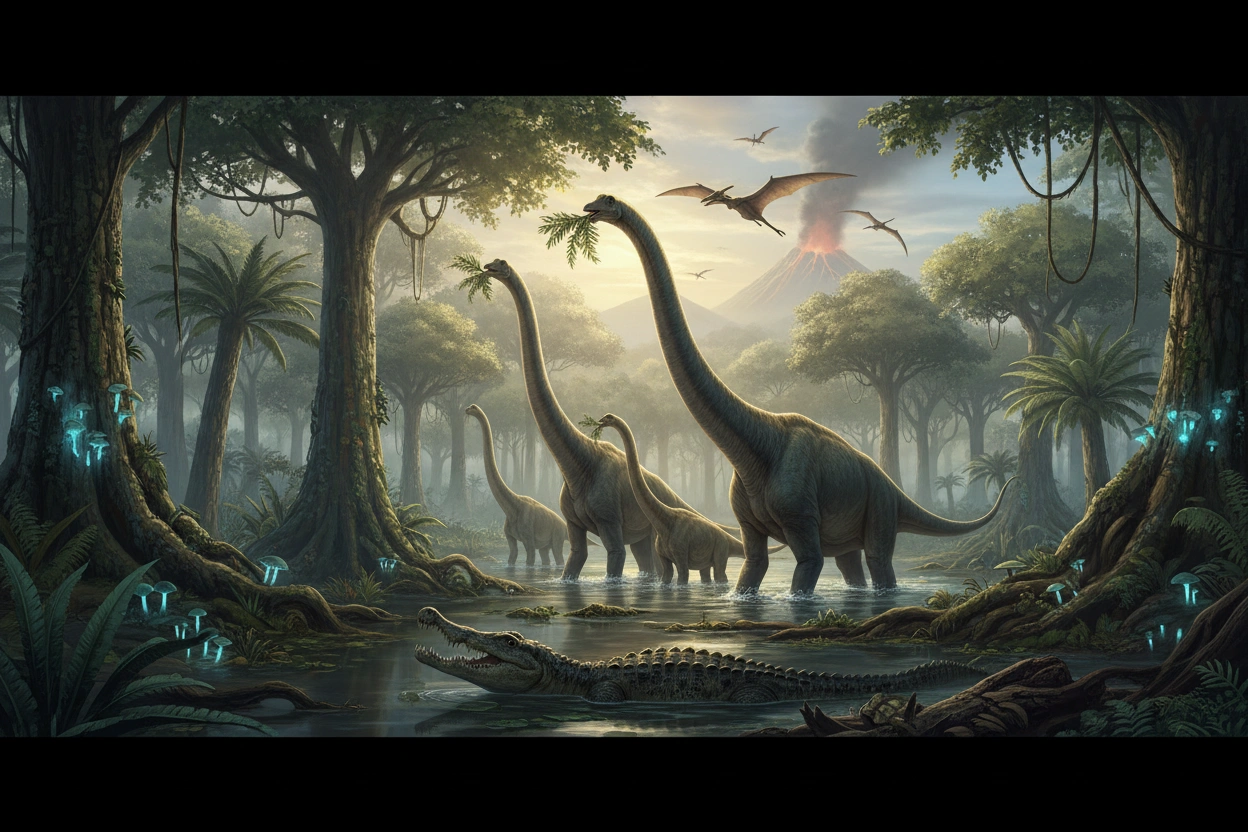
Argentinosaurus is one of the largest dinosaurs ever discovered, with estimates suggesting it could reach lengths of up to 100 feet and weigh over 100 tons. This massive sauropod roamed the land during the Late Cretaceous period in what is now Argentina. Argentinosaurus was a herbivore, primarily feeding on the foliage of tall trees.
The ecological impact of Argentinosaurus was profound. By consuming vast amounts of vegetation, these dinosaurs helped shape the plant community, facilitating the growth of new species. Their size and feeding behavior also influenced the behavior of smaller herbivores and predators in their environment, contributing to the dynamics of the Cretaceous ecosystems.
The dodo, a flightless bird native to Mauritius, is often cited as a classic example of extinction due to human activity. This unique bird, which grew about 3 feet tall and weighed around 23 kilograms, became extinct in the late 17th century, primarily due to hunting and habitat destruction.
Dodos played a vital role in their ecosystem by dispersing seeds of the fruits they consumed. Their extinction had cascading effects on the flora of Mauritius, as certain plant species relied on dodo interactions for propagation. The dodo serves as a poignant reminder of the delicate balance within ecosystems and the far-reaching consequences of human impact.
The woolly rhinoceros was another iconic species of the Ice Age, roaming the grasslands of Europe and Asia. This large herbivore was adapted to cold climates, with thick fur and a substantial body size that helped it survive in harsh conditions.
Woolly rhinoceroses played an essential role in their ecosystems by grazing on grasses and shrubs, influencing plant community dynamics. Their feeding habits helped shape the landscape, maintaining open grasslands and preventing the encroachment of woody plants. The extinction of the woolly rhinoceros, likely due to climate change and hunting, altered the structure of their ecosystems, leading to a decline in certain plant species.
Pteranodon was a large pterosaur that lived during the Late Cretaceous period, characterized by its impressive wingspan, which could reach up to 33 feet. Unlike dinosaurs, pterosaurs were flying reptiles that played a significant role in the ecosystems of their time by occupying aerial niches.
As a skilled glider, Pteranodon fed on fish and marine invertebrates, influencing the dynamics of aquatic ecosystems. Its predatory behavior helped regulate fish populations, ensuring a balance within the marine food web. The extinction of Pteranodon marked a significant shift in the avian lineage and the dynamics of ecosystems in the wake of the Cretaceous-Paleogene extinction event.
Titanoboa, a massive prehistoric snake that lived around 60 million years ago, is the largest snake ever known, reaching lengths of up to 42 feet. This apex predator thrived in the warm, humid environments of ancient tropical rainforests, preying on a variety of animals, including large fish and even crocodilians.
The ecological role of Titanoboa was crucial in maintaining the balance of its habitat. As a top predator, it helped control populations of various prey species, which in turn influenced the dynamics of the entire ecosystem. The discovery of Titanoboa fossils provides valuable insights into the climatic conditions and biodiversity of the Paleocene epoch, illustrating how prehistoric animals shaped their environments.
The exploration of these ten prehistoric animals highlights their profound influence on ancient ecosystems. Each of these creatures played a unique role, contributing to the biodiversity and ecological balance of their time. By studying prehistoric animals, we can gain insights into the past and better understand the importance of conservation efforts today.
At Banana Slug Club, we are committed to fostering an appreciation for the natural world, including the fascinating history of prehistoric animals. Our initiatives aim to educate and inspire individuals to connect with wildlife and the environment. To learn more about how we can help you explore and understand the rich tapestry of life on Earth, visit survived extreme climates at Banana Slug Club.
Get free resources, early access to new features and updates.
No spam. Just fun educational emails!


.svg)
.svg)