Insects are among the most diverse and abundant creatures on our planet, with over a million identified species and many more waiting to be discovered. They play crucial roles in ecosystems, from pollination to decomposition, and are often indicators of environmental health. Understanding various insect species is not just a matter of curiosity; it can also enhance our appreciation for biodiversity and inform conservation efforts. This article explores ten of the most fascinating insect species, showcasing their unique characteristics and roles in nature.
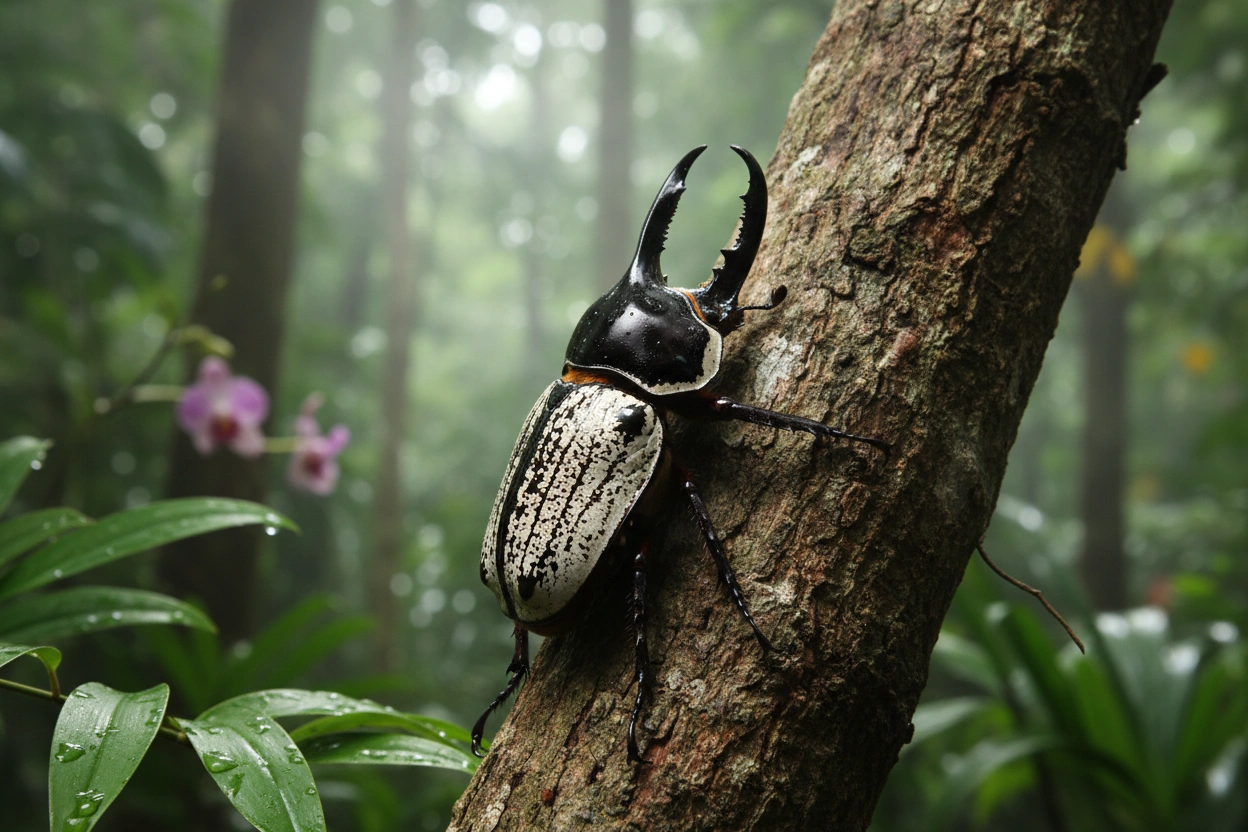
The Goliath beetle is a true giant among insects, with some species weighing over 100 grams and measuring up to 11 centimeters in length. Native to Africa, these beetles are not only impressive due to their size but also because of their striking appearance. Their exoskeletons exhibit a glossy finish, often adorned with striking patterns of black, white, and yellow.
Goliath beetles undergo a complete metamorphosis, transitioning from egg to larva, pupa, and finally adult. The larvae are particularly interesting, as they can grow to be quite large and feed on decaying plant matter. This decomposition process is vital for nutrient cycling in their ecosystems. In addition to their size, Goliath beetles are known for their unique mating behaviors, where males engage in elaborate displays to attract females.
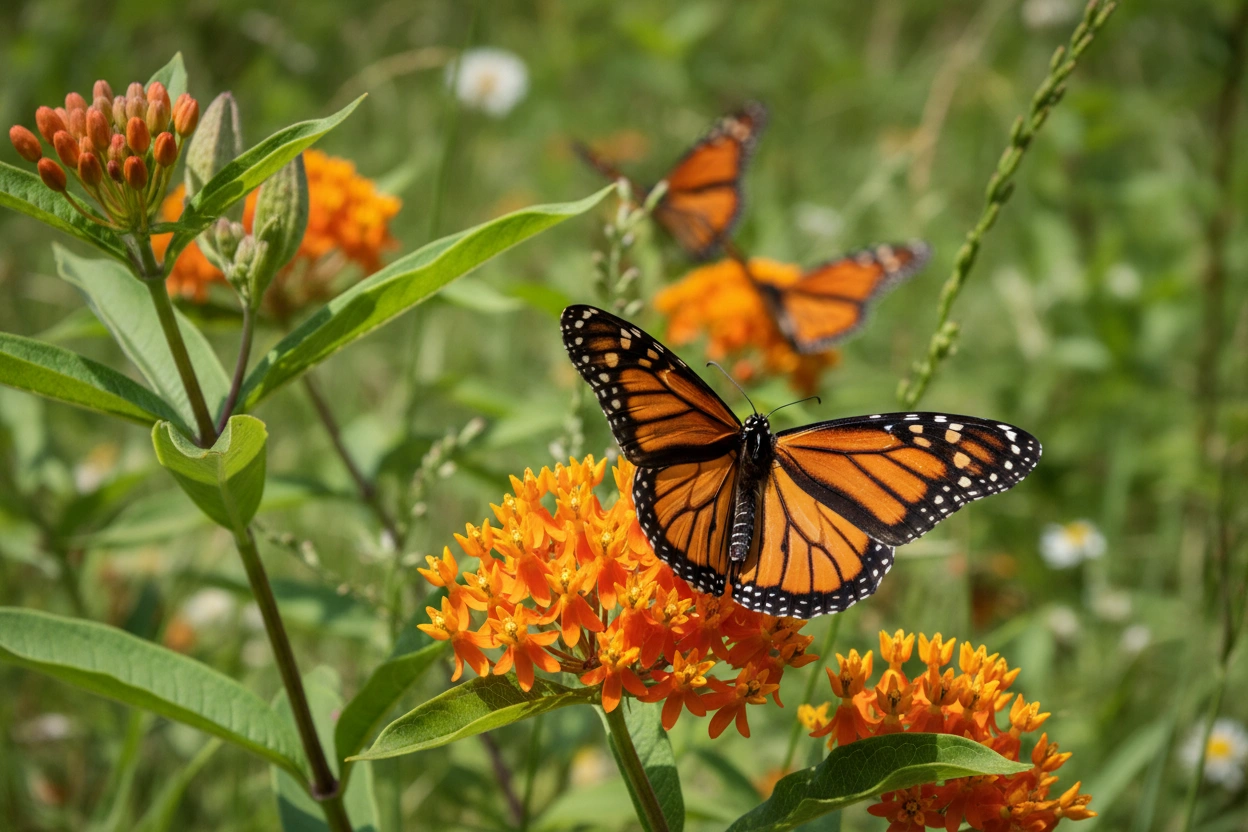
The Monarch butterfly is perhaps one of the most recognizable insects in the world, famous for its incredible migration journey. Every year, millions of Monarchs travel thousands of miles from North America to central Mexico, where they spend the winter in oyamel fir forests.
This migration is not only a remarkable feat of endurance but also a vital part of their life cycle, as they reproduce during their journey. Monarchs rely on milkweed plants as their primary food source during the larval stage, making their conservation crucial. Unfortunately, habitat loss and pesticide use have severely impacted their populations. Conservation efforts are underway to protect their migratory routes and habitats.
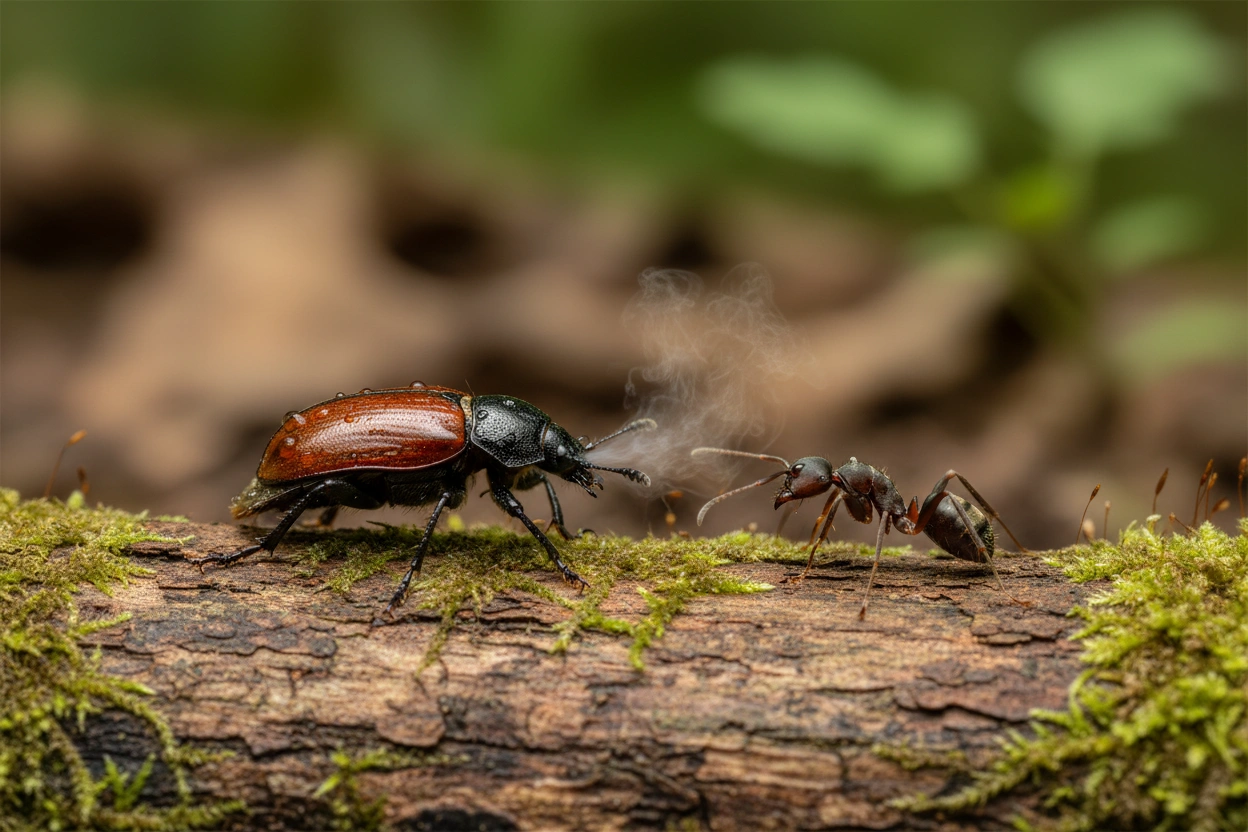
The Bombardier beetle is a fascinating example of nature's ingenuity. Known for its unique defense mechanism, this beetle can eject a hot, noxious chemical spray from its abdomen when threatened. This spray can reach temperatures of up to 100 degrees Celsius, creating a startling deterrent for predators.
The Bombardier beetle's defense mechanism involves a complex chemical reaction between two compounds stored in separate chambers of its abdomen. When the beetle feels threatened, it mixes these compounds, resulting in an explosive reaction that propels the hot liquid at attackers. This extraordinary adaptation not only protects the beetle but also highlights the intricate chemistry found in the insect world.
The Atlas moth is renowned for being one of the largest moths in the world, with a wingspan that can reach up to 25 centimeters. Found primarily in the tropical and subtropical forests of Southeast Asia, this moth is named after the Greek Titan Atlas, due to its impressive size.
Atlas moths are unique in their life cycle, as they do not feed in their adult stage; instead, they rely on the energy reserves accumulated during their larval stage. The larvae are known for their striking appearance, which helps them blend into their surroundings, providing protection from predators. Their presence in the ecosystem is vital as they serve as pollinators for various plants.
The Spotted Lanternfly has gained notoriety as an invasive species in parts of the United States, particularly in Pennsylvania. Originally from Asia, this insect poses a significant threat to agriculture, particularly fruit crops like grapes and apples.
Recognizing this insect is crucial for effective management. The adult lanternfly has distinctive black spots on its wings and a striking red underbelly. They feed on the sap of plants, weakening them and making them more susceptible to disease. Efforts to control their spread include public awareness campaigns and targeted insecticide applications.
Jewel beetles are aptly named for their vibrant colors and metallic sheen. Found worldwide, these beetles are not only beautiful but also play an essential role in their ecosystems as decomposers.
The larvae of jewel beetles often bore into wood, contributing to the decomposition of dead trees and recycling nutrients back into the soil. This process is vital for forest health, as it helps maintain the balance of ecosystems. Their stunning appearance has also made them popular among collectors and researchers studying insect biodiversity.
Leafcutter ants are remarkable for their advanced social structure and unique behavior of cutting leaves to cultivate fungus, which serves as their primary food source. These ants are found in Central and South America and are known for their industriousness.
Leafcutter ants have a mutualistic relationship with the fungus they cultivate. The ants cut leaves and bring them back to their colonies, where they chew and mix them with saliva to create a substrate for the fungus to grow. This process not only provides food for the ants but also contributes to nutrient cycling in their ecosystems. The complex social structure of leafcutter ant colonies is a subject of extensive research in entomology.
Fireflies, or lightning bugs, are famous for their bioluminescent abilities. These insects produce light through a chemical reaction in their bodies, often used for mating displays.
The light produced by fireflies is not only captivating but also serves an essential purpose in their life cycle. Males use their light patterns to attract females, who respond with specific signals. Fireflies are also indicators of environmental health, as they thrive in areas with clean air and water. The decline of firefly populations in urban areas raises concerns about habitat loss and pollution.
The Hercules beetle is another giant in the insect world, known for its impressive size and the distinctive horn found on males. Native to Central and South America, these beetles can grow up to 15 centimeters in length.
The horn of the Hercules beetle is used in combat with other males during mating season, showcasing their strength and dominance. Their impressive size and unique features make them a subject of fascination for both entomologists and enthusiasts alike. Despite their intimidating appearance, Hercules beetles play a crucial role in their ecosystem by helping to decompose organic matter.
Praying mantises are known for their distinctive posture and predatory behavior. These insects are found in various habitats worldwide and are renowned for their hunting skills.
Praying mantises are ambush predators, using their excellent camouflage to blend into their surroundings and capture unsuspecting prey. Their diet primarily consists of other insects, making them valuable allies for gardeners and farmers in pest control. Their unique mating behavior, where females sometimes consume males after mating, adds to their intriguing nature.
Insects, with their diverse adaptations and ecological significance, offer endless opportunities for exploration and education. From the majestic Goliath beetle to the captivating firefly, understanding these fascinating insect species can deepen our appreciation for the natural world.
Banana Slug Club is committed to promoting awareness and education about the vital roles insects play in our ecosystems. By engaging with us, you can learn more about the importance of biodiversity and how to protect these remarkable creatures.
To discover more about our initiatives and how you can contribute to insect biodiversity, visit Banana Slug Club. Your involvement can make a difference in preserving the incredible diversity of our planet's insects.
Get free resources, early access to new features and updates.
No spam. Just fun educational emails!


.svg)
.svg)