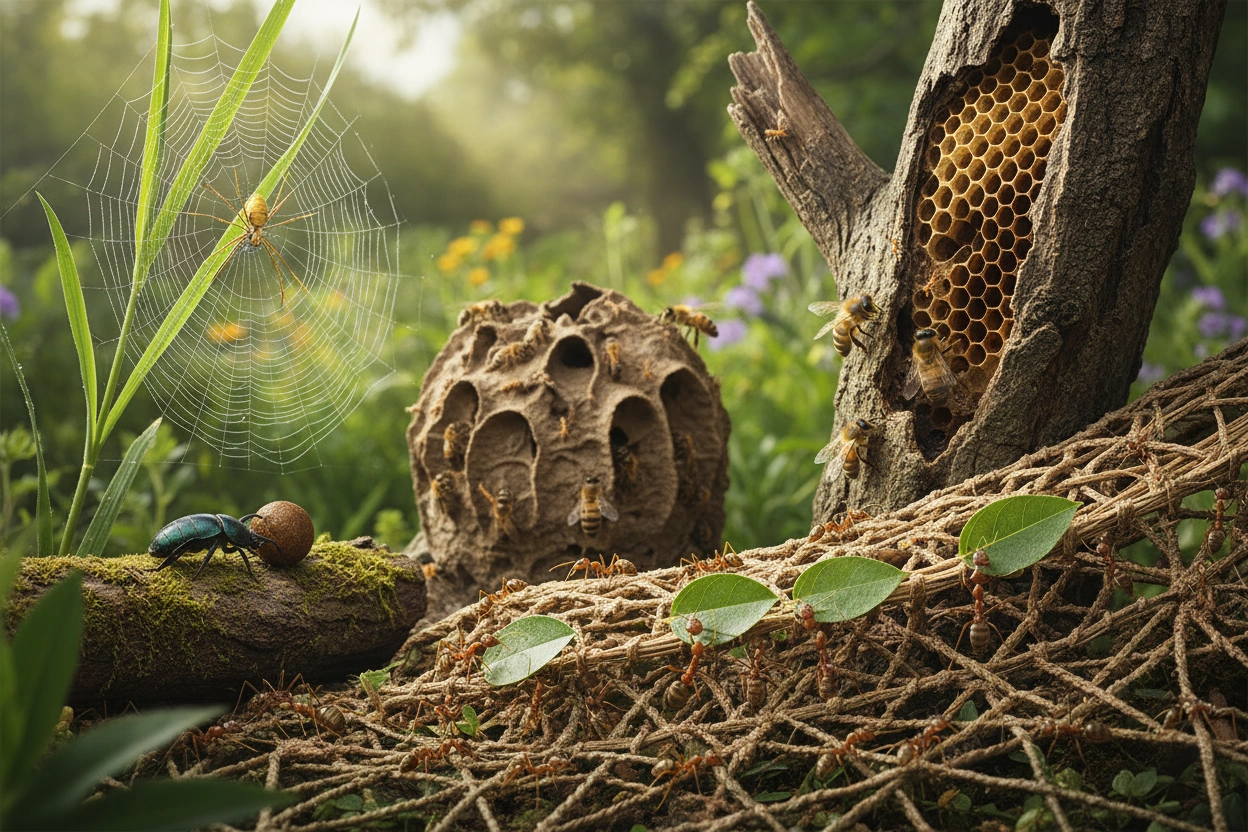
Insects have long been a staple in various diets around the globe, yet they remain a source of curiosity and skepticism, especially in Western cultures. As we navigate the complexities of global food security and environmental sustainability, the role of insects as a viable food source has gained renewed attention. This article explores the surprising benefits of incorporating insects into our diets, their contributions to biodiversity, and how they can enhance ecosystems.
Insects not only provide a rich source of protein and essential nutrients, but they also play a crucial role in maintaining ecological balance. Understanding these benefits is essential for anyone interested in sustainable living, nutrition, and environmental conservation. As we delve into this topic, we will also address common misconceptions and provide practical insights into how insects can be integrated into our diets.
Insects are often referred to as "mini-livestock" due to their incredible nutrient density. They are an excellent source of protein, vitamins, and minerals, making them a highly efficient food source compared to traditional livestock.
One of the most compelling reasons to consider insects as a food source is their impressive protein content. Many edible insects contain between 30% to 80% protein by dry weight. For instance:
This high protein content is particularly important for populations facing food insecurity, as it can help meet dietary needs without requiring extensive agricultural resources.
In addition to protein, insects are rich in essential nutrients such as iron, zinc, and B vitamins. For example:
These nutrients can help combat malnutrition in vulnerable populations, making insects a practical solution for global health challenges.
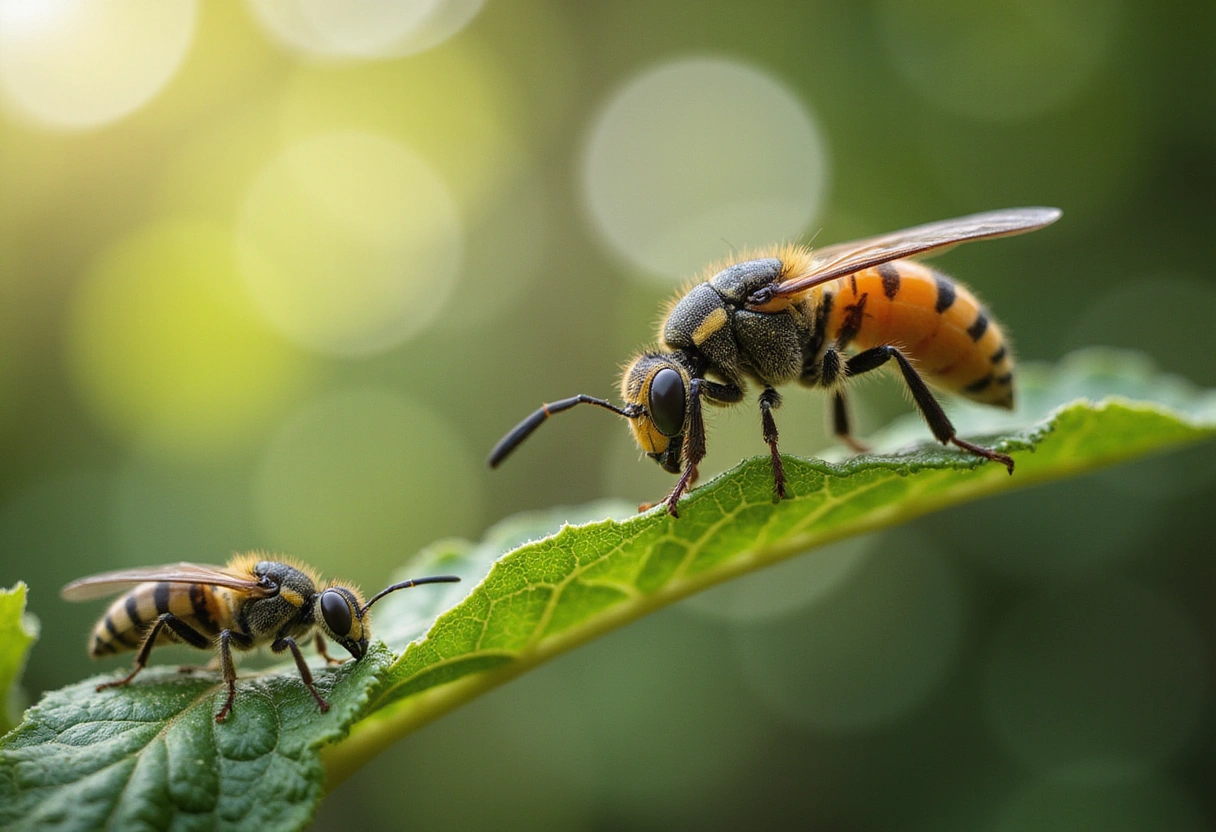
The environmental impact of traditional livestock farming is a pressing concern in today's world. Insects present a more sustainable alternative that can significantly reduce our ecological footprint.
Insect farming produces far fewer greenhouse gases compared to conventional livestock. For instance, raising crickets generates approximately 80% less greenhouse gas emissions than raising cattle. This reduction is largely due to:
By incorporating insects into our diets, we can contribute to mitigating climate change and reducing our overall carbon footprint.
Insects require significantly less land, water, and feed than traditional livestock. For example:
These factors make insect farming an attractive option for sustainable food production, especially in regions facing resource scarcity.
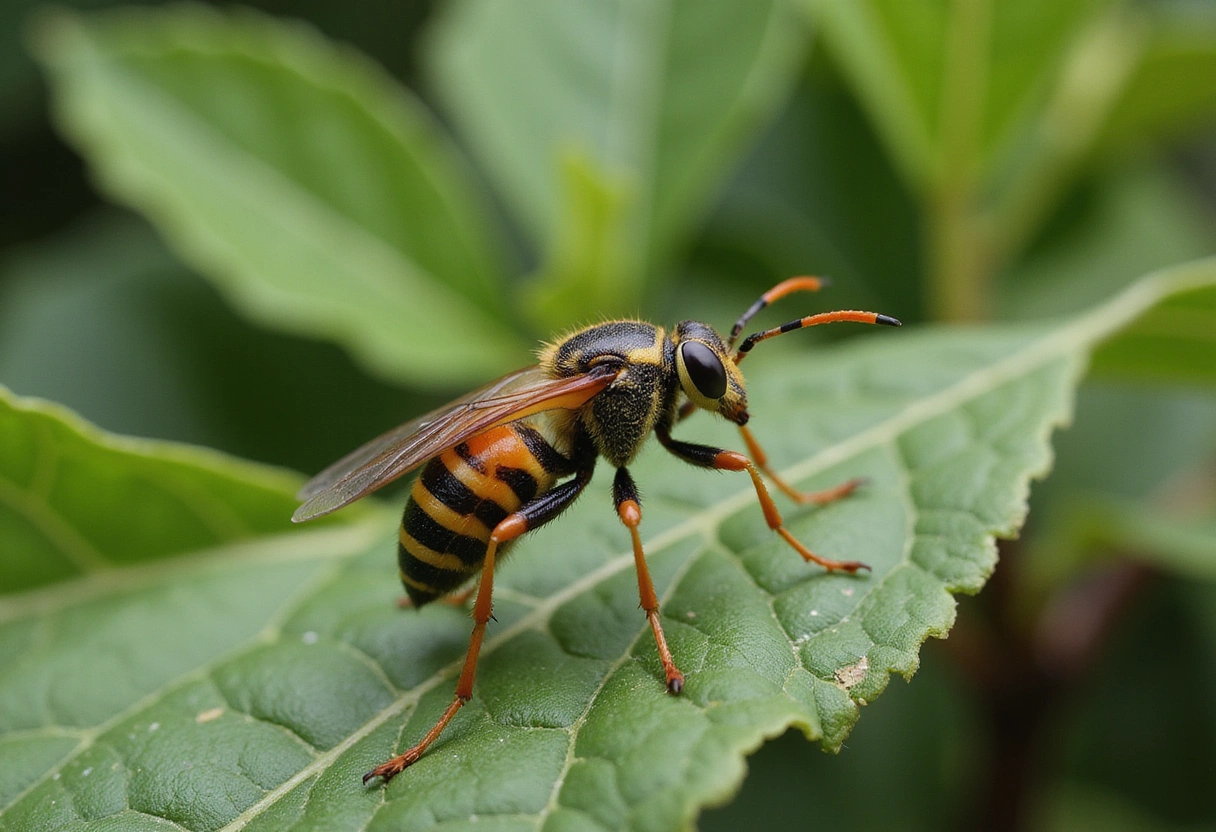
Insects are essential players in ecosystems, contributing to biodiversity in numerous ways. Understanding these roles can deepen our appreciation for these creatures and their potential benefits.
Many insects, particularly bees and butterflies, are vital pollinators for a vast array of plants. Their role in pollination is crucial for the reproduction of flowering plants and the production of fruits and seeds. This process not only supports food production but also maintains the health of ecosystems by fostering plant diversity.
Insects contribute to soil health by breaking down organic matter and recycling nutrients. For example, beetles and termites play a key role in decomposing dead plant material, which enriches the soil. This process enhances soil fertility and promotes healthy plant growth, creating a balanced ecosystem.
Insects are a fundamental component of many food webs, serving as prey for a variety of species, including birds, reptiles, and mammals. Their presence supports biodiversity by providing essential food sources for these organisms. The importance of insects in ecosystems is crucial for maintaining these dynamics.
Despite their benefits, many people remain hesitant to include insects in their diets due to various misconceptions. Addressing these can help foster a more open-minded approach to entomophagy (the practice of eating insects).
A common misconception is that insects are inherently dirty or unsafe to eat. However, when farmed under controlled conditions, insects are raised in sanitary environments. Proper processing and cooking can eliminate any potential pathogens, making them safe for consumption.
In many Western cultures, the idea of eating insects is met with revulsion. However, this is largely a cultural bias, as insects are consumed in many parts of the world, including Asia, Africa, and Latin America. Education about the nutritional and environmental benefits of insects can help shift perceptions and encourage acceptance.
Transitioning to a diet that includes insects can be exciting and rewarding. Here are some practical tips to get started:
Start Small: Begin by trying insect-based protein bars or snacks that are available in health food stores. These products often contain ground insects and are easy to incorporate into your diet.
Explore Cooking Options: Experiment with recipes that use insects, such as cricket flour in baked goods or mealworms in stir-fries. This allows you to enjoy familiar dishes with added nutritional benefits.
Join a Community: Seek out local or online communities that focus on entomophagy. Engaging with others who share your interest can provide inspiration and support as you explore this new food source.
Educate Others: Share your knowledge and experiences with friends and family. Helping others understand the benefits of insects can promote a broader acceptance of this sustainable food source.
As we explore the remarkable benefits of insects, it becomes clear that they play a pivotal role not only in our diets but also in sustaining biodiversity within ecosystems. Insects are essential players in ecosystems, contributing to biodiversity in numerous ways.
By engaging with our community, you can learn more about the importance of insects in ecosystems and how they contribute to biodiversity. Our resources provide valuable insights into the interconnectedness of all living organisms, encouraging a deeper understanding of nature.
If you're excited about learning more about insects and their vital contributions to our world, we invite you to visit our website or contact us for more information. Together, we can explore the incredible benefits of insects as food sources and their indispensable roles in maintaining ecological balance. Join us in celebrating the wonders of nature and the importance of insects in our ecosystems.
Get free resources, early access to new features and updates.
No spam. Just fun educational emails!


.svg)
.svg)