Insects have long been a source of fascination and utility for humanity, offering insights that stretch beyond mere curiosity. In recent years, there has been a growing recognition of the critical role that insects play in medicine. From their use in traditional healing practices to cutting-edge biotechnological applications, the contributions of insects to healthcare are both diverse and impactful. This article explores the surprising ways insects are utilized in medicine today, the importance of insect biodiversity, and their roles in ecosystems.
Insects are being harnessed in various ways within the medical field, often in ways that are not immediately apparent. These applications range from traditional medicine to innovative biotechnologies.
For centuries, various cultures have utilized insects for their medicinal properties. For example, honey, produced by bees, is well-known for its antibacterial and wound-healing properties. Honey's efficacy in treating burns and ulcers has been documented in numerous studies, highlighting its role in modern wound care.
Moreover, certain insect-derived substances, such as silk proteins from silkworms, are being explored for their potential in tissue engineering. Researchers are investigating how these proteins can be used to create scaffolds that promote cell growth and healing in damaged tissues. This traditional knowledge is being validated by scientific research, bridging the gap between ancient practices and modern medicine.
The role of insects in medicine has evolved with advancements in biotechnology. For instance, scientists are utilizing insect cells to produce complex proteins that are difficult to synthesize in traditional systems. The use of insect cells, particularly those from the moth Spodoptera frugiperda, has become a standard method for producing vaccines and therapeutic proteins. This approach not only reduces production costs but also increases the yield and efficiency of vaccine development.
Additionally, the study of insect behavior patterns has led to the discovery of new antibiotics. Certain insects, such as ants and beetles, produce antimicrobial compounds that protect them from pathogens. Researchers are isolating these compounds to develop new antibiotics that can combat antibiotic-resistant bacteria, a pressing concern in modern medicine.
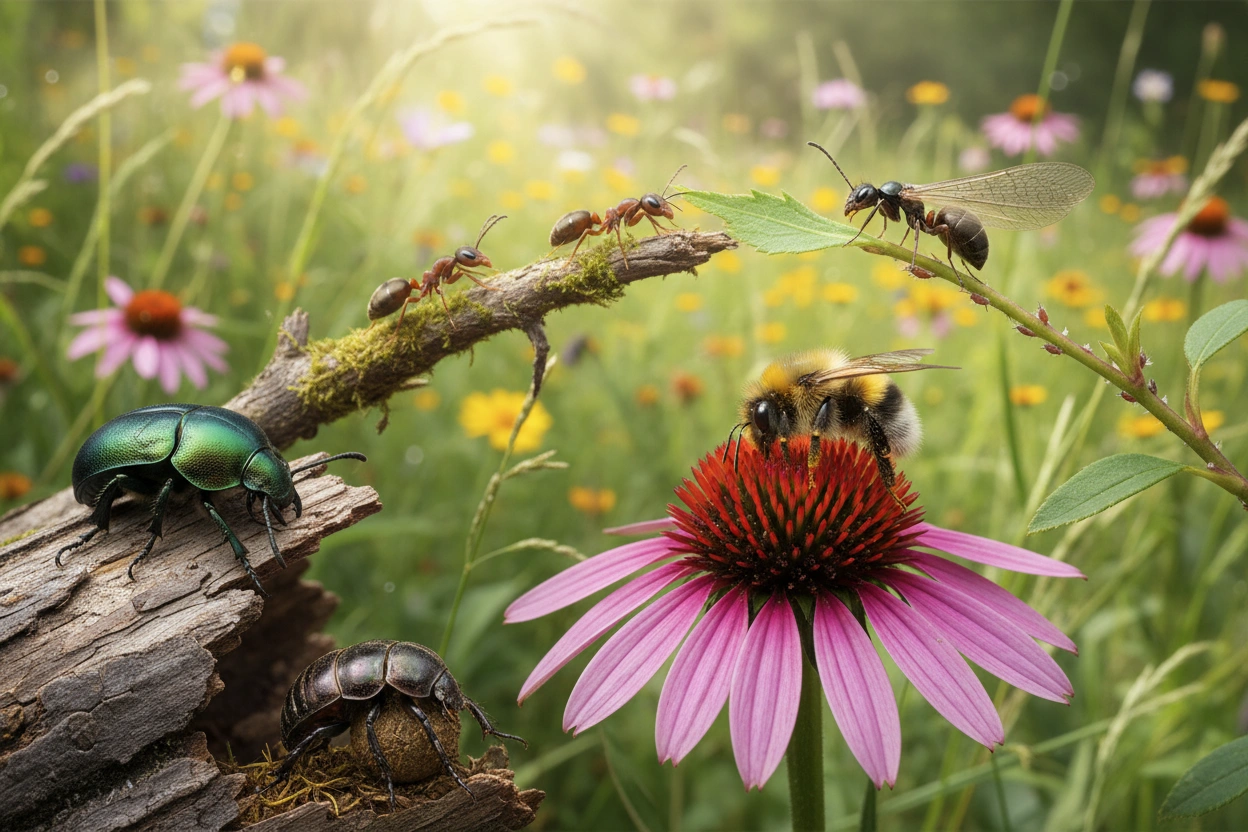
Understanding the role of insects extends beyond their medical applications. Insects are integral to ecosystems, contributing to pollination, nutrient cycling, and soil health.
Pollinator insects, such as bees, butterflies, and beetles, are essential for the reproduction of many flowering plants. Approximately 75% of the world's flowering plants depend on animal pollination, which is crucial for food production. The decline in pollinator populations has raised alarms about potential food shortages and ecosystem imbalances.
Conservation efforts focused on protecting pollinator habitats are vital. By promoting insect biodiversity and creating environments conducive to their survival, we can ensure the stability of ecosystems and the agricultural systems that depend on them.
Insects are also being recognized as sustainable food sources. As the global population continues to grow, the demand for protein is increasing. Insects are rich in protein, vitamins, and minerals, making them an excellent alternative to traditional livestock. Farming insects requires significantly less land, water, and feed compared to conventional animal farming, thus reducing the environmental impact.
Organizations and researchers are advocating for the inclusion of insects in diets, particularly in regions facing food insecurity. By embracing insects as food sources, we can enhance nutrition and promote sustainability.
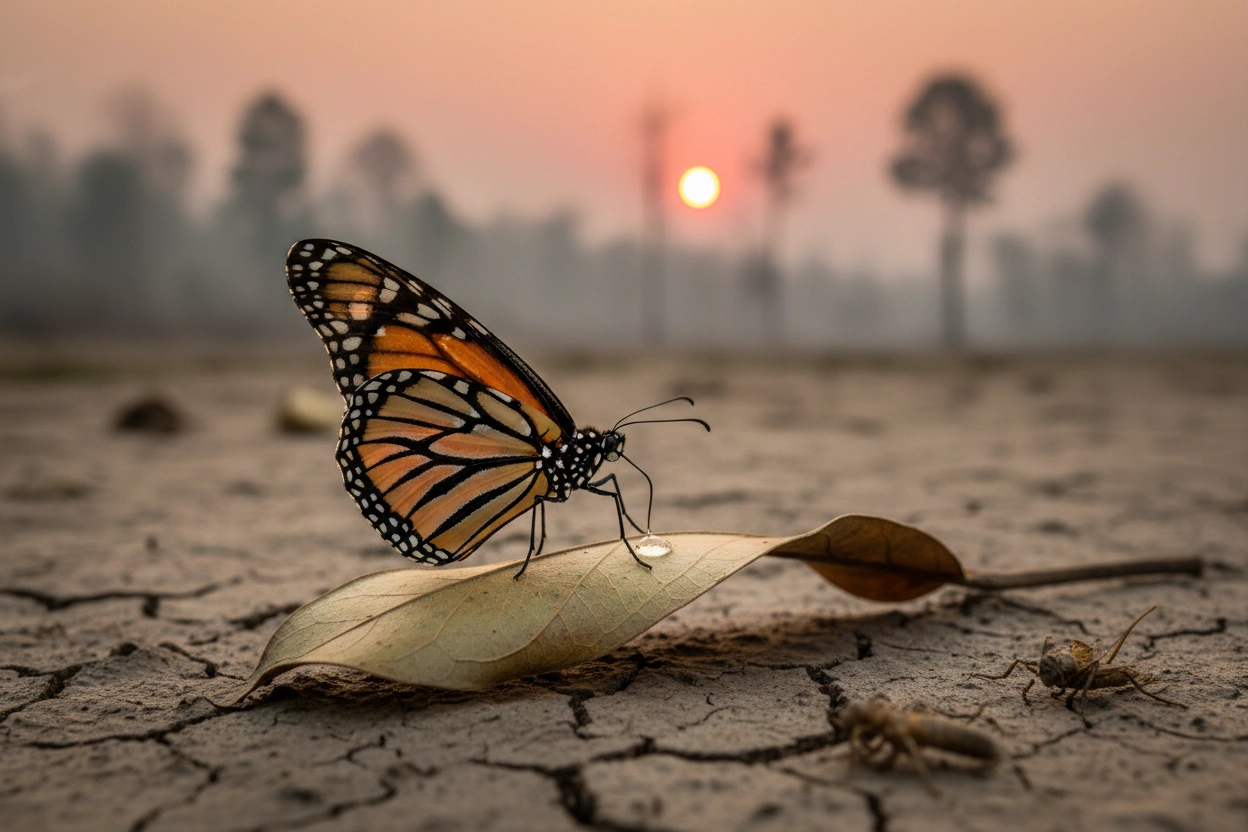
The impact of climate change on insect populations is profound. Changes in temperature and weather patterns can affect insect behavior patterns, reproduction, and survival rates. Understanding these changes is crucial for both conservation efforts and agricultural practices.
Insects are often considered indicators of environmental health. As climate change alters habitats, many insect species are experiencing shifts in their ranges and behaviors. For example, warmer temperatures can lead to earlier emergence in pollinator species, which may not align with the blooming periods of plants. This misalignment can have cascading effects on food production and ecosystem stability.
Monitoring insect populations can provide valuable insights into the broader impacts of climate change. Conservation efforts must adapt to these changes, focusing on protecting critical habitats and promoting biodiversity to ensure the resilience of ecosystems.
Conservation efforts aimed at protecting insect species are gaining momentum. Initiatives that promote habitat restoration, reduce pesticide use, and support sustainable agricultural practices are essential in combating the decline of insect populations.
Public awareness campaigns can also play a significant role in encouraging communities to engage in insect-friendly practices. Simple actions, such as planting native flowers and reducing chemical usage, can create environments where insects thrive.
Pollination is a critical ecosystem service provided by insects, impacting food production and biodiversity. Understanding this relationship can enhance agricultural practices and conservation strategies.
Pollinator insects contribute to the reproduction of flowering plants by transferring pollen from male to female reproductive structures. This process is essential for the production of fruits, seeds, and nuts. The loss of pollinator insects can lead to decreased crop yields and reduced genetic diversity in plants.
Farmers can enhance pollination success by implementing practices that support pollinator health. This includes planting diverse crops, creating buffer zones with flowering plants, and reducing pesticide usage during flowering periods.
Creating habitats that attract pollinator insects is crucial for supporting agricultural productivity. Farmers and landowners can take several steps to promote these habitats:
Plant native wildflowers and flowering crops to provide food sources for pollinators.
Create nesting sites, such as bee hotels, to support solitary bee species.
Reduce pesticide use and implement integrated pest management practices to protect pollinator health.
By fostering environments that support pollinator insects, we can enhance both ecosystem health and agricultural productivity.
The future of insects in medicine holds great promise as research continues to unveil their potential. Innovations in biotechnology, coupled with a deeper understanding of traditional practices, are paving the way for new therapeutic applications.
Ongoing research is exploring the use of insect-derived compounds in various medical applications. For instance, scientists are investigating the potential of insect venom as a source of novel pain relief medications. The unique properties of insect venom may lead to breakthroughs in treating chronic pain conditions.
Furthermore, the integration of insect-based materials in medical devices and wound care products is being explored. The biocompatibility and regenerative properties of insect proteins may provide innovative solutions for modern healthcare challenges.
Despite the growing body of evidence supporting the benefits of insects in medicine, misconceptions persist. Some individuals may view insects solely as pests or carriers of disease. Educating the public about the positive roles insects play in health and ecosystems is essential to overcome these misconceptions.
Promoting awareness of insect conservation efforts and their contributions to medicine can foster a greater appreciation for these creatures. Initiatives that highlight the benefits of insects can inspire individuals to support conservation and sustainable practices.
Insects play a multifaceted role in our world, particularly within the realms of medicine, agriculture, and ecosystems. The surprising uses of insects highlight their importance in addressing modern challenges, from food security to healthcare advancements. As we deepen our understanding of insects, it becomes increasingly clear that they are not merely pests but vital components of our environment.
At Banana Slug Club, we recognize the significance of insects in our ecosystems and their potential contributions to medicine. Our commitment to promoting biodiversity and supporting conservation efforts aligns with the need to protect these invaluable species.
Engaging with our community allows us to share knowledge about the fascinating world of insects and encourage sustainable practices. If you're interested in learning more about how insects can enhance our lives and ecosystems, we invite you to connect with us.
Visit Banana Slug Club to explore more about the fascinating world of insects and how they impact our health and environment. Together, we can foster a greater appreciation for these remarkable creatures and their roles in our lives.
Get free resources, early access to new features and updates.
No spam. Just fun educational emails!


.svg)
.svg)