How to Optimize Crustaceans Maintenance for Maximum Yield
Crustaceans play a vital role in marine ecosystems and aquaculture, providing not only a source of protein but also serving as a crucial component in various food chains. Optimizing the maintenance of crustaceans can significantly enhance their yield, which is essential for both commercial aquaculture operations and sustainable fishing practices. In this comprehensive guide, we will explore effective strategies for maintaining crustaceans, focusing on their habitat, feeding, health management, and more. By understanding these key factors, you can maximize your crustacean yield and ensure a thriving aquatic environment.
Understanding Crustaceans and Their Habitat
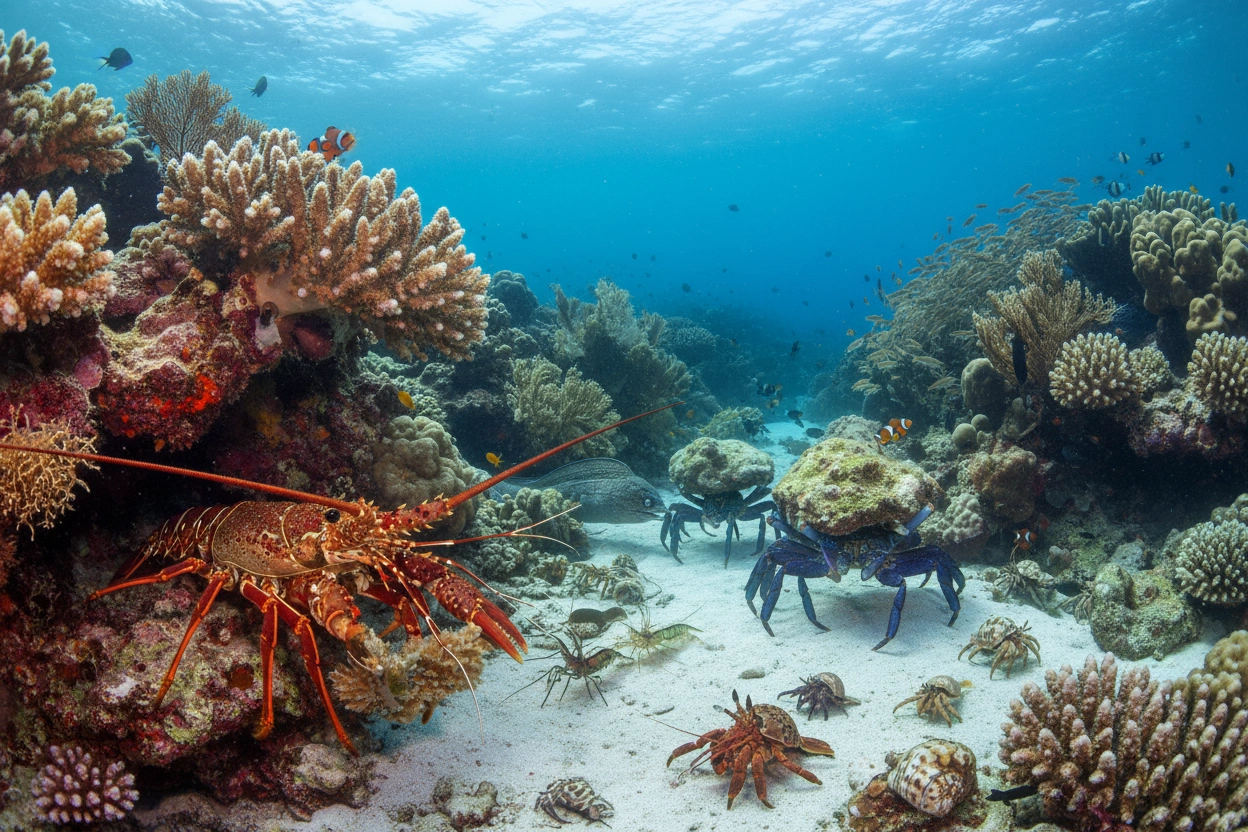
Crustaceans, which include species such as shrimp, crabs, and lobsters, thrive in diverse aquatic habitats ranging from freshwater lakes to brackish mangroves and oceanic environments. Understanding the specific habitat requirements of each species is crucial for successful maintenance.
Ideal Environmental Conditions
Crustaceans require specific environmental conditions to thrive. Factors such as temperature, salinity, and water quality directly impact their growth and reproduction.
- Temperature: Most crustaceans prefer a temperature range of 20-30 degrees Celsius. Exceeding these limits can lead to stress and increased mortality rates.
- Salinity: Different species have varying salinity preferences. For example, brine shrimp thrive in high salinity, while many freshwater species prefer lower salinity levels.
- Water Quality: Maintaining optimal water quality involves regular monitoring of pH, ammonia, nitrite, and nitrate levels. Using filtration systems and performing regular water changes can help maintain these parameters.
Habitat Design
Designing a suitable habitat is essential for crustacean maintenance. This involves creating a space that mimics their natural environment.
- Substrate: Use appropriate substrates such as sand or gravel to provide hiding spots and reduce stress.
- Vegetation: Incorporating live plants or artificial structures can offer shelter and breeding grounds.
- Aeration: Proper aeration is necessary to maintain oxygen levels and distribute nutrients evenly throughout the habitat.
Top Crustaceans Strategies for Maximum Yield
To achieve maximum yield in crustacean production, several strategies can be employed. These methods focus on optimizing growth conditions, feeding practices, and health management.
1. Optimize Feeding Practices
Feeding crustaceans a balanced diet is crucial for their growth and reproduction. Here are some effective feeding strategies:
- High-Quality Feed: Use specialized feeds formulated for crustaceans that contain essential nutrients such as protein, vitamins, and minerals.
- Feeding Frequency: Offer multiple small feedings throughout the day rather than one large feeding to enhance nutrient absorption.
- Supplementation: Incorporate natural food sources such as algae, which can provide additional nutrients and stimulate natural behaviors.
2. Implement Health Management Protocols
Health management is vital for preventing disease outbreaks and ensuring the overall well-being of crustaceans. Key practices include:
- Regular Monitoring: Conduct regular health checks to detect signs of disease or stress early. Look for unusual behavior, discoloration, or lesions.
- Biosecurity Measures: Implement biosecurity protocols to prevent the introduction of pathogens. This includes quarantining new stock and maintaining clean equipment.
- Stress Reduction: Minimize stressors by maintaining optimal environmental conditions and providing adequate hiding spaces.
3. Utilize Breeding Techniques
For those involved in aquaculture, understanding breeding techniques can enhance productivity. Consider the following approaches:
- Selective Breeding: Choose breeding stock based on desirable traits such as growth rate, disease resistance, and reproductive success.
- Controlled Breeding Conditions: Create optimal conditions for breeding, such as adjusting temperature and salinity to encourage spawning.
- Larval Rearing: Implement proper larval rearing techniques, including feeding with appropriate diets and maintaining ideal water quality.
4. Regular Maintenance and Monitoring
Consistent maintenance and monitoring are essential for sustaining a healthy environment for crustaceans. This includes:
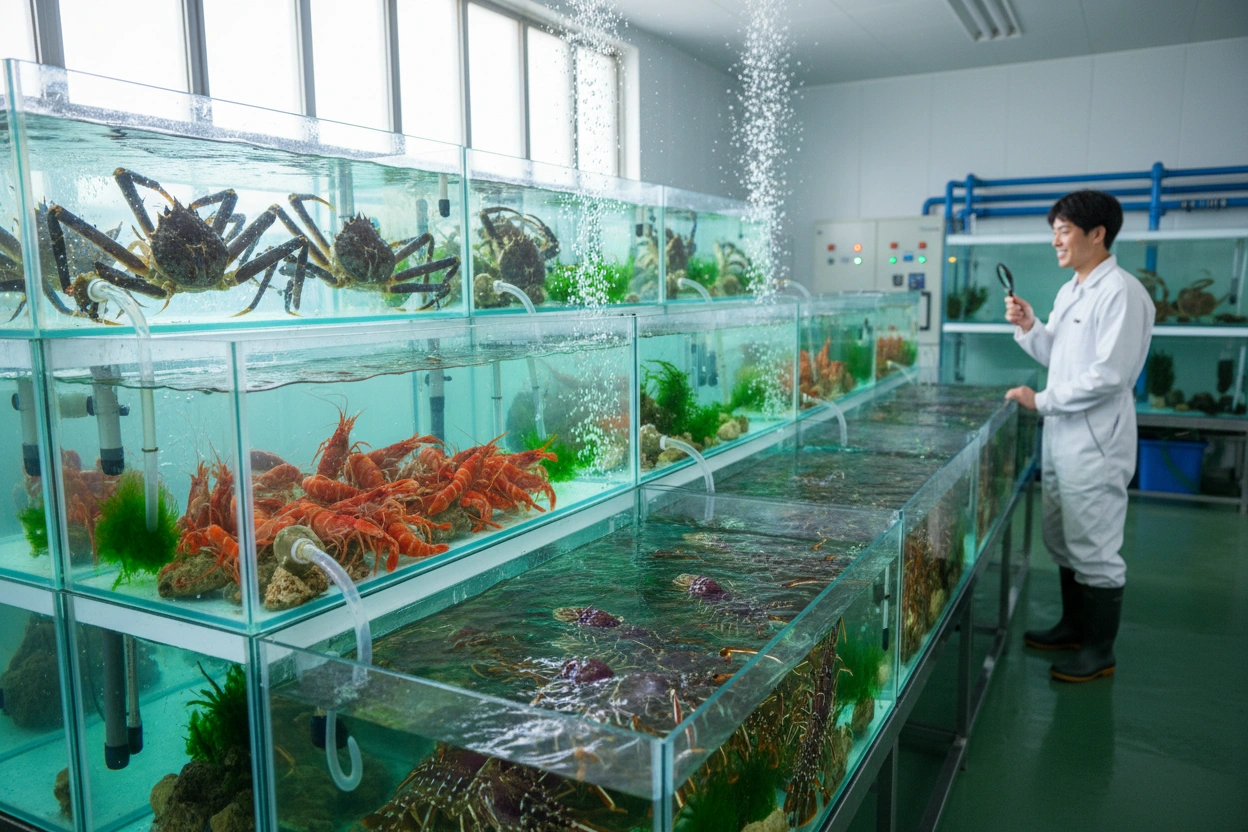
- Water Testing: Regularly test water parameters to ensure they remain within optimal ranges. This should be done at least once a week.
- Cleaning Protocols: Develop a routine for cleaning tanks and equipment to prevent algae buildup and pathogen growth.
- Record Keeping: Maintain detailed records of growth rates, feeding schedules, and health assessments to identify trends and make informed adjustments.
5. Educate and Train Staff
For commercial operations, staff education is crucial in maintaining optimal crustacean conditions. Consider the following training methods:
- Workshops: Conduct workshops on best practices for crustacean care, including feeding, health monitoring, and habitat maintenance.
- On-the-Job Training: Provide hands-on training to ensure staff are familiar with equipment and protocols.
- Continued Education: Encourage ongoing education about emerging trends and research in crustacean aquaculture.
Common Mistakes and How to Avoid Them
While striving for maximum yield, several common mistakes can undermine efforts. Here are some pitfalls to avoid:
- Overfeeding: Excess feed can lead to water quality issues and increased waste. Follow feeding guidelines to prevent overnutrition.
- Ignoring Water Quality: Failing to monitor water parameters can lead to stress and disease. Regular testing and maintenance are essential.
- Neglecting Biosecurity: Introducing new stock without proper quarantine can bring in pathogens. Always implement biosecurity measures.
The Role of Technology in Crustacean Maintenance
Advancements in technology have significantly improved crustacean maintenance practices. Utilizing these tools can enhance efficiency and yield.
Automation and Monitoring Tools
- Automated Feeding Systems: These systems can deliver precise amounts of feed at scheduled intervals, reducing labor and ensuring consistent nutrition.
- Water Quality Sensors: Real-time monitoring devices can alert you to fluctuations in water parameters, allowing for prompt corrective actions.
Data Analysis
- Growth Tracking Software: Utilizing software to track growth rates and health assessments can help in making informed management decisions.
- Predictive Analytics: Advanced analytics can forecast potential issues and trends, allowing for proactive management of crustacean populations.
The Intersection of Crustacean Maintenance and Sustainable Practices
Sustainability is becoming increasingly important in aquaculture. Implementing environmentally friendly practices can enhance crustacean yield while preserving marine ecosystems.
- Eco-Friendly Feed: Opt for feeds made from sustainable sources to reduce the environmental impact.
- Resource Efficiency: Utilize water recycling systems to minimize waste and conserve resources.
- Community Engagement: Involve local communities in sustainable practices, promoting awareness and support for crustacean conservation.
By adopting these strategies and technologies, you can not only enhance your crustacean yield but also contribute to the sustainability of aquatic ecosystems.
Applying Knowledge with Banana Slug Club
Understanding how to optimize crustacean maintenance is crucial for anyone involved in aquaculture or marine biology. By applying the strategies discussed in this guide, you can ensure a thriving environment for crustaceans, leading to maximum yield and sustainability.
Banana Slug Club is dedicated to supporting enthusiasts and professionals in their journey to optimize crustacean maintenance. Whether you seek more information on best practices or wish to engage with a community of like-minded individuals, we are here to help.
For further insights and resources on crustaceans and aquaculture, visit Banana Slug Club and explore how we can assist you in maximizing your crustacean yield.


.svg)
.svg)