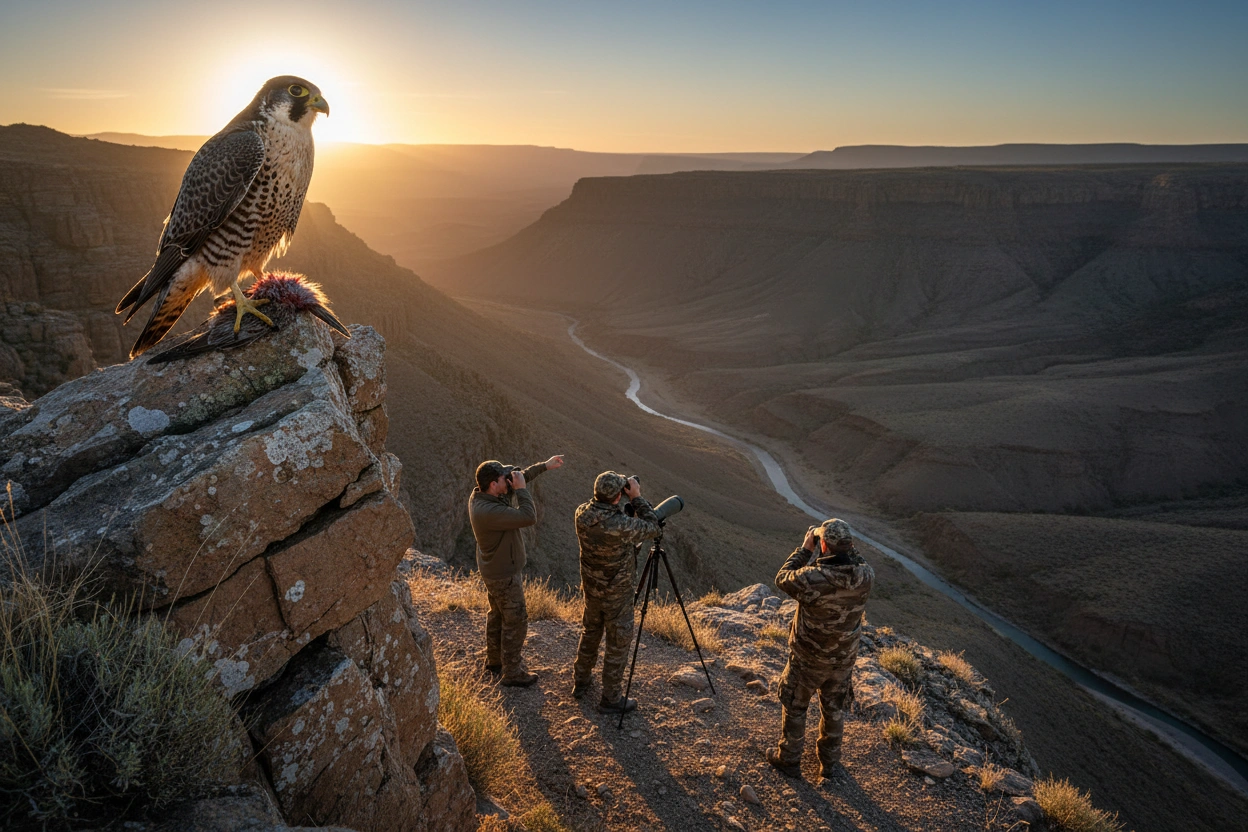
Birds of prey, also known as raptors, are among the most fascinating and majestic creatures in the avian world. With their keen eyesight, powerful talons, and impressive hunting skills, these birds captivate the hearts of birdwatchers and nature enthusiasts alike. However, observing these magnificent animals requires a deep understanding of their behavior and a commitment to contribute to their conservation. In this article, we will explore the best practices for observing birds of prey responsibly, along with a detailed overview of their behavior, which will enhance your birdwatching tours.

Birds of prey exhibit a range of behaviors that are crucial to their survival and hunting strategies. Understanding these behaviors can significantly enhance your birdwatching experience while ensuring you respect their natural habitat.
Raptors utilize various hunting techniques that are adapted to their environment and prey. The most common methods include:
Soaring: Many birds of prey, such as eagles and hawks, use thermal updrafts to soar high in the sky, scanning the ground for potential prey. This energy-efficient method allows them to cover vast areas without expending much energy.
Perch Hunting: Some raptors, like kestrels, prefer to perch on high vantage points, such as trees or telephone poles, from which they can spot small mammals or insects. They often make quick, agile dives to catch their prey.
Ambush: Species like the peregrine falcon rely on stealth and speed. They often ambush their prey from a hidden position, launching a surprise attack at incredible speeds.
Understanding these hunting techniques not only enriches your knowledge but also helps you identify the raptors in your vicinity during birdwatching tours.
Raptors are often solitary creatures, but some species exhibit social behaviors, particularly during breeding seasons.
Territorial Displays: Many raptors are territorial and will engage in displays to defend their nesting sites. This includes vocalizations, aerial displays, and even physical confrontations with intruders.
Mating Rituals: During the breeding season, raptors perform elaborate courtship displays. For instance, male peregrine falcons may perform high-speed dives and aerial acrobatics to impress females.
Vocal Communication: Different species have unique calls that serve various purposes, from signaling alarm to attracting mates. Familiarizing yourself with these calls can enhance your birdwatching experience.
Many birds of prey are migratory, traveling thousands of miles between their breeding and wintering grounds. Understanding these migration patterns is vital for responsible observation:
Timing: Raptors often migrate in the fall and spring. Knowing the peak migration times in your area will help you plan your birdwatching tours effectively.
Migration Routes: Certain species follow established migration routes, known as flyways. Recognizing these routes can increase your chances of spotting different raptor species throughout the year.
By comprehending these behavioral aspects, birdwatchers can approach their observations with greater awareness and respect for the species they encounter.

Observing birds of prey is a rewarding experience, but it comes with a responsibility to ensure their protection and conservation. Here are some best practices to follow:
Maintaining a respectful distance is crucial when observing birds of prey. Getting too close can cause stress and disrupt their natural behaviors.
Use Binoculars or Spotting Scopes: Invest in a good pair of binoculars or a spotting scope to observe raptors from a distance. This allows you to enjoy their beauty without intruding on their space.
Observe from Designated Areas: Many parks and nature reserves have designated viewing areas for birdwatching. Use these spots to minimize disturbance to wildlife.
Raptors are sensitive to noise, which can disrupt their hunting and nesting behaviors.
Speak Softly: When in groups, maintain a low volume and avoid sudden loud noises. This helps to keep the area calm and minimizes disturbance.
Turn Off Devices: When observing birds, silence your phone and other electronic devices to reduce distractions and noise.
Adhering to established ethical guidelines is essential for responsible birdwatching.
Stay on Trails: When hiking or exploring areas known for raptors, stick to established trails to avoid trampling their habitats.
Avoid Disturbing Nests: If you spot a nest, keep your distance and do not attempt to approach it. Disturbing nests can lead to abandonment or harm to the young birds.
Knowledge is power when it comes to responsible birdwatching.
Participate in Workshops: Engage in birdwatching workshops or courses that focus on raptor identification and conservation. These opportunities enhance your understanding and appreciation of these birds.
Share Your Knowledge: Educate others about the importance of observing birds of prey responsibly. Encourage fellow birdwatchers to follow ethical practices to protect these magnificent creatures.

As with any subject, misconceptions about birds of prey can lead to misunderstandings and poor practices. Here are some common myths and the truths behind them:
Many people assume that all birds of prey are inherently aggressive due to their hunting nature. In reality, raptors are often more focused on survival than aggression.
Another misconception is that raptors exclusively hunt small mammals or birds. In fact, their diets can be quite varied.
Many believe that birds of prey are resilient and can thrive despite human activities. However, this is far from the truth.
By addressing these misconceptions, birdwatchers can foster a more profound respect for raptors and contribute to their conservation.
Understanding and respecting the behaviors of birds of prey is essential for any birdwatching enthusiast. By implementing best practices for observing these magnificent raptors responsibly, you can enjoy the thrill of birdwatching while contributing to the conservation of these species. The insights gained from observing raptors not only enhance your experience but also promote awareness of their ecological significance.
At Banana Slug Club, we are dedicated to fostering a community that appreciates and protects wildlife. Our commitment to responsible birdwatching aligns with the best practices outlined in this article. Whether you are a seasoned birdwatcher or a novice, we invite you to join us in exploring the world of raptors responsibly.
To learn more about how to observe birds of prey and participate in our birdwatching tours, visit Banana Slug Club today. Together, we can enjoy the beauty of these incredible creatures while ensuring their preservation for future generations.
Get free resources, early access to new features and updates.
No spam. Just fun educational emails!


.svg)
.svg)