In the world of gardening, the role of insects is often overlooked, yet they are vital for the health of our ecosystems and the flourishing of plants. Pollinator insects, in particular, play a crucial role in the reproductive processes of flowering plants. Understanding how these insects interact with plants can significantly enhance your gardening experience, leading to a more vibrant and productive garden. In this comprehensive guide, we will explore the intricate relationships between pollinator insects and plant growth, delve into insect species identification, and introduce you to some of the most fascinating insect species that can benefit your garden.

Pollinator insects are essential for the pollination of a vast majority of flowering plants. Without them, many plants would fail to reproduce, leading to a decline in plant diversity and agricultural productivity. The most well-known pollinators include bees, butterflies, moths, and certain beetles. These insects transfer pollen from the male parts of flowers to the female parts, facilitating fertilization and the production of seeds.
The significance of these insects extends beyond mere plant reproduction. They contribute to the overall health of the ecosystem by supporting biodiversity. A diverse plant community provides habitats and food sources for various organisms, creating a balanced and thriving environment. Thus, fostering a garden that attracts and supports pollinator insects is not just beneficial for the plants but also for the entire ecosystem.
Pollination occurs when pollen grains from the male anthers of a flower are transferred to the female stigma. This process can occur through several mechanisms:
Insects, particularly bees, are incredibly efficient pollinators. They are attracted to flowers due to their colors, scents, and nectar. As they move from flower to flower, they inadvertently carry pollen, ensuring the continuation of plant species.
While many gardeners recognize the importance of pollinator insects, several misconceptions persist that can hinder their effectiveness in gardens.
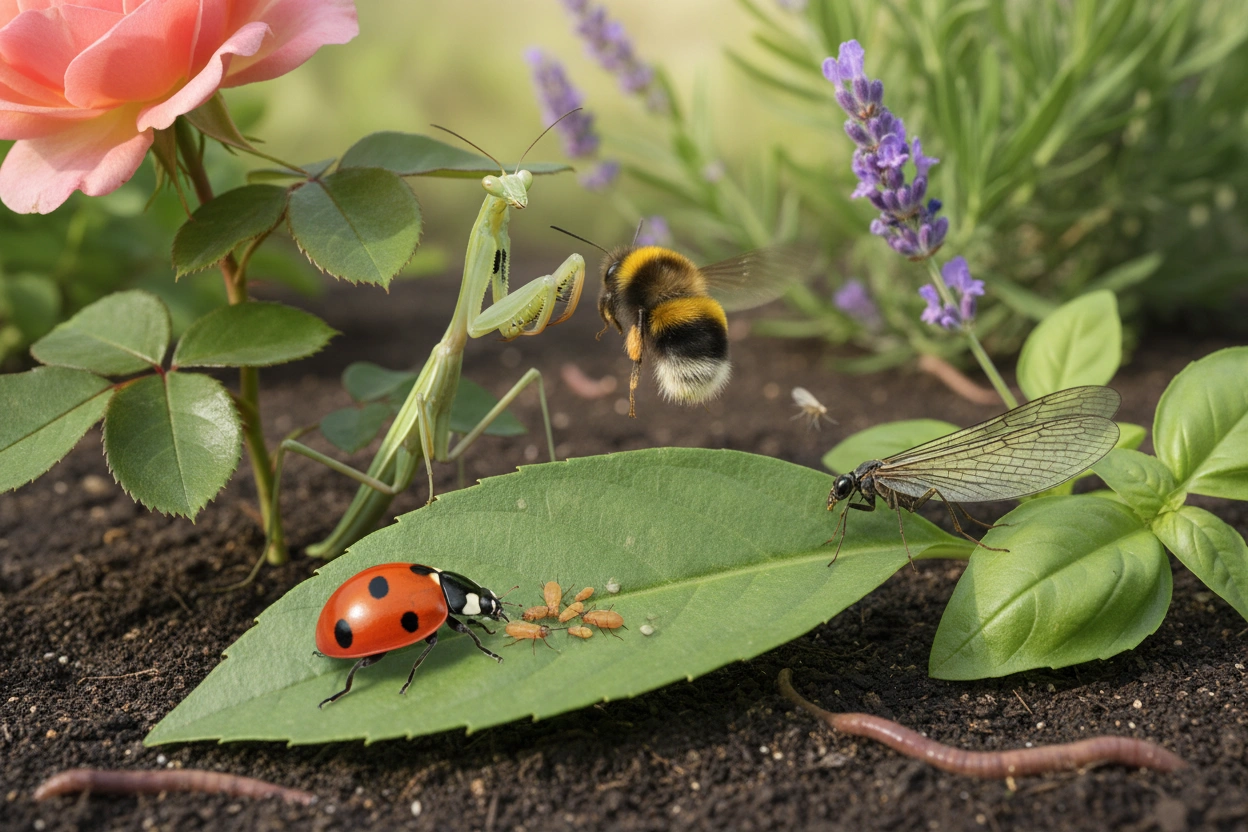
A common belief is that insects are pests that damage plants. While some insects do cause harm, many are beneficial and play essential roles in pollination and pest control. For example, ladybugs and lacewings feed on aphids and other harmful pests, reducing the need for chemical pesticides.
While bees are indeed the most recognized pollinators, other insects such as butterflies, moths, and beetles also contribute significantly to pollination. Planting a diverse array of flowers can attract various pollinators, enhancing the overall pollination process in your garden.
Many gardeners shy away from insect species identification, thinking it is too complex. However, with a little practice, anyone can learn to identify common pollinators and beneficial insects. Numerous resources, including field guides and mobile apps, can assist in recognizing these species.
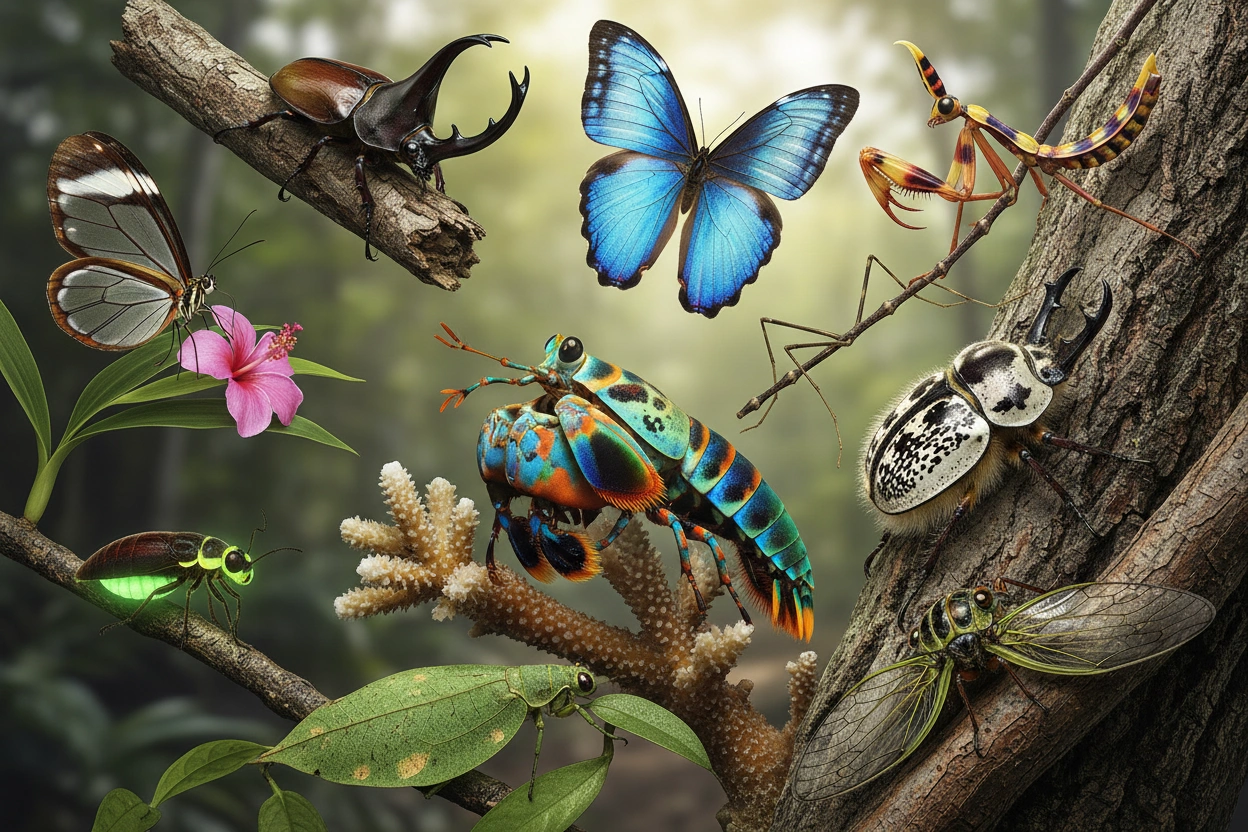
Exploring the world of insects reveals numerous fascinating insect species that can be beneficial to your garden. Here are ten remarkable insect species worth knowing about:
Honeybees are perhaps the most well-known pollinators. They not only pollinate a wide variety of flowers but also produce honey. Their social structure and communication methods are complex and fascinating.
Monarch butterflies are not just beautiful; they are essential for pollinating many wildflowers. Their migration patterns are a marvel of nature, traveling thousands of miles each year.
Ladybugs are beneficial insects that consume aphids and other pests. Their striking appearance and voracious appetite for harmful insects make them a favorite among gardeners.
Hoverflies resemble small bees and are effective pollinators. They are also predators of aphids, making them dual-purpose allies in pest control.
Bumblebees are robust and effective pollinators, particularly for plants that require buzz pollination. Their ability to vibrate flowers to release pollen is unique among pollinators.
While primarily known for their predatory nature, dragonflies also contribute to pollination. Their presence in a garden indicates a healthy ecosystem.
Although not traditional pollinators, ants help in the seed dispersal of certain plants and can improve soil health through their tunneling activities.
Moths, especially night-flying species, are crucial for pollinating flowers that bloom at night. Their role in the ecosystem is often underappreciated.
Carpenter bees are solitary bees that often drill into wood but are excellent pollinators for many flowering plants. Their size and appearance are distinctive.
Green lacewings are beneficial insects that feed on aphids and other pests in their larval stage. They also contribute to pollination as adults.
Creating an environment that attracts pollinator insects requires thoughtful planning and execution. Here are some effective strategies:
Diverse plantings not only make your garden visually appealing but also attract a wide range of pollinators. Include plants that bloom at different times throughout the growing season to provide a continuous food source.
Chemical pesticides can be harmful to beneficial insects. To protect pollinators:
Pollinators need water for hydration. Consider adding shallow water sources, such as birdbaths or small ponds, with stones for insects to land on safely.
Insects require safe places to rest and reproduce. Provide shelter by:
When cultivating a pollinator-friendly garden, avoiding certain common mistakes can significantly enhance your success.
Diversity is key in attracting various pollinators. Relying on a single type of flower can limit the range of insects that visit your garden.
Native plants are well-suited to local pollinators. They often require less maintenance and provide the best food sources for native insect species.
Excessive tilling can disrupt the habitats of beneficial insects. Practice no-till gardening to protect soil ecosystems and promote healthy insect populations.
Insects are not just beneficial; they are integral to sustainable gardening practices. By fostering a habitat for pollinators, gardeners can reduce reliance on chemical fertilizers and pesticides, promoting a healthier ecosystem.
As you cultivate your garden with an understanding of the importance of pollinator insects, you can significantly enhance plant growth and contribute to a healthier environment. Whether you are an experienced gardener or just starting out, the insights shared here will empower you to make informed decisions that benefit both your garden and the pollinators that inhabit it.
For more information and to connect with fellow gardening enthusiasts, reach out to us.
Embrace the beauty and benefits of pollinator insects in your garden. To learn more about creating a flourishing garden ecosystem, visit Banana Slug Club today. Together, we can cultivate gardens that support both plants and the vital insects that aid in their growth.
Get free resources, early access to new features and updates.
No spam. Just fun educational emails!


.svg)
.svg)