Birding enthusiasts and nature lovers alike are drawn to the majestic beauty and captivating behavior of Birds of Prey. Raptors, including hawks, eagles, Peregrine Falcons, and owls, are not only fascinating to observe but also play crucial roles in their ecosystems. With a growing interest in birdwatching, it's essential to identify the best hotspots for observing these incredible creatures in their natural habitats. This article will explore notable locations for raptor observation and delve into the conservation efforts necessary to protect these magnificent birds.
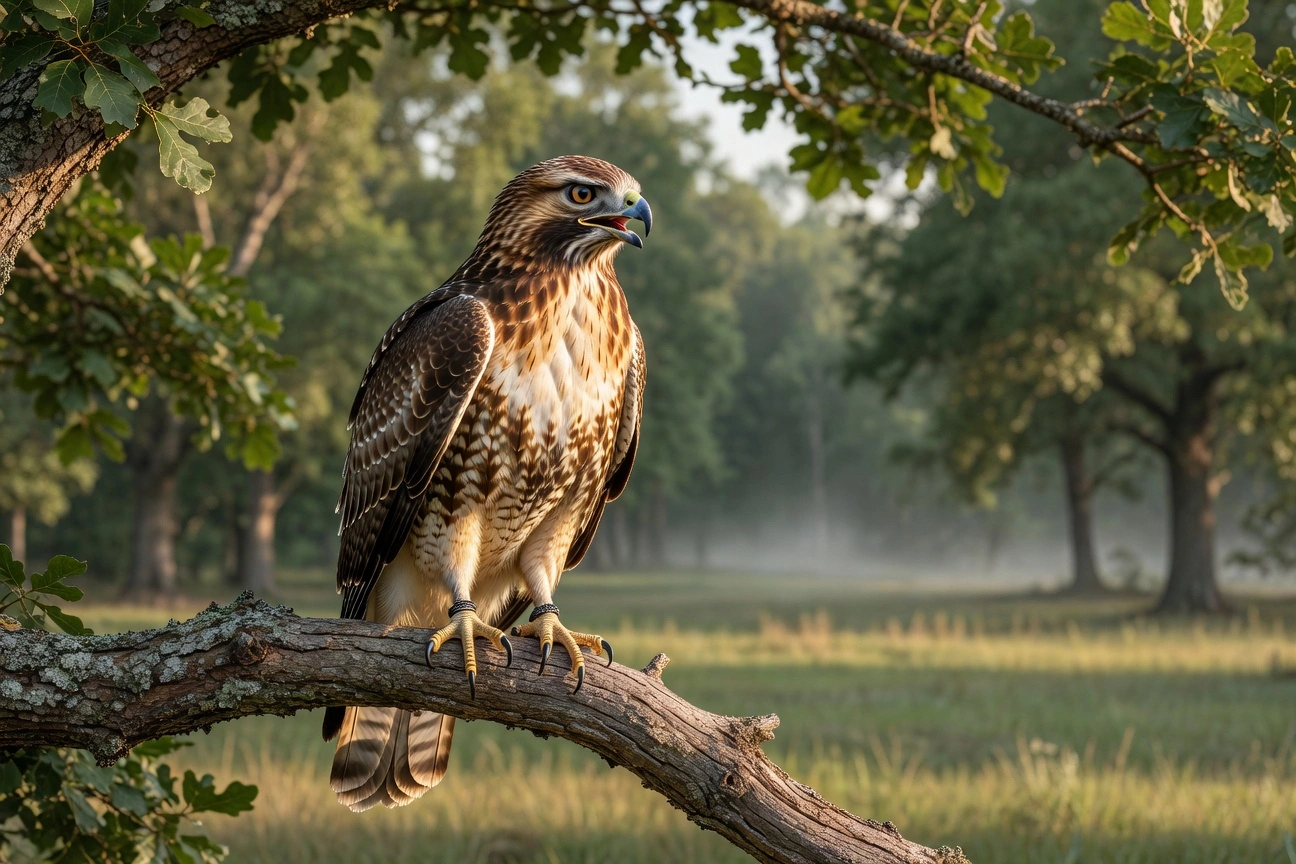
Birds of Prey, or raptors, are characterized by their keen eyesight, powerful talons, and strong beaks, which make them formidable hunters. They occupy various ecosystems, from forests and wetlands to grasslands and mountains. Their dietary habits vary, with some preferring small mammals, while others may hunt fish or insects. Understanding their behavior and habitat preferences can greatly enhance the birdwatching experience.
Keen Vision: Raptors possess extraordinary eyesight, allowing them to spot prey from great distances. They can see ultraviolet light, which helps them detect markings on small animals.
Strong Talons: The sharp talons of raptors are essential tools for catching and holding onto prey. Different species have evolved talons suited to their hunting style.
Diverse Habitats: Raptors are adaptable and can thrive in a variety of habitats, including urban environments, where they have been known to nest on skyscrapers.
Raptors are Dangerous: While raptors are powerful predators, they typically pose no threat to humans. Most species prefer to avoid human interaction altogether.
All Raptors Hunt in Daylight: Many birdwatchers may assume that all raptors are diurnal. However, several species, like owls, are nocturnal hunters and are best observed at night.
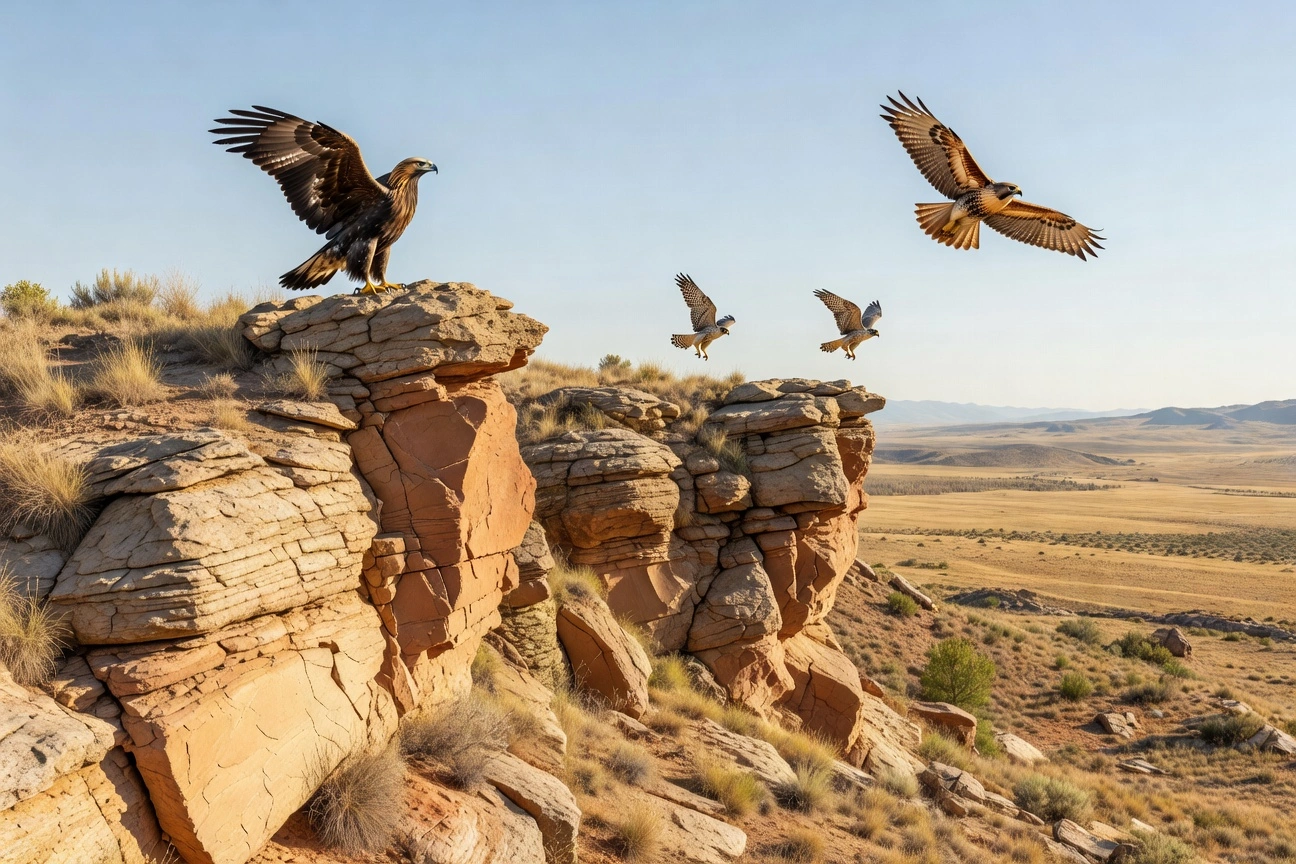
Birding hotspots offer unique opportunities to observe raptors in their natural habitats. Here are some of the best locations across North America known for their raptor populations.
Hawk Mountain Sanctuary is renowned for its raptor migration, attracting thousands of birds each fall. Located in the Appalachian Mountains, this sanctuary offers breathtaking views and well-maintained trails for birdwatchers.
Cape May is a premier birding destination, especially during the fall migration. The convergence of land and sea creates an ideal environment for observing various raptor species, including Peregrine Falcons.
This stunning coastal area is a haven for raptors. Point Reyes provides diverse habitats, from wetlands to grasslands, making it a prime location for birdwatching.
Bosque del Apache is famous for its wintering waterfowl, but it is also home to many raptors. The refuge's diverse habitats support various bird species, making it a great birding destination.
The vast wetlands of the Everglades are home to a variety of wildlife, including raptors. Birdwatchers can explore numerous trails and waterways to spot these magnificent birds.

The conservation of raptors is critical for maintaining ecological balance and ensuring that these magnificent birds continue to thrive in their natural habitats. Various organizations and initiatives are dedicated to protecting raptor populations and their environments. Birds of Prey play vital roles in their ecosystems by controlling populations of rodents and other prey species. Their decline can lead to an imbalance in the food chain, affecting numerous other species. Conservation efforts are essential to:
Several organizations work tirelessly to protect raptors and promote conservation awareness. Some noteworthy initiatives include:
Hawk Mountain Sanctuary: Engages in research and education programs focused on raptor migration and habitat protection.
The Peregrine Fund: Focuses on the conservation of peregrine falcons and other raptors through research, education, and breeding programs.
The Audubon Society: Advocates for habitat protection and restoration, providing resources for birdwatchers and conservationists alike.
As an avid birdwatcher or nature lover, you can contribute to raptor conservation efforts in several ways:
Support Conservation Organizations: Donate to or volunteer with organizations focused on raptor protection.
Participate in Citizen Science: Engage in bird counts and monitoring programs to assist researchers in tracking raptor populations.
Promote Awareness: Educate others about the importance of raptors and their conservation needs through social media and community events.
Birdwatching can be a rewarding experience, but there are common pitfalls that can detract from your enjoyment and success in observing Birds of Prey. Here are some mistakes to avoid:
Failing to research the best birding locations can lead to missed opportunities. Each raptor species has specific habitats and migration patterns, so it is essential to plan your outings accordingly.
Different species of raptors are active at various times of the year. Understanding seasonal migrations and breeding behaviors can significantly enhance your birdwatching experience.
Respecting the natural environment is crucial. Avoid getting too close to nesting sites or disturbing wildlife. Use binoculars or spotting scopes to observe raptors from a distance.
Technology has greatly enhanced the birdwatching experience, providing birders with tools to improve their observation skills and knowledge.
Birdwatching is not just a leisure activity; it plays a crucial role in conservation efforts. By observing and documenting raptors, birders contribute to a greater understanding of these species and the challenges they face.
Birdwatchers can influence conservation policies by:
The passion for observing Birds of Prey can lead to a deeper commitment to their conservation. As more people become aware of the importance of raptors, the collective effort to protect these birds will grow.
Exploring the world of Birds of Prey is a thrilling adventure that connects us to nature and highlights the importance of conservation. By visiting the best birding hotspots and engaging in conservation efforts, you can play a part in protecting these magnificent creatures for future generations.
Join the community of bird lovers and conservationists with Banana Slug Club, where you can find resources, tips, and support for your birdwatching journey. Whether you are a seasoned birder or just starting, Banana Slug Club is dedicated to fostering a love for nature and promoting the conservation of raptors.
For more information on how you can get involved and learn more about Birds of Prey, visit Banana Slug Club today.
Get free resources, early access to new features and updates.
No spam. Just fun educational emails!


.svg)
.svg)