Insects have long been a staple in various cultures around the world, but their potential as sustainable food sources is gaining significant attention in contemporary discussions on nutrition and environmental impact. As the global population continues to rise, alternative protein sources are becoming increasingly necessary to meet dietary needs without exacerbating climate change. The practice of entomophagy—consuming insects—offers a wealth of nutritional benefits while presenting a lower ecological footprint compared to traditional livestock farming. This article delves into the nutritional value of insects, their sustainability credentials, and a fascinating exploration of the top insect species that are making waves in the culinary world.
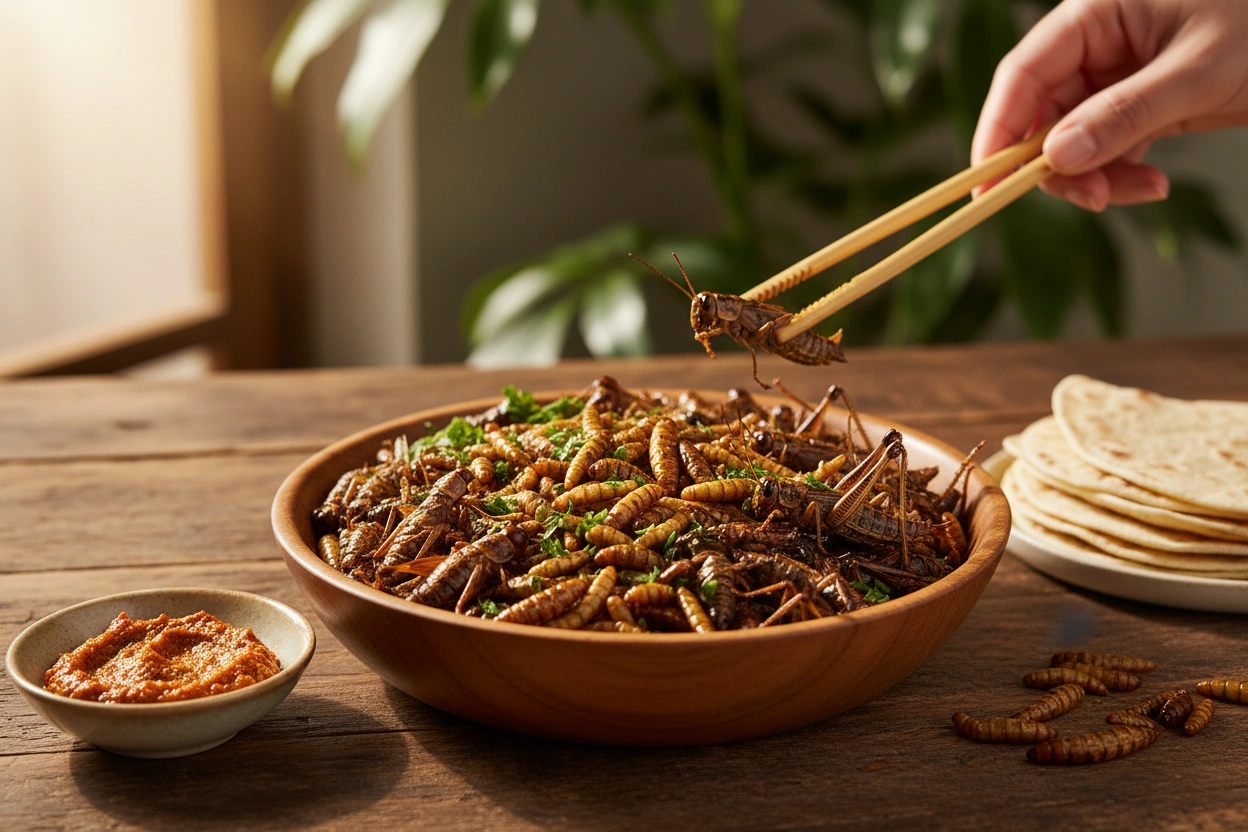
Insects are often lauded for their impressive nutritional profiles, which can vary significantly among different species. Generally, they are rich in protein, healthy fats, vitamins, and minerals, making them an excellent dietary choice for individuals seeking alternatives to conventional meat sources.
One of the most compelling reasons to incorporate insects into diets is their high protein content. On average, insects contain between 30% to 80% protein by dry weight, depending on the species. For instance, crickets provide approximately 60% protein, making them an excellent alternative for those looking to boost their protein intake without resorting to animal farming. Insects also offer all essential amino acids, which are crucial for bodily functions, muscle repair, and overall health.
In addition to protein, many edible insects are high in healthy fats, including omega-3 and omega-6 fatty acids. These fats are known for their heart health benefits and play a vital role in brain function. Furthermore, insects are often rich in micronutrients such as iron, zinc, and B vitamins, which are essential for maintaining energy levels, supporting immune function, and promoting overall well-being.
The environmental benefits of consuming insects are significant. Insect farming requires substantially fewer resources than traditional livestock farming, making it a more sustainable option.
Insects require considerably less land, water, and feed to produce the same amount of protein compared to cattle, pigs, or chickens. For example, crickets need approximately 1,700 liters of water to produce one kilogram of protein, while cattle require about 15,000 liters for the same amount. This efficiency makes insect farming an attractive solution to address food security concerns in a resource-constrained world. lower ecological footprint.
Another critical advantage of insect farming is its lower greenhouse gas emissions. Livestock production is a significant contributor to greenhouse gas emissions, particularly methane. In contrast, insects produce minimal greenhouse gases, making them a far more environmentally friendly protein source. This attribute aligns well with global efforts to combat climate change and reduce the agricultural sector's carbon footprint. critical environmental roles.

The world of edible insects is vast and varied, with many species offering unique flavors, textures, and culinary applications. Here, we explore ten of the most fascinating insect species that are making their mark in the food industry.
Crickets are perhaps the most popular edible insect, often found in protein bars, snacks, and even flour. They have a mild flavor and a crunchy texture, making them highly versatile in various recipes.
Mealworms, the larvae of darkling beetles, are rich in protein and fiber. Their nutty flavor makes them an excellent ingredient in baked goods, granola, and even as a topping for salads.
These insects are enjoyed in many cultures, particularly in Mexico, where they are known as "chapulines." Grasshoppers are often toasted and seasoned, providing a savory snack that is high in protein.
Some ant species, such as leafcutter ants and weaver ants, are consumed for their unique flavors. Weaver ants, for instance, have a citrusy taste, making them a delightful addition to various dishes.
Termites are not only nutritious but also flavorful. They can be eaten raw or roasted and are often incorporated into traditional dishes in several African and Asian countries.
Silkworms are commonly consumed in Asian countries and are known for their chewy texture. They are often boiled or fried and served in various dishes, providing a rich source of protein.
The larvae of the wax moth, waxworms, are soft and buttery in texture. They are often used in gourmet cooking and can be found in specialty food products.
Buffalo worms, the larvae of the darkling beetle, are high in protein and have a slightly nutty flavor. They are often used as a sustainable feed option for pets and livestock.
These beetles are not only edible but also have a unique flavor profile that can be described as nutty and sweet. They can be roasted or fried and are enjoyed in various culinary applications.
Cicadas are a seasonal delicacy in some regions, particularly in the United States. They are often fried or used in various dishes, offering a crunchy texture and a sweet, nutty flavor.

Despite the growing acceptance of insects as food sources, several misconceptions persist that can deter people from exploring this sustainable option.
A common belief is that insects are unclean and carry diseases. However, when farmed properly, insects can be as safe and clean as conventional livestock. Many insect farms adhere to strict hygiene and safety protocols to ensure the health of their products.
Another misconception is that insects are only suitable for survival scenarios or extreme diets. In reality, insects are being embraced by gourmet chefs and food enthusiasts around the world, showcasing their culinary potential in a variety of dishes.
Some people argue that eating insects is unnatural or disgusting. Yet, many cultures have been consuming insects for centuries, and they are a traditional part of the diet in many countries. As our understanding of nutrition and sustainability evolves, it is essential to recognize the role insects can play in a balanced diet.
If you're intrigued by the idea of adding insects to your meals, here are some practical tips to get started.
Many companies now offer insect-based products, such as protein bars, snacks, and flours. These products provide an easy way to introduce insects into your diet without having to prepare them from scratch.
Insects can be used in various recipes, from stir-fries to baked goods. Start by incorporating small amounts of insect protein powder into smoothies or baked items to gradually acclimate your palate.
Look for local workshops or cooking classes that focus on entomophagy. These events can provide hands-on experience and introduce you to new ways to prepare and enjoy insects.
The exploration of insects as food sources highlights a significant intersection between nutrition, sustainability, and culinary innovation. As we continue to seek sustainable solutions to global food challenges, insects offer a promising alternative that aligns with both health and environmental goals.
Banana Slug Club is dedicated to fostering awareness and education around the benefits of sustainable food practices, including the incorporation of insects into our diets. By supporting initiatives that promote entomophagy, we can contribute to a more sustainable future while enjoying diverse and nutritious food options.
Take the first step toward a sustainable lifestyle by exploring the world of edible insects. For more information on how to incorporate these fascinating food sources into your diet, contact Banana Slug Club today. Together, we can embrace a future that celebrates nutrition and sustainability.
Get free resources, early access to new features and updates.
No spam. Just fun educational emails!


.svg)
.svg)