Insects and Human Health: Surprising Connections Revealed
The world of insects is vast and often misunderstood. While many people regard them as mere nuisances, recent studies reveal that insects play a critical role in human health and nutrition. From pollination to pest control, these tiny creatures significantly impact our ecosystems and food systems. One of the most intriguing aspects of insects is their potential as food sources. This article delves into the surprising connections between insects and human health, particularly focusing on their role as a sustainable food source.
The Role of Insects in Human Health
Insects have been integral to human health for centuries, often in ways we do not fully appreciate. They contribute to biodiversity, which is vital for ecosystem stability and resilience. Furthermore, insects are increasingly recognized for their nutritional value. In many cultures, they have long been part of the diet, offering a rich source of protein, vitamins, and minerals.
The consumption of insects, or entomophagy, is gaining traction worldwide, especially as global populations rise and the demand for sustainable food sources increases. According to the Food and Agriculture Organization (FAO), over 2 billion people globally consume insects regularly. This dietary practice is not just a trend but a potential solution to some of the pressing issues in food security and environmental sustainability.
Nutritional Benefits of Insects
Insects are not only a source of sustainable protein but also pack a nutritional punch. Some key benefits include:
- High Protein Content: Many edible insects contain up to 80% protein by dry weight, making them an excellent alternative to traditional meat sources.
- Rich in Essential Nutrients: Insects are often high in vitamins (such as B vitamins) and minerals (like iron, zinc, and calcium), which are crucial for maintaining good health.
- Healthy Fats: Certain insects provide essential fatty acids, including omega-3 and omega-6, which are vital for heart and brain health.
Environmental Impact of Insect Farming
Insect farming presents a sustainable alternative to conventional livestock farming. The environmental benefits include:
- Lower Greenhouse Gas Emissions: Insects produce significantly fewer greenhouse gases than cattle or pigs, contributing to lower overall emissions in food production.
- Reduced Land and Water Use: Insects require less land and water to raise compared to traditional livestock. For example, crickets need approximately 12 times less feed than cattle to produce the same amount of protein.
- Waste Reduction: Many insects can be reared on organic waste, turning by-products from other food production processes into valuable protein sources.
A Complete Guide to Insects as Food Sources
As the conversation around sustainable food sources evolves, the exploration of insects as a viable food option becomes increasingly relevant. This section provides a comprehensive guide to understanding how insects can be incorporated into our diets.
Common Edible Insects
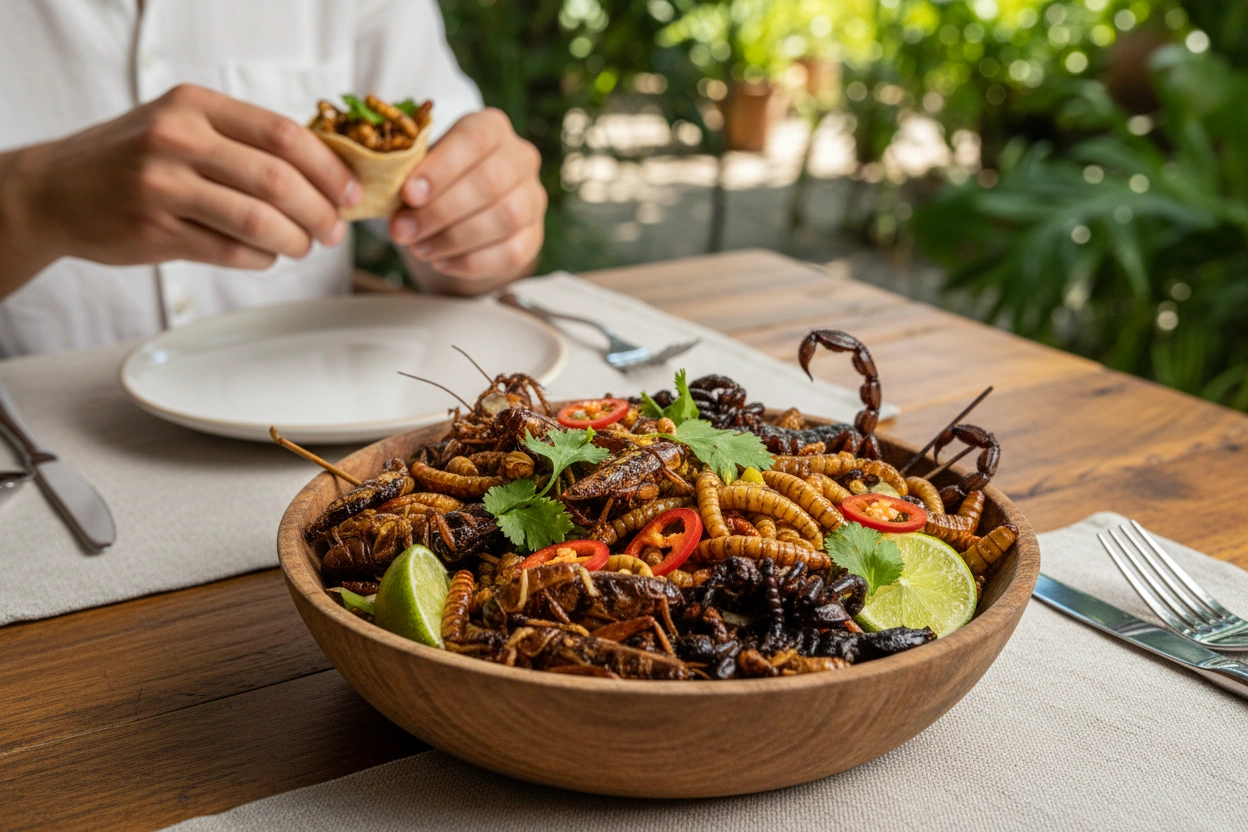
- Crickets: Known for their high protein content and mild flavor, crickets are often ground into flour for use in protein bars and snacks.
- Mealworms: These larvae of darkling beetles are rich in protein and can be used in various dishes, from salads to cookies.
- Grasshoppers: Common in many cultures, grasshoppers are high in protein and can be enjoyed roasted or fried.
- Ants: Some species, like leafcutter ants, have a tangy flavor and are often used in traditional dishes in South America.
- Termites: These insects are not only high in protein but also have a unique taste, often compared to nuts.
How to Incorporate Insects into Your Diet
Incorporating insects into your meals can be straightforward and enjoyable. Here are some practical tips:
- Start Small: Begin by trying insect-based snacks or protein bars available in health food stores.
- Use Insect Flour: Substitute a portion of regular flour with cricket flour in baking recipes for added protein.
- Add to Dishes: Use roasted insects as toppings for salads, soups, or tacos to enhance flavor and nutrition.
- Experiment with Recipes: Explore traditional recipes from cultures that commonly use insects, such as Mexican chapulines (toasted grasshoppers).
Addressing Common Misconceptions
Despite the numerous benefits, there are still misconceptions about eating insects that need addressing:
- Cultural Stigma: In many Western cultures, insects are viewed as pests rather than food. Education about their benefits is crucial for acceptance.
- Safety Concerns: Properly farmed and prepared insects are safe to eat. They can be a nutritious alternative to traditional protein sources if sourced from reputable suppliers.
- Flavor and Texture: Many people fear that insects will taste strange. However, they often have mild flavors and can be seasoned or cooked in various ways to appeal to different palates.
The Future of Insects in Human Diets
As we look toward the future, the role of insects in human diets appears promising. With rising concerns over food security and environmental sustainability, insects could become a cornerstone of our food systems. Here are some trends and factors influencing this shift:
Trends in Insect Consumption
- Growing Market: The edible insect market is projected to grow significantly, with increasing acceptance and demand for alternative protein sources.
- Innovative Products: Food companies are developing innovative products that incorporate insects, such as protein bars, snacks, and even pasta.
- Regulatory Developments: Governments are beginning to recognize the potential of insects in food systems, leading to clearer regulations and standards for insect farming and consumption.
Educational Initiatives
Education plays a vital role in promoting the consumption of insects. Initiatives that focus on:
- Workshops and Cooking Classes: Teaching consumers how to prepare insect-based dishes can help demystify the process and encourage acceptance.
- School Programs: Introducing insects as a food source in educational institutions can help normalize their consumption among younger generations.
- Public Awareness Campaigns: Highlighting the environmental and nutritional benefits of insects can shift public perception and encourage more people to try them.
The Intersection of Insects and Human Health
The connections between insects and human health are multifaceted and profound. From their role in nutrition to their environmental benefits, insects offer a sustainable solution to some of the pressing challenges we face today.
The Banana Slug Club recognizes the potential of insects not just as food sources but as integral components of a healthier planet. By advocating for sustainable practices and educating the public about the benefits of insects, we can foster a greater understanding of their role in our health and well-being.
In conclusion, as we continue to explore the surprising connections between insects and human health, it is essential to consider how we can incorporate this knowledge into our diets and lifestyles. The future of food may very well include a significant place for insects, and the Banana Slug Club is committed to guiding you through this journey.
For more information about how to embrace sustainable practices and explore the potential of insects in your diet, visit Banana Slug Club and discover resources that can help you make informed choices about your food sources.




.svg)
.svg)