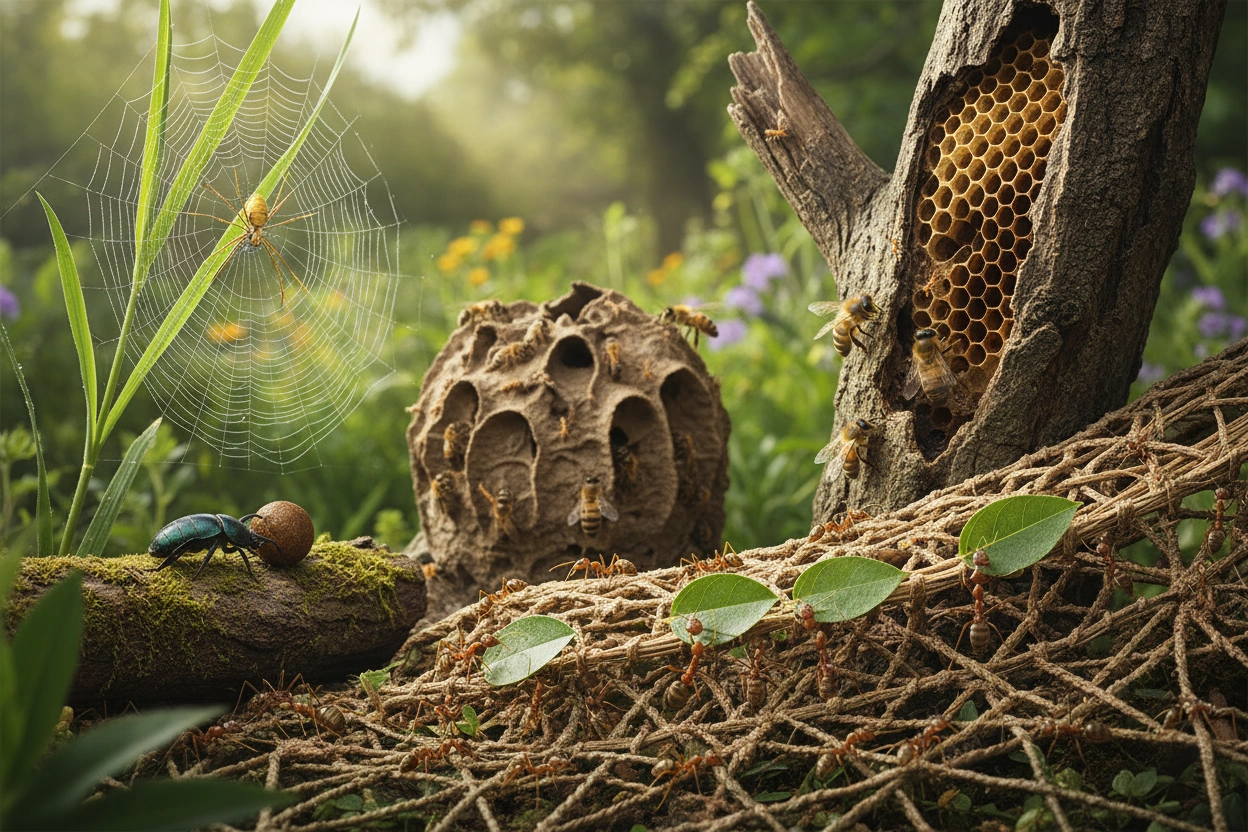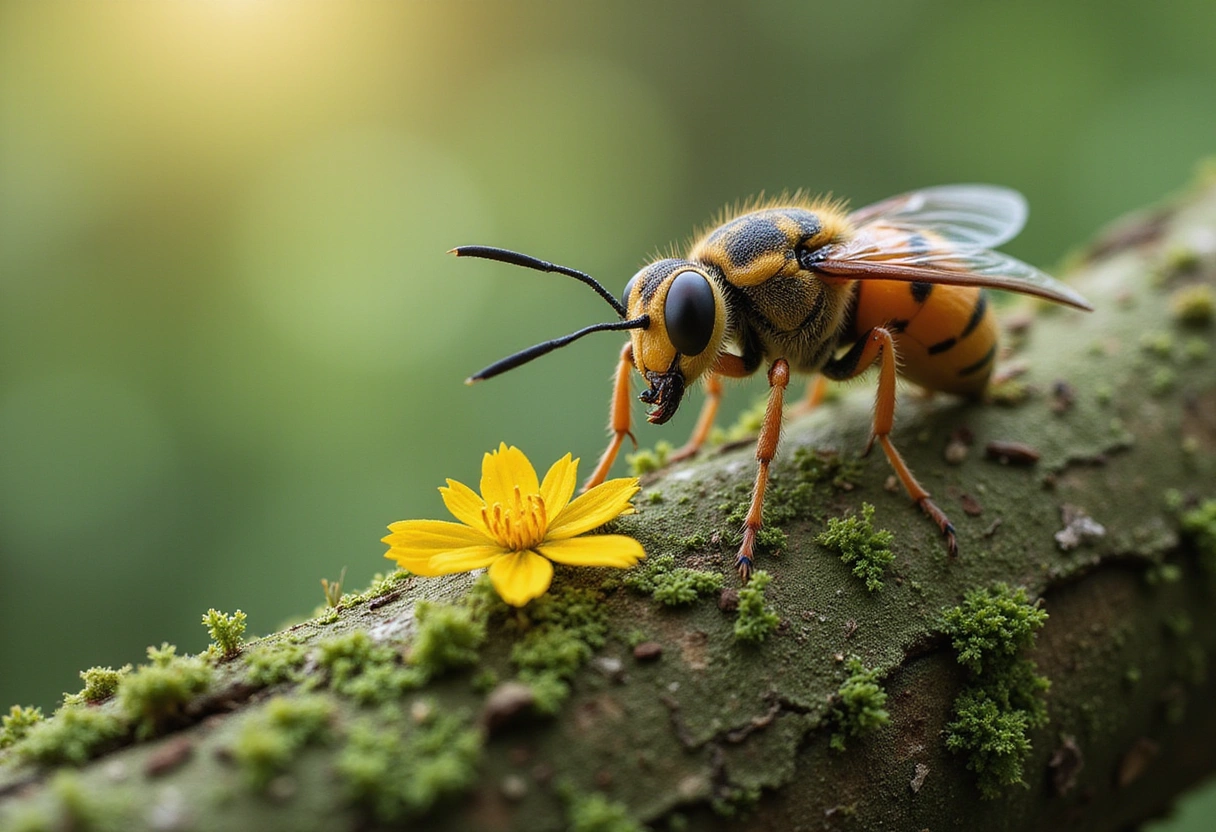
Insects play a vital role in maintaining the balance of our ecosystems. As the most diverse group of organisms on the planet, they contribute to pollination, decomposition, and serve as a food source for many other species. Unfortunately, insect populations are in decline due to habitat loss, climate change, and pesticide use. This article will explore essential steps for insect conservation, including practical methods for insect species identification, and highlight the top ten most fascinating insect species that underscore the importance of protecting these remarkable creatures.
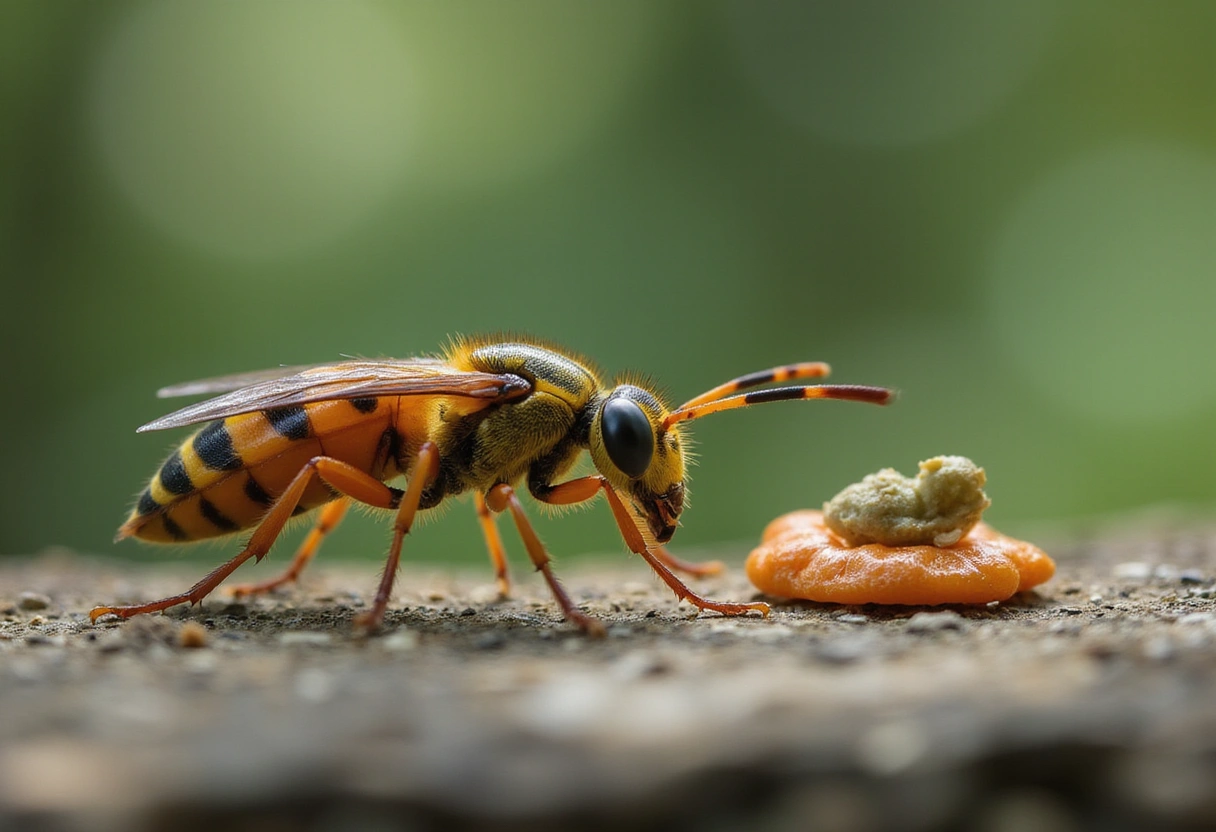
Insects are essential for numerous ecological processes. They serve as pollinators for approximately 75% of the world's flowering plants, including many crops that humans rely on for food. Without insects, our diets would be significantly less diverse, impacting both nutrition and agriculture.
Additionally, insects are vital for nutrient cycling and soil health. Decomposers such as ants and beetles break down organic matter, returning nutrients to the soil and facilitating plant growth. Furthermore, they are a key food source for many birds, mammals, and amphibians, forming the backbone of many food webs. The loss of insect biodiversity threatens not only these species but also the overall health of ecosystems.
The alarming decline in insect populations is attributed to several factors:

To combat the decline of insect populations, several key strategies can be implemented. These steps not only help protect insects but also support biodiversity and ecosystem health.
Encouraging the growth of native plants in gardens and public spaces is one of the most effective ways to support local insect populations. Native plants provide food and habitat for insects, particularly pollinators.
Minimizing or eliminating pesticide use can significantly benefit insect populations. There are alternative pest management strategies that can be employed:
Providing suitable habitats for insects is crucial for their survival. Here are some practical ideas:
Raising awareness about the importance of insects and their conservation can lead to community action. Consider the following strategies:
Citizen science projects provide valuable data on insect populations and distributions, which can inform conservation efforts.
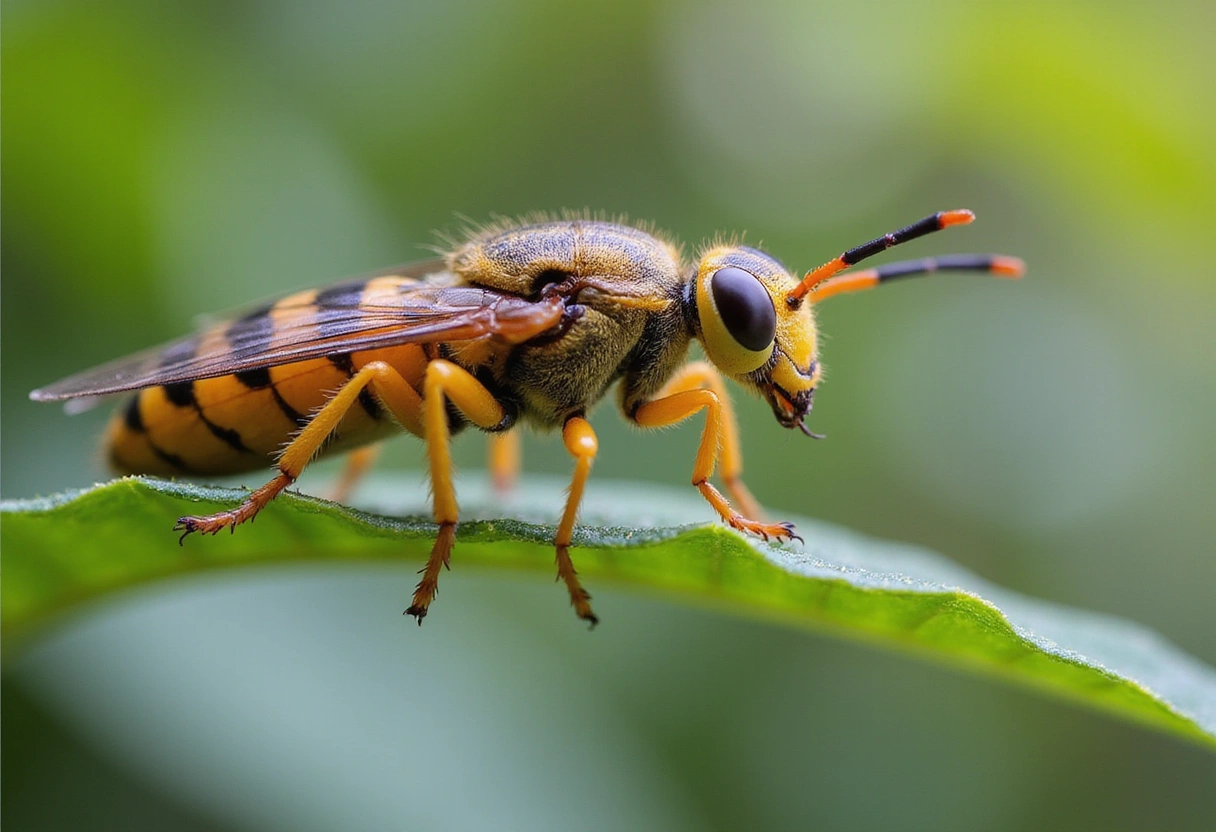
Understanding and identifying insect species is crucial for effective conservation efforts. This knowledge helps in recognizing which species are declining and require protection.
Utilizing various tools can aid in the identification of insect species:
Accurate insect species identification ensures that conservation efforts are targeted and effective. Misidentifying species can lead to inappropriate conservation strategies, potentially harming vulnerable populations.
Insects are incredibly diverse, with some species exhibiting extraordinary adaptations and behaviors. Here are ten fascinating insect species that highlight the beauty and complexity of this class of organisms.
Monarch butterflies are known for their incredible migratory journey, traveling thousands of miles from North America to central Mexico. Their vibrant orange and black wings are not only beautiful but also serve as a warning to predators about their toxicity.
One of the largest insects in the world, the Goliath beetle can weigh up to 4 ounces and reach lengths of 4.3 inches. These beetles are found in Africa and are known for their striking coloration and impressive size.
The bombardier beetle is famous for its unique defense mechanism. When threatened, it ejects a hot, noxious chemical spray from its abdomen, deterring predators effectively.
The orchid mantis is renowned for its remarkable camouflage, resembling an orchid flower. This adaptation aids in ambushing prey and is a prime example of evolution at work.
Known for its impressive size and strength, the Hercules beetle can lift up to 850 times its body weight. This makes it one of the strongest insects on the planet.
Fireflies are not only captivating due to their bioluminescence but also serve essential roles in ecosystems as pollinators and prey. Their light displays are used for mating rituals.
The Atlas moth is one of the largest moths in the world, with a wingspan of up to 12 inches. Its unique wing patterns resemble snake heads, which help deter predators.
Leafcutter ants are fascinating social insects that cultivate fungus as their primary food source. They cut leaves and bring them back to their colonies to grow this essential fungus.
Lacewings are known for their delicate, lacy wings and are beneficial predators in gardens. They feed on aphids and other pests, making them excellent allies for gardeners.
Stick insects are masters of camouflage, blending seamlessly into their surroundings. This adaptation protects them from predators and highlights the diversity of insect survival strategies.
Despite their significance, insects often face misconceptions that hinder conservation efforts. Here are some common myths and the truths that counter them:
While some insects can be harmful to crops or human health, the vast majority play beneficial roles in ecosystems. For example, bees are crucial pollinators, and many beetles help decompose organic matter.
Insects are foundational to ecosystems, supporting food webs and contributing to nutrient cycling. Their loss can have cascading effects on biodiversity and ecosystem services.
The rapid decline of insect populations is alarming and poses significant risks to global food security and ecosystem health. Prioritizing insect conservation is essential for a sustainable future.
The Banana Slug Club is dedicated to fostering a love of nature, science, and biodiversity among students and nature enthusiasts. By promoting education about importance of insects and their ecosystems, we can inspire the next generation to become stewards of the environment. Through workshops, interactive activities, and educational resources, the Banana Slug Club aims to equip individuals with the knowledge and tools necessary for effective conservation efforts.
As we have learned about the crucial role insects play in our ecosystems and the steps we can take to protect them, consider getting involved with the Banana Slug Club. Whether you are a student, a nature enthusiast, or simply someone interested in learning more about the world around you, our community welcomes you.
Explore our website for resources, activities, and information on how you can contribute to insect conservation efforts. Together, we can make a difference in protecting biodiversity and ensuring a healthier planet for future generations. Join us in celebrating the incredible world of insects, and let’s work together to safeguard their future.
Get free resources, early access to new features and updates.
No spam. Just fun educational emails!


.svg)
.svg)