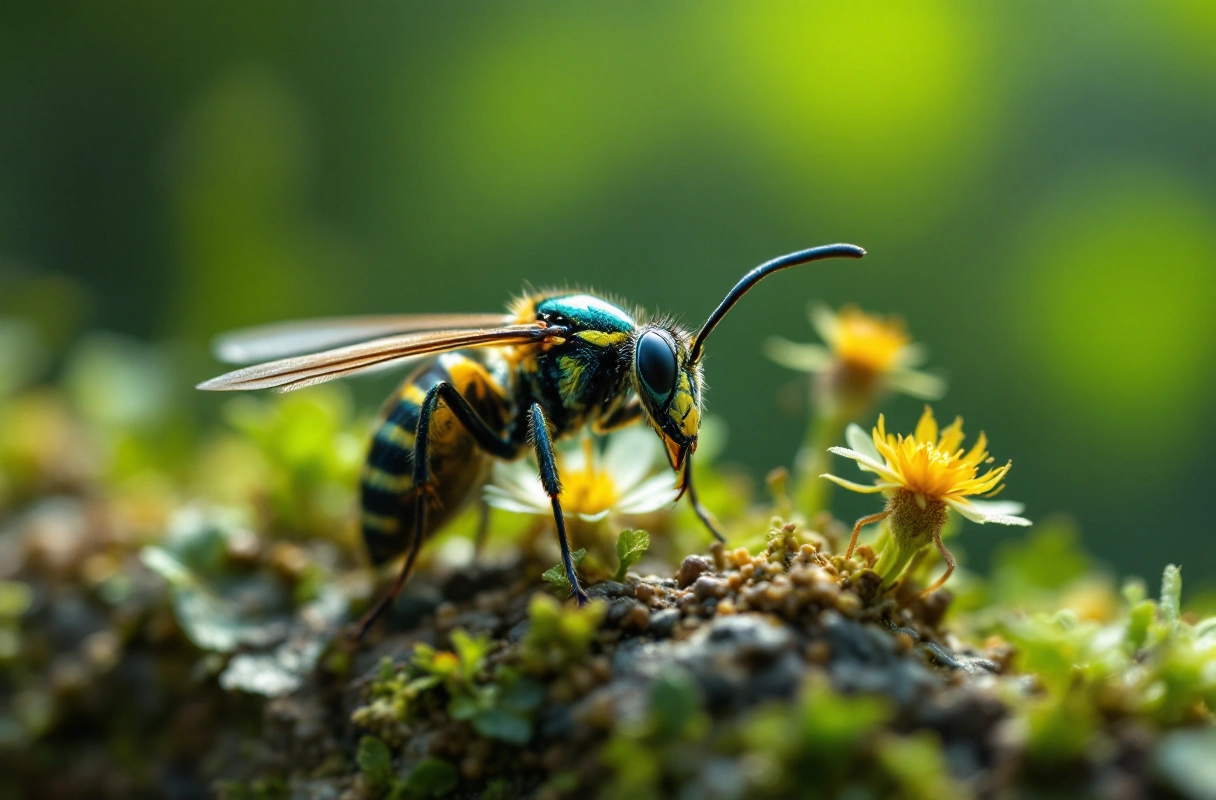
Insects play a vital role in our ecosystems, acting as pollinators, decomposers, and a food source for many other species. However, the rapid decline in insect populations worldwide raises significant concerns about biodiversity and ecosystem health. In 2025, the urgency of insect conservation efforts is more pronounced than ever, as habitat loss, climate change, and pollution threaten these crucial organisms. This article delves into the importance of insects, explores effective conservation strategies, and highlights ten fascinating insect species that showcase the incredible diversity of this group.
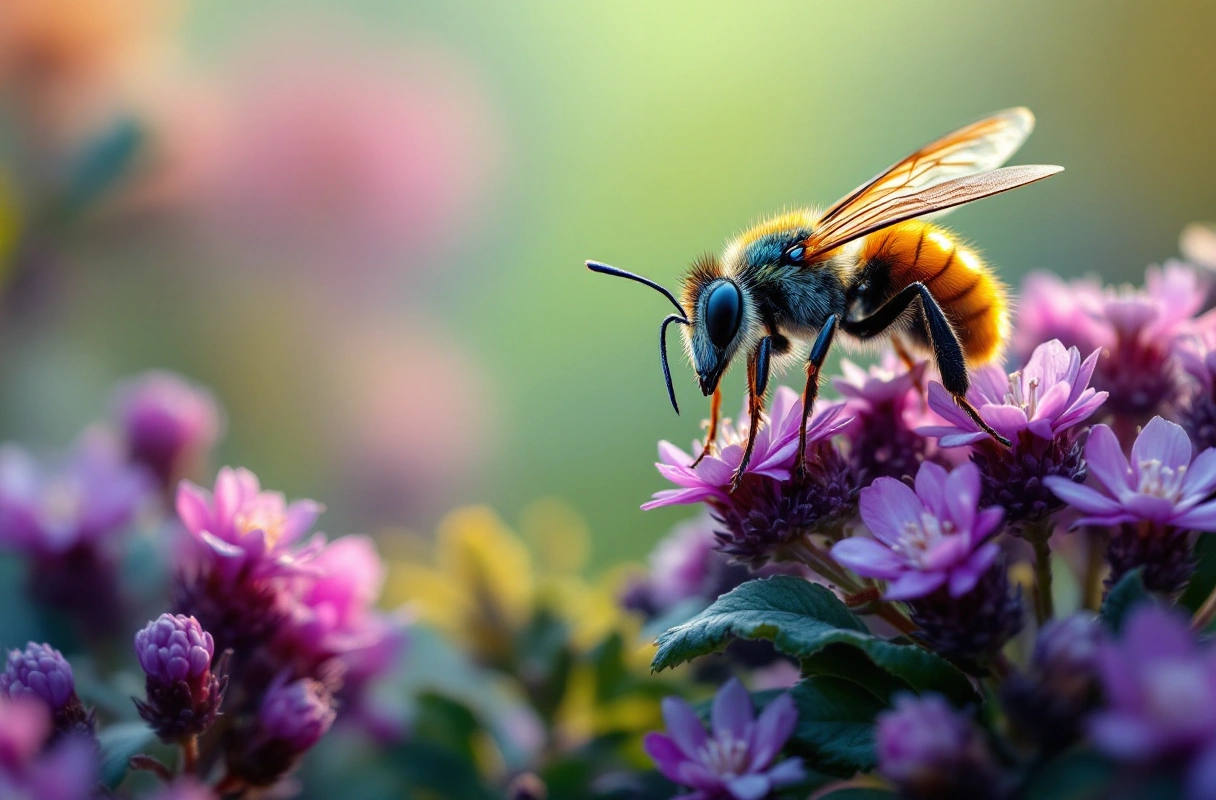
Insects are often regarded as the backbone of terrestrial ecosystems. They contribute to various ecological processes, including:
Pollination: Many flowering plants rely on insects for pollination. Bees, butterflies, and moths are among the most effective pollinators. Approximately 75% of the world’s food crops depend on insect pollination, making their conservation essential for food security.
Decomposition: Insects such as beetles and ants play a critical role in breaking down organic matter. This process not only recycles nutrients back into the soil but also helps maintain soil health, which is vital for plant growth.
Food Source: Insects are a primary food source for many vertebrates, including birds, mammals, and reptiles. The decline of insect populations can lead to a cascade effect, impacting the entire food web.
As we continue to face environmental challenges, understanding the importance of insects can guide our conservation efforts. Protecting their habitats is crucial not only for their survival but for the health of our ecosystems.
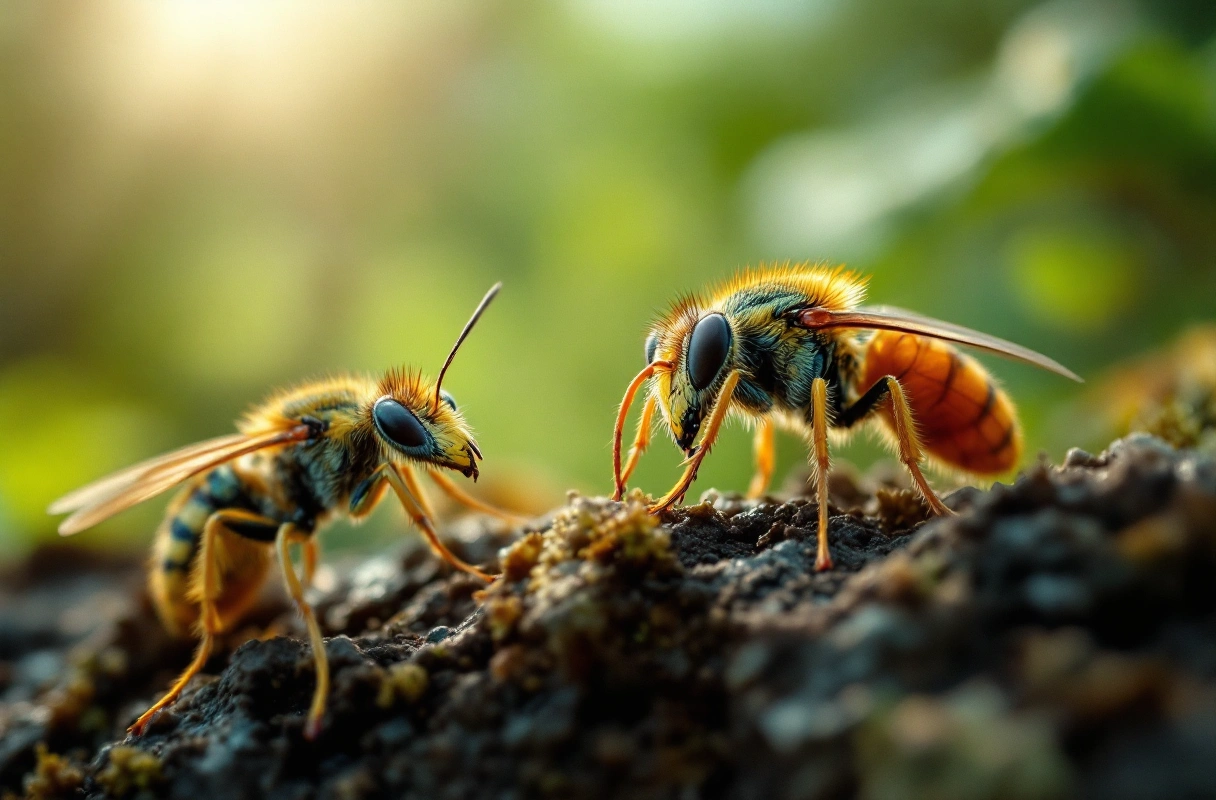
Insect conservation requires a multifaceted approach that addresses the various threats they face. Here are several effective strategies:
Restoring habitats is one of the most effective ways to support insect populations. This involves:
Reforestation: Planting native trees and shrubs can create habitats for insects that have lost their natural environments due to deforestation.
Wetland Restoration: Many insects thrive in wetland ecosystems. Restoring these areas can help maintain biodiversity and provide essential habitats.
Agricultural practices significantly impact insect populations. Implementing sustainable methods can reduce harm to insects:
Integrated Pest Management (IPM): This approach combines biological, cultural, and mechanical control methods to manage pest populations while minimizing chemical use.
Organic Farming: Reducing or eliminating the use of synthetic pesticides can help protect beneficial insect species.
Increasing public awareness about the importance of insects is crucial for conservation efforts. This can be achieved through:
Community Workshops: Organizing workshops can educate the public about insect species identification and the role of insects in ecosystems.
School Programs: Incorporating insect education into school curricula can foster a new generation of conservationists.
Advocating for policies that protect insect habitats is essential. This includes:
Supporting Conservation Legislation: Encouraging governments to pass laws that protect natural habitats can create a safer environment for insects.
Promoting Biodiversity Initiatives: Supporting initiatives that aim to conserve biodiversity can have a positive impact on insect populations.
By implementing these strategies, we can create a more favorable environment for insects, ensuring their survival and the health of our ecosystems.
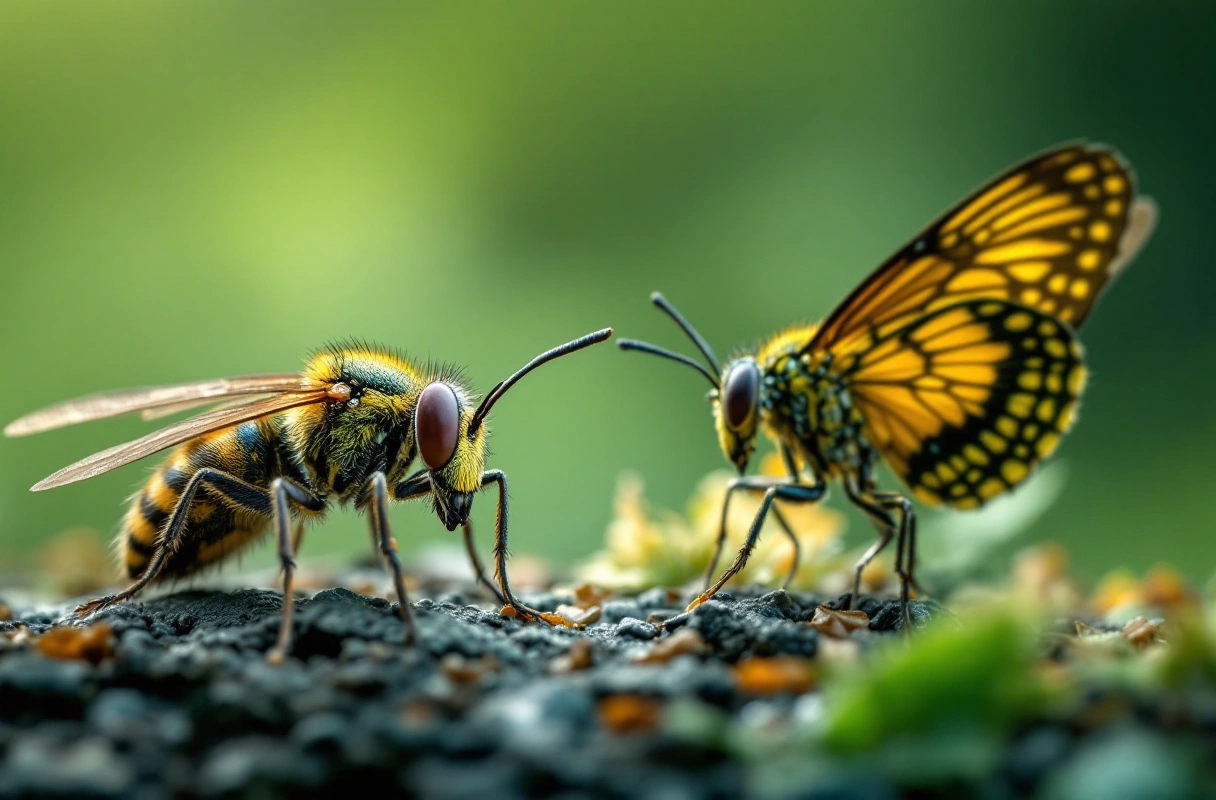
The world of insects is incredibly diverse, with millions of species exhibiting unique adaptations and behaviors. Here are ten fascinating insect species that highlight this diversity:
The Monarch butterfly is renowned for its incredible migration journey, traveling up to 3,000 miles from North America to central Mexico. This species plays a crucial role in pollination and is a vital indicator of environmental health.
Known for its remarkable defense mechanism, the bombardier beetle can eject a boiling chemical spray from its abdomen to deter predators. This unique adaptation showcases the incredible survival strategies insects have developed.
Leafcutter ants are fascinating for their mutualistic relationship with fungi. They cut leaves and transport them back to their colonies, where they cultivate the fungi for food. This complex social structure highlights the intricate behaviors of insect species.
As one of the largest insects in the world, the Goliath beetle can weigh up to 4 ounces and measure over 4 inches in length. Their impressive size and striking coloration make them a remarkable example of insect diversity.
Fireflies are famous for their bioluminescent abilities, which they use for communication and mating. These insects are not only beautiful but also play a vital role in the ecosystem as pollinators and prey for other animals.
The Atlas moth is one of the largest moths in the world, with a wingspan reaching up to 12 inches. This species is an essential part of its ecosystem, contributing to pollination and serving as a food source for various predators.
Praying mantises are known for their predatory behavior and unique appearance. They are skilled hunters, using their exceptional camouflage to ambush prey. Their role in controlling pest populations makes them valuable in agriculture.
Honeybees are crucial pollinators, responsible for pollinating a significant portion of the crops we consume. Their complex social structure and communication methods, such as the waggle dance, highlight their importance in ecosystems.
Cicadas are known for their distinctive sound and unique life cycles, with some species spending years underground before emerging to mate. Their presence signals the changing seasons and contributes to the ecological balance.
Dragonflies are exceptional aerial predators, known for their agility and speed. They play a critical role in controlling mosquito populations, making them beneficial for human health.
Each of these species illustrates the incredible diversity and importance of insects. By recognizing their unique characteristics, we can foster greater appreciation for their roles in ecosystems.
Insects are often misunderstood, leading to negative perceptions that can hinder conservation efforts. Addressing these misconceptions is vital for promoting a more accurate understanding of these creatures.
While some insects can be harmful to crops and human health, the majority of insect species are beneficial. They contribute to essential ecological processes, such as pollination and decomposition. Educating the public about the positive roles insects play can help shift perceptions.
Many people underestimate the importance of insects in maintaining biodiversity and ecosystem health. In reality, insects support food chains, pollinate plants, and contribute to soil health. Recognizing their significance is crucial for effective conservation.
While some insects can pose risks to humans, such as venomous species or those that transmit diseases, the vast majority are harmless. Promoting a better understanding of insect behavior can reduce unnecessary fear and encourage coexistence.
By addressing these misconceptions, we can foster a more positive attitude toward insects, which is essential for successful conservation efforts.
Various organizations play a crucial role in promoting insect conservation. These groups work to raise awareness, conduct research, and implement conservation strategies. Some notable organizations include:
The Xerces Society: This organization focuses on invertebrate conservation, particularly pollinators, and advocates for habitat protection.
The International Union for Conservation of Nature (IUCN): The IUCN works globally to assess the conservation status of various species, including insects, and promotes sustainable practices.
Local Conservation Groups: Many local organizations work to protect native insect species and their habitats through community engagement and education.
Supporting these organizations through donations, volunteering, or participation in conservation programs can significantly impact insect preservation.
As we look toward the future, the need for concerted insect conservation efforts is more critical than ever. Climate change, habitat destruction, and pollution continue to threaten insect populations worldwide. However, by implementing effective strategies and fostering a greater understanding of insects, we can work toward a future where these vital creatures thrive.
Individuals can take several actionable steps to contribute to insect conservation:
Create Pollinator Gardens: Planting native flowers that attract pollinators can help provide essential habitats for insects.
Reduce Pesticide Use: Opting for organic gardening practices can protect beneficial insects from harmful chemicals.
Participate in Citizen Science: Engaging in citizen science projects can help researchers gather valuable data on insect populations and distribution.
Educate Others: Sharing knowledge about the importance of insects can help raise awareness and promote conservation efforts.
By taking these steps, individuals can make a meaningful impact on insect conservation and contribute to the health of our ecosystems.
As we navigate the complexities of insect conservation, community engagement plays a vital role. Organizations like Banana Slug Club are dedicated to fostering awareness and understanding of the importance of insects in our ecosystems. By participating in local initiatives, educational programs, and conservation projects, individuals can contribute to the preservation of these essential species.
Insects are not just fascinating creatures; they are integral to the health of our planet. By supporting conservation efforts and educating ourselves and others, we can help protect the habitats that sustain these vital organisms. The Banana Slug Club is committed to providing resources, information, and opportunities for community members to engage in insect conservation.
To learn more about how you can get involved and contribute to insect conservation efforts, visit Banana Slug Club. Together, we can make a difference in protecting our planet's incredible diversity.
Get free resources, early access to new features and updates.
No spam. Just fun educational emails!


.svg)
.svg)