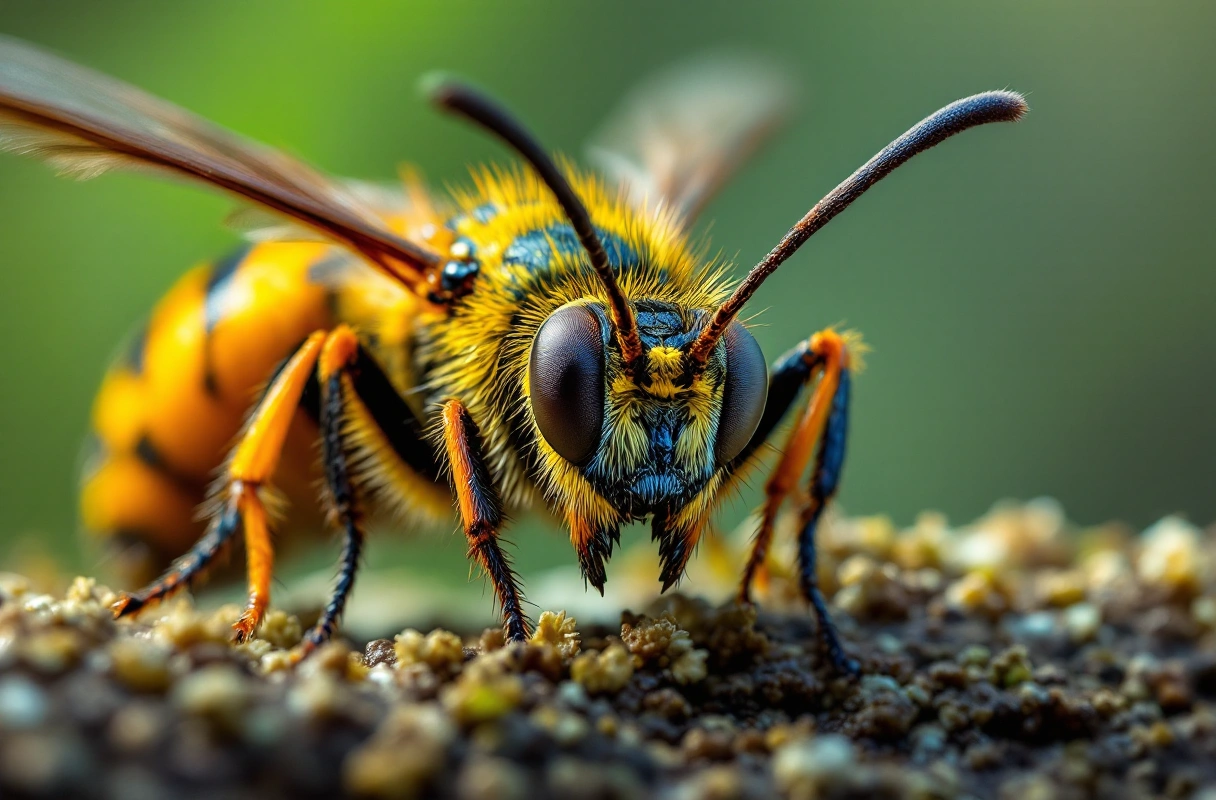
Insects are fascinating creatures that play a crucial role in our ecosystems. Understanding their behavior patterns, particularly how they communicate and strategize for survival, offers insights into their complex lives and the intricate web of life they support. As of 2026, the importance of insects is more pronounced than ever, with ongoing research revealing their vital contributions to biodiversity and ecosystem health. This article delves into the various ways insects communicate, their survival tactics, and their indispensable role in ecosystems.
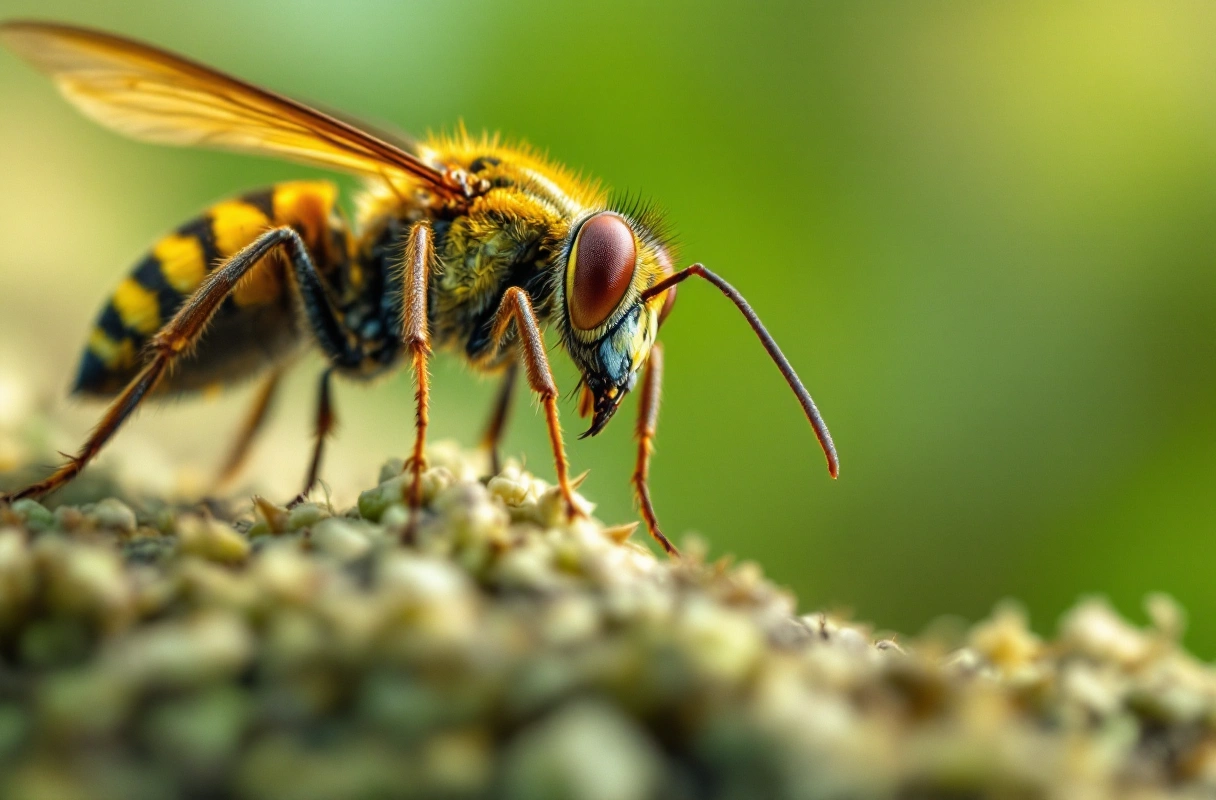
Insects employ a variety of communication methods, each adapted to their unique environments and social structures. From pheromones to visual signals, these communication strategies are essential for survival, reproduction, and social interaction.
One of the most common forms of communication among insects is chemical signaling, or pheromones. These chemical substances are released into the environment and can convey a wide range of messages, including alarm signals, mating calls, and territorial markers.
Alarm Pheromones: Many social insects, such as ants and bees, release alarm pheromones when threatened. This chemical signal alerts other members of the colony to potential danger, prompting them to either flee or prepare for defense.
Mating Pheromones: Insects like moths utilize sex pheromones to attract mates. Female moths can emit these chemicals from long distances, allowing males to locate them based on their scent.
Trail Pheromones: Ants are well-known for laying down trail pheromones that guide other members of their colony to food sources. This form of communication is critical for their foraging success and colony survival.
Insects also use visual signals to communicate, especially during mating rituals or territorial disputes. This form of communication can involve various displays, colors, and movements.
Courtship Displays: Certain species of butterflies and fireflies employ intricate flight patterns or luminescence to attract mates. These displays are not only visually striking but also serve as indicators of fitness.
Coloration: Brightly colored insects often use their colors as warnings to predators, signaling that they are toxic or unpalatable. This form of communication is known as aposematism.
Body Language: Some insects, like certain species of bees, utilize body movements to convey information about food sources or the location of nests. For example, the waggle dance of honeybees communicates the distance and direction of food sources to other bees.
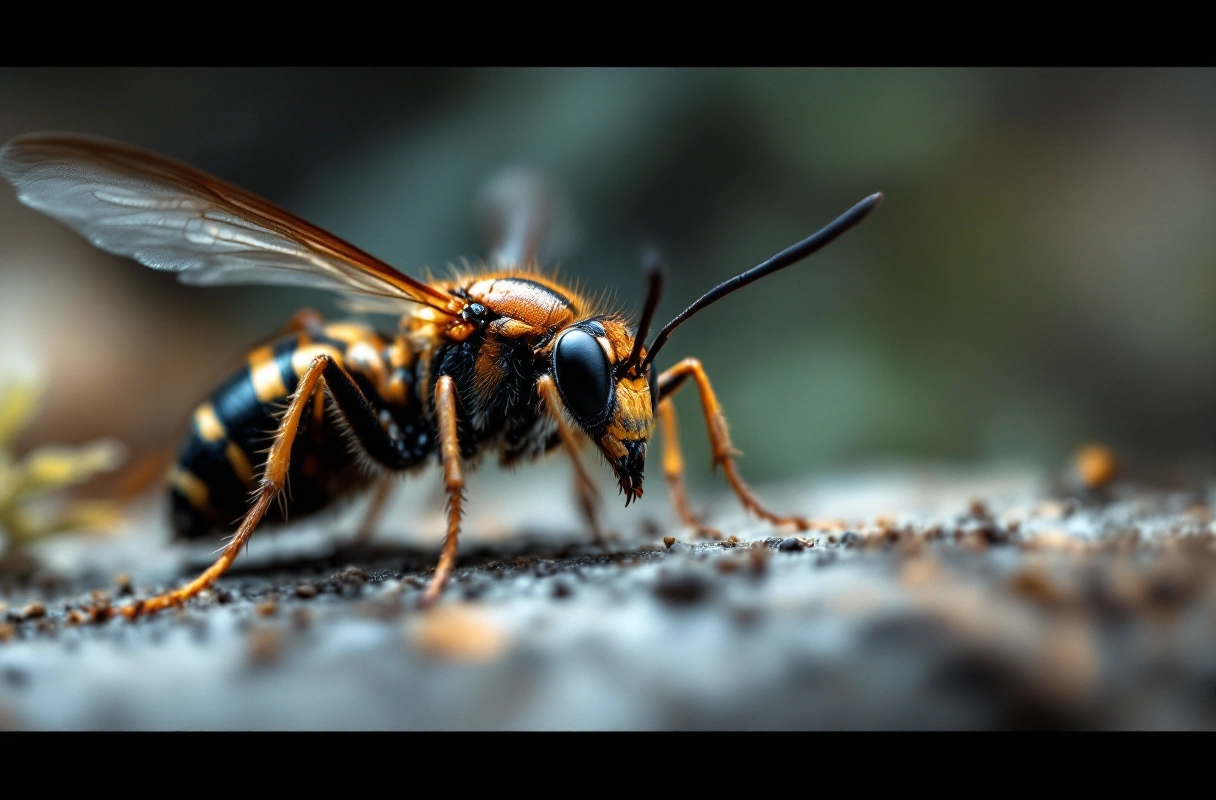
Insects have evolved a myriad of survival tactics that allow them to thrive in diverse environments. From camouflage to social structures, these strategies are vital for their continued existence in an ever-changing world.
Camouflage and mimicry are two essential survival tactics employed by many insects, helping them avoid predation.
Camouflage: Many insects, such as stick insects or leaf insects, blend seamlessly into their surroundings, making it difficult for predators to spot them. This form of crypsis is a powerful defense mechanism.
Mimicry: Some insects mimic the appearance of other species to evade predators. For example, the viceroy butterfly resembles the toxic monarch butterfly, deterring predators who have learned to avoid the toxic species.
Social insects, like ants, bees, and termites, exhibit complex social structures that enhance their survival.
Division of Labor: In social insect colonies, individuals take on specific roles that contribute to the colony's overall success. Worker ants, for instance, forage for food, care for the young, and defend the nest, while queen ants focus on reproduction.
Cooperative Defense: Many social insects engage in cooperative defense strategies. For instance, honeybees will swarm and sting intruders, protecting their hive collectively.
Insects have shown remarkable adaptability to changing environments, which is crucial for their survival in the face of climate change and habitat loss.
Phenological Shifts: Many insect species are shifting their life cycles in response to changing temperatures. For example, some butterflies are emerging earlier in the spring as a result of warmer temperatures, allowing them to take advantage of early blooming flowers.
Behavioral Plasticity: Insects display behavioral plasticity, allowing them to alter their feeding habits, reproductive strategies, or habitat preferences in response to environmental pressures.
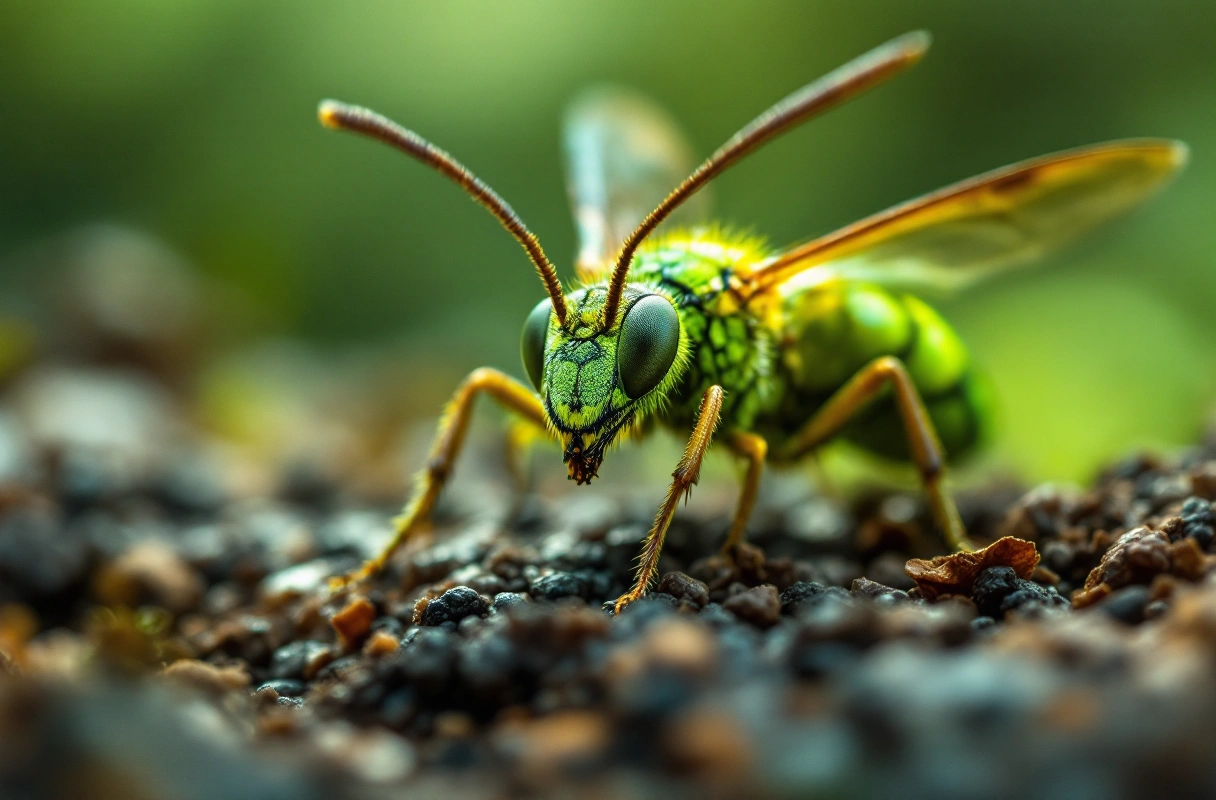
Insects are often referred to as the backbone of ecosystems due to their significant contributions to biodiversity. Their roles as pollinators, decomposers, and food sources for other animals underscore their importance in maintaining ecological balance.
Insects, particularly bees, butterflies, and beetles, are critical pollinators for many flowering plants. This process is essential for the reproduction of over 75% of flowering plants, including numerous crops that humans rely on for food.
Ecosystem Services: The pollination services provided by insects enhance plant diversity, which in turn supports a variety of other organisms within the ecosystem.
Economic Impact: The agricultural sector significantly benefits from insect pollination, with estimates suggesting that insect pollinators contribute billions of dollars to global crop production annually.
Insects play a vital role in decomposition processes, breaking down organic matter and recycling nutrients back into the soil.
Detritivores: Many insects, such as dung beetles and termites, feed on dead plant and animal matter, facilitating decomposition. This process is crucial for nutrient cycling and soil health.
Soil Aeration: Insects that burrow into the soil, such as ants and beetles, help aerate the soil, promoting healthy plant growth and enhancing the overall ecosystem's resilience.
Insects are an integral part of the food web, serving as prey for a wide range of animals, including birds, mammals, and reptiles.
Biodiversity Support: By providing a food source for various species, insects contribute to the overall biodiversity of ecosystems. This interdependence highlights the importance of protecting insect populations for the health of our ecosystems.
Trophic Interactions: Insects participate in complex trophic interactions, influencing the abundance and distribution of other species within the ecosystem.
Despite their importance, insects are often misunderstood. Addressing these misconceptions can foster greater appreciation for their roles in our ecosystems.
A common misconception is that all insects are harmful pests. In reality, the majority of insects are beneficial and play crucial roles in ecosystems.
Ecosystem Services: As discussed, many insects provide essential services such as pollination and decomposition, which are vital for maintaining ecological balance.
Biodiversity Contribution: Insects contribute significantly to biodiversity, supporting food webs and enhancing ecosystem resilience.
While some insects can pose risks to human health, such as disease transmission, most insects do not pose direct threats.
Positive Impacts: Insects contribute to agricultural productivity, environmental health, and even medical research. For instance, certain insects are used in biocontrol strategies to manage pest populations sustainably.
Cultural Importance: Insects are featured in various cultural practices and cuisines around the world, highlighting their significance beyond mere pests.
Insects exhibit a wide array of behaviors that reflect their adaptations to environmental pressures and their roles within ecosystems. Understanding these behaviors is crucial for appreciating their complexity and importance.
The study of insect behavior, known as behavioral ecology, examines how these creatures interact with their environments and each other.
Foraging Strategies: Insects display diverse foraging strategies based on resource availability and competition. Some may specialize in specific food sources, while others adopt generalist approaches.
Social Interactions: Social behaviors among insects, such as cooperation and competition, significantly influence their survival and reproductive success.
Research has shown that some insects possess the ability to learn and remember information, challenging the perception of them as simple creatures.
Associative Learning: Insects like honeybees can learn to associate specific colors or scents with food rewards, demonstrating cognitive capabilities.
Spatial Memory: Certain insects, such as ants, exhibit remarkable spatial memory, allowing them to navigate complex environments and locate resources effectively.
The health of ecosystems is intricately linked to the presence and diversity of insect populations. As critical contributors to ecosystem functions, their decline can have far-reaching consequences.
Insects face numerous threats, including habitat loss, climate change, and pesticide use. Understanding these threats is essential for conservation efforts.
Habitat Destruction: Urbanization and agricultural expansion lead to habitat fragmentation, which can disrupt insect populations and their ecological roles.
Climate Change: Altered temperature and precipitation patterns can affect insect life cycles and distributions, potentially leading to declines in certain species.
Pesticide Impact: The widespread use of pesticides poses a significant risk to non-target insect populations, impacting biodiversity and ecosystem health.
Implementing effective conservation strategies is crucial for protecting insect populations and the vital services they provide.
Habitat Restoration: Restoring natural habitats can support insect populations and enhance biodiversity. This includes planting native vegetation and creating pollinator-friendly spaces.
Sustainable Practices: Adopting sustainable agricultural practices, such as integrated pest management, can reduce pesticide use and promote healthy insect populations.
Public Awareness: Educating the public about the importance of insects and their roles in ecosystems can foster support for conservation initiatives.
Insects are not just small creatures; they are vital components of our ecosystems. Their complex behaviors and communication methods contribute to their survival and the health of our environment. As we continue to study and understand these behaviors, we also recognize the crucial roles insects play in maintaining biodiversity and ecosystem stability.
The relationship between insects and conservation is increasingly relevant as we navigate challenges posed by climate change and habitat loss. Protecting insect populations is essential for ensuring ecosystem health and resilience.
Banana Slug Club is dedicated to raising awareness about the importance of insects and their roles within ecosystems. Through educational initiatives and conservation efforts, we aim to foster a deeper understanding of these remarkable creatures.
To learn more about how you can support insect conservation and promote biodiversity, visit Banana Slug Club. Together, we can make a difference in preserving the intricate balance of our ecosystems.
Get free resources, early access to new features and updates.
No spam. Just fun educational emails!


.svg)
.svg)