Essential Packing Tips for African Animals Safari Adventures
Embarking on a safari adventure to witness the majestic African animals in their natural habitat is a thrilling experience that many dream of. From the iconic African lions to the gentle giants like African elephants, each safari tour offers unique wildlife experiences that connect travelers with nature. However, to ensure a successful journey, packing smartly is crucial. This guide will explore essential packing tips for your African safari, the conservation efforts for your African safari, the impact of eco-tourism on animal populations, and insights into the types of African animals you may encounter.
Understanding the Safari Experience
Before diving into packing tips, it's essential to grasp the essence of safari tours. African safaris are not just about spotting wild animals; they are immersive experiences that allow you to connect with nature and learn about conservation efforts. The thrill of watching a pride of lions or a herd of elephants in their natural environment is unparalleled. However, to fully enjoy these moments, preparation is key.
Types of African Safaris
There are several types of safaris that cater to different preferences and interests:
- Game Drives: The most common type, where you travel in a vehicle to observe wildlife.
- Walking Safaris: A more intimate experience, guided by nature guides, allowing you to explore the ecosystem on foot.
- Boat Safaris: Ideal for spotting aquatic wildlife like hippos and crocodiles while enjoying the serene waterways.
- Hot Air Balloon Safaris: Offering a bird's-eye view of the savannah, this unique experience combines adventure with breathtaking scenery.
Understanding these variations can help you choose the right safari for your interests and tailor your packing list accordingly.
Essential Packing Tips for Your Safari
When preparing for a safari, the right gear can significantly enhance your experience. Consider the following packing essentials:
Clothing Considerations
The clothing you choose can affect your comfort and enjoyment during the safari. Here are some tips for selecting the right attire:
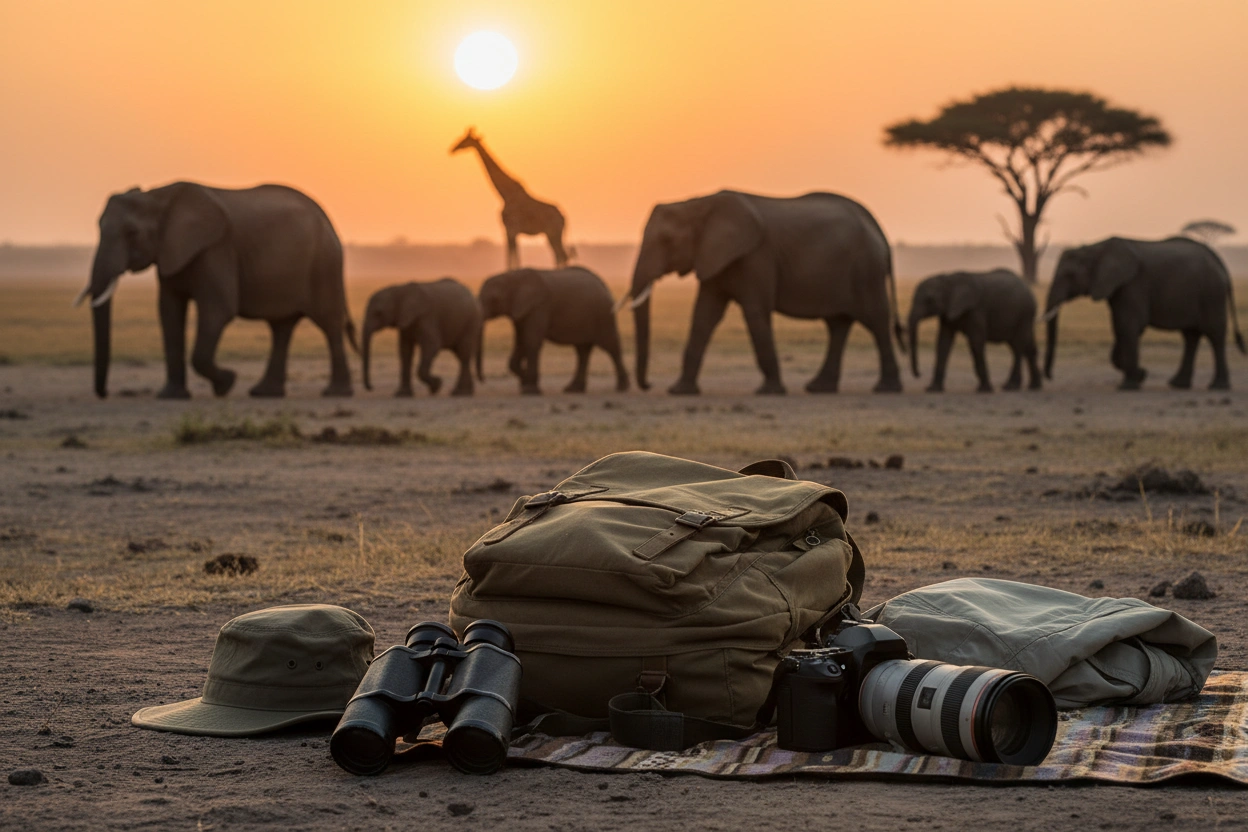
- Neutral Colors: Wear light, neutral-colored clothing to blend in with the environment and avoid startling the animals. Earthy tones like khaki, brown, and olive are ideal.
- Layering: Safari days can start chilly and warm up significantly. Layering is essential, so pack lightweight long-sleeve shirts, a warm fleece, and a light jacket.
- Comfortable Footwear: Invest in sturdy, comfortable walking shoes or boots suitable for walking safaris. Flip-flops or sandals can be useful for lounging at your lodge.
Essential Gear
Apart from clothing, certain gear is necessary to enhance your safari experience:
- Binoculars: A good pair of binoculars is essential for observing wildlife from a distance.
- Camera: Capture the beauty of African wildlife with a quality camera. Consider lenses that can zoom in on distant animals.
- Sunscreen and Insect Repellent: Protect your skin from the sun and keep pesky insects at bay with effective sunscreen and repellent.
Health and Safety Items
Your health and safety should be a priority during your safari adventure. Ensure you pack:
- First Aid Kit: Include essentials like band-aids, antiseptics, and any personal medications.
- Water Purification Tablets: Staying hydrated is crucial, especially in hot climates. Carry purification tablets if clean water is not readily available.
- Travel Insurance: Always have comprehensive travel insurance that covers medical emergencies and evacuation.
The Impact of Eco-Tourism on African Animal Populations
Eco-tourism plays a vital role in wildlife conservation, particularly in Africa. It promotes responsible travel that benefits local communities and preserves natural habitats. Understanding this impact can enhance your appreciation for your safari experience.
Benefits of Eco-Tourism
Eco-tourism has several advantages, including:
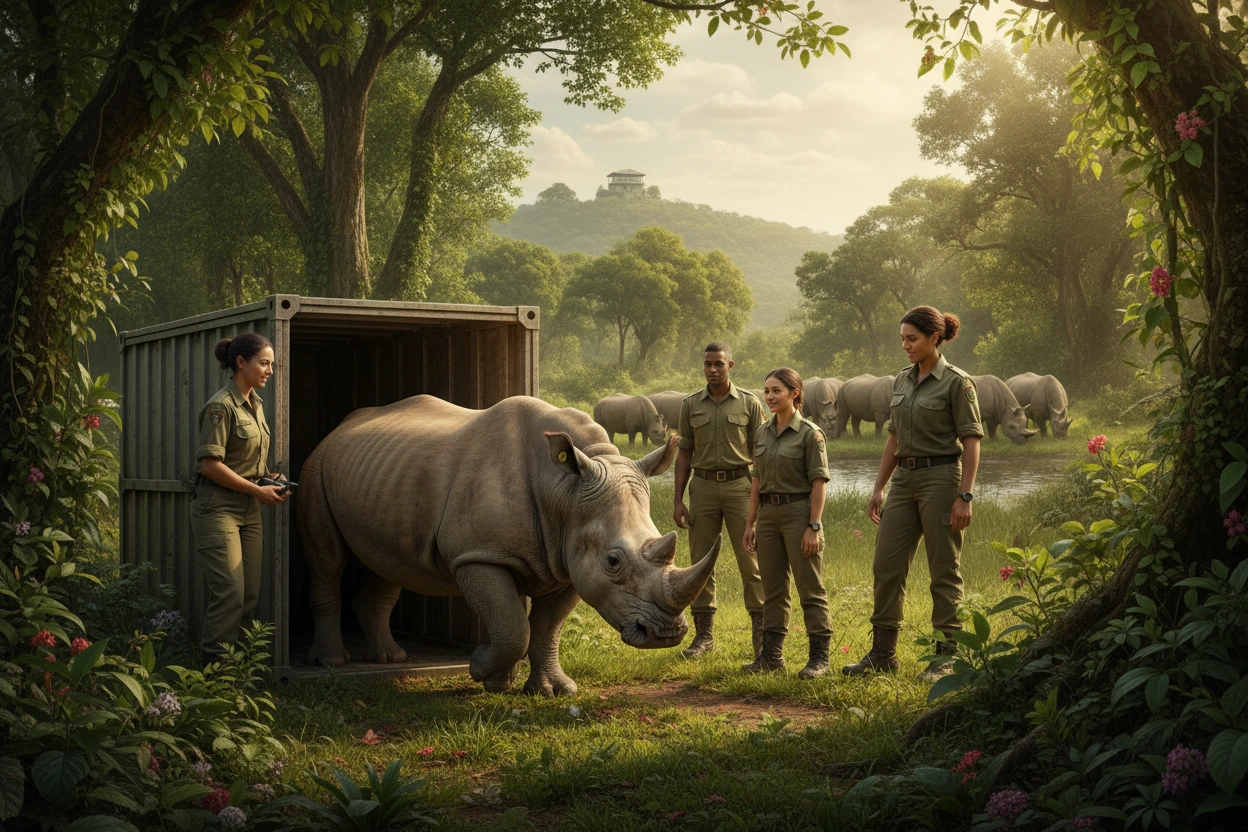
- Funding Conservation Efforts: Revenue generated from safari tours often goes towards wildlife conservation projects, helping to protect endangered species like the African elephant and rhinoceros.
- Community Involvement: Eco-tourism initiatives often involve local communities, providing them with sustainable income and encouraging them to protect wildlife.
- Awareness and Education: Travelers gain insights into the challenges facing African wildlife, fostering a deeper connection to conservation efforts.
Common Misconceptions About Eco-Tourism
Despite its benefits, misconceptions about eco-tourism persist:
- It's Only for Wealthy Travelers: Many eco-tourism options are affordable and accessible to a wide range of travelers.
- It Harms Wildlife: When done responsibly, eco-tourism promotes wildlife conservation rather than harming it. Tour operators often adhere to strict guidelines to minimize their impact on animal habitats.
Types of African Animals You Might Encounter
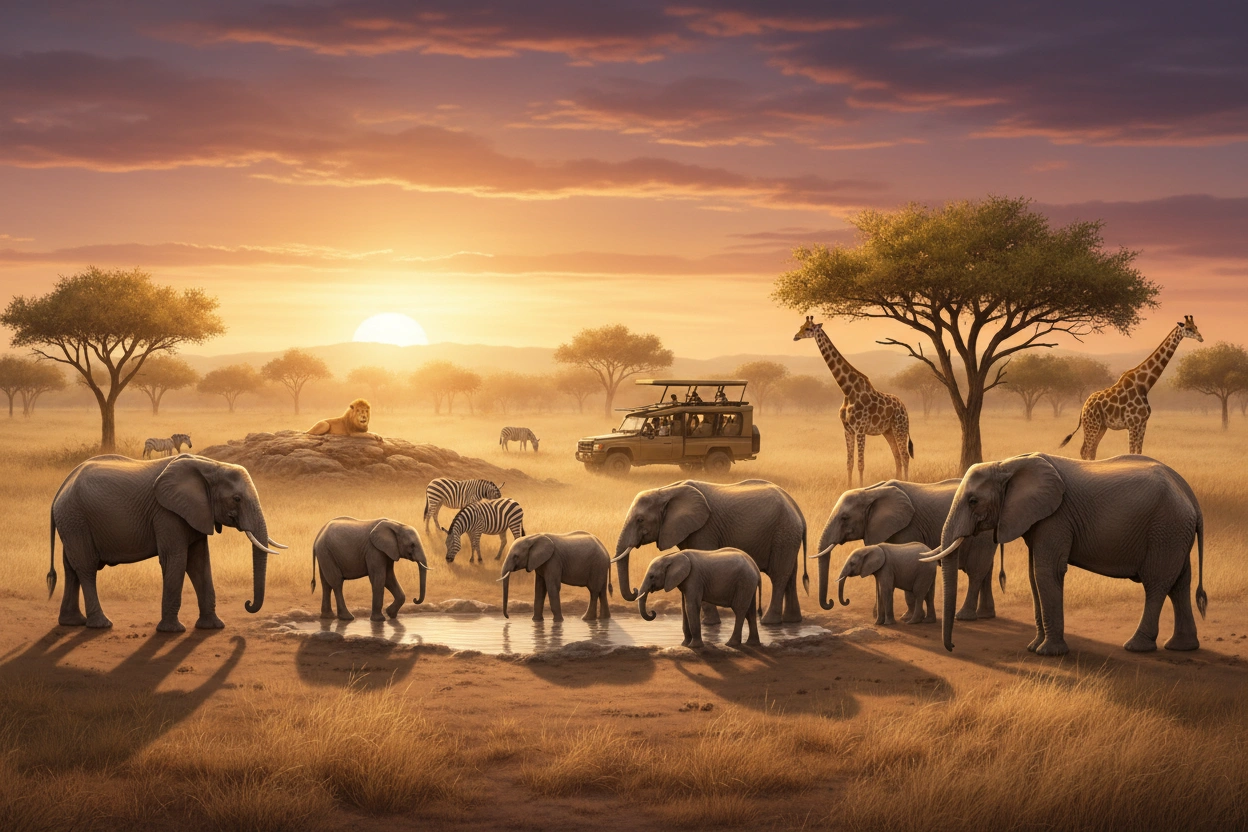
A safari offers the chance to see a diverse range of African animals in their natural environment. Here are some of the most iconic African animals you may encounter:
Big Five
The "Big Five" refers to five of Africa's most sought-after animals:
- African Lions: Known as the "king of the jungle," these majestic creatures are often spotted in prides.
- African Elephants: The largest land mammals, their social structures and intelligence are fascinating to observe.
- African Buffalos: These massive animals are known for their unpredictable nature and strong herd instincts.
- Leopards: Elusive and solitary, leopards are often seen resting in trees or stealthily hunting.
- Rhinoceroses: Both black and white rhinos can be found in specific areas, making them a rare but rewarding sight.
Other Notable Species
In addition to the Big Five, there are numerous other wild African animals to observe:
- Giraffes: Their long necks allow them to reach high foliage, making them a unique sight against the savannah backdrop.
- Zebras: Known for their striking black and white stripes, zebras often graze in herds.
- Hippos: These large mammals spend much of their day submerged in water, making them fascinating to watch during boat safaris.
Final Thoughts on Safari Packing and Conservation
Understanding the intricacies of preparing for an African safari can significantly enhance your experience. From selecting the right clothing and gear to appreciating the role of eco-tourism in animal conservation, every detail contributes to a fulfilling adventure. The chance to observe African animals in their natural habitat is not only thrilling but also serves as a reminder of the importance of protecting these species and their ecosystems.
The Role of Banana Slug Club in Your Safari Journey
As you prepare for your safari adventure, consider how the insights shared can enhance your experience with African animals. The Banana Slug Club is dedicated to promoting wildlife conservation and eco-tourism. By engaging with our resources and community, you can stay informed about the best practices for responsible travel and animal conservation.
For more information on how to make the most of your safari and support conservation efforts, visit Banana Slug Club. We are here to help you embark on a journey that respects nature and its inhabitants while providing unforgettable wildlife experiences.



.svg)
.svg)