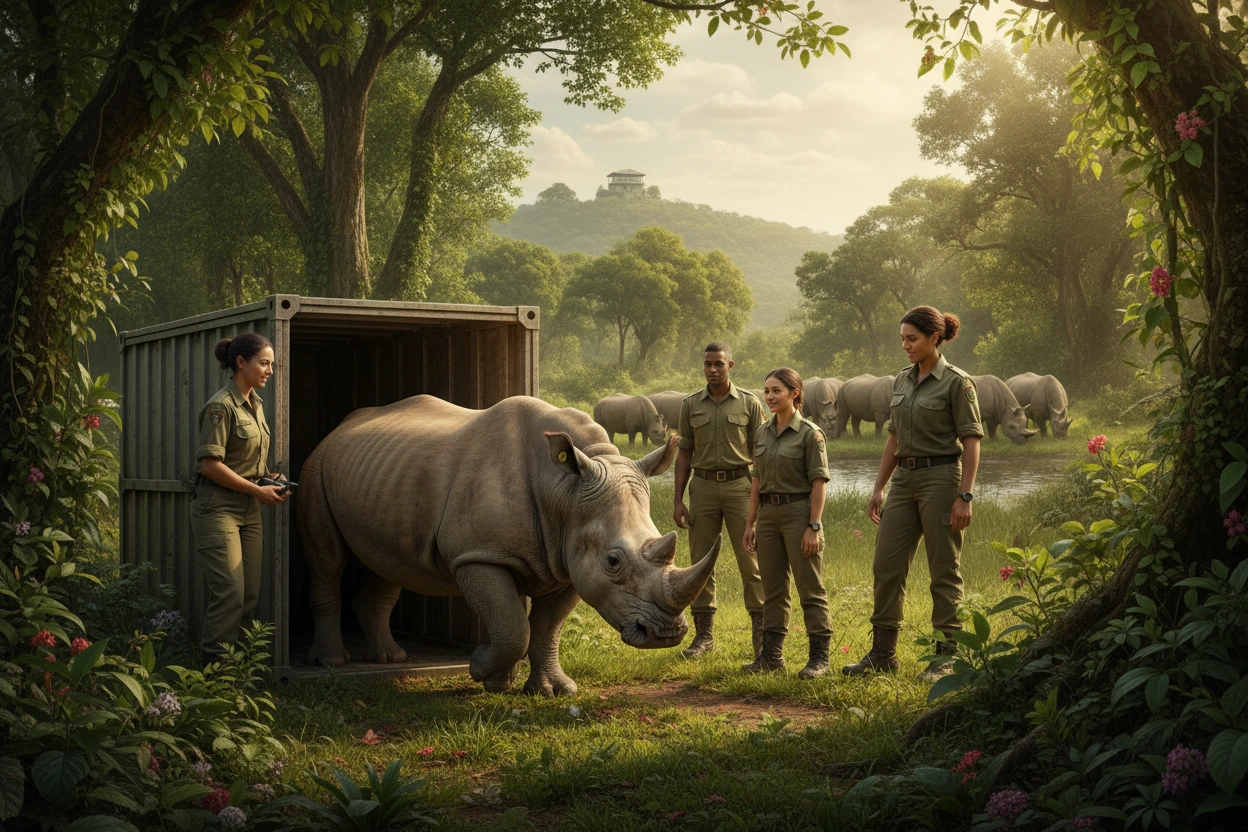
The study of prehistoric animals is a fascinating journey into our planet's distant past. Fossil records serve as the primary source of information about these ancient creatures, allowing scientists to reconstruct ecosystems, understand evolutionary processes, and unveil the mysteries of life that existed millions of years ago. This article will delve into the complete guide to prehistoric animals, exploring how fossil evidence reveals secrets about these remarkable prehistoric creatures, their habitats, and the changes they underwent over time.

Fossil records are the remnants of organisms preserved in various geological formations. They provide invaluable insights into the biology, behavior, and environments of prehistoric animals. Fossils can be bones, teeth, shells, or even traces of organisms like footprints or burrows. Understanding how to read these records is crucial for reconstructing the past accurately.
Body Fossils: These include the actual remains of prehistoric animals, such as bones and teeth. Body fossils allow paleontologists to study the physical characteristics of prehistoric creatures.
Trace Fossils: These are indirect signs of life, such as footprints, nests, or feces. Trace fossils provide insights into the behavior and movement patterns of prehistoric animals.
Chemical Fossils: These remnants consist of organic molecules that can indicate the presence of certain organisms. For instance, specific chemical signatures can point to the types of plants that existed alongside prehistoric animals.
Microfossils: Often overlooked, these tiny fossils can include pollen grains or small shell fragments. They help reconstruct ancient environments and climate conditions, offering context to the life forms that thrived in those settings.
By studying these various fossil types, scientists can piece together a comprehensive picture of prehistoric ecosystems and the roles that different creatures played within them.
Many people believe that fossils are simply the bones of dinosaurs or large mammals. However, fossil records encompass a wide variety of life forms, including plants, insects, and microorganisms. Another common misconception is that fossils are rare; in reality, fossilization is more common than one might think, though specific conditions must exist for fossils to form. Understanding these misconceptions is crucial for appreciating the breadth of information fossils can provide about prehistoric life.
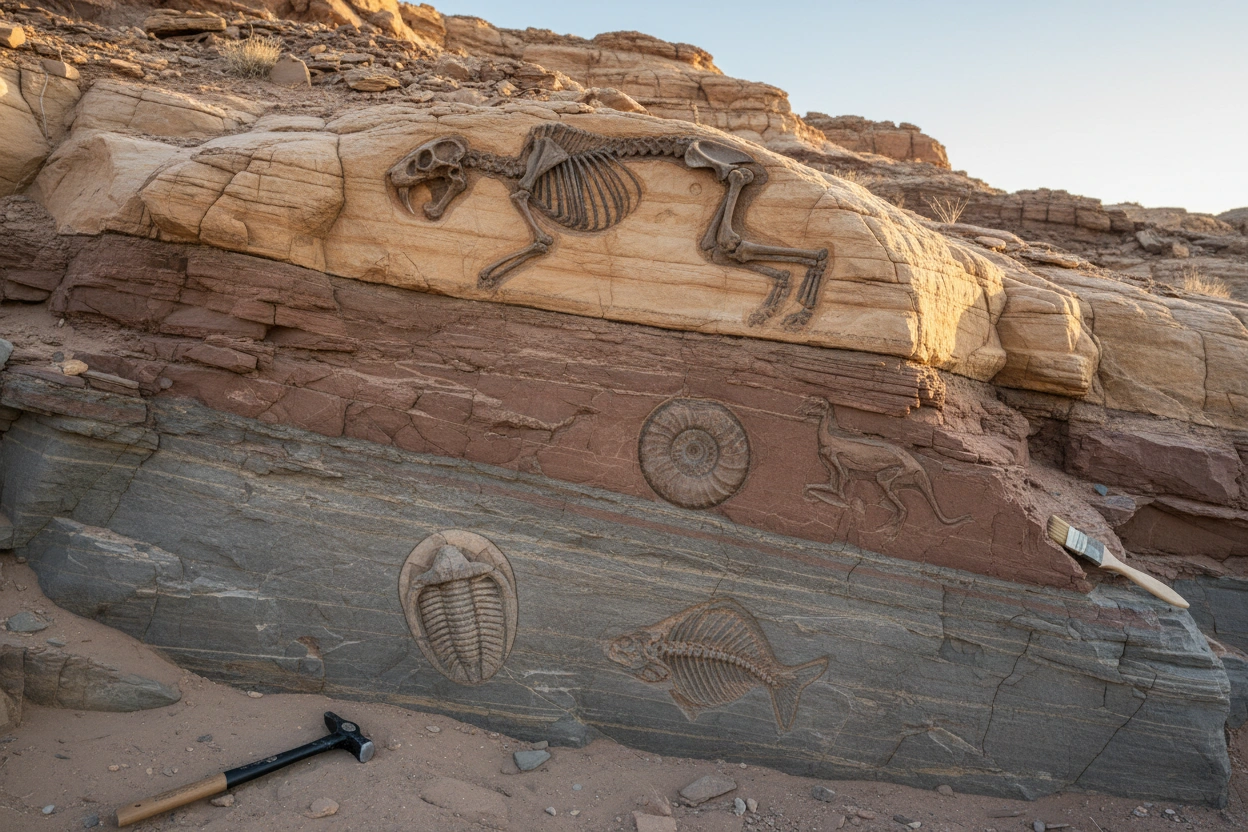
Fossilization is a complex process that requires specific conditions to take place. Most fossils form through sedimentation, where layers of sediment cover remains over time. Here’s a closer look at the fossilization process:
Death: The organism must first die in a location where it can be buried quickly, often in a watery environment where sediment can accumulate.
Burial: Sediment layers build up over the remains, protecting them from scavengers and decay. This rapid burial is crucial for preserving the organism.
Mineralization: Over time, minerals in groundwater seep into the organic remains. This process can replace organic material with minerals, turning bones into stone-like structures.
Exposure: Geological processes, such as erosion or tectonic activity, can eventually expose these fossils, making them accessible for discovery.
Understanding these stages provides insight into why certain fossils are more abundant than others and how environmental factors influence the fossil record.
Several factors impact the likelihood of fossilization, including:
Recognizing these factors helps paleontologists understand the limitations of the fossil record and the biases that can occur in interpreting prehistoric life.

The analysis of fossil records involves several scientific methods and techniques that enable researchers to extract meaningful data about prehistoric animals. These methods range from fieldwork to advanced imaging technologies.
Paleontologists conduct extensive fieldwork to discover and excavate fossils. The following steps outline the excavation process:
Site Selection: Researchers identify promising locations based on geological maps and previous fossil discoveries.
Excavation: Fossils are carefully unearthed using tools like brushes and picks to avoid damaging the delicate remains.
Documentation: Each fossil is meticulously documented, including its location, orientation, and surrounding sediment. This context is crucial for later analysis.
Transport and Preservation: Fossils are transported to laboratories for further study, where they are cleaned and preserved for future research.
Fieldwork is not only about finding fossils but also about gathering data that will help reconstruct the environment in which prehistoric animals lived.
In recent years, advancements in technology have revolutionized the way scientists study fossils. Some of the key techniques include:
CT Scanning: This non-destructive imaging technique allows researchers to visualize the internal structures of fossils without damaging them. CT scans can reveal details about bone structure and growth patterns.
Isotope Analysis: By analyzing isotopes in fossilized remains, scientists can infer dietary habits, migration patterns, and even climate conditions during the animal's lifetime.
DNA Analysis: In some exceptional cases, ancient DNA can be extracted from well-preserved fossils. This genetic information provides insights into the relationships between prehistoric animals and their modern descendants.
These advanced techniques enhance our understanding of prehistoric animals and help answer complex questions about their evolution and adaptation.
Numerous prehistoric animals have been uncovered through fossil records, each with unique characteristics and adaptations that tell a story about life on Earth. Here are some notable examples:
Dinosaurs are perhaps the most famous prehistoric animals, dominating terrestrial ecosystems for over 160 million years. Fossils have revealed a diverse range of species, from the colossal Argentinosaurus to the small, feathered Velociraptor. The study of dinosaur fossils has also illuminated their behaviors, such as nesting and social interactions.
The oceans of the Mesozoic Era were home to remarkable marine reptiles, including ichthyosaurs and plesiosaurs. Fossil evidence has shown that these creatures had adaptations for swimming and hunting in aquatic environments, such as streamlined bodies and specialized limbs.
During the last Ice Age, mammoths roamed the Earth, leaving behind an extensive fossil record. Their remains provide insights into their diet, habitat, and interactions with early humans. Similarly, saber-toothed cats, known for their elongated canine teeth, reveal information about predator-prey relationships during this period.
The evolution of birds from theropod dinosaurs is well-documented through fossils. Archaeopteryx, often considered the first bird, showcases features of both dinosaurs and modern birds. Fossil records of other prehistoric birds illustrate the diversity of flight adaptations that developed over time.
Understanding these notable prehistoric animals helps paint a vivid picture of the Earth's evolutionary history and the various life forms that existed alongside one another.
Fossils play a crucial role in understanding the process of evolution. They provide evidence for the theory of evolution by demonstrating how species have changed over time and how they are related to one another.
Transitional fossils are vital to understanding evolutionary change. These fossils exhibit traits that are intermediate between ancestral and descendant species. For example, fossils of Archaeopteryx demonstrate the transition from dinosaurs to birds, showcasing features such as feathers and wings.
The fossil record contributes to constructing the tree of life, a diagram that illustrates the relationships between different species. By examining the characteristics of various fossils, scientists can infer evolutionary pathways and how different organisms have diverged over millions of years.
Many misconceptions exist regarding evolution and fossils. A prevalent belief is that evolution is a linear process, leading from simple to complex organisms. In reality, evolution is more like a branching tree, where species diverge and adapt to their environments in various ways. Recognizing these misconceptions is essential for a more accurate understanding of the natural world.
As technology advances, the future of fossil studies looks promising. New techniques and methodologies are continually being developed, which will enhance our understanding of prehistoric animals and their environments.
Emerging technologies, such as artificial intelligence and machine learning, are beginning to play a role in paleontology. These technologies can analyze vast amounts of data quickly, identifying patterns and relationships that may not be immediately apparent to researchers.
The preservation of fossils is increasingly critical, as climate change and human activities threaten many fossil sites. Efforts to protect these sites and promote responsible excavation practices are essential for ensuring that future generations can continue to study prehistoric animals.
Public interest in paleontology is growing, driven by popular media and educational initiatives. Engaging the public in fossil studies can foster a deeper appreciation for prehistoric animals and the importance of protecting our natural heritage.
The exploration of prehistoric animals through fossil records is a captivating field that continues to evolve. By understanding how fossils form, how they are analyzed, and what they reveal about ancient life, we can gain a deeper appreciation for the complexity of our planet's history.
The Banana Slug Club is dedicated to promoting awareness and education about the natural world, including the fascinating realm of prehistoric animals. By engaging with communities and providing resources, the club helps foster a love for science and encourages exploration into the wonders of our ancient past.
As you delve into the secrets of prehistoric animals, consider how organizations like the Banana Slug Club can enhance your learning experience. Engaging with educational programs and resources can deepen your understanding of fossils and their significance in our understanding of evolution.
If you're passionate about prehistoric animals and eager to learn more about our planet's history, consider getting involved with the Banana Slug Club. Whether through educational events, workshops, or community activities, there are many ways to explore the fascinating world of paleontology.
Visit Banana Slug Club to discover more about how you can contribute to the exploration and appreciation of our ancient past. Your journey into the world of prehistoric animals awaits!
Get free resources, early access to new features and updates.
No spam. Just fun educational emails!


.svg)
.svg)