Birdwatching is a captivating hobby that allows enthusiasts to connect with nature and understand the intricate behaviors of various species. Among the most fascinating subjects in the avian world are the birds of prey, known for their remarkable hunting skills and unique adaptations. This article delves into the behavior of these predatory birds, providing valuable insights for both novice and seasoned birdwatchers. Additionally, we will explore the rehabilitation efforts surrounding birds of prey, highlighting the important work being done to protect these magnificent creatures.

Birds of prey, also known as raptors, include species such as eagles, hawks, owls, and falcons. These birds are characterized by their keen eyesight, powerful talons, and hooked beaks, which allow them to hunt effectively. Understanding their behavior is crucial for birdwatchers who wish to appreciate these magnificent creatures fully.
Birds of prey exhibit several distinct features that set them apart from other birds. These characteristics not only aid in their hunting but also play a significant role in their survival.
The hunting techniques of birds of prey can vary widely depending on the species, habitat, and available prey. Understanding these techniques can enhance the birdwatching experience.
Understanding these hunting behaviors is essential for birdwatchers to anticipate raptor activity and enhance their observational skills.
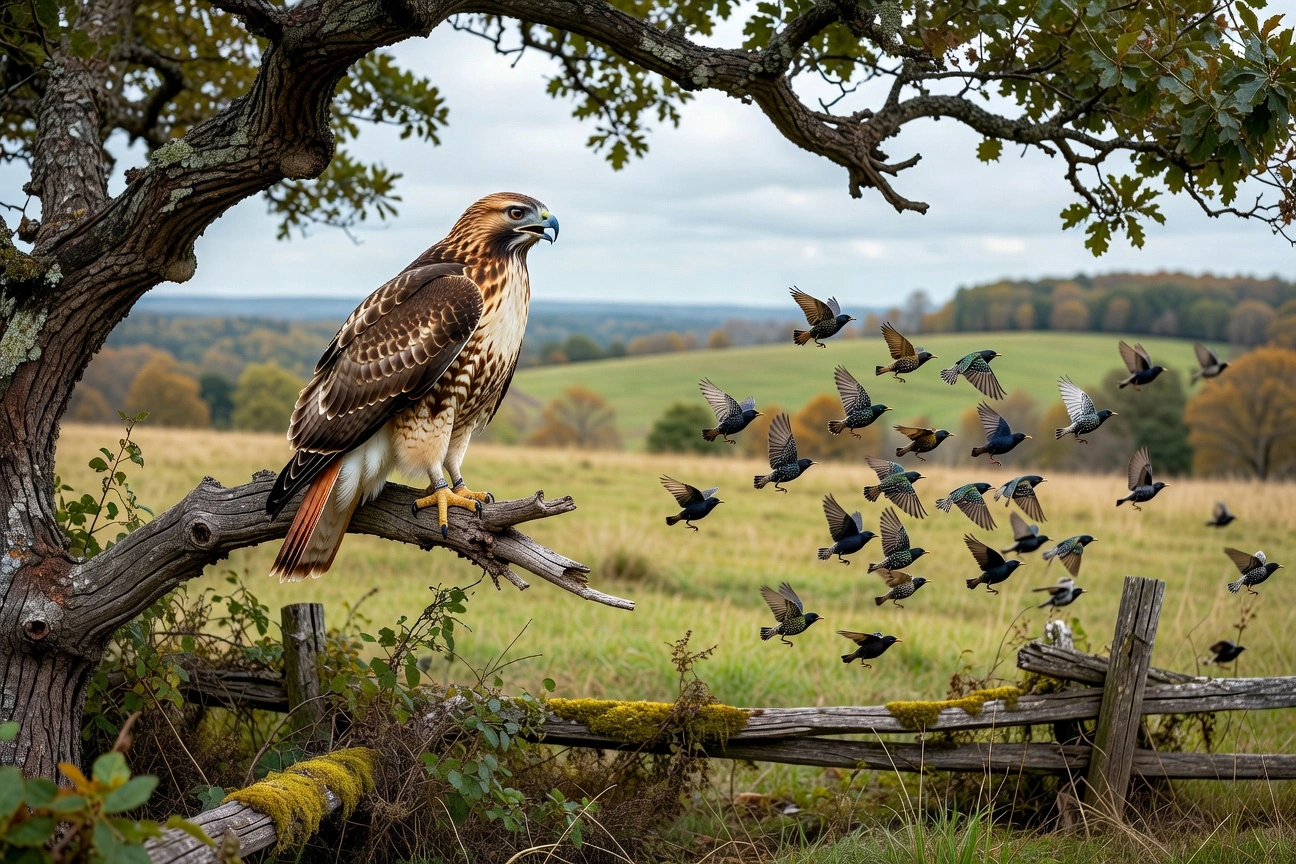
Despite their popularity, there are several misconceptions surrounding birds of prey that can mislead new birdwatchers. Addressing these misconceptions is vital for fostering a deeper understanding of these remarkable birds.
One of the most common misconceptions is that all birds of prey are aggressive. While raptors are skilled hunters, many species are quite docile and avoid human interaction. For instance, the American kestrel is known for its small size and non-threatening demeanor, often tolerating human presence when not nesting.
Another misconception is that raptors exclusively hunt small mammals or birds. In reality, many species, such as the peregrine falcon, are capable of hunting larger prey, including ducks and even other birds of prey. Understanding the dietary habits of various raptors is essential for appreciating their role in the ecosystem.
While owls are indeed nocturnal, many raptors, such as hawks and eagles, are diurnal, meaning they are active during the day. This distinction is crucial for birdwatchers who wish to observe these species in their natural habitats.

The preservation of birds of prey is critical, not only for biodiversity but also for maintaining ecological balance. Rehabilitation efforts play a significant role in this conservation.
Rehabilitation centers for birds of prey are dedicated facilities that provide care for injured or orphaned raptors. These centers often rely on trained professionals and volunteers who understand the specific needs of these birds.
The success of rehabilitation efforts can be measured by the number of birds successfully released back into the wild. However, these efforts face numerous challenges:
For birdwatchers looking to observe birds of prey effectively, certain strategies can enhance the experience. Understanding their behavior and preferred habitats is key to successful observation.
Birdwatchers should always prioritize ethical practices to ensure the safety of both the birds and the environment.
Birds of prey play a vital role in maintaining the balance of ecosystems. Their hunting helps control populations of rodents and other small animals, which can impact vegetation and crop health. Understanding this relationship is essential for appreciating their importance in nature.
Numerous organizations are dedicated to the conservation of birds of prey, focusing on habitat preservation, public education, and legislative advocacy. Engaging with these organizations can provide birdwatchers with additional insights and opportunities to contribute to conservation efforts.
The study of birds of prey offers a window into the complexities of nature and the essential roles these magnificent creatures play in our ecosystems. By understanding their behavior and the challenges they face, birdwatchers can become advocates for their conservation.
The Banana Slug Club is dedicated to fostering a community of nature enthusiasts who appreciate and support the protection of wildlife, including birds of prey. Through educational programs, volunteer opportunities, and conservation initiatives, we empower individuals to make a difference in the world around them.
By engaging with the Banana Slug Club, you can deepen your understanding of birds of prey and contribute to vital conservation efforts. Whether you're a novice birdwatcher or an experienced naturalist, there are opportunities for everyone to participate and make an impact.
Visit Banana Slug Club to learn more about how you can get involved and support the preservation of our avian friends. Together, we can ensure that future generations have the opportunity to marvel at the beauty and grace of birds of prey in their natural habitats.
Get free resources, early access to new features and updates.
No spam. Just fun educational emails!


.svg)
.svg)