
Insects are among the most diverse and abundant creatures on our planet, playing crucial world of insects in ecosystems worldwide. With over a million identified species, the task of identifying insects can seem daunting, especially for beginners. However, understanding how to identify insect species can be both an exciting and educational endeavor. Whether you are a budding entomologist, a nature enthusiast, or simply curious about the world of insects, this guide provides essential tools and insights that will help you embark on your journey of insect identification.
In this article, we will explore key strategies for identifying insects, discuss the essential tools needed for the task, and highlight the top ten most fascinating insect species that showcase the incredible diversity within this class of arthropods.
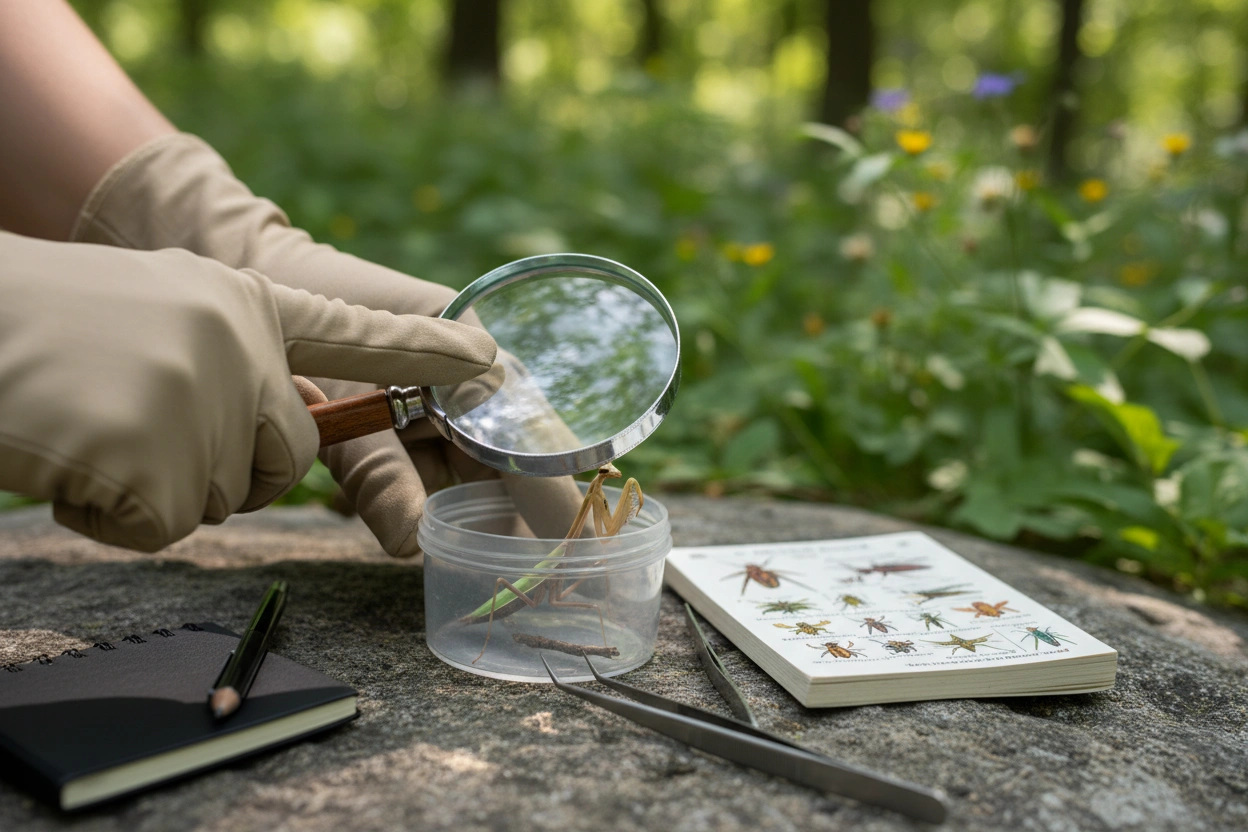
To effectively identify insect species, beginners need to arm themselves with the right tools and resources. These tools not only facilitate the identification process but also enhance the overall experience of exploring the insect world.
A good field guide is invaluable for anyone interested in insect identification. These guides typically feature high-quality images and detailed descriptions of various species, making it easier to compare characteristics.
Field Guides: Look for guides specific to your region or the type of insects you are interested in. For example, "Peterson Field Guide to Insects of North America" is an excellent starting point for North American insects.
Identification Apps: Technology has made insect identification more accessible. Apps like "Seek by iNaturalist" and "Picture Insect" allow users to take photos of insects and receive immediate identification feedback. These apps often include community features, enabling users to share their findings and learn from others.
A magnifying glass is a simple yet powerful tool for examining insects closely. Many species have intricate features that are not easily visible to the naked eye.
While observing insects in their natural habitats is ideal, sometimes collecting specimens for closer examination is necessary.
Insect Net: A fine mesh insect net can be used to catch flying insects without harming them. This tool is particularly useful for studying butterflies and moths.
Vials and Containers: Use small vials or containers with breathable lids to temporarily house collected insects. Ensure the containers are labeled with the date and location of collection for future reference.
For those who wish to document their findings, photography can be an effective method.
Macro Lens: A macro lens for your smartphone or camera allows for detailed close-ups of insects, making it easier to capture and identify unique characteristics.
Lighting: Proper lighting is crucial for insect photography. Natural light is often best, but portable LED lights can enhance visibility in shaded areas.
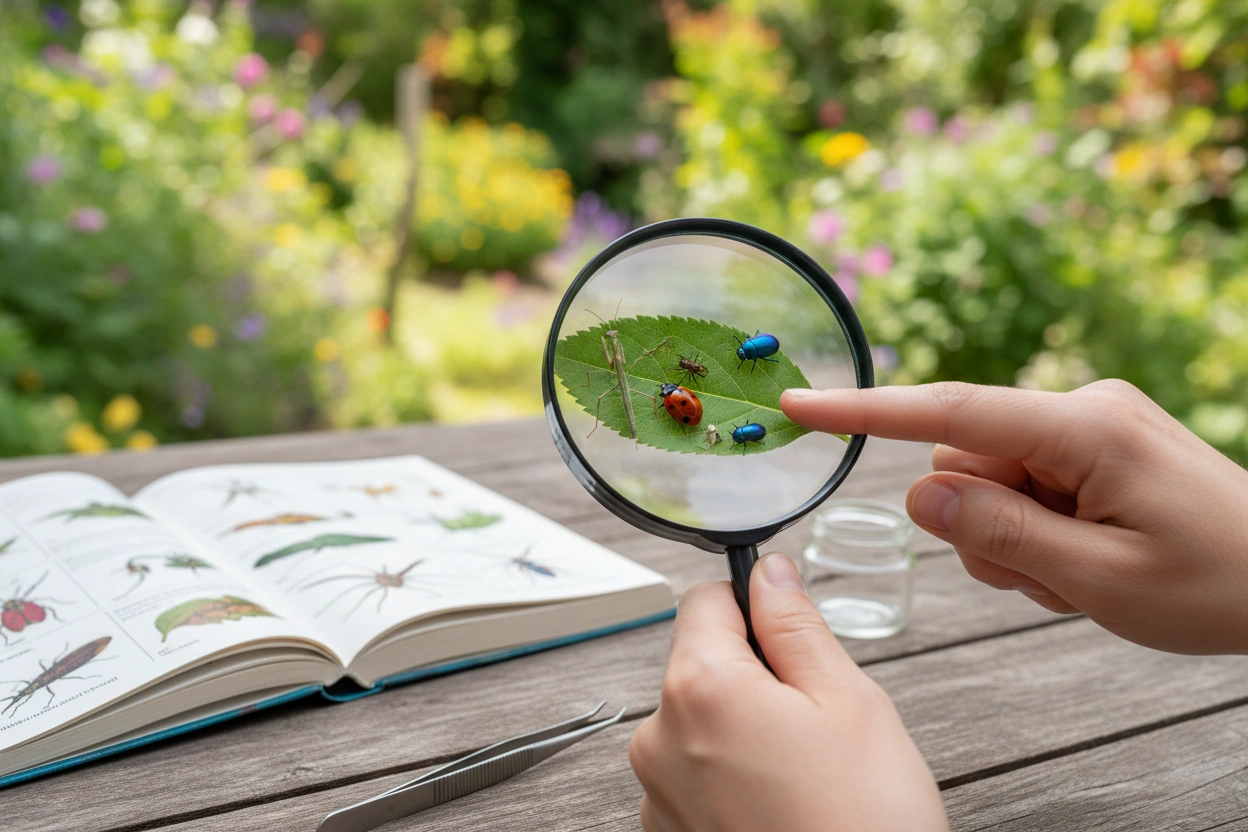
Understanding the fundamental principles of insect identification can streamline the process and make it more enjoyable. Here are some strategies to consider.
Start by observing the insect's overall shape, color, and size. Take note of its behavior and habitat.
Key Features: Focus on specific features such as body segmentation, wing structure, and antenna length. For example, beetles typically have hardened forewings, while butterflies have delicate, scaled wings.
Behavioral Patterns: Observing how an insect behaves can also provide clues about its identity. For instance, certain species are known for their unique mating dances or feeding habits.
A dichotomous key is a tool that allows users to identify organisms based on a series of choices that lead to the correct name of a species.
Step-by-Step Identification: Start at the beginning of the key and make choices based on observable characteristics. This method can be particularly effective for beginners who may feel overwhelmed by the vast number of species.
Practice Makes Perfect: Familiarize yourself with the key by practicing with common insects before tackling more challenging species.
Joining insect-focused communities can provide support and enhance your learning experience.
Online Forums and Social Media Groups: Platforms like Reddit and Facebook have dedicated groups for insect enthusiasts. Engaging with these communities allows you to share your findings, ask questions, and learn from experienced entomologists.
Local Workshops and Events: Many universities and nature centers offer workshops or citizen science programs focused on insect identification. Participating in these events can provide hands-on experience and valuable networking opportunities.

Insects come in a myriad of shapes, sizes, and colors, each with unique adaptations that make them fascinating to study. Here is a list of ten remarkable insect species that exemplify the diversity of this class.
Atlas Moth (Attacus atlas)
The Atlas Moth is one of the largest moths in the world, with a wingspan that can reach up to 12 inches. Native to the tropical and subtropical forests of Southeast Asia, its impressive size and striking patterns make it a favorite among insect enthusiasts.
Goliath Beetle (Goliathus goliatus)
This massive beetle can weigh over 3.5 ounces and measure up to 4.3 inches in length. Found in Africa, the Goliath Beetle is known for its striking coloration and its role in local cultures as a symbol of strength.
Emperor Dragonfly (Anax imperator)
The Emperor Dragonfly is one of the largest dragonflies in Europe, known for its vibrant blue and green colors. This species is an agile hunter, preying on other insects in mid-air.
Glasswing Butterfly (Greta oto)
The Glasswing Butterfly, native to Central and South America, is famous for its transparent wings that make it appear almost invisible when in flight. This adaptation helps it evade predators.
Bombardier Beetle (Brachinus spp.)
This beetle has a unique defense mechanism that allows it to spray a hot, noxious chemical mixture at predators. The reaction occurs in a specialized chamber in its abdomen, making it a fascinating subject for study.
Firefly (Lampyridae)
Fireflies are well-known for their bioluminescence, which they use to attract mates. The light produced by fireflies is a result of a chemical reaction and is a subject of scientific interest for its potential applications in technology.
Leafcutter Ant (Atta cephalotes)
Leafcutter ants are remarkable for their ability to cut and carry leaves to their underground nests. They cultivate fungus using the leaves as a food source, showcasing a fascinating example of mutualism in nature.
Horsefly (Tabanidae)
Known for their painful bites, horseflies are also important pollinators. Their large size and aggressive feeding habits make them a notable species in many ecosystems.
Bumblebee (Bombus spp.)
Bumblebees are vital pollinators in many ecosystems and are known for their large, fuzzy bodies. Their ability to buzz pollinate makes them particularly effective at pollinating certain flowers.
Stick Insect (Phasmatodea)
Stick insects are masters of camouflage, mimicking twigs and branches to evade predators. This adaptation highlights the incredible diversity of strategies insects use for survival.
Identifying insects can be a rewarding experience, but beginners often encounter common pitfalls. Recognizing these mistakes can help improve accuracy and enhance learning.
One common mistake is focusing too much on color rather than structural features.
Behavior can provide critical insights into insect identification, yet many beginners overlook it.
Insect identification is a process that requires patience and observation.
Engaging with fellow enthusiasts and experts can greatly enhance your insect identification skills. Communities can provide support, resources, and opportunities for learning that are invaluable for beginners.
Online Platforms: Websites like iNaturalist allow users to upload photos for identification help, while forums and social media groups offer advice and discussions on various species.
Local Nature Groups: Many regions have local entomology clubs or nature centers that host workshops, field trips, and lectures focused on insects. These opportunities can provide hands-on experience and foster connections with other enthusiasts.
Participating in workshops can deepen your understanding of insect biology and identification techniques.
Field Studies: Engaging in field studies allows participants to apply their knowledge in real-world settings while learning from experienced entomologists.
Guest Speakers: Many workshops feature guest speakers who share their expertise and insights, enhancing the learning experience for attendees.
The journey of identifying insect species is filled with wonder and discovery. Armed with the right tools and knowledge, beginners can explore this diverse world with confidence. By observing, documenting, and engaging with the community, you will not only enhance your identification skills but also develop a deeper appreciation for the vital roles insects play in our ecosystems.
As you delve into the world of insects and embark on your identification journey, consider joining a community that shares your passion. The Banana Slug Club offers resources, workshops, and connections to fellow enthusiasts eager to learn and explore the fascinating realm of insects.
By participating in this community, you can apply the insights gained from this article to enhance your understanding of insect species. Whether through workshops or collaborative projects, the Banana Slug Club provides a platform for individuals interested in insects to grow their knowledge and skills.
To dive deeper into the world of insects and connect with like-minded individuals, visit the Banana Slug Club. Together, we can explore the beauty and complexity of the insect world, fostering a greater understanding of these essential creatures.
Visit Banana Slug Club to learn more about our programs and how you can get involved!
Get free resources, early access to new features and updates.
No spam. Just fun educational emails!


.svg)
.svg)