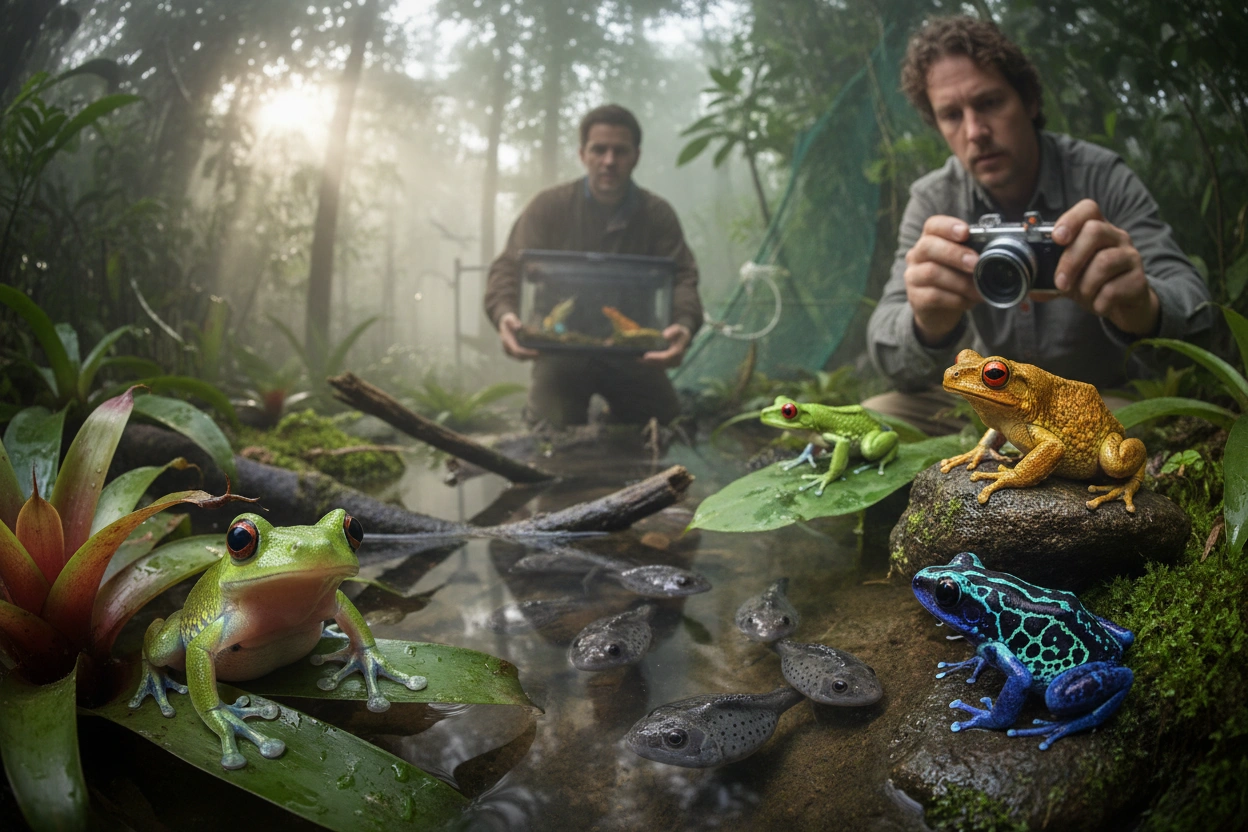
Prehistoric animals have played an integral role in shaping not only our environment but also our culture and evolution. The fascinating creatures that roamed the Earth millions of years ago left behind a legacy that informs our understanding of biology, ecology, and even mythology. As we explore the profound impact these ancient wildlife species had on human development, we will delve into the top ten most fascinating extinct animals that continue to capture our imagination and influence our cultural narratives.
Understanding how prehistoric animals influenced human evolution and culture requires a deep dive into the interplay between environment, survival, and the stories that shaped early human societies. From the myths that emerged around these creatures to the tangible effects on our ancestors' survival strategies, the legacy of prehistoric animals is vast and multifaceted.

Prehistoric animals were not just part of the ecosystem; they were pivotal in shaping the very fabric of human evolution. Our ancestors coexisted with these magnificent creatures, which influenced their survival strategies, social structures, and even their cultural narratives.
The extinction of certain prehistoric animals shaped the ecological landscape in which early humans lived. As apex predators and large herbivores disappeared, it led to significant changes in the available resources and habitats.
Prehistoric animals have significantly influenced human culture through storytelling and mythology. The stories told about these creatures often served not only as entertainment but also as educational tools.

In understanding the influence of prehistoric animals on human evolution and culture, it is essential to highlight some of the most remarkable extinct species. Here are ten fascinating prehistoric animals that continue to intrigue scientists and enthusiasts alike.
The woolly mammoth, a close relative of today's elephants, roamed the northern parts of North America, Europe, and Asia during the last Ice Age. Its massive size and distinctive long tusks made it a prominent figure in prehistoric landscapes.
Often depicted in popular culture, the saber-toothed cat, or Smilodon, is renowned for its elongated canine teeth. This predator was a formidable hunter that thrived during the Pleistocene epoch.
The Megatherium, or giant ground sloth, inhabited South America and was one of the largest terrestrial mammals. It could reach up to 20 feet in length and weighed over a ton.
The dodo bird is perhaps one of the most famous examples of extinction due to human activity. Native to Mauritius, this flightless bird became extinct in the late 17th century.
As one of the most recognizable dinosaurs, the Triceratops roamed North America during the late Cretaceous period. Its three distinctive facial horns and large frill made it a fascinating subject for study.
The woolly rhinoceros, another Ice Age giant, roamed Europe and Asia. Its thick fur and large size made it well-suited for cold environments.
Similar to the woolly mammoth, mastodons were prehistoric relatives of modern elephants that inhabited North America. They lived in a variety of habitats, showcasing adaptability.
The Irish elk, known for its enormous antlers, roamed across Europe and Asia. Despite its size, this herbivore adapted well to diverse habitats.
This marine reptile is often depicted in popular culture as a prehistoric monster. It lived during the time of dinosaurs but was not a dinosaur itself.
The Glyptodon was a giant armadillo-like creature that lived in South America. Its large, armored shell was a distinctive feature that made it a subject of interest for paleontologists.
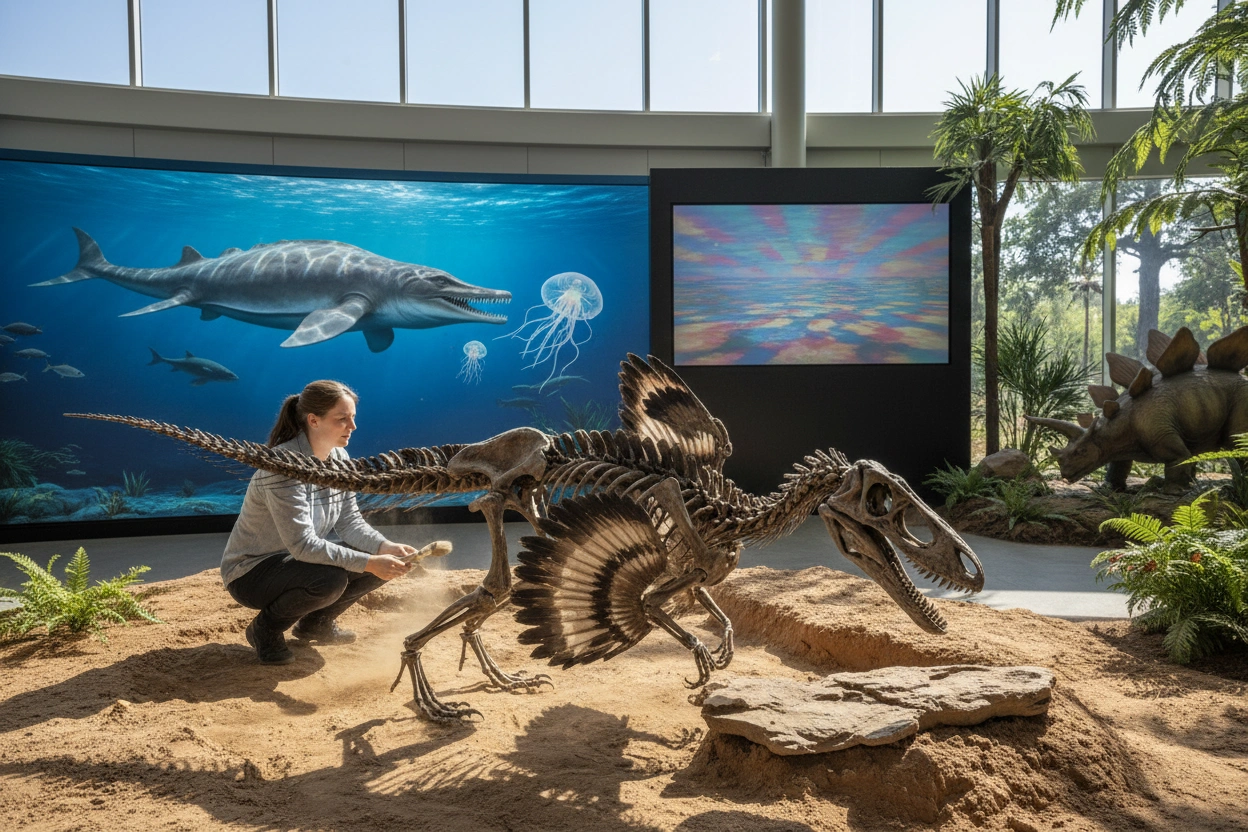
When discussing prehistoric animals, several misconceptions often arise that can cloud our understanding of their influence on human evolution and culture.
While dinosaurs are often the focus of prehistoric discussions, they were just one group of many that existed during various periods. Mammals, reptiles, and marine life all played significant roles in shaping ecosystems.
While human activity has contributed to the extinction of some species, many prehistoric animals faced extinction due to climate change, habitat loss, and natural selection. Understanding these factors is crucial for learning about current conservation efforts.
Many prehistoric animals were small and adapted to specific niches within their ecosystems. The diversity of size and behavior among these species illustrates the complexity of prehistoric life.
To deepen your understanding of prehistoric animals and their impact on human evolution and culture, consider the following actionable steps:
Prehistoric animals have left an indelible mark on human evolution and culture, influencing everything from our survival strategies to our artistic expressions. Understanding their significance helps us appreciate the intricate web of life that has shaped our world.
As we continue to explore and learn about these fascinating creatures, organizations like Banana Slug Club can facilitate deeper engagement with the natural world, providing resources and opportunities to connect with our prehistoric past. How Prehistoric Animals Influenced Human Evolution and Culture.
Get free resources, early access to new features and updates.
No spam. Just fun educational emails!


.svg)
.svg)