Prehistoric Animals vs. Modern Species: What Has Changed?
Understanding the evolution of life on Earth provides a unique lens through which we can examine the dramatic transformations that have occurred over millions of years. The study of prehistoric animals offers insights not just into the creatures themselves, but also into the ecosystems in which they thrived and the adaptations they developed to survive in varying environments. This article will explore the significant differences between prehistoric animals and modern species, focusing on how prehistoric creatures adapted to their ancient ecosystems and what those adaptations tell us about the resilience of life.
The Evolutionary Journey: From Prehistoric Animals to Modern Species
The timeline of life on Earth is vast and complex, stretching back over 3.5 billion years. During this time, countless species have emerged, evolved, and ultimately gone extinct. Prehistoric animals, which include a wide array of species from the Cambrian to the Quaternary periods, provide a fascinating glimpse into this evolutionary journey.
The Age of Dinosaurs: A Closer Look
The Mesozoic Era, often referred to as the Age of Dinosaurs, is perhaps the most iconic period in the history of prehistoric animals. Spanning from approximately 252 to 66 million years ago, this era saw the rise of diverse dinosaur species that dominated terrestrial ecosystems.
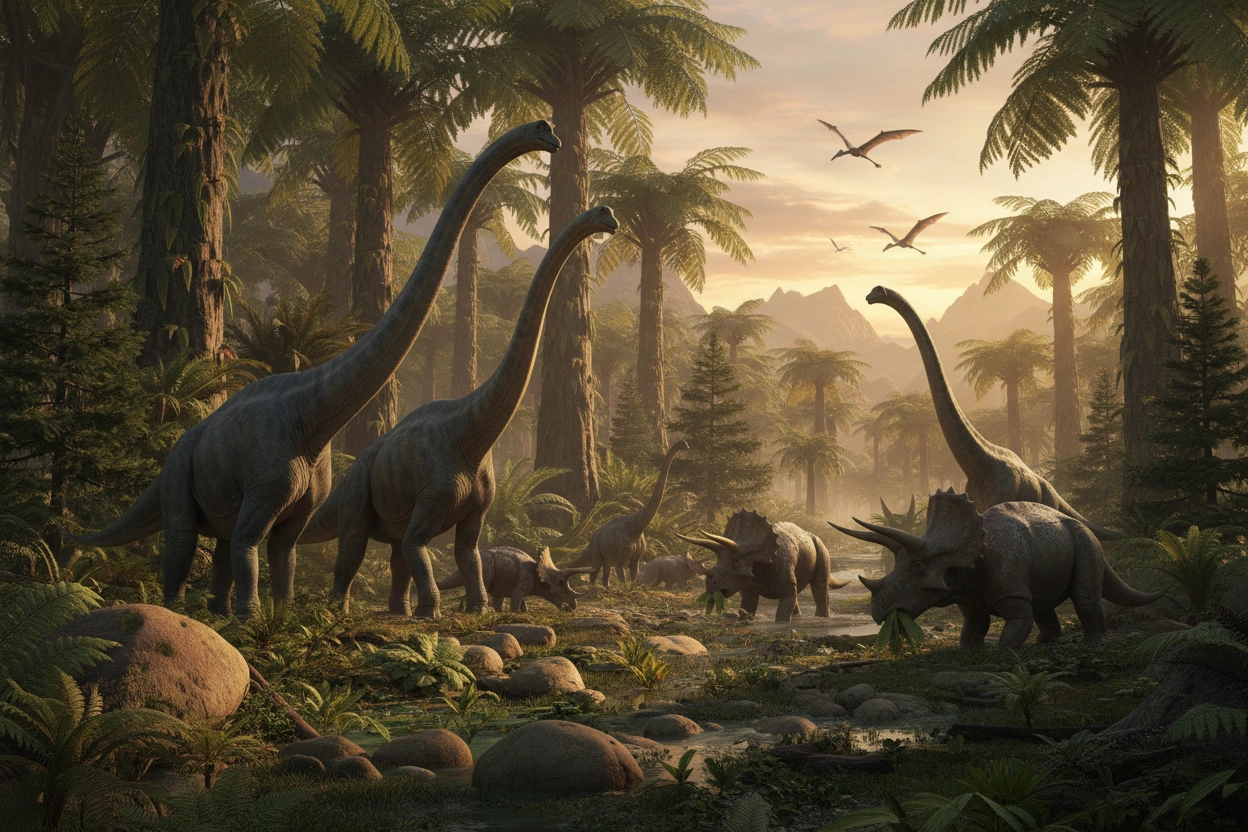
- Adaptations for Survival: Dinosaurs evolved various adaptations that allowed them to thrive in their environments. For instance, the long necks of sauropods, like Brachiosaurus, enabled them to reach high vegetation, while the sharp teeth of theropods, such as Tyrannosaurus rex, were essential for their carnivorous diet.
- Ecological Roles: Dinosaurs played crucial ecological roles, from herbivores that shaped plant communities to apex predators that regulated prey populations. The extinction of dinosaurs at the end of the Cretaceous period opened the door for mammals to rise and adapt in the following epochs.
The Transition to Mammals
Following the mass extinction event that wiped out the dinosaurs, mammals began to diversify and occupy ecological niches left vacant. This transition marks a significant shift in the evolutionary narrative.
- Adaptive Radiation: The Paleogene period, which began about 66 million years ago, witnessed an adaptive radiation of mammals. Species like the woolly mammoth and saber-toothed cat emerged, showcasing adaptations suited for various climates and habitats.
- Evolution of Flight: One of the most remarkable adaptations in the lineage of mammals is the evolution of flight. Bats, which appeared around 50 million years ago, developed echolocation and wing structures that allow them to navigate and hunt in the dark, showcasing a distinct evolutionary path compared to their non-flying ancestors.
Exploring Prehistoric Ecosystems: How Animals Adapted to Ancient Environments
Prehistoric animals were not just products of their time; they were intricately linked to the ecosystems they inhabited. Understanding how these creatures adapted to their environments provides insight into the evolutionary pressures they faced.
Climate and Habitat Influences
Throughout Earth's history, climate has fluctuated dramatically, impacting the types of ecosystems that could support life. Prehistoric animals adapted to these changes in various ways.
- Cold Adaptations: During the Pleistocene Epoch, many prehistoric creatures adapted to cold climates. The woolly mammoth developed a thick fur coat and a layer of fat for insulation, while its large ears helped to regulate body temperature.
- Desert Survival: In arid environments, prehistoric animals like the giant ground sloth adapted by developing herbivorous diets that allowed them to thrive on tough vegetation and storing fat reserves for survival during dry seasons.
Competition and Predation
The interactions between prehistoric animals and their environments were further complicated by competition for resources and predation.
- Niche Differentiation: To reduce competition, different species evolved distinct feeding strategies. For example, various herbivorous dinosaurs adapted to different types of vegetation, allowing multiple species to coexist within the same habitat.
- Predatory Strategies: The evolution of predation strategies among prehistoric animals, such as ambush tactics used by predators like Allosaurus, showcases the dynamic interplay between predator and prey in ancient ecosystems.
Key Differences Between Prehistoric Animals and Modern Species
While many principles of adaptation and survival remain constant, there are notable differences between prehistoric animals and their modern counterparts.
Size and Morphology
One of the most striking differences between prehistoric animals and modern species is the size and morphology of these creatures.
- Gigantism in Prehistoric Animals: Many prehistoric animals exhibited significant size increases compared to modern species. For instance, the Argentinosaurus, one of the largest dinosaurs, measured over 100 feet long, whereas the largest land mammals today, like elephants, are significantly smaller.
- Morphological Diversity: Prehistoric creatures often displayed a broader range of morphological traits. For example, the diverse body shapes of prehistoric marine reptiles, such as ichthyosaurs and plesiosaurs, highlight the variety of adaptations that existed in aquatic environments.
Behavioral Adaptations
Behavioral adaptations also differ significantly between prehistoric and modern species, reflecting changes in environmental pressures and survival strategies.
- Social Structures: Many prehistoric animals, such as certain dinosaur species, exhibited complex social behaviors, likely forming herds for protection against predators. In contrast, modern species may display varying degrees of social organization, with some being solitary and others living in tight-knit groups.
- Migration Patterns: The migratory behaviors of prehistoric animals, driven by climate changes and resource availability, differ from modern species. For instance, the migration of woolly mammoths was likely influenced by seasonal changes, whereas modern migrations are often affected by habitat loss and human activity.
The Legacy of Prehistoric Animals in Today's Ecosystems
The extinction of many prehistoric animals has shaped the evolutionary path of modern species. The legacy of these ancient creatures can still be observed in contemporary ecosystems.
Evolutionary Continuity
Modern animals are often direct descendants of prehistoric species, showcasing a remarkable continuity in the evolutionary lineage.
- Birds as Descendants of Dinosaurs: Birds are considered the modern-day descendants of theropod dinosaurs. Their feathered adaptations for flight and other traits reflect a long evolutionary history that connects them to their prehistoric ancestors.
- Mammalian Evolution: The evolutionary adaptations seen in prehistoric mammals have influenced the characteristics of modern mammals. For example, the development of specialized teeth in mammals can be traced back to adaptations made by prehistoric species.
Conservation Insights
Studying prehistoric animals also offers valuable lessons for modern conservation efforts.
- Understanding Extinction Dynamics: By examining the causes of prehistoric extinctions, such as climate change and habitat loss, scientists can better understand the vulnerabilities of modern species. This knowledge is crucial for developing effective conservation strategies.
- Ecosystem Resilience: The adaptability of prehistoric animals illustrates the importance of resilience in ecosystems. Modern conservation efforts can benefit from these insights by focusing on preserving biodiversity and promoting adaptive strategies among contemporary species.
The Intersection of Prehistoric Animals and Modern Conservation
In light of the insights gained from studying prehistoric animals, it is essential to consider how this knowledge can inform modern conservation efforts. The understanding of adaptive strategies and ecosystem dynamics can significantly contribute to preserving biodiversity in today's rapidly changing environments.
Actionable Conservation Strategies
To effectively protect modern species and their habitats, several strategies can be employed:
- Habitat Restoration: Rehabilitating ecosystems to restore natural habitats can support biodiversity and enhance the resilience of modern species.
- Research and Monitoring: Ongoing research into the behaviors and adaptations of both prehistoric and modern animals provides crucial data for effective conservation planning.
- Public Education: Raising awareness about the importance of biodiversity and the lessons learned from prehistoric animals can foster a conservation-minded society.
By integrating insights from prehistoric ecosystems and modern conservation strategies, we can work towards a sustainable future for all species.
Embracing the Legacy of Prehistoric Animals with Banana Slug Club
Understanding the fascinating world of prehistoric animals reveals not only the incredible adaptations of these ancient creatures but also their relevance to modern ecosystems. The legacy of prehistoric animals is a reminder of the importance of biodiversity and the ongoing need for conservation efforts.
At Banana Slug Club, we are committed to promoting awareness and understanding of our planet's rich biological history. Our initiatives aim to foster a deeper appreciation for the connections between prehistoric life and contemporary species, encouraging a proactive approach to conservation.
To explore more about prehistoric animals and how you can contribute to conservation efforts, visit Banana Slug Club. Together, we can ensure that the lessons of the past inform a sustainable future for all living beings.




.svg)
.svg)