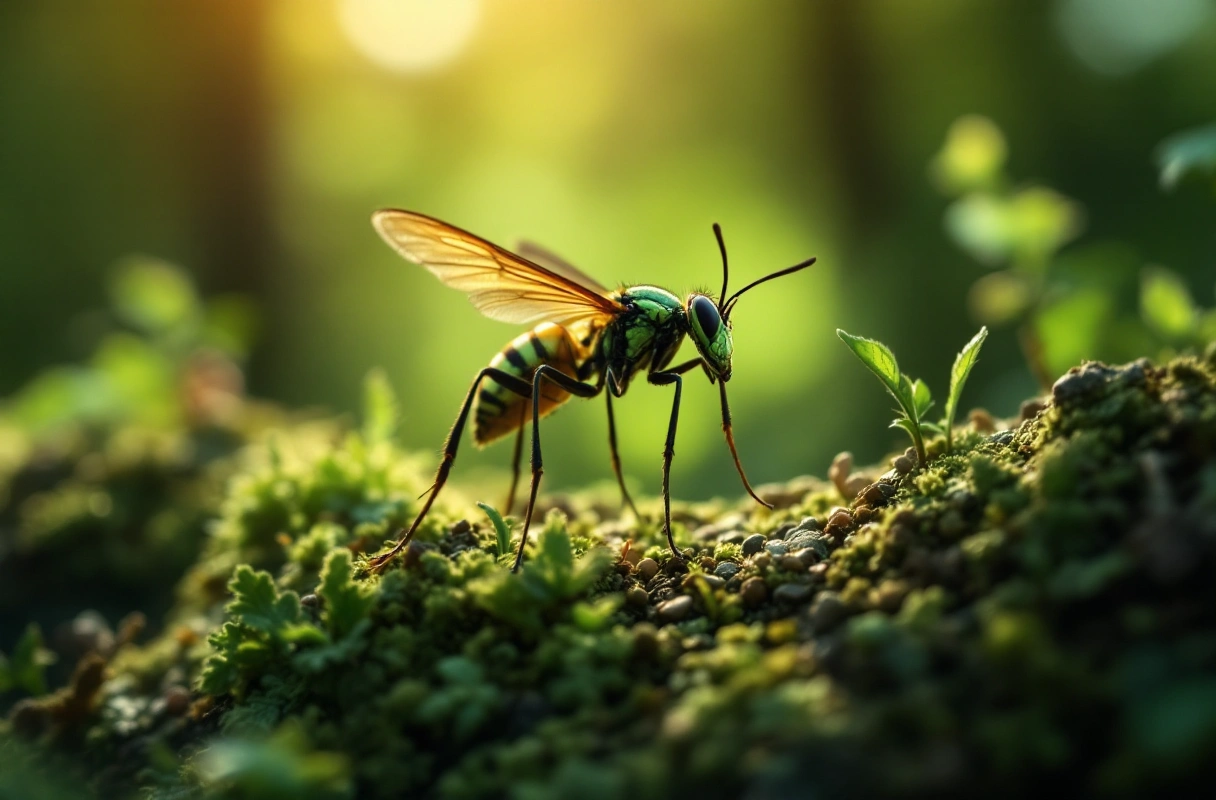
Insects play an indispensable role in the environment, acting as key players in various ecological processes. They are not just minor players in the grand scheme of biodiversity; rather, they are critical to the health and sustainability of ecosystems. From pollination to decomposition, insects contribute to numerous ecological functions that facilitate life on Earth. In this article, we will explore how insects shape ecosystems, delve into the fascinating world of insect species identification, and highlight the top ten most captivating insect species you may encounter.
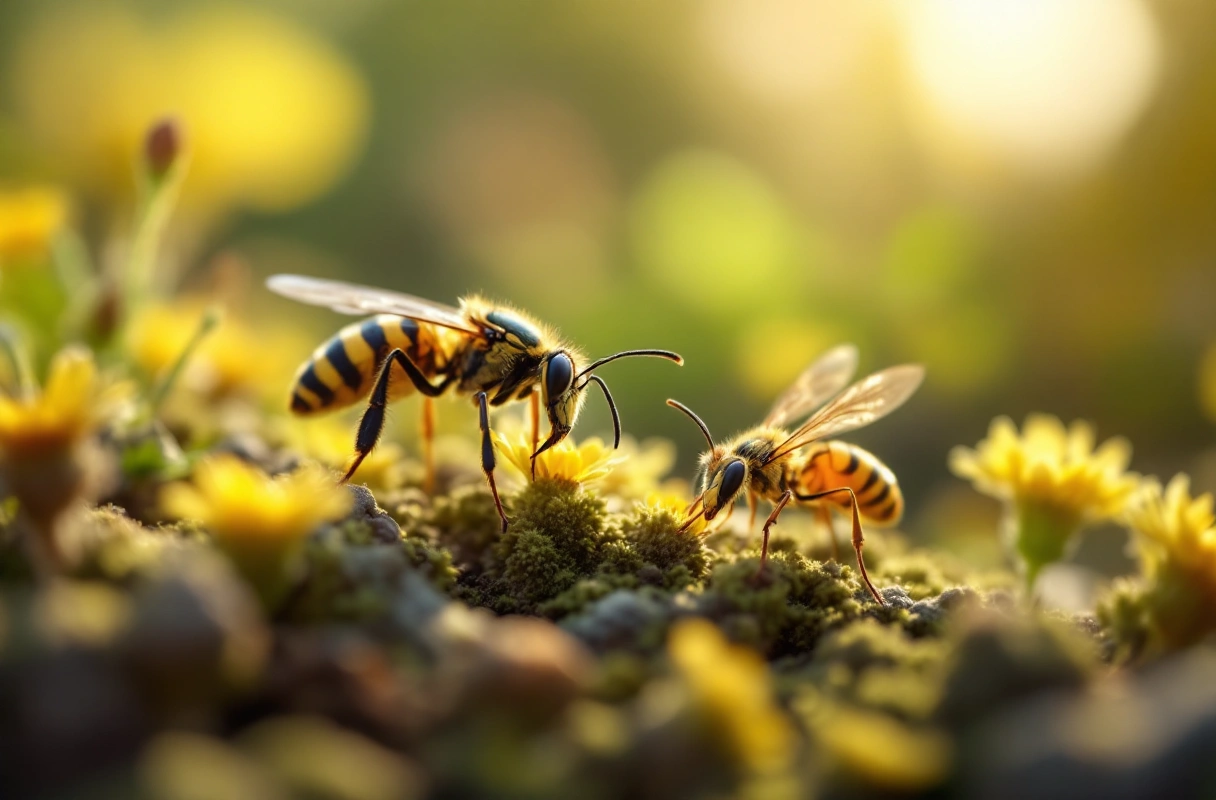
One of the most significant roles insects play in ecosystems is pollination. Insects such as bees, butterflies, and beetles are responsible for transferring pollen from one flower to another, enabling fertilization and seed production. This process is vital for the reproduction of many flowering plants, which, in turn, provide food and habitat for various animal species.
The importance of insect pollination cannot be overstated. It is estimated that approximately 75% of the world's flowering plants rely on animal pollinators, with insects being the most effective among them. For example, honeybees alone contribute to the pollination of over 100 crops, including fruits, vegetables, and nuts. Without these industrious insects, many of our food sources would dwindle, leading to a significant decline in biodiversity.
Insects also play a crucial role in decomposition and nutrient cycling within ecosystems. Decomposers, such as ants and certain beetles, break down organic matter, returning vital nutrients back into the soil. This process not only enriches the soil but also promotes healthy plant growth.
Furthermore, insects like termites and dung beetles aid in recycling nutrients from animal waste and decaying plant matter. By breaking down these materials, they help maintain soil fertility and structure. A well-functioning ecosystem relies on these processes to sustain plant life, which in turn supports higher trophic levels, including herbivores and carnivores.
Insects serve as a fundamental food source for many other organisms, including birds, mammals, amphibians, and even other insects. Their abundance and diversity make them a critical component of food webs. For instance, many bird species rely on insects as a primary food source during breeding seasons. The decline of insect populations can have cascading effects on these predators, highlighting the interconnectedness of ecosystems.
Moreover, insects contribute to the stability of food webs. Their varied diets and reproductive strategies allow them to thrive in various conditions, making them resilient to environmental changes. This resilience is essential in maintaining ecosystem balance, particularly in the face of climate change and habitat loss.
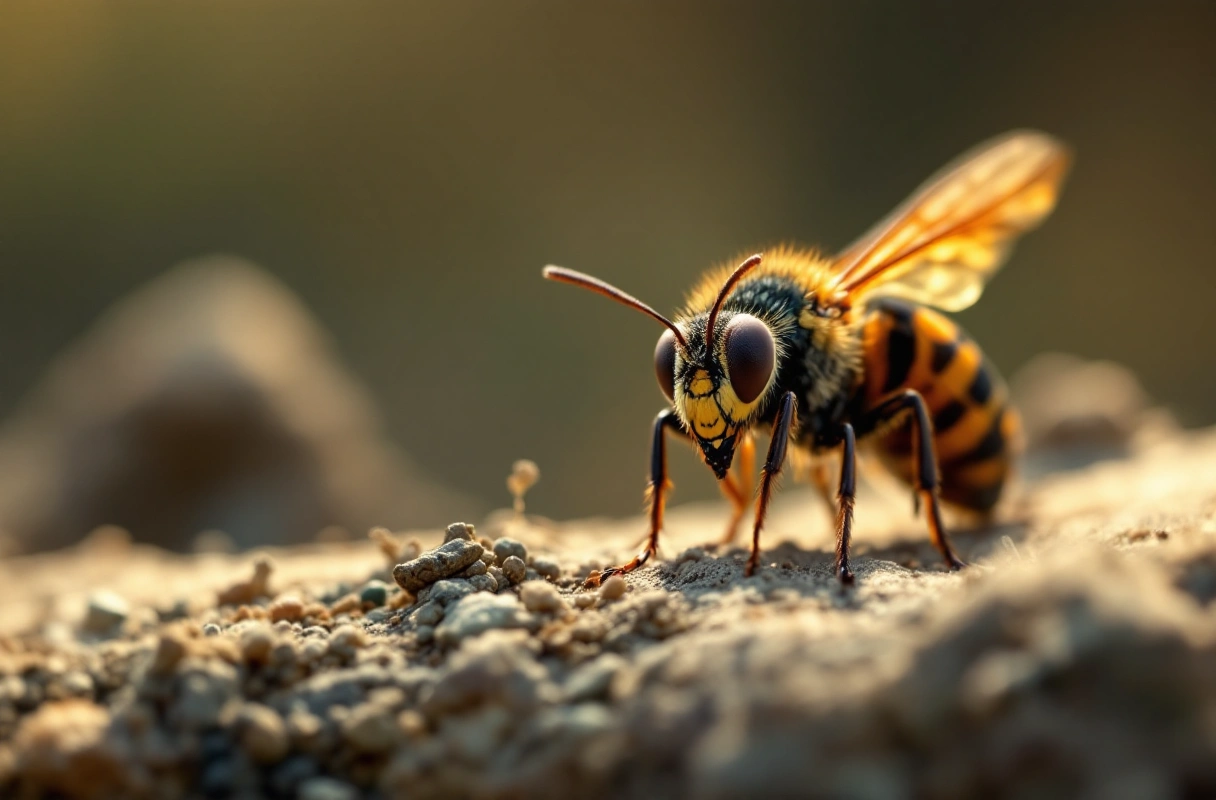
Understanding insect species identification is crucial for appreciating their roles within ecosystems. With over a million described species and potentially millions more yet to be identified, insects represent one of the most diverse groups of organisms on the planet.
Morphological Characteristics: The physical features of insects, such as body shape, color, and wing structure, are essential for identification. Field guides often provide detailed illustrations and descriptions to aid in recognizing different species.
Behavioral Traits: Observing an insect's behavior, such as feeding habits, mating rituals, and flight patterns, can provide insights into its species. Many insects exhibit unique behaviors that can be indicative of their classification.
Molecular Techniques: Advances in technology have led to the use of molecular methods, such as DNA barcoding, to identify insect species. This technique involves analyzing specific genetic markers to differentiate between closely related species.
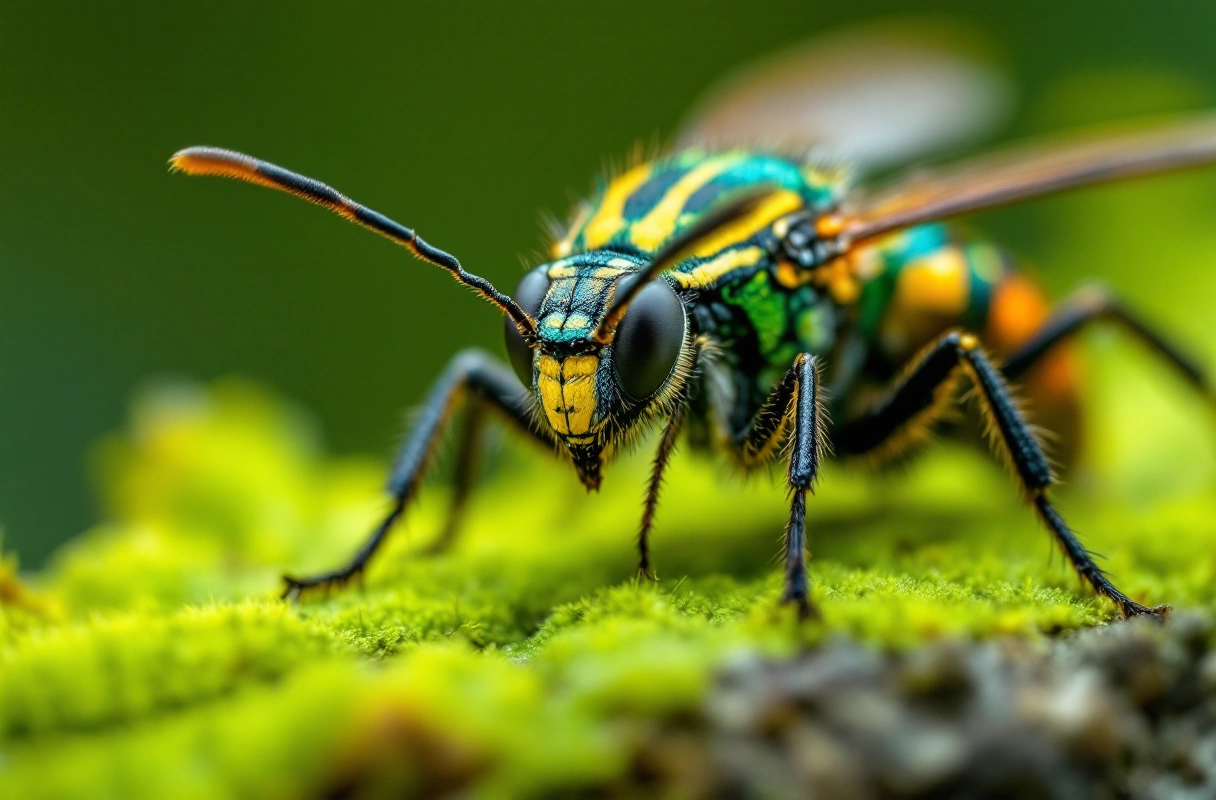
Insects are not just functional; they are also incredibly diverse and fascinating. Here, we highlight ten remarkable insect species that exemplify the uniqueness of this class.
The Monarch Butterfly is renowned for its incredible migratory journey, traveling thousands of miles from North America to central Mexico. This species plays a crucial role in pollination and is a symbol of conservation efforts.
The Bombardier Beetle has a remarkable defense mechanism that involves ejecting a hot chemical spray at predators. This unique adaptation showcases the incredible evolutionary strategies insects have developed.
Honeybees are vital pollinators and contribute significantly to global agriculture. Their complex social structure and communication methods, including the famous "waggle dance," make them a fascinating study subject.
Native to New Zealand, the Giant Weta is one of the heaviest insects in the world. Despite its intimidating appearance, it plays an important role in its ecosystem as a herbivore and prey for native birds.
The Goliath Beetle is one of the largest insects, with some species weighing over 100 grams. Their impressive size and striking coloration make them a popular subject of fascination in entomology.
Fireflies are known for their bioluminescent abilities, which they use for communication and mating. Their enchanting light displays are a reminder of nature's wonders.
The Orchid Mantis is a master of camouflage, mimicking the appearance of orchid flowers to ambush unsuspecting prey. This species highlights the intricate relationships between insects and their environments.
Known for its impressive horns, the Hercules Beetle is one of the strongest insects, capable of lifting objects many times its weight. This strength is used in mating displays and territorial battles.
Cicadas are famous for their distinct mating calls, produced by males to attract females. Their life cycle, which can span up to 17 years, is one of nature's most fascinating phenomena.
Leafcutter ants are remarkable for their agricultural behavior, cultivating fungus as a food source. Their complex social structures and cooperative behaviors offer valuable insights into insect societies.
Insects face numerous threats, including habitat loss, climate change, pesticide use, and pollution. These factors have led to significant declines in insect populations worldwide, with potential consequences for ecosystems and human society.
Habitat Protection: Preserving natural habitats and promoting biodiversity can help support insect populations.
Sustainable Practices: Utilizing environmentally friendly agricultural practices, such as integrated pest management, can reduce harmful impacts on insect species.
Public Awareness: Educating communities about the importance of insects and their roles in ecosystems can foster conservation efforts.
Insects are not just integral to the ecosystems they inhabit; they also provide essential services that benefit humanity. Understanding their roles helps us appreciate the complexity of ecological interactions and the importance of conserving these vital organisms.
At Banana Slug Club, we advocate for the protection and appreciation of all life forms, including insects. As you learn about how insects shape ecosystems, consider how you can contribute to their conservation. Whether through supporting local habitats, participating in community science initiatives, or simply spreading awareness, every action counts.
For more information on how you can get involved or learn more about the importance of insects, visit Banana Slug Club. Together, we can help ensure a thriving ecosystem for generations to come.
Get free resources, early access to new features and updates.
No spam. Just fun educational emails!


.svg)
.svg)