
Insects are often overlooked despite their crucial roles in maintaining the balance of ecosystems and supporting climate resilience. With over one million identified insect species and an estimated ten million more yet to be discovered, insects represent one of the most diverse and ecologically significant groups of organisms on the planet. This article delves into the multifaceted ways in which insects contribute to ecosystem health, their role in climate adaptation, and provides insights into fascinating insect species that highlight their importance.

Insects perform a myriad of functions within ecosystems that are vital for sustaining life. Their roles can be broadly categorized into pollination, decomposition, and serving as a food source for other animals.
Pollination is one of the most critical services provided by insects, particularly bees, butterflies, and beetles. Approximately 75% of the world’s flowering plants depend on animal pollinators to reproduce. This includes many crops that are essential for human food supply, such as fruits, vegetables, and nuts.
Insects are also critical decomposers in ecosystems, breaking down organic matter and recycling nutrients back into the soil. This process is essential for soil health and fertility, which in turn supports plant growth.
Insects form the base of many food chains, providing sustenance for a wide array of animals, including birds, mammals, reptiles, and amphibians.
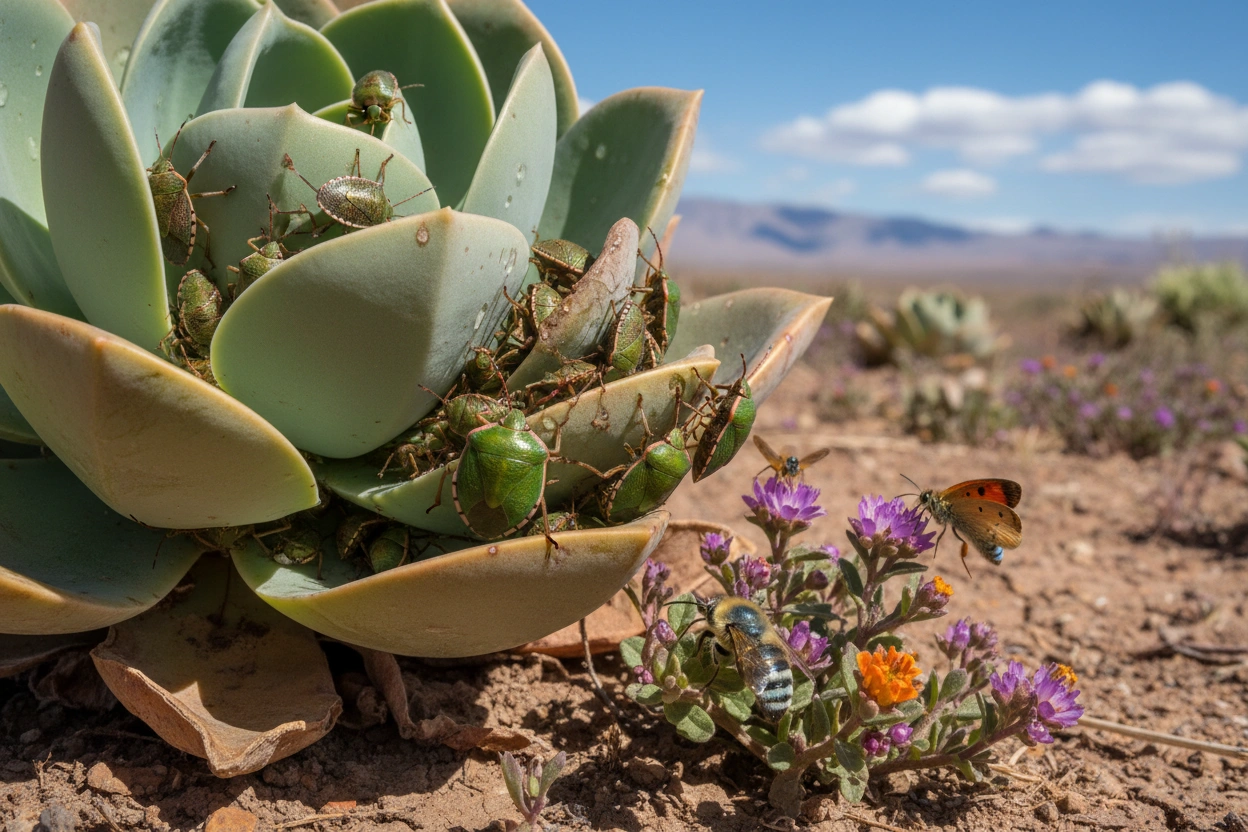
Insects also play a significant role in climate resilience through their interactions with the environment. Their activities can influence carbon sequestration, soil health, and the adaptability of ecosystems to climate change. Insects contribute to carbon cycling and nutrient dynamics, impacting ecosystem responses to climate change.
Insects contribute to carbon sequestration through their role in decomposition and soil formation.
Insects also enhance the resilience of ecosystems to extreme weather events, such as droughts and floods.
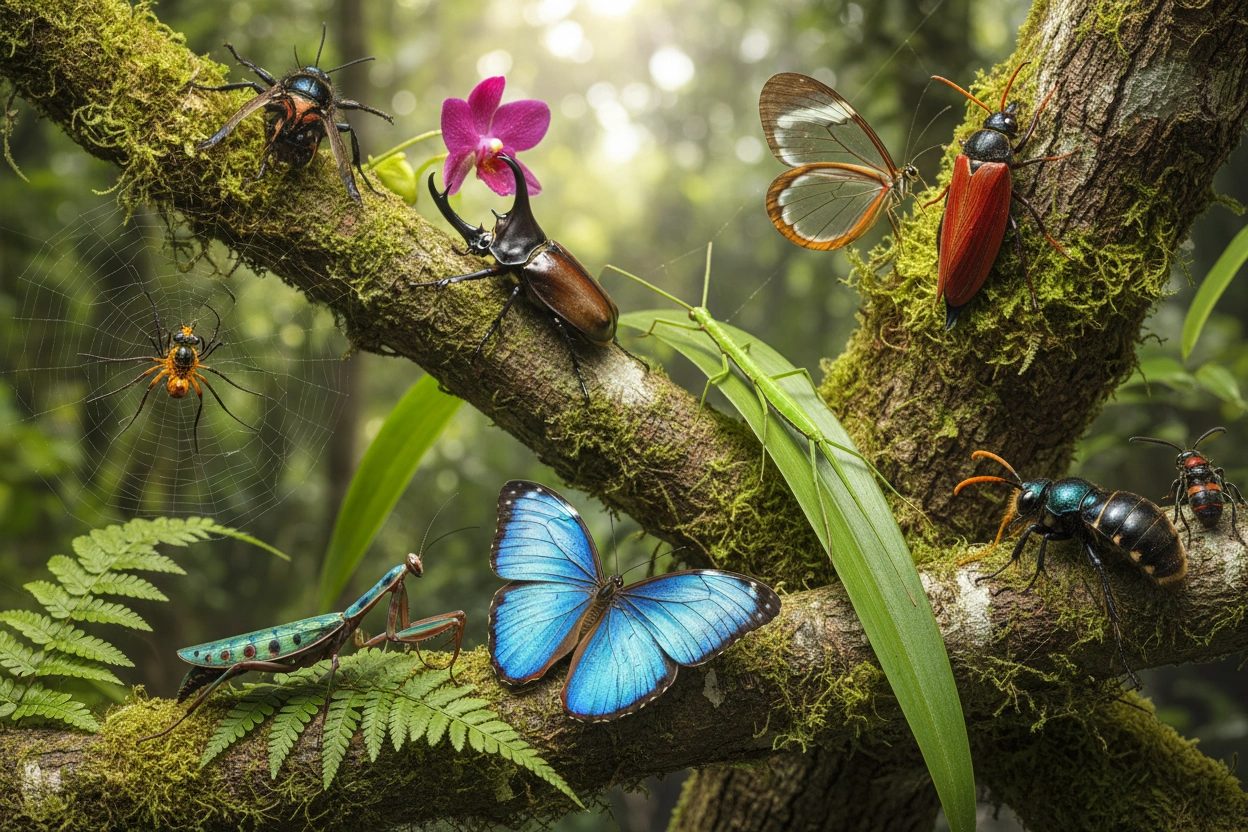
Exploring the diversity of insect life reveals some truly fascinating species that not only captivate the imagination but also exemplify the roles insects play in ecosystems. Here are ten remarkable insect species that highlight the importance of insects:
Bombus terrestris (Buff-tailed Bumblebee)
Known for their ability to pollinate a wide range of plants, these bumblebees are crucial for agricultural crops. They are particularly effective in cooler climates due to their ability to regulate their body temperature.
Lucanus cervus (Stag Beetle)
This iconic beetle is recognized for its impressive mandibles. Stag beetles are essential for decomposing wood and are indicators of healthy forest ecosystems.
Papilio machaon (Swallowtail Butterfly)
A symbol of beauty in nature, swallowtail butterflies are important pollinators. They also serve as indicators of environmental health, as they are sensitive to habitat changes.
Formica rufa (Red Wood Ant)
These ants play a vital role in forest ecosystems by aerating the soil and controlling pest populations. Their colonies can support thousands of individuals, demonstrating complex social behavior.
Gryllus campestris (Field Cricket)
Known for their distinctive chirping, field crickets are essential for nutrient cycling. They are also a food source for many birds and mammals, highlighting their role in food webs.
Hymenoptera (Bees and Wasps)
This order includes thousands of species, many of which are critical pollinators. Bees, in particular, are responsible for pollinating a significant portion of the world's crops.
Ceratitis capitata (Mediterranean Fruit Fly)
Known for its agricultural impact, this fruit fly is a model organism for studying pest control methods. Understanding its lifecycle can help in developing sustainable pest management strategies.
Dytiscus marginalis (Great Diving Beetle)
An aquatic predator, this beetle plays a role in controlling mosquito populations. Its presence indicates clean water bodies, serving as a bioindicator of aquatic health.
Anopheles gambiae (African Malaria Mosquito)
While known for its role in spreading malaria, understanding its biology is crucial for developing effective control measures to combat malaria transmission.
Calathus melanocephalus (Black-headed Ground Beetle)
This beetle is a natural pest controller in agricultural settings. Its predation on other insects helps maintain ecological balance in crop fields.
Despite their importance, many misconceptions about insects persist, which can hinder conservation efforts and public understanding.
Many people view insects solely as pests, overlooking their beneficial roles. While some species do cause damage to crops and structures, the vast majority of insects contribute positively to ecosystems.
Another common misconception is that insects do not significantly impact climate change. In reality, insects are integral to many processes that influence climate resilience. Insects contribute to carbon cycling and nutrient dynamics, impacting ecosystem responses to climate change.
Engaging in insect conservation efforts can help promote biodiversity and ecosystem health. Here are some actionable steps to consider:
Create Pollinator Gardens
Plant a variety of native flowers to attract and support local pollinator species. Native plants are adapted to local conditions and provide essential resources for insects.
Reduce Pesticide Use
Minimize the use of chemical pesticides in gardens and agricultural practices. Instead, consider integrated pest management strategies that utilize beneficial insects for pest control.
Support Local Conservation Initiatives
Participate in or donate to organizations focused on insect conservation and habitat restoration. Local initiatives often have a direct impact on regional ecosystems.
Educate Others
Share knowledge about the importance of insects with friends and family. Raising awareness can lead to increased support for conservation efforts.
Participate in Citizen Science
Get involved in citizen science projects that focus on insect monitoring and biodiversity assessments. These initiatives can provide valuable data for researchers and conservationists.
Understanding how insects shape ecosystems and contribute to climate resilience highlights their importance in our world. The Banana Slug Club is dedicated to fostering awareness and promoting conservation efforts that protect these vital organisms. By engaging in local initiatives, supporting educational programs, and advocating for sustainable practices, individuals can make a significant impact on insect populations and, by extension, the health of our ecosystems. By recognizing their roles and supporting conservation efforts, we can contribute to healthier ecosystems and a more resilient climate.
In conclusion, insects are not merely nuisances but are fundamental components of our planet's ecological framework. By recognizing their roles and supporting conservation efforts, we can contribute to healthier ecosystems and a more resilient climate. For those looking to deepen their understanding and engagement with insect conservation, visit Banana Slug Club to explore resources and opportunities that can make a difference.
Get free resources, early access to new features and updates.
No spam. Just fun educational emails!


.svg)
.svg)