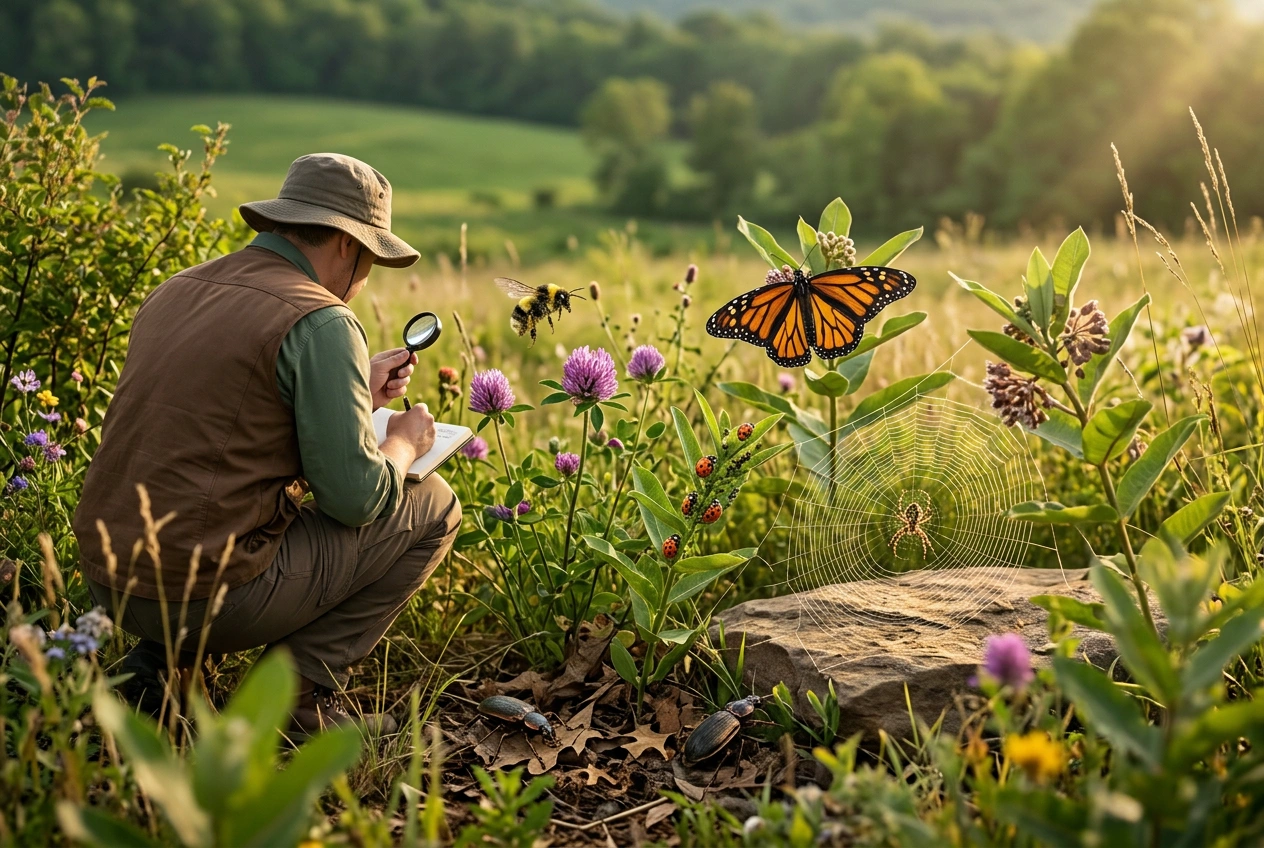
The plight of endangered animals has become a pressing global concern, with habitat loss being a primary driver of their decline. As urbanization, agriculture, and industrial development expand, natural habitats are increasingly fragmented and destroyed, leading to a dramatic decrease in biodiversity. This phenomenon not only threatens the survival of various species but also disrupts entire ecosystems that rely on the intricate balance of flora and fauna. Understanding how habitat loss affects endangered animals is crucial for developing effective conservation efforts that can mitigate these impacts and foster a sustainable future.
In this article, we will explore the relationship between habitat loss and the endangerment of wildlife, highlight the top ten endangered animals you need to know about, and discuss actionable conservation strategies. By raising awareness and providing insights, we aim to empower individuals and organizations to take meaningful steps toward preserving our planet's biodiversity.

Habitat loss occurs when natural environments are altered or destroyed, leading to a decline in the populations of species that depend on those habitats for survival. This issue is particularly acute in regions experiencing rapid industrialization and urban sprawl, where ecosystems are disrupted, and wildlife is pushed into smaller, isolated areas.
Habitat fragmentation is a critical consequence of development, resulting in the division of large, continuous habitats into smaller, isolated patches. This fragmentation can have several detrimental effects on endangered animals:
The direct loss of habitat through deforestation, mining, and urbanization poses an immediate threat to endangered animals. Key factors contributing to this loss include:

Awareness of endangered animals is vital for fostering a sense of responsibility and urgency in conservation efforts. Here are ten endangered species that exemplify the broader issues facing wildlife today:
Amur Leopard
Vaquita
Sumatran Orangutan
Javan Rhinoceros
Snow Leopard
Hawksbill Sea Turtle
African Wild Dog
Eastern Lowland Gorilla
Northern White Rhinoceros
California Condor
Each of these species faces unique challenges, yet they all share the common threat of habitat loss. Understanding their plight is crucial for fostering empathy and motivating conservation actions.
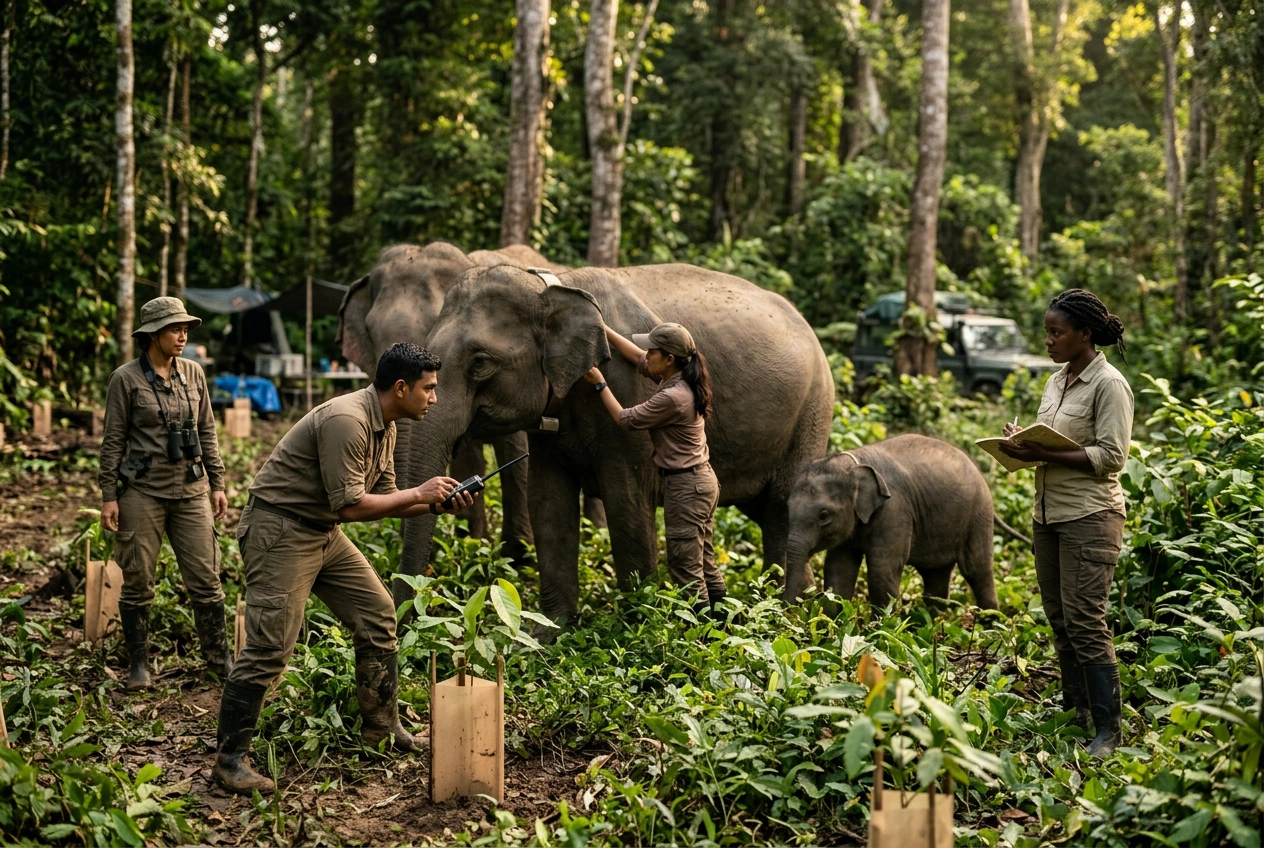
Conservation efforts are essential to halt the decline of endangered animals and restore their populations. These initiatives can be categorized into several key strategies:
Restoring habitats is one of the most effective methods for aiding endangered species. This process involves:
Governments and international organizations have implemented various legal frameworks to protect endangered animals and their habitats. These measures include:
Engaging local communities and educating the public about the importance of conservation is vital for long-term success. Effective strategies include:
Promoting sustainable practices can significantly reduce habitat loss and protect endangered animals. Key initiatives include:
Addressing misconceptions about endangered animals and conservation is crucial for fostering understanding and support. Some common myths include:
Many people believe that endangered animals are only found in remote, untouched environments. In reality, many endangered species inhabit areas that are heavily impacted by human activity. Conservation efforts often focus on urban and agricultural landscapes, emphasizing the need for coexistence with wildlife.
While charismatic megafauna like elephants and tigers receive significant attention, countless smaller species also face endangerment. Conservation efforts must encompass all species, regardless of size, to maintain healthy ecosystems.
Some believe that habitat loss is an unavoidable consequence of development. However, sustainable practices and innovative conservation strategies can mitigate these impacts and create a balance between human needs and wildlife preservation.
Organizations dedicated to conservation play a critical role in protecting endangered animals and their habitats. These organizations engage in various activities, including:
Engaging with organizations that focus on endangered animals can amplify individual efforts and contribute to broader conservation goals.
Understanding how habitat loss drives endangered animals toward extinction is crucial for developing effective conservation strategies. By focusing on habitat preservation, restoration, and sustainable practices, we can create a future where endangered animals thrive alongside human populations.
Banana Slug Club is dedicated to raising awareness about endangered species and supporting conservation initiatives that protect our planet's biodiversity. By educating the public and advocating for sustainable practices, we can work together to ensure a healthier environment for both wildlife and people.
As you reflect on the critical insights shared in this article, consider how you can contribute to conservation efforts. Whether through volunteering, supporting local organizations, or simply spreading awareness, every action counts. For more information on how you can get involved in protecting endangered animals and their habitats, visit Banana Slug Club. Together, we can make a difference in the fight against habitat loss and the extinction of precious wildlife.
Get free resources, early access to new features and updates.
No spam. Just fun educational emails!