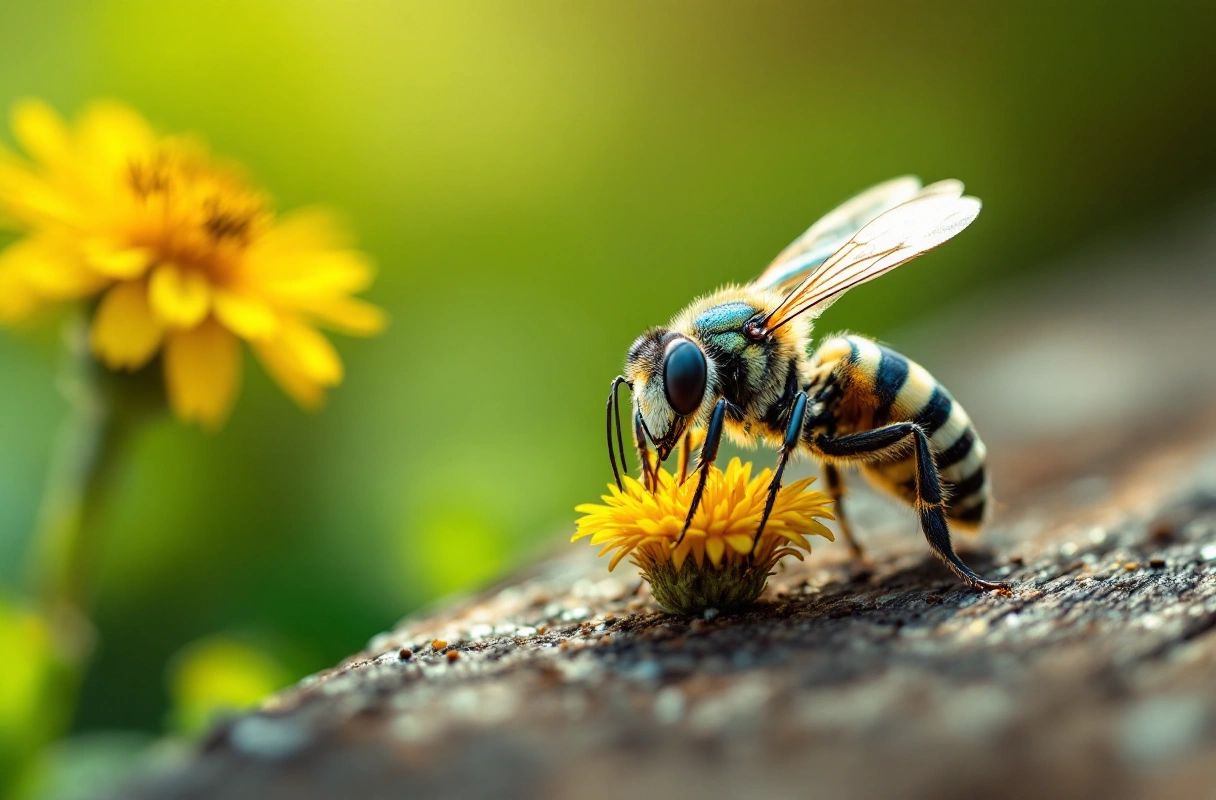
In the world of gardening, pollinator insects play a crucial role in ensuring the health and productivity of plants. These tiny creatures, ranging from bees and butterflies to beetles and moths, facilitate the transfer of pollen, which is essential for the reproduction of many flowering plants. Understanding the various insect species that contribute to pollination can significantly enhance your gardening efforts and promote a thriving ecosystem in your backyard. This guide delves into the fascinating world of pollinator insects, focusing on their identification, benefits, and how to attract them to your garden.
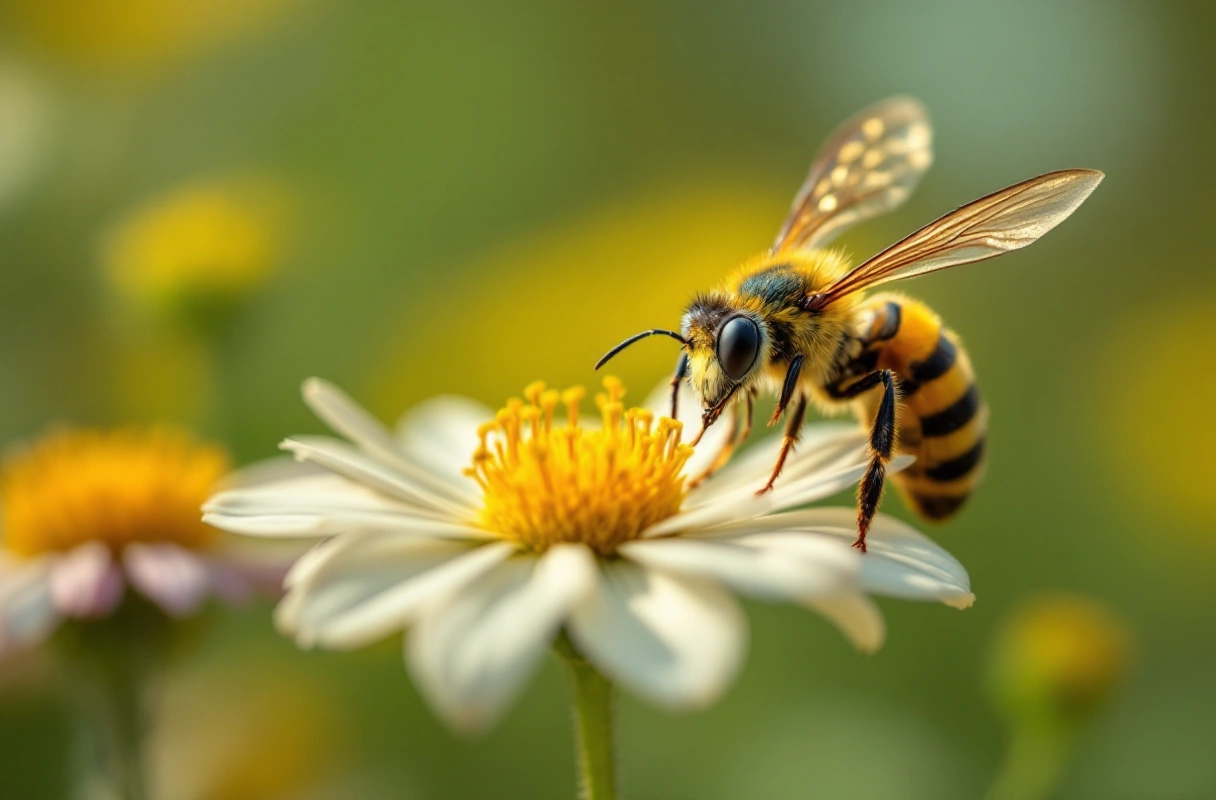
Pollinator insects are vital to the success of home gardens and agriculture alike. They contribute to the pollination of more than 75% of the world's flowering plants, including many of the fruits, vegetables, and nuts we consume daily. Without these insects, food production would decline dramatically, leading to food shortages and increased prices. Additionally, pollinator insects help maintain biodiversity by supporting a diverse range of plants, which in turn provide habitats for other wildlife.
Furthermore, pollinator insects are indicators of environmental health. A thriving population of these insects suggests a balanced ecosystem, while a decline can signal problems such as habitat loss or pesticide overuse. For gardeners, attracting and supporting these insects can lead to more productive gardens, healthier plants, and a more vibrant outdoor space.
Despite their significance, there are several misconceptions surrounding pollinator insects. One common myth is that all insects are harmful to gardens. In reality, many insects contribute positively to plant health and ecosystem balance. Another misconception is that pollination only occurs through bees. While bees are among the most effective pollinators, other insects like butterflies, moths, and even some beetles also play essential roles in this process.
Understanding these misconceptions can lead to better gardening practices, such as avoiding unnecessary pesticide applications and creating environments that support a diverse range of pollinator species.

Correct insect species identification is crucial for understanding which pollinators are visiting your garden and how to support them effectively. Here are some key characteristics to help identify common pollinator insects:
Bees are perhaps the most recognized pollinators. They come in various shapes, sizes, and colors, with the most common types being honeybees, bumblebees, and solitary bees.
Butterflies are not only beautiful but also important pollinators. They have long proboscises that allow them to feed on nectar from flowers.
Moths, often overlooked, are also significant pollinators, especially at night.
While not the most glamorous, beetles are among the oldest pollinators.
Certain species of flies, particularly hoverflies and flower flies, are also effective pollinators.
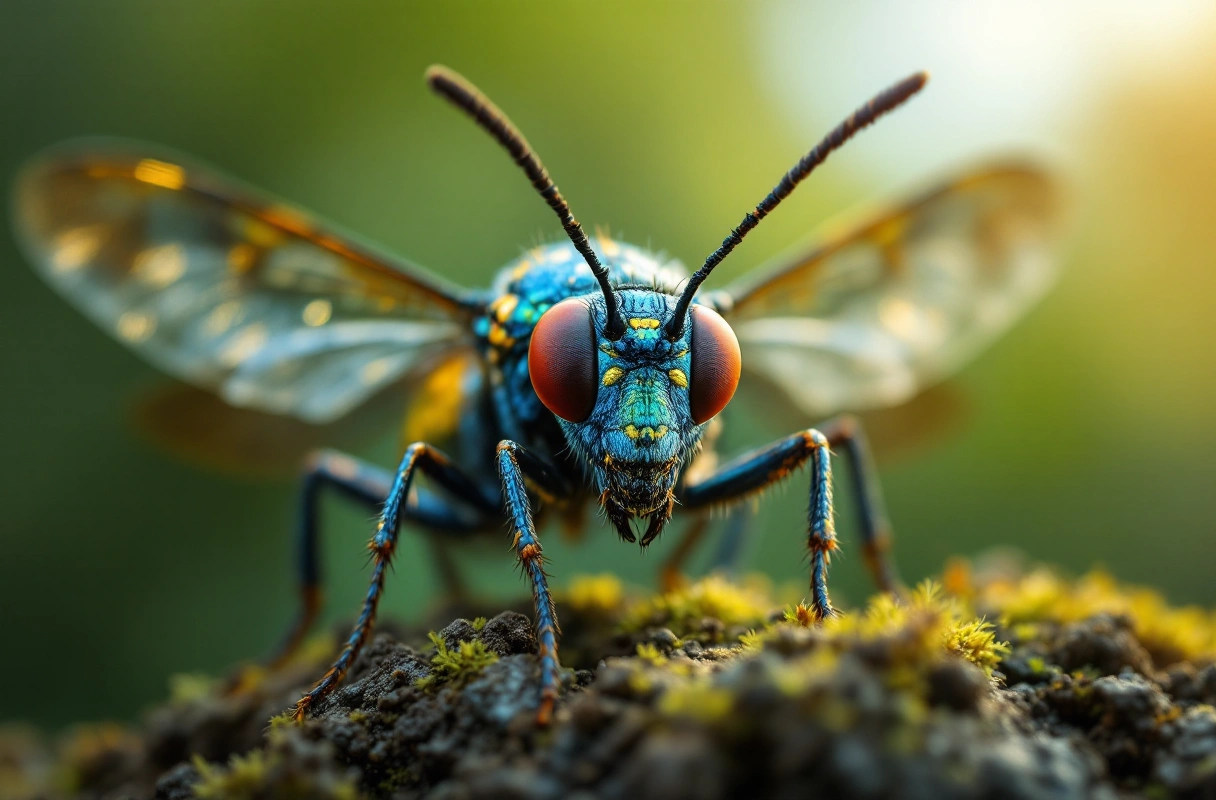
Understanding the diversity of pollinator insects can help gardeners appreciate the different species that contribute to their gardens' health. Here are ten fascinating insect species that play a crucial role in pollination:
Creating a welcoming environment for pollinator insects requires thoughtful planning and implementation of various gardening practices. Here are effective strategies to attract these beneficial insects:
Plant a Diverse Range of Flowers: Incorporate a variety of flowering plants that bloom at different times throughout the growing season. This ensures a continuous food source for pollinators.
Choose Native Plants: Native plants are adapted to local conditions and are often more attractive to native pollinators. They provide the best habitat and food sources.
Create Shelter: Provide habitats for pollinators by leaving some areas of your garden undisturbed. Piles of leaves, logs, and rocks can serve as nesting sites for solitary bees and other insects.
Avoid Pesticides: Minimize or eliminate the use of chemical pesticides, as they can be harmful to pollinators. Opt for organic pest control methods when necessary.
Provide Water Sources: Pollinators need water for hydration. Consider adding shallow dishes with pebbles or stones for insects to land on while drinking.
Implement Companion Planting: Certain plants can attract pollinators and deter pests simultaneously. For example, planting marigolds alongside vegetables can attract beneficial insects.
Even experienced gardeners can make mistakes that hinder the attraction of pollinator insects. Here are some common pitfalls and how to avoid them:
Neglecting Plant Diversity: Relying on a single type of plant can limit the variety of pollinators visiting your garden. Ensure a mix of flowering plants to cater to different species.
Using Harmful Chemicals: Applying pesticides indiscriminately can kill beneficial insects. Always read labels carefully and consider organic alternatives.
Ignoring Bloom Times: Planting flowers that bloom at the same time can create feast-or-famine situations for pollinators. Plan for staggered bloom times to provide consistent food sources.
Over-pruning: Excessive pruning can remove potential nesting sites for solitary bees. Be mindful of how much you trim back plants, especially in the fall.
Educating oneself and the community about the importance of pollinators is essential for fostering a supportive environment. Community gardens and educational programs can raise awareness about the role of insects in food production and biodiversity. Workshops on sustainable gardening practices, including how to attract pollinators, can empower individuals to make impactful changes in their own gardens.
Sustainable gardening practices not only benefit the gardener but also help ensure the health of pollinator populations. Here are some practices to consider:
Companion Planting: This technique involves growing specific plants together to enhance growth, deter pests, and attract beneficial insects.
Soil Health: Healthy soil leads to healthy plants, which in turn attract pollinators. Implement practices such as composting and crop rotation to maintain soil fertility.
Organic Gardening: Transitioning to organic gardening reduces harmful impacts on pollinators and promotes a more balanced ecosystem.
As gardeners, understanding the intricate relationship between insects and plant health is crucial for creating a thriving garden environment. Pollinator insects, with their unique roles in pollination and ecosystem balance, are essential allies in this journey. By implementing the strategies discussed in this guide, you can foster a garden that not only supports these vital insects but also enhances your gardening success.
In your quest to create a garden that attracts and nurtures pollinator insects, you can benefit from the resources and expertise offered by the Banana Slug Club. This community is dedicated to promoting sustainable gardening practices and educating individuals about the vital role of insects in our ecosystems.
By becoming involved with the Banana Slug Club, you can access valuable information, participate in workshops, and connect with fellow gardening enthusiasts who share your passion for pollinators.
For more insights and support in your gardening journey, visit Banana Slug Club. Together, we can work towards healthier gardens and thriving insect populations, ensuring a sustainable future for our ecosystems.
Get free resources, early access to new features and updates.
No spam. Just fun educational emails!


.svg)
.svg)